






Deviations from drinking water quality: the law must contain clear rules

The introduction of the concept of «temporary deviations from drinking water quality requirements» into legislation without clear definitions and safeguards creates risks for sanitary and epidemiological safety, consumer rights, and Ukraine's compliance with European standards in the field of water supply.
This conclusion to the government draft law No. 13578 of July 31, 2025, «On amendments to certain laws of Ukraine regarding the improvement of legislation in the field of drinking water supply and water disposal», was prepared by the UNBA Committee on agricultural, land and environmental law.
The document aims to systematize and expand the powers of state authorities in the field of drinking water supply and sanitation. In particular, it is proposed that the powers of the Cabinet of Ministers include the approval of the procedure for granting temporary exemptions from drinking water quality requirements to drinking water supply companies.
However, advocates point out that neither the draft nor the current legislation defines the term «temporary exemption». This creates a number of risks.
What is meant by exemptions — a change in standards, a reduction in quality, or an increase in permissible exceedances of norms? There is no distinction between a temporary exemption and a violation of sanitary legislation, in particular, the permissible degree of deterioration in water quality, the facilities to which it may apply, and the grounds for its introduction.
As a result, there are risks to sanitary and epidemiological safety. Since the Law «On drinking water and drinking water supply» concerns a resource that has a direct impact on public health, the absence of clear legal terms may allow deviations to be applied in cases of critical exceedances of hazardous indicators (nitrates, coli index, heavy metals); give companies the opportunity to operate in a derogation mode for a long time, rather than eliminating the causes of the problem; create a threat of outbreaks of infectious diseases.
Such gaps also carry the risk of non-compliance of the proposed legislative changes with European directives, in particular Directive (EU) 2020/2184, which contains mechanisms for derogations by deadlines, strict control of drinking water quality has been introduced; providing for regular information to consumers about the state of drinking water and clearly defining restrictions on indicators from which deviation is prohibited.
There is also a risk for consumers of violating their rights to reduce payments for services during the derogation period and their rights to receive reliable, complete, and timely information about the state of drinking water.
In this regard, the UNBA proposed to supplement Article 1 of the Law «On drinking water and drinking water supply» with the following definition:
«A temporary deviation from the requirements for drinking water quality is a permit established in cases provided for by law, granted by an authorized body for a limited period in the event of an accident, emergency, damage, or technical failure of centralized drinking water supply systems to ensure compliance with established water quality standards, provided that there is no threat to the life and health of the population, mandatory measures are taken to eliminate the causes of the deviation, and consumers are informed about the nature and duration of such a deviation».
The full text of comments and proposals on draft No. 13578 can be viewed at this link.
Popular news
Rule of Law Roadmap
Lidiya Izovitova: reform of the advocacy profession should make the profession stronger and individuals better protected
The Ukrainian advocacy community is finalizing work on a new version of the relevant law. The roadmap on the rule of law has set the fourth quarter of 2026 as the deadline for achieving results in this area. The draft is intended to ensure safeguards for the practice of law through mechanisms of accountability for violations.
Support
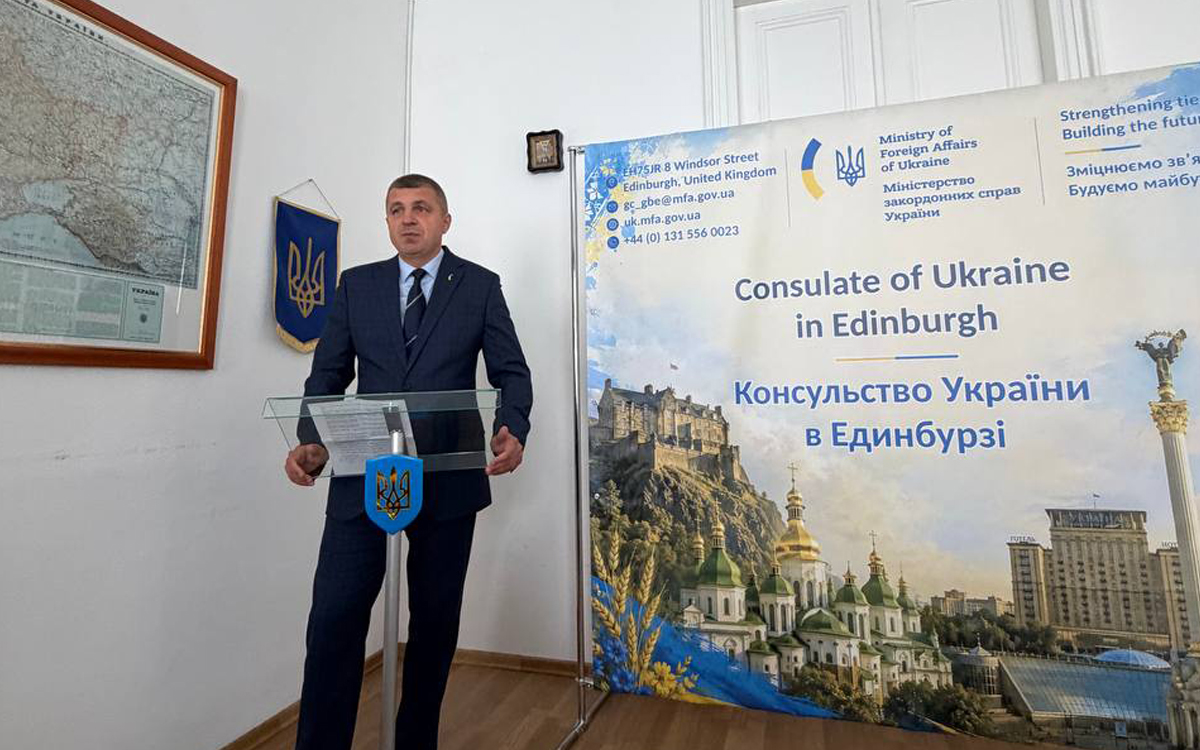
In Edinburgh expressed gratitude to those who are helping Ukrainian advocates and citizens
Since the start of the full-scale invasion, Scottish legal institutions and the Ukrainian community, with the participation of the UNBA, have been helping Ukrainian advocates obtain their qualifications and Ukrainians receive legal assistance. The parties are now planning joint professional and educational events.
Educational events
An advocate's meeting with a client outside the office: how to conduct it without giving away too much
If a client suggests meeting in a public place, keep in mind that any name or amount mentioned aloud could be overheard by bystanders. Therefore, it’s important to plan ahead regarding the table, seating arrangements, and the scope of the conversation.

Legislation
The UNBA explained what could undermine the plan to introduce plea agreements
Information regarding who pays whom, how much, and on what grounds under a plea agreement must be made public. However, as long as this information is classified as a state secret or personal data, the court will continue to be able to close proceedings and restrict access to judgments.
Interaction
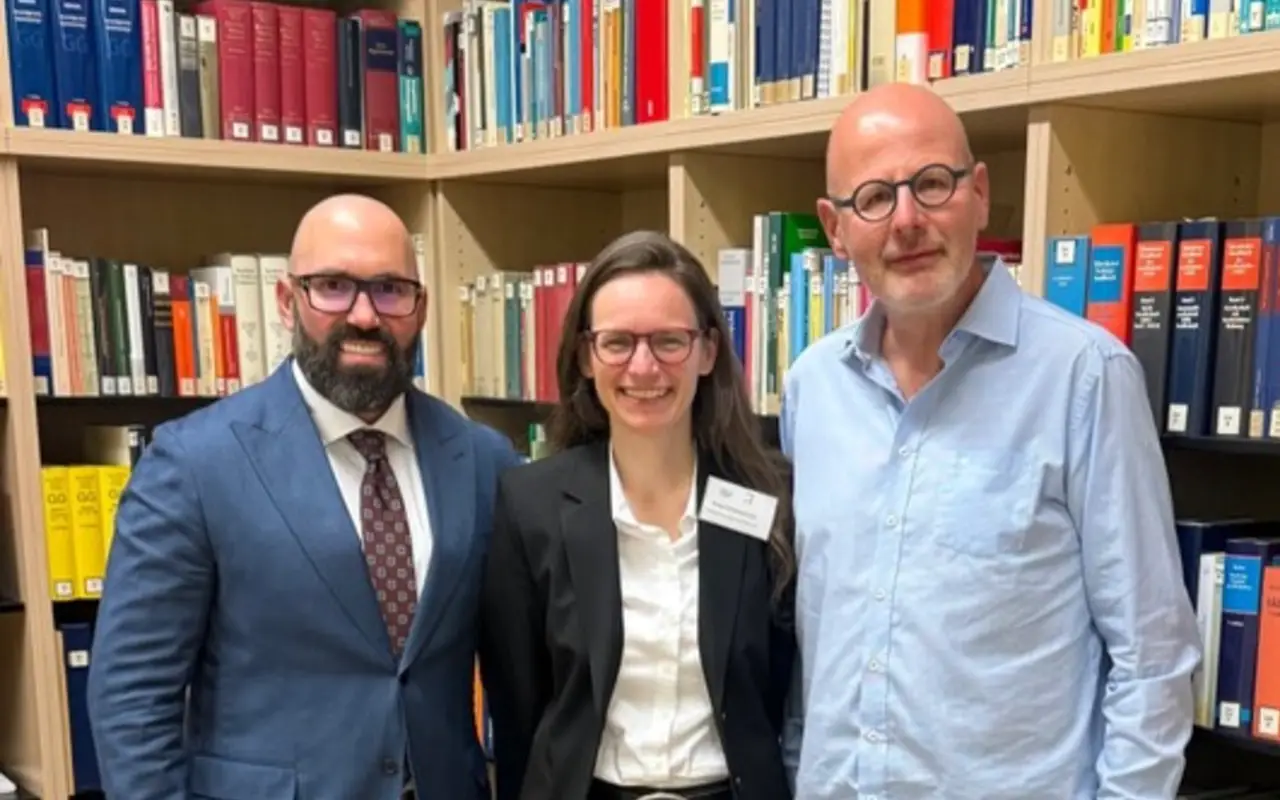
The UNBA and the German Institute for Eastern Law will prepare joint legal opinions
Ukrainian advocates and German legal scholars will jointly prepare comparative legal studies, expert opinions, and professional events. The UNBA reached this agreement with the Institute for Eastern European Law in Regensburg, which has been researching the laws of Central and Eastern European countries for nearly 70 years.

Legislation
Proceedings against military personnel following AWOL require clear deadlines — UNBA
A soldier’s return to duty after AWOL does not necessarily mean the end of criminal proceedings. To ensure that the case does not remain at the pretrial investigation stage, a clear procedure for the investigator and prosecutor is required.
Educational events
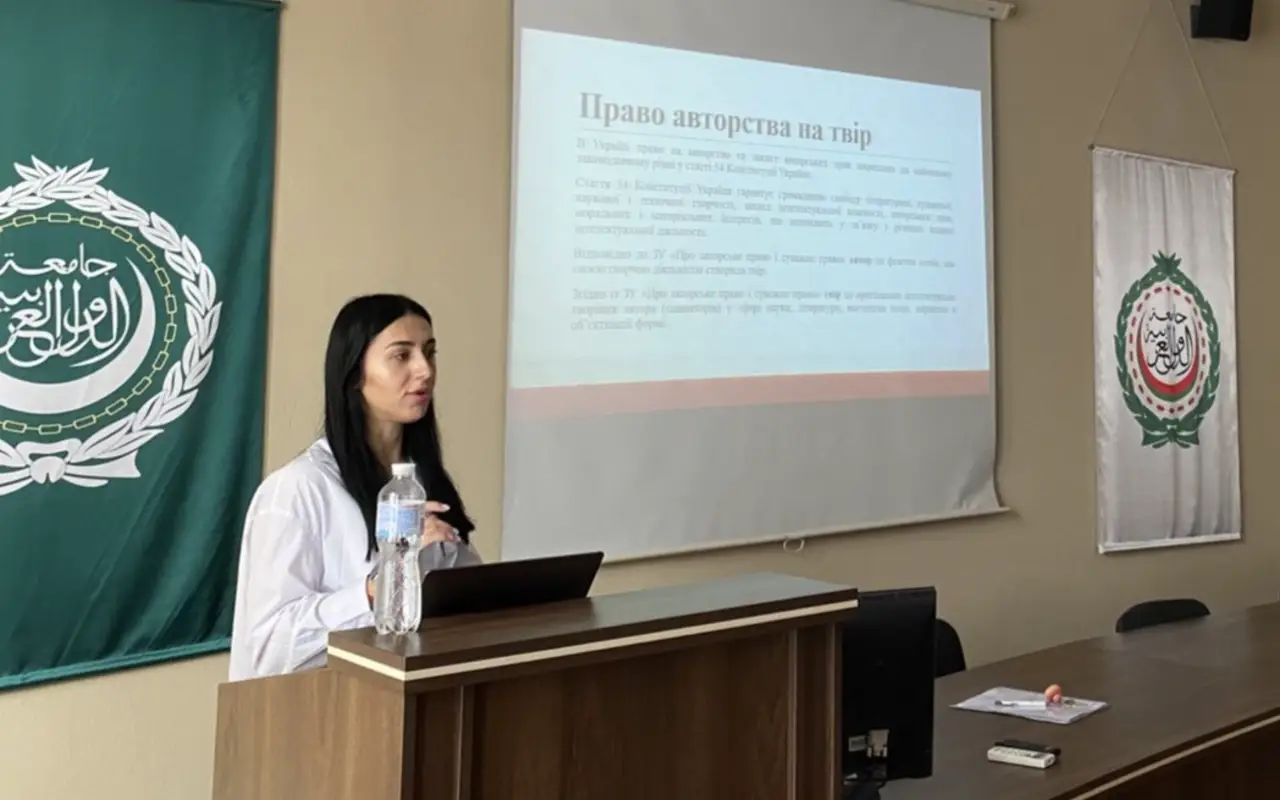
A one-time payment or royalties? Students were briefed on changes to copyright agreements
As a general rule, property rights to a work created by an employee are transferred to the employer, but the author retains the right to remuneration. European law requires that this remuneration be based on the actual income generated by the work, rather than being limited to a one-time payment.

Legislation
The UNBA warned of the risk of customs barriers for Ukrainian paper and furniture
Ukraine’s anti-deforestation rules are intended to preserve export access to the EU market. However, without paper and furniture on the list of goods, without effective sanctions, and with enforcement beginning only in 2030, these rules could hinder that goal.
Publications

Vasyl Kolishnyi, «Law and Business» Supporting mental health should become part of the professional culture of the Bar, - H. Udovenko

Volodymyr Matsko Extradition during wartime: when the risks outweigh the request

Volodymyr Matsko Extradition as a systemic form of rights violations

Victoria Yakusha, Law and Business The anti-corruption vertical cannot «take care» of the Bar as an institution, - acting head of the HQDCB

Censor.net Protecting advocates – protecting justice: addressing concerns about the new law

Ihor Kolesnykov A BRIEF SUMMARY REGARDING THE APPLICATION OF THE ORDER ON EXTENDED CONFISCATION IN LATVIA REGARDING FINANCIAL ASSETS OF…

Valentyn Gvozdiy WORKING IN A WAR ZONE

Lydia Izovitova Formula of perfection

