
5 common mistakes advocates make when communicating with clients
«But you said we’d win», — such complaints against an advocate may arise if he or she did not establish clear ground rules with the client at the outset. What communication mistakes should be avoided to prevent false expectations and mutual complaints?
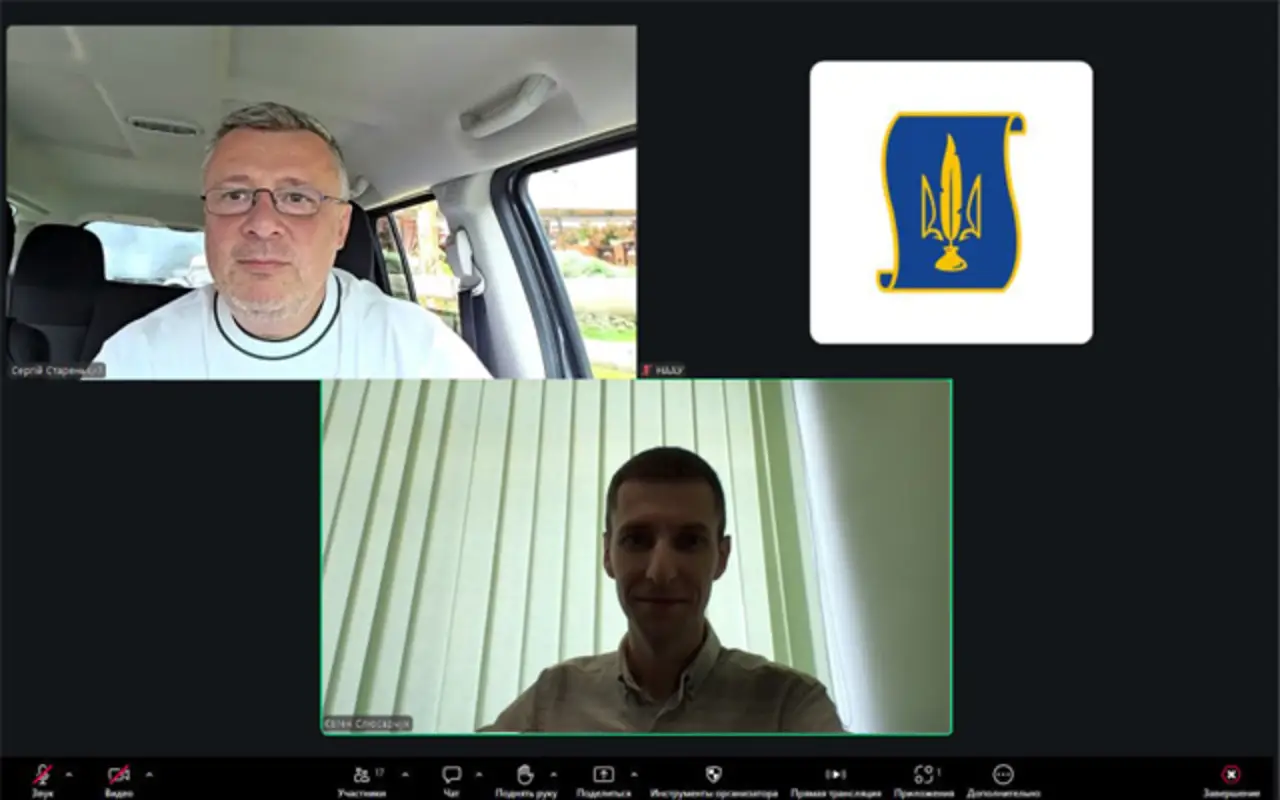
Answers were sought during the webinar «Advocacy without myths: from early mistakes to professional development», hosted by the UNBA NextGen in the Zhytomyr region. The event was moderated by the Committee’s regional representative Yevhen Slyusarchuk. The speaker was deputy chairman of the UNBA Committee on human rights protection Serhiy Starenkyi.
From the speaker’s presentation, we can identify five common mistakes in an advocate’s work with a client.
1. Guaranteeing a result
An advocate does not make decisions in a case and therefore cannot guarantee the client a specific outcome. An advocate can assess the strengths and weaknesses of a case, explain what the best-case and worst-case scenarios might be, justify the position from a legal standpoint, and reinforce it with evidence.
If this is not explained at the outset, the client may later cite an allegedly promised victory. In this regard, S. Starenkyi also recommended explicitly including a provision in the contract stating that the advocate does not guarantee a specific outcome.
2. Incorrectly assessing the scope of work and the fee
At the start of a case, it is difficult for an advocate to determine how long the case will take and how much work it will require. Even a case that initially seems straightforward can last several years and require the preparation of a significant number of documents.
And the fee depends on the estimated scope of work. If an advocate quoted the client a certain amount, but it later turns out that significantly more work is required, it can be difficult to change the initial agreement.
3. Failing to include important terms in the contract
The contract is one of the fundamental documents in an advocate’s practice. It is advisable to include terms that protect the interests of both the advocate and the client.
In particular, S. Starenkyi highlighted the payment terms, the preparation of documents necessary to substantiate legal assistance expenses, and the handling of the client’s personal data.
The contract should grant the advocate the right to process, store, and use such data when necessary to provide legal assistance, particularly when sending advocate’s inquiries or participating in court hearings.
S. Starenkyi advised specifying in detail in the contract the payment procedure, deadlines, and the documents that must be prepared in connection with it. This can strengthen a party’s position when resolving the issue of reimbursement of litigation costs, particularly the costs of professional legal assistance.
4. Failing to set boundaries for communication
The speaker advised specifying the advocate’s working hours in the contract and explaining the limits of professional communication to the client in advance.
For example, arrests, searches, and other urgent situations may require an immediate response. At the same time, most issues can be discussed during working hours, rather than at night or on weekends.
5. Taking on a case without sufficient experience
At the beginning of their practice, an advocate may be tempted to take on every case referred to them. However, they must objectively assess their knowledge and experience in the relevant category of cases. If they lack sufficient experience, they should honestly inform the client of this.
S. Starenkyi emphasized that mistakes at the beginning of one’s professional career are inevitable. At the same time, each mistake must be analyzed, the causes identified, and future work adjusted so that such a situation does not recur.
© 2026 Unba.org.ua Всі права захищені
"Національна Асоціація Адвокатів України". Передрук та інше використання матеріалів, що розміщені на даному веб-сайті дозволяється за умови посилання на джерело. Інтернет-видання та засоби масової інформації можуть використовувати матеріали сайту, розміщувати відео з офіційного веб-сайту Національної Асоціації Адвокатів України на власних веб-сторінках, за умови гіперпосилання на офіційний веб-сайт Національної Асоціації Адвокатів України. Заборонено передрук та використання матеріалів, у яких міститься посилання на інші інтернет-видання та засоби масової інформації. Матеріали позначені міткою "Реклама", публікуються на правах реклами.