
A smear campaign against an advocate? First the facts, then the response
When negative or inaccurate information appears, an advocate should not immediately engage in a public dispute. First, they should assess the extent of its dissemination, identify the source of the report, and establish the full context. Only then should they decide how to respond.
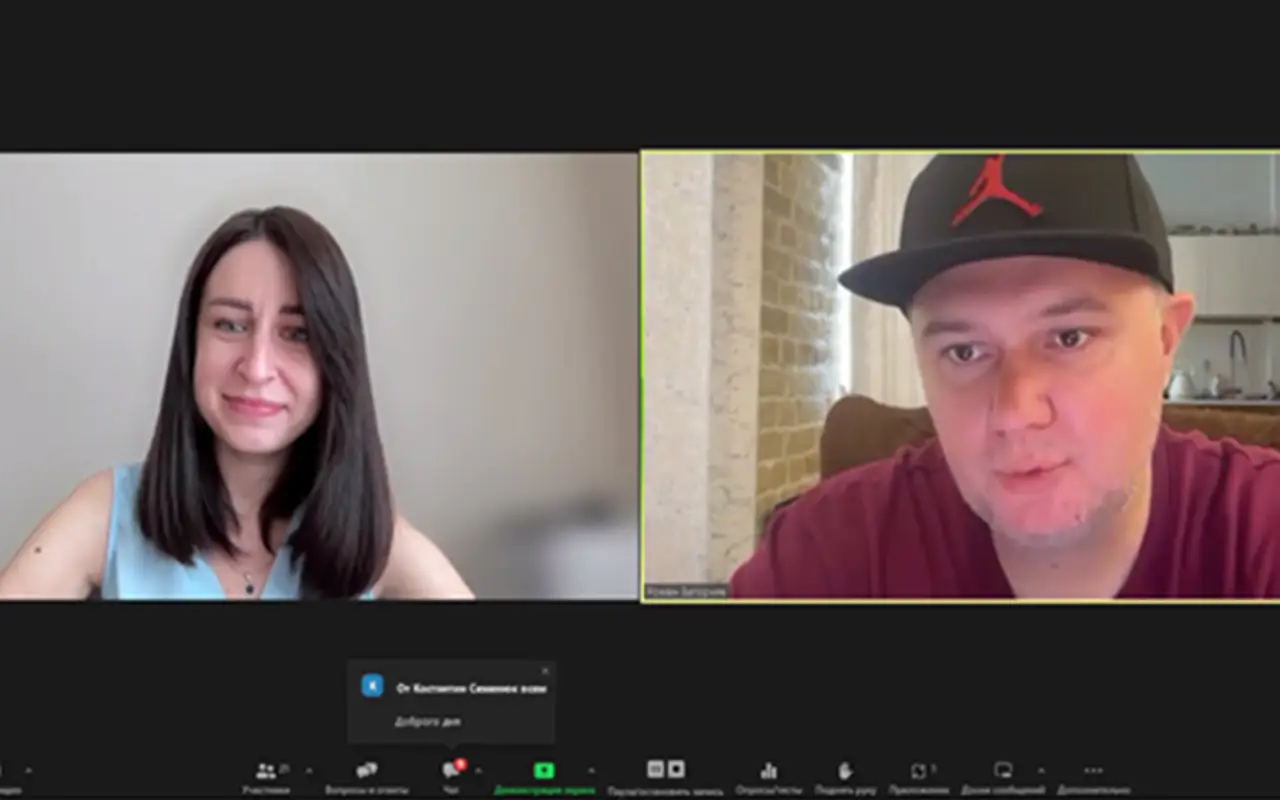
This was discussed during the webinar «The problem client and public conflict: PR-tools for an advocate’s defense», organized by the UNBA NextGen in Kyiv. The event was moderated by the Committee’s regional representative Svitlana Mykhailyk. The speaker was communications specialist Roman Zagornyak.
According to him, a reputational crisis begins when the public has already seen and is spreading negative information. Therefore, before responding, it is necessary to determine whether this involves a single post with a few reactions, or whether the information has already been picked up by the media, Telegram channels, or regional news outlets. A post with three likes, the speaker noted, may not require a response at all. When information is already being disseminated through the media and popular channels, he advised moving to a prepared defense strategy.
If the issue stems from a screenshot taken out of context, a cropped video, or edited audio, the advocate should save the original, the metadata, and the timeline of events to be able to provide verified context. When information is spread by a fake account, the speaker advised verifying this and alerting the audience through official channels.
Roman Zagorniak cautioned against giving hasty responses. First, he advised contacting the media outlet or other information distributor to find out why the material was published. In an example cited during the webinar, following such a dialogue, the media outlet refuted the inaccurate information.
An emotional response, however, given without clarifying the circumstances, can escalate the conflict and worsen the reputational situation. An advocate may also be unaware of all the details that the client has not disclosed. Therefore, before issuing a retraction, the speaker advised first discussing the situation with the information distributor.
Before making a public statement, Roman Zagorniak also recommended seeking several perspectives on the situation. «The opinion of a single individual is just the view of one person with a single way of thinking. A decision that might work today and be correct could backfire twice as badly against you tomorrow in the exact same situation. That’s why I always advocate seeking several opinions before making a public statement and only then forming your own position», - he noted.
The speaker is convinced that one should never act in haste. «The best and simplest advice is to go and talk first. Most issues can be resolved through dialogue», - the communications expert concluded.
© 2026 Unba.org.ua Всі права захищені
"Національна Асоціація Адвокатів України". Передрук та інше використання матеріалів, що розміщені на даному веб-сайті дозволяється за умови посилання на джерело. Інтернет-видання та засоби масової інформації можуть використовувати матеріали сайту, розміщувати відео з офіційного веб-сайту Національної Асоціації Адвокатів України на власних веб-сторінках, за умови гіперпосилання на офіційний веб-сайт Національної Асоціації Адвокатів України. Заборонено передрук та використання матеріалів, у яких міститься посилання на інші інтернет-видання та засоби масової інформації. Матеріали позначені міткою "Реклама", публікуються на правах реклами.