
The Ministry of Defense has taken into account the UNBA's proposals regarding medical commissions for those released from captivity
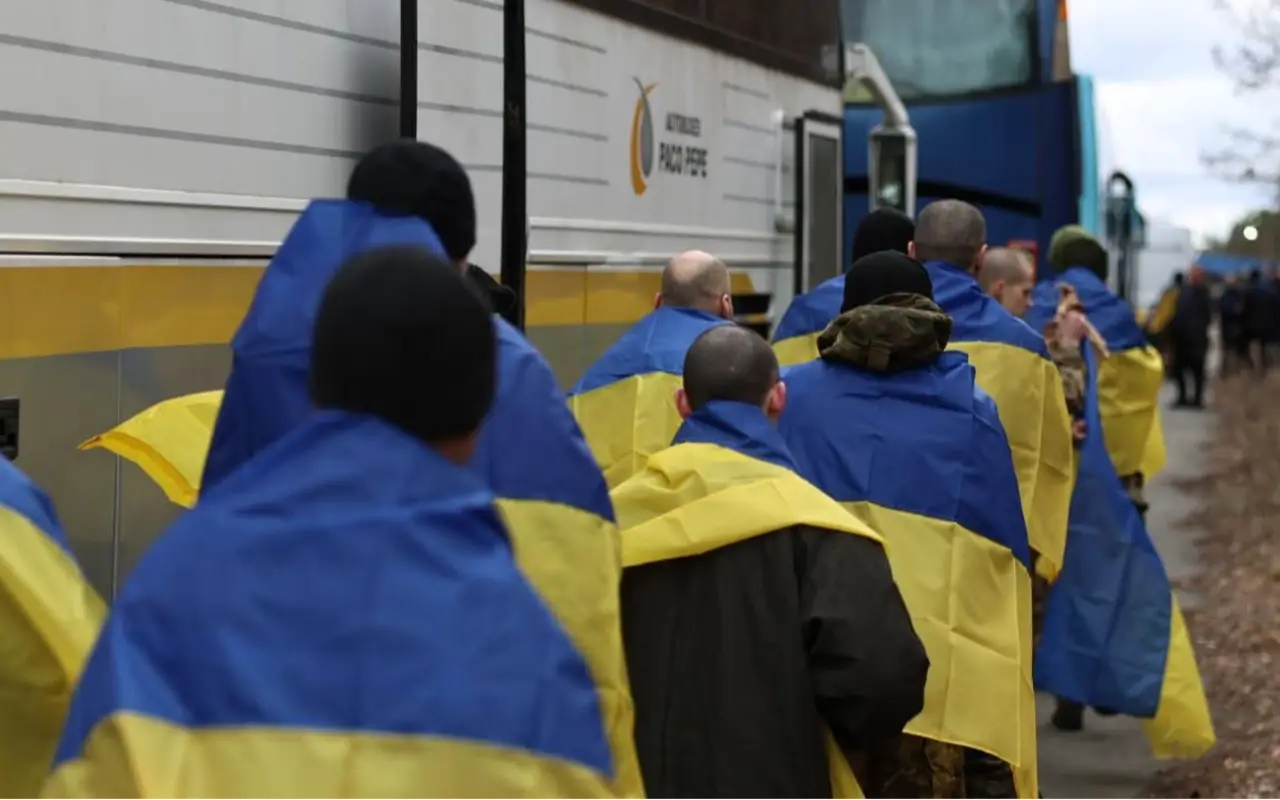
The Ministry of Defense has included in the draft amendments to the procedure for military medical examinations certain proposals from the Ukrainian National Bar Association aimed at simplifying the process of confirming the circumstances of health impairments sustained during captivity and establishing a causal link to the defense of the homeland.
The Ministry of Defense’s Department of Health informed the UNBA of this.
These changes pertain to the Regulations on Military Medical Examination in the Armed Forces of Ukraine, approved by Ministry of Defense Order No. 402 dated August 14, 2008. Proposals to improve this regulatory act were prepared by the UNBA Committee on the protection of victims of armed aggression against Ukraine, compensation mechanisms and European integration legal support for recovery.
An analysis of cases involving individuals released from captivity who were represented by advocates— members of the Committee — revealed that the current Regulations formally allow for linking illnesses to detention, but do not establish a specific evidentiary procedure for this category of individuals. In practice, the Medical Examination Commission (MEC) refuses to establish a causal link, citing the lack of medical documents issued directly during detention, even though it is objectively impossible to obtain them from the aggressor state.
Furthermore, the regulations do not specify a list of alternative evidence or a deadline for the Medical Examination Commission to issue a decision. There is no provision for the mandatory participation of a psychiatrist. There are also no safeguards against repeated denials on the same grounds after a person submits additional materials.
Overall, the UNBA has proposed a broad set of amendments to the Regulations. Specifically, it proposes establishing a 30-day deadline for the Medical Examination Commission to issue a decision in such cases, requiring the participation of a psychiatrist and a representative of the Coordination Headquarters for the Treatment of Prisoners of War, and codifying the list of admissible evidence. This list should include certificates from the Coordination Headquarters and the International Committee of the Red Cross, testimony from individuals who were held in the same place of detention, materials from criminal proceedings under Article 438 of the Criminal Code, and medical documentation prepared after release.
The association also proposed that illnesses arising from or exacerbated by torture, cruel or inhuman treatment, denial of medical care, inadequate conditions of detention, or forced labor be taken into account. Documents establishing a causal link were to be issued to the individual on the day of the medical examination committee hearing.
The Ministry of Defense’s Department of Health reported that the draft partially incorporates the UNBA’s proposals regarding the regulation of the specifics of military medical examinations for individuals released from captivity. In particular, the draft eliminates the requirement to submit a Form 5 certificate detailing the circumstances of the injury.
In addition, the draft provides that the circumstances surrounding the infliction of a wound, concussion, injury, or the onset of an illness may be confirmed by other documents. Among these, the Ministry of Defense cites medical reports and certificates confirming the individual’s captivity. According to the ministry’s assessment, these changes should ensure an objective and well-founded approach to establishing a causal link between health impairments and the defense of the homeland.
According to the Department of Health, the draft order is undergoing a second round of internal review within the Ministry.
The Ministry of Defense also reported that the issues raised in the UNBA’s appeal and the proposals provided will be further taken into account when preparing subsequent amendments to regulatory acts in this area. The Ministry thanked the advocates for their professional stance and confirmed its readiness to continue cooperating with the UNBA.
© 2026 Unba.org.ua Всі права захищені
"Національна Асоціація Адвокатів України". Передрук та інше використання матеріалів, що розміщені на даному веб-сайті дозволяється за умови посилання на джерело. Інтернет-видання та засоби масової інформації можуть використовувати матеріали сайту, розміщувати відео з офіційного веб-сайту Національної Асоціації Адвокатів України на власних веб-сторінках, за умови гіперпосилання на офіційний веб-сайт Національної Асоціації Адвокатів України. Заборонено передрук та використання матеріалів, у яких міститься посилання на інші інтернет-видання та засоби масової інформації. Матеріали позначені міткою "Реклама", публікуються на правах реклами.