
AWOL and disability: a state SBI investigator explains the approach to investigating cases
During an investigation into a military servicemember with a disability who has deserted without authorization, the investigator may take into account medical records, actual treatment, fitness for service, and the intent behind the act.
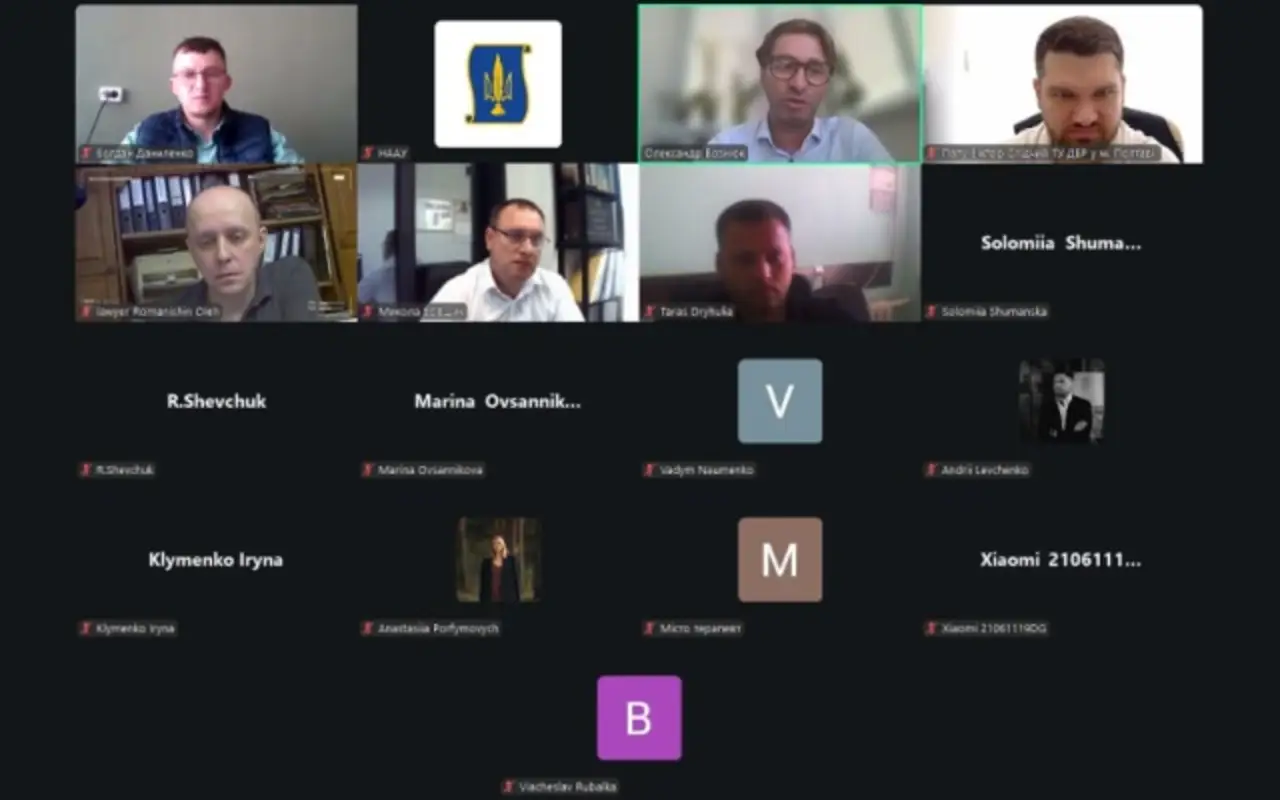
The UNBA Committee on the protection of the rights of persons with disabilities, at the initiative of the human rights union of persons with disabilities and the NGO «DOBROBAT», organized a roundtable discussion titled «How a person with a disability can properly leave AWOL».
The discussion was moderated by the Committee chairman Oleksandr Voznyuk. He noted that problems arise as early as the mobilization stage, when a person’s health status is not properly assessed. Subsequently, instead of training the service member, the training center is forced to organize repeat medical examinations and treatment and in some cases, the center itself initiates discharge on medical grounds.
The mechanism for returning from AWOL does not provide for a separate procedure for service members who have confirmed medical grounds for discharge. This was pointed out by Committee Council member Mykola Boshchyk, who proposed regulating the submission of reports by registered or certified mail with a list of contents, since the current procedure specifies electronic and written forms but does not explicitly regulate the submission of documents via postal services.
A senior investigator with the State Bureau of Investigation’s Poltava Territorial Office Viktor Papu reported that when working with military personnel delivered by the Military Law Enforcement Service, their health status is assessed. If medical documents are available, the investigator may refer the individual to a medical examination commission.
Chronic illnesses and disabilities are also taken into account. After all, the subject of a criminal offense is a military servicemember who is capable, based on their state of health, of performing their duties. If a medical board certificate stating the person’s unfitness for service is attached to the report of AWOL, the entry of information into the Unified Register of Pre-trial Investigations may be denied. Proceedings against individuals unfit for military service are also closed.
In such cases, reports of medical treatment are verified by sending inquiries to the relevant institutions. The mere fact that a person has been admitted for treatment does not automatically trigger an immediate notification of suspicion or a motion for pretrial detention.
Committee member Oleg Romanishyn drew attention to cases of military personnel who were evacuated abroad for treatment but, due to the Medical Examination Commission’s conclusions that there was no need for long-term treatment, may be recorded as having failed to return to their unit. According to a representative of the State Bureau of Investigation, if a person is in fact continuing treatment, this constitutes a valid reason for failure to report for duty and precludes the existence of a criminal offense. However, a conclusion that there is no need for long-term treatment does not address whether the person is fit for military service. In such a situation, the individual should be referred to the Medical Examination Commission to determine their ability to continue service.
If the individual is brought before an investigator, the investigator may issue a referral to the medical examination board, after which the military police escort the servicemember to undergo the examination. The State Bureau of Investigation representative has not encountered the practice of issuing a remote referral to the medical examination board solely at the request of an advocate.
V. Papu did not, in and of itself, consider the submission of a request for discharge due to family circumstances to be a valid reason for failure to report for duty. In his opinion, a service member must report to the unit and await a decision on the request, whereas undergoing medical treatment may prevent their return.
When a request remains unprocessed for a long time, the SBI representative suggested evaluating the servicemember’s intent and purpose. If the individual sought to exercise their right to discharge, there is no intent to evade service. Under such circumstances, he personally would be inclined to close the case.
Based on the results of the discussion, the Committee plans to send participants its proposed solutions to address issues related to AWOL. An expanded meeting involving representatives of relevant agencies may take place as early as late August or early September.
© 2026 Unba.org.ua Всі права захищені
"Національна Асоціація Адвокатів України". Передрук та інше використання матеріалів, що розміщені на даному веб-сайті дозволяється за умови посилання на джерело. Інтернет-видання та засоби масової інформації можуть використовувати матеріали сайту, розміщувати відео з офіційного веб-сайту Національної Асоціації Адвокатів України на власних веб-сторінках, за умови гіперпосилання на офіційний веб-сайт Національної Асоціації Адвокатів України. Заборонено передрук та використання матеріалів, у яких міститься посилання на інші інтернет-видання та засоби масової інформації. Матеріали позначені міткою "Реклама", публікуються на правах реклами.