
Energy, focus and priorities: how an advocate should plan their day
A rigid workday schedule becomes irrelevant when your routine depends on air raid alerts and disrupted sleep caused by nighttime explosions. Under such conditions, advocates should assess the resources they can actually manage.
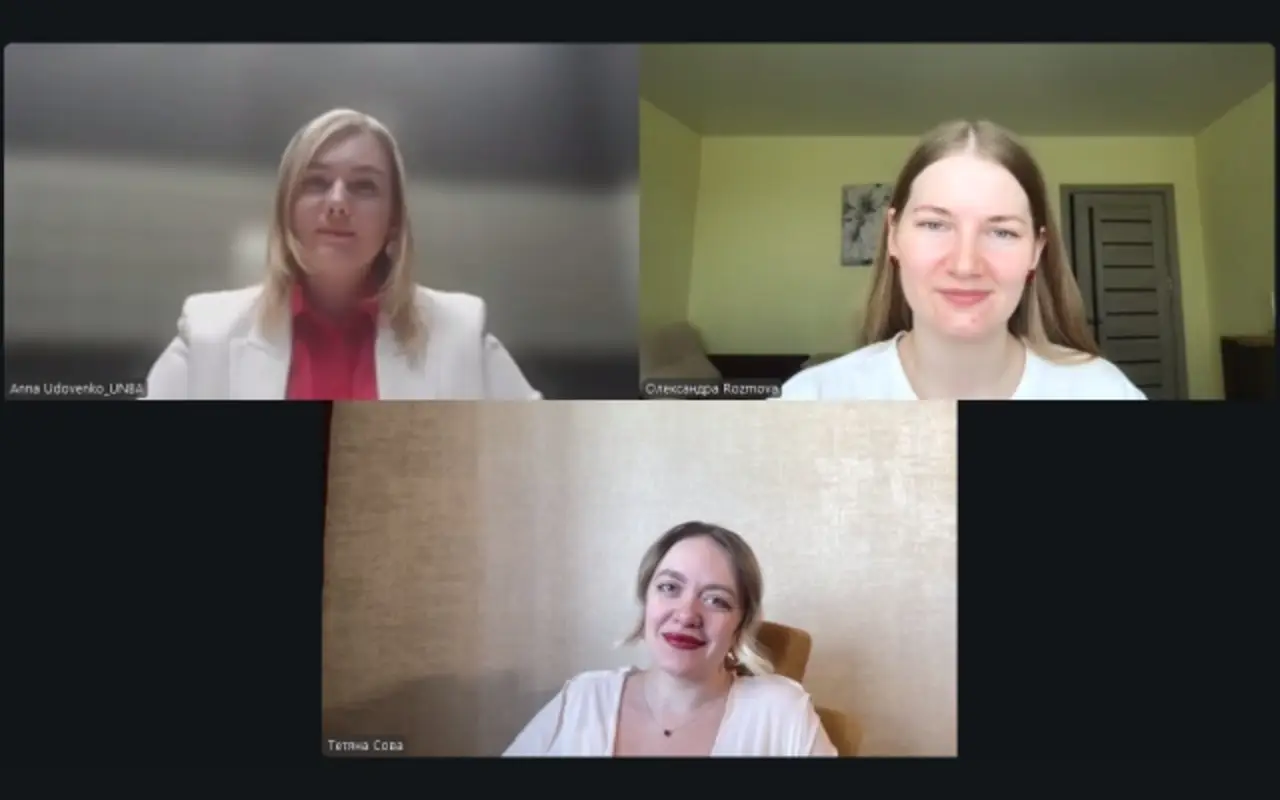
Practical psychologist Tetyana Sova discussed these resources during the webinar «Why time management doesn’t work: how to work effectively without overloading yourself». The event was organized by the Ukrainian National Bar Association with the support of the International Bar Association (IBA).
According to T. Sova, traditional time management is based on the expectation that a person controls their day. In the reality of war, however, schedules are affected by anxiety, the need to take shelter, transportation restrictions, helping others, and sleep deprivation. Because of this, the same plan requires different levels of effort on different days: after a peaceful night, a person has one level of resources; after shelling or only a few hours of sleep, another.
Therefore, the psychologist suggested shifting the focus from controlling time to managing energy, attention and priorities.
Energy determines the level of physical, emotional, and mental strength. Attention is spent on stimuli: messages, calls, emails, and switching between tasks. And the choice of priorities depends on anxiety, the emotional tone of tasks, habits and perceptions of responsibility.
To assess one’s workload, T. Sova proposed an exercise using hypothetical «time hryvnias». At the start of the day, a person imaginarily receives 1,000 units and then assesses the remaining balance and the largest expenditures. Such «transactions” can include a complex task, a trip, daily chores, multitasking, nervous tension, or minor tasks.
It’s also worth identifying activities that restore some of the expended energy. Exercise, watching a movie, or studying can provide «cashback» if they make a person feel better afterward. Some activities, on the other hand, drain energy without producing noticeable results. Conducting this kind of self-assessment throughout the workweek will help you see the true cost of your daily routines.
It’s best to start planning by assessing your physical and emotional state, your chronotype, and the times of day when different types of work come more easily. Next, identify one main task for the day with a specific outcome. To stay motivated, consider what completing it will bring peace of mind, income, respect or praise.
If a task causes anxiety, you can break it down into smaller steps until you arrive at a simple action you can take right now: open your laptop, launch the necessary program, or read a message. The speaker advised tackling tasks that require concentration in blocks: for example, 45 minutes of work followed by a 10-minute break. Deadlines, reminders, and to-do lists should be transferred to calendars, notebooks and notes to free up your memory.
In summary, T. Sova noted that the key issue is the wise use of a limited resource. To do this, you need to protect your attention from unnecessary switching and structure your work into focused blocks.
© 2026 Unba.org.ua Всі права захищені
"Національна Асоціація Адвокатів України". Передрук та інше використання матеріалів, що розміщені на даному веб-сайті дозволяється за умови посилання на джерело. Інтернет-видання та засоби масової інформації можуть використовувати матеріали сайту, розміщувати відео з офіційного веб-сайту Національної Асоціації Адвокатів України на власних веб-сторінках, за умови гіперпосилання на офіційний веб-сайт Національної Асоціації Адвокатів України. Заборонено передрук та використання матеріалів, у яких міститься посилання на інші інтернет-видання та засоби масової інформації. Матеріали позначені міткою "Реклама", публікуються на правах реклами.