
What an advocate should consider when a fee dispute escalates into a complaint to the QDBC
If an advocate files a lawsuit seeking to recover fees from a client, the client may in turn file a complaint with the High Qualification and Disciplinary Commission of the Bar in an effort to compel the advocate to withdraw the lawsuit. How do the advocacy’s disciplinary bodies handle such cases?
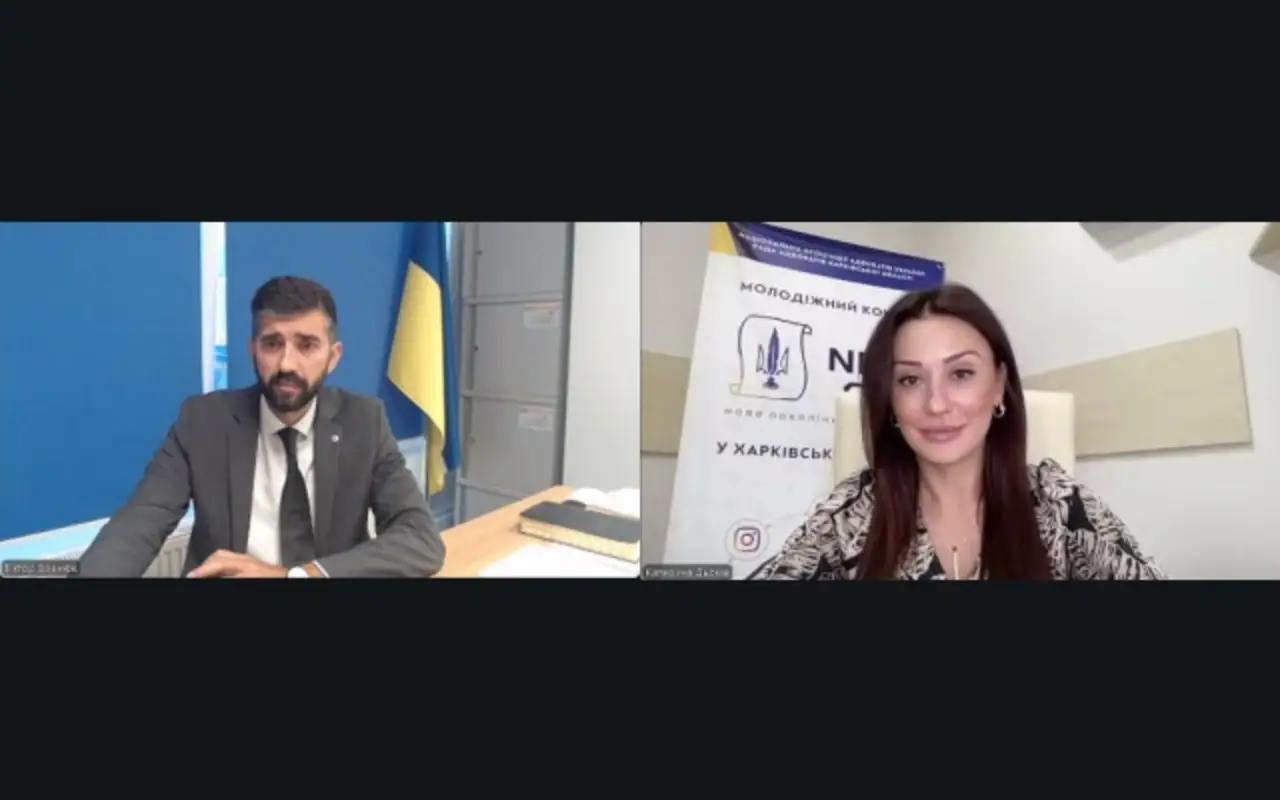
Head of the secretariat of the Higher Qualification and Disciplinary Commission of the Bar Viktor Vovnyuk discussed this during the webinar «Rules of attorney ethics: disciplinary procedures and practice». The event was organized by the UNBA NextGen in the Kharkiv region.
According to V. Vovnyuk, an advocate has the right to file a lawsuit in court to recover their fees. And the use of this legal remedy in and of itself does not constitute a disciplinary offense, although some clients also complain about this. Some clients also justify their complaints by arguing that the inclusion of their personal data in the lawsuit specifically their place of residence and taxpayer identification number constitutes a breach of attorney-client privilege. However, such arguments have not been upheld in disciplinary practice.
At the same time, a client has the right to file a complaint with the QDBC alleging that legal assistance was provided improperly, incompletely or only partially.
The law does not contain any provision that would require the QDBC to suspend disciplinary proceedings due to the existence of a court case. Therefore, the dispute over the collection of fees and the disciplinary proceedings may proceed in parallel. However, an advocate may file a motion to suspend the disciplinary proceedings until a court decision is rendered. The Disciplinary Chamber has the right to grant such a motion; however, the suspension must occur within the time limits established for the relevant stage of the disciplinary proceedings.
Among the typical grounds for clients to file complaints with the QDBC, V. Vovnyuk cited an advocate receiving the full fee without performing the full scope of work, guaranteeing a specific outcome, failing to provide a report, ceasing communication with the client, taking a position contrary to the client’s wishes, and failing to appear at court hearings.
The speaker paid particular attention to the wording of the subject matter of the legal services agreement. For example, if the agreement states «representation of interests in court proceedings», disciplinary bodies may assume that the mandate covered not only the first instance but also the appellate and cassation instances. An advocate’s verbal explanation that the agreement was to work only in the court of first instance may not correspond to the written subject matter of the agreement.
Risks also arise when the agreement contains a general subject matter and does not specify a term of validity. Even several years later, the disciplinary chamber may determine that the agreement remains in effect and that the legal relationship between the advocate and the client has not been terminated.
However, if the advocate has properly provided legal assistance in accordance with the subject matter of the agreement and has reported to the client on the work performed, there is no cause for concern regarding a disciplinary complaint, according to the head of the HQDBC Secretariat.
© 2026 Unba.org.ua Всі права захищені
"Національна Асоціація Адвокатів України". Передрук та інше використання матеріалів, що розміщені на даному веб-сайті дозволяється за умови посилання на джерело. Інтернет-видання та засоби масової інформації можуть використовувати матеріали сайту, розміщувати відео з офіційного веб-сайту Національної Асоціації Адвокатів України на власних веб-сторінках, за умови гіперпосилання на офіційний веб-сайт Національної Асоціації Адвокатів України. Заборонено передрук та використання матеріалів, у яких міститься посилання на інші інтернет-видання та засоби масової інформації. Матеріали позначені міткою "Реклама", публікуються на правах реклами.