
A side effect of the video conference: the judge mistook the sound of a chair for the advocate's response
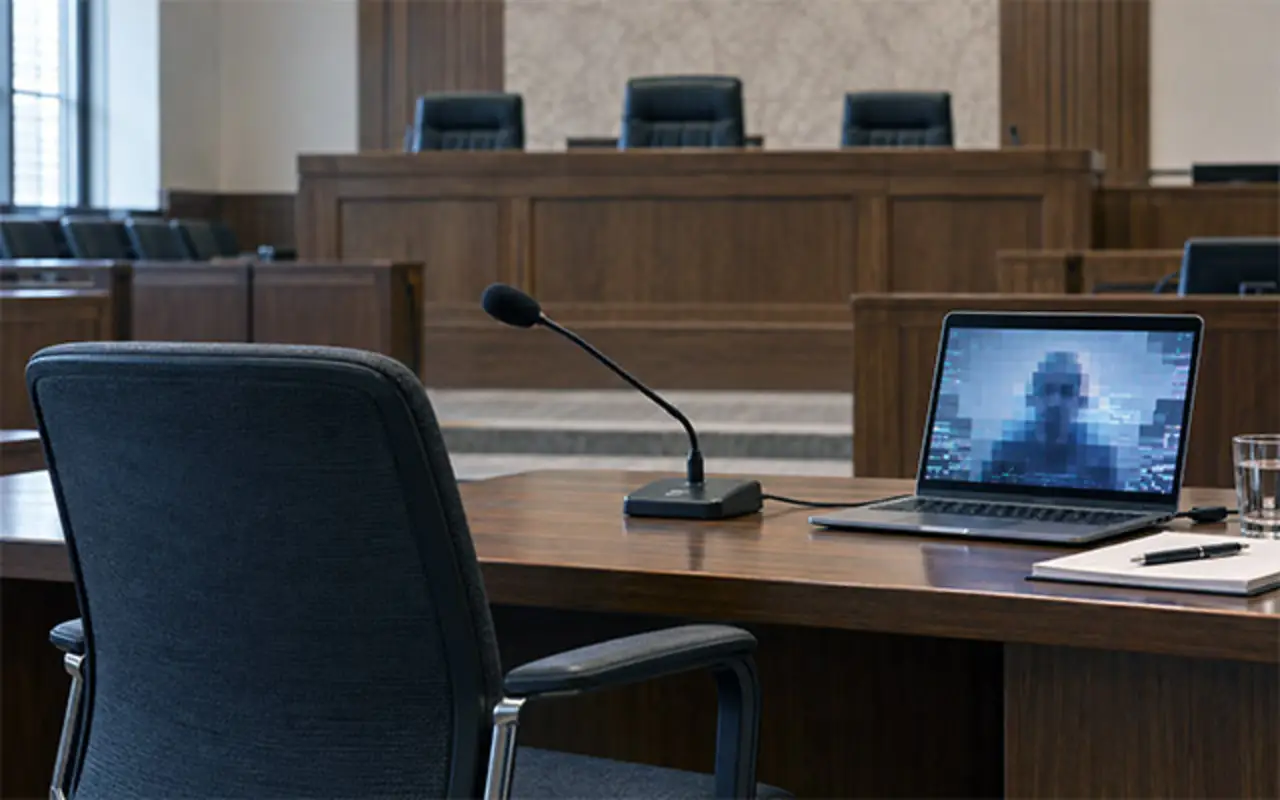
Technology also has its downsides. The High Council of Justice acquitted a judge who failed to hear the advocates during court proceedings in a civil case. One of the arguments presented to the disciplinary body was poor connectivity, the risks of which are borne by the participants.
«Law and Business» reports on the decision of the First Disciplinary Chamber of the High Council of Justice, which denied the advocate’s complaint against the judge.
The advocate noted that, as the defendant’s representative, the presiding judge cut him off in the middle of his second sentence without allowing him to continue his statement, while his colleague was not given the opportunity to express any opinion at all. The judge independently concluded that the advocate was objecting to the claim, stating «You are requesting that the claim be dismissed…» and, without allowing him to say a single word, went into the deliberation room.
According to Article 242 of the Code of Civil Procedure, the parties to the case deliver statements during court proceedings. Each party is allotted an equal amount of time to speak. The duration of court debates is determined by the chairman, taking into account the views of the parties and based on a reasonable amount of time for presenting arguments. The chairman may interrupt a speaker only if the speaker strays beyond the scope of the case under consideration, repeats themselves, or significantly exceeds the time limits set by the court for presenting arguments during court debates.
The advocate also expressed the view that the court hearing transcript had been falsified, since it stated that the advocate had been given the floor during the court proceedings, whereas in reality, the advocate had not been granted such an opportunity.
However, the disciplinary inspector who reviewed the materials formed a different impression. He listened to the recording of the hearing and agreed that the sound of the chair being moved by the advocate after the judge asked whether he objected to the claim could be interpreted as «Yes».
Pursuant to Part 5 of Article 212 of the Code of Civil Procedure, the risks associated with the technical impossibility of participating in a videoconference outside the courtroom, interruptions in the connection, and so on, are borne by the party to the case or their representative who filed the relevant motion, except in cases where the court, after scheduling a hearing or during such a hearing, lost the technical capability to conduct the videoconference.
The judge, for her part, also noted that in the courthouse where she works, only one courtroom is equipped for video conferencing throughout Ukraine. Consequently, the waiting list for its use was quite long. Furthermore, this dispute had already been pending for 16 months, and the parties had every opportunity to present their evidence, which they did. The judge also noted that the appellate court had upheld her decision, merely reducing the amount to be recovered from the defendants.
In light of these circumstances, the disciplinary inspector proposed that the judge not be held disciplinarily liable, a proposal that was unanimously supported by the members of the chamber.
© 2026 Unba.org.ua Всі права захищені
"Національна Асоціація Адвокатів України". Передрук та інше використання матеріалів, що розміщені на даному веб-сайті дозволяється за умови посилання на джерело. Інтернет-видання та засоби масової інформації можуть використовувати матеріали сайту, розміщувати відео з офіційного веб-сайту Національної Асоціації Адвокатів України на власних веб-сторінках, за умови гіперпосилання на офіційний веб-сайт Національної Асоціації Адвокатів України. Заборонено передрук та використання матеріалів, у яких міститься посилання на інші інтернет-видання та засоби масової інформації. Матеріали позначені міткою "Реклама", публікуються на правах реклами.