
In Klaipeda participants discussed the interaction between advocates and forensic experts
Today, the parties to criminal proceedings have unequal financial and organizational resources. The prosecution has unrestricted access to state-funded expert institutions. The defense must independently engage experts on a contractual basis, which entails costs for the client.
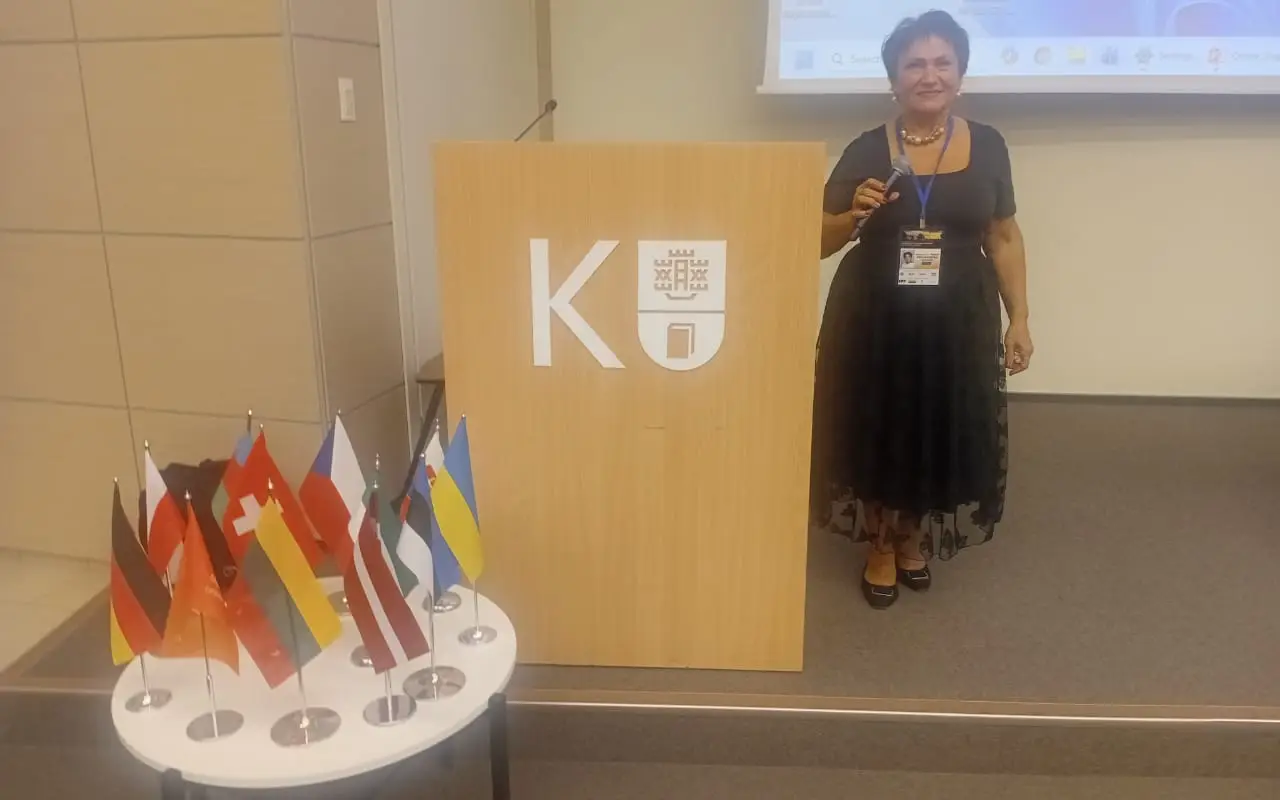
Chairman of the UNBA Committee on expert support for legal practice Violleta Fedchyshyna drew attention to this systemic problem during the XXII International congress «Criminalistics and forensic expertise: science, research, practice», held in Klaipeda (Lithuania). She presented a report titled «Interaction between advocates and forensic experts in Ukraine under martial law: legal, procedural and practical aspects».
According to V. Fedchyshyna, a particular obstacle is the restriction of access to case materials. When organizing an out-of-court expert examination, an advocate often faces a refusal by the investigator or the court to grant the expert engaged by the advocate access to case materials, physical evidence, or the crime scene. During martial law, the situation is further complicated by security and military restrictions.
To address these issues, V. Fedchyshyna proposed enacting a provision that would require the investigating judge or the court to grant the expert engaged by the advocate unimpeded access to physical evidence and objects of examination on an equal footing with state expert institutions.
Another proposal concerned regulating the review of expert reports and the procedural status of scientific experts. It would be appropriate to include in the procedural codes the right of an advocate to engage a specialist to provide a scientific and methodological opinion — a review regarding compliance with established methodologies during the conduct of an expert examination by the opposing party.
Citing the experience of Canada and the USA, the speaker also proposed legally regulating the procedure for a preliminary review hearing. Before an expert opinion is admitted into the case file, such a hearing should verify, in particular, its scientific validity and the absence of bias. Another possible mechanism is the simultaneous examination of several experts in the form of a scientific discussion presided over by a judge.
According to V. Fedchyshyna’s proposal, it would also be worthwhile to establish a statutory provision for a pretrial meeting of experts, following the example of England. The parties’ experts could draft a joint statement distinguishing between agreed-upon and disputed issues. This would significantly reduce the duration of court proceedings.
According to the chairman of the relevant Committee of the UNBA, the existing model of interaction between advocates and forensic experts requires a thorough doctrinal and procedural rethinking. Ensuring genuine adversarial proceedings requires the creation of a comprehensive system of safeguards, quality control of scientific evidence, and the harmonization of procedures.
© 2026 Unba.org.ua Всі права захищені
"Національна Асоціація Адвокатів України". Передрук та інше використання матеріалів, що розміщені на даному веб-сайті дозволяється за умови посилання на джерело. Інтернет-видання та засоби масової інформації можуть використовувати матеріали сайту, розміщувати відео з офіційного веб-сайту Національної Асоціації Адвокатів України на власних веб-сторінках, за умови гіперпосилання на офіційний веб-сайт Національної Асоціації Адвокатів України. Заборонено передрук та використання матеріалів, у яких міститься посилання на інші інтернет-видання та засоби масової інформації. Матеріали позначені міткою "Реклама", публікуються на правах реклами.