
A screenshot isn't enough: how to preserve digital evidence so the court will consider it
How can you preserve a web page or a chat history in a messaging app so that a court will accept them as evidence? Can you cite a response from artificial intelligence? And under what conditions will a court recognize a Viber message as valid and admissible evidence?
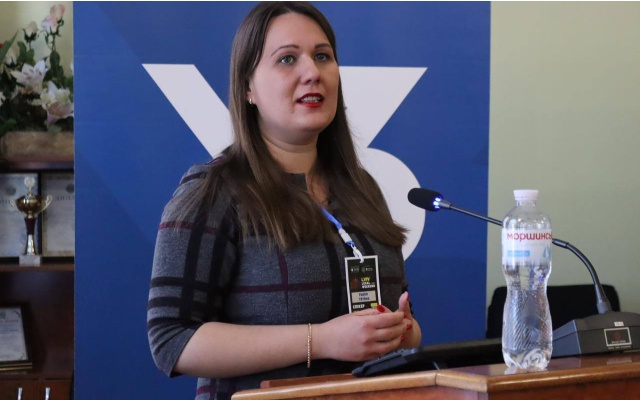
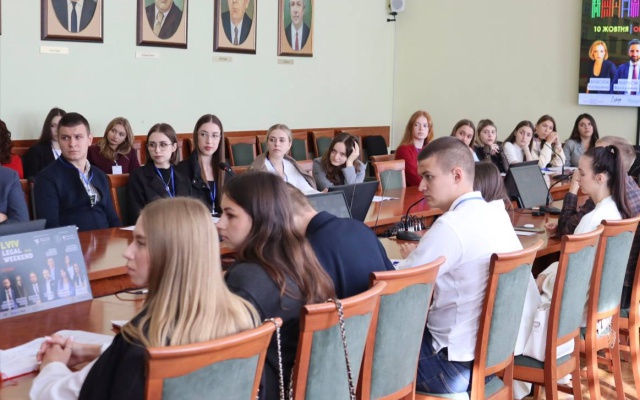
These questions were addressed by deputy chairman of the UNBA Committee on E-justice Tetyana Rabko in her presentation titled «Electronic evidence in legal disputes and its evaluation by the court». She spoke at Lviv Legal Weekend 2026 — an event for law students, young lawyers and advocates, held on October 10, 2026, in Lviv by the Council of Young Lawyers of Ukraine and the Lviv University of Trade and Economics.
T. Rabko noted that electronic evidence consists of digital data relevant to a case: electronic documents, photos, video and audio recordings, web pages, text, multimedia, and voice messages, as well as entries in registries and databases. The speaker also drew attention to metadata — information about the time of creation, geolocation, author, and IP address. She identified this metadata as the key to confirming the authenticity of the evidence.
Regarding the submission of electronic evidence through the «Electronic Court» subsystem, the advocate explained that attached files are signed with the user’s digital signature along with the main document created in the system. The maximum size of a single attached file is 5 GB. The system accepts images, audio and video files, documents in PDF and Word formats, as well as ZIP archives, including those containing documents that have already been signed with a digital signature.
To save a web page as evidence, T. Rabko advised recording its full URL and the exact system time, describing the content of the publication in detail, and saving a screenshot. In the case of messaging app correspondence, it is necessary to identify the other party by their profile, number, ID, and avatar; export the chat history with all attachments; and ensure that system date and time stamps are visible in screenshots.
The speaker recommended documenting the results of this process in an inspection report. This report should describe the technical tools used, the software, IP addresses, and the procedure followed, as well as the method for ensuring data integrity. According to her, such a document can be drafted by an advocate or a notary. This is not a mandatory procedure for documenting electronic evidence. At the same time, it should be kept in mind that the court always evaluates electronic evidence comprehensively alongside other evidence in the case.
Separately, T. Rabko cautioned against placing excessive trust in artificial intelligence when preparing procedural documents. AI responses do not constitute evidence within the meaning of procedural law and cannot replace an expert opinion, she noted.
In her review of case law, the speaker cited the position of the Grand Chamber of the Supreme Court from its ruling dated June 21, 2023, in Case No. 916/3027/21: notifications with attachments sent via email or messaging apps constitute electronic evidence, which the court evaluates in accordance with Article 86 of the Code of Civil Procedure based on its internal conviction, in conjunction with other evidence.
The advocate also drew attention to the «reply letter» doctrine, which the Supreme Court sitting as a panel of judges of the Commercial Court of Cassation applied in its ruling dated August 3, 2022, in Case No. 910/5408/21. If it is proven that a letter or message was sent to a specific person, the message that serves as a reply to it is considered authentic without additional evidence: it is unlikely that anyone else would have received the letter and replied to it, given its content.
T. Rabko cited the ruling of the Civil Cassation Court of the Supreme Court dated January 9, 2026, in Case No. 751/4083/24. The court concluded that the exchange of messages on Viber cannot be evaluated in isolation; however, when considered in conjunction with other evidence, it constitutes proper and admissible proof of a message sent by an employee — provided that the recipient, the content of the message, and the dates of sending and receipt can be identified.
Earlier, T. Rabko analyzed how courts evaluate messaging app correspondence as evidence, discussed the admissibility of electronic evidence and the reasons why courts reject it, explained why artificial intelligence remains only an auxiliary tool in the preparation of procedural documents and examined court decisions regarding a lawyer’s obligation to verify the results of AI-generated work.
© 2026 Unba.org.ua Всі права захищені
"Національна Асоціація Адвокатів України". Передрук та інше використання матеріалів, що розміщені на даному веб-сайті дозволяється за умови посилання на джерело. Інтернет-видання та засоби масової інформації можуть використовувати матеріали сайту, розміщувати відео з офіційного веб-сайту Національної Асоціації Адвокатів України на власних веб-сторінках, за умови гіперпосилання на офіційний веб-сайт Національної Асоціації Адвокатів України. Заборонено передрук та використання матеріалів, у яких міститься посилання на інші інтернет-видання та засоби масової інформації. Матеріали позначені міткою "Реклама", публікуються на правах реклами.