
Future lawyers were told when a lawyer's request loses its validity
One of the key tools of legal practice — the attorney’s inquiry — is backed by a provision in the Code of Administrative Offenses: an official who ignores such an inquiry faces a fine. However, this safeguard is effective only when a violation is addressed and results in punishment.
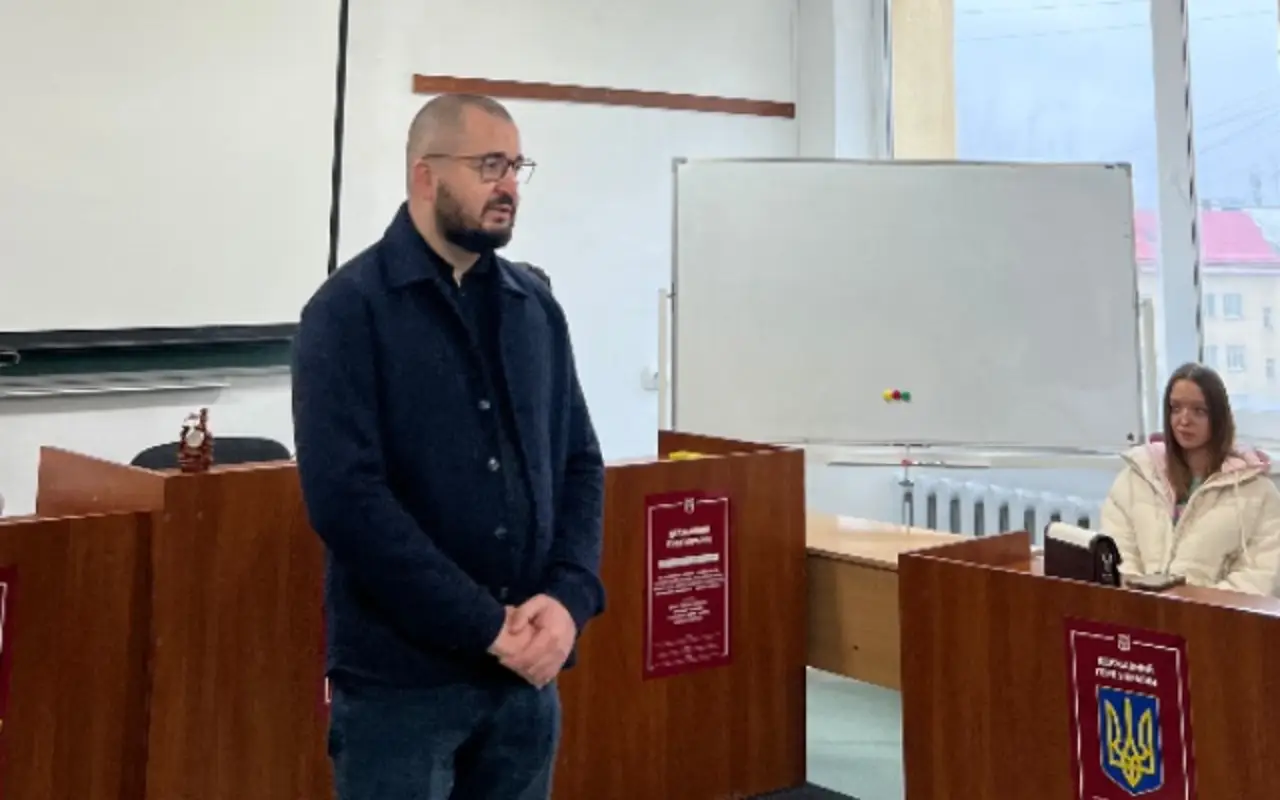
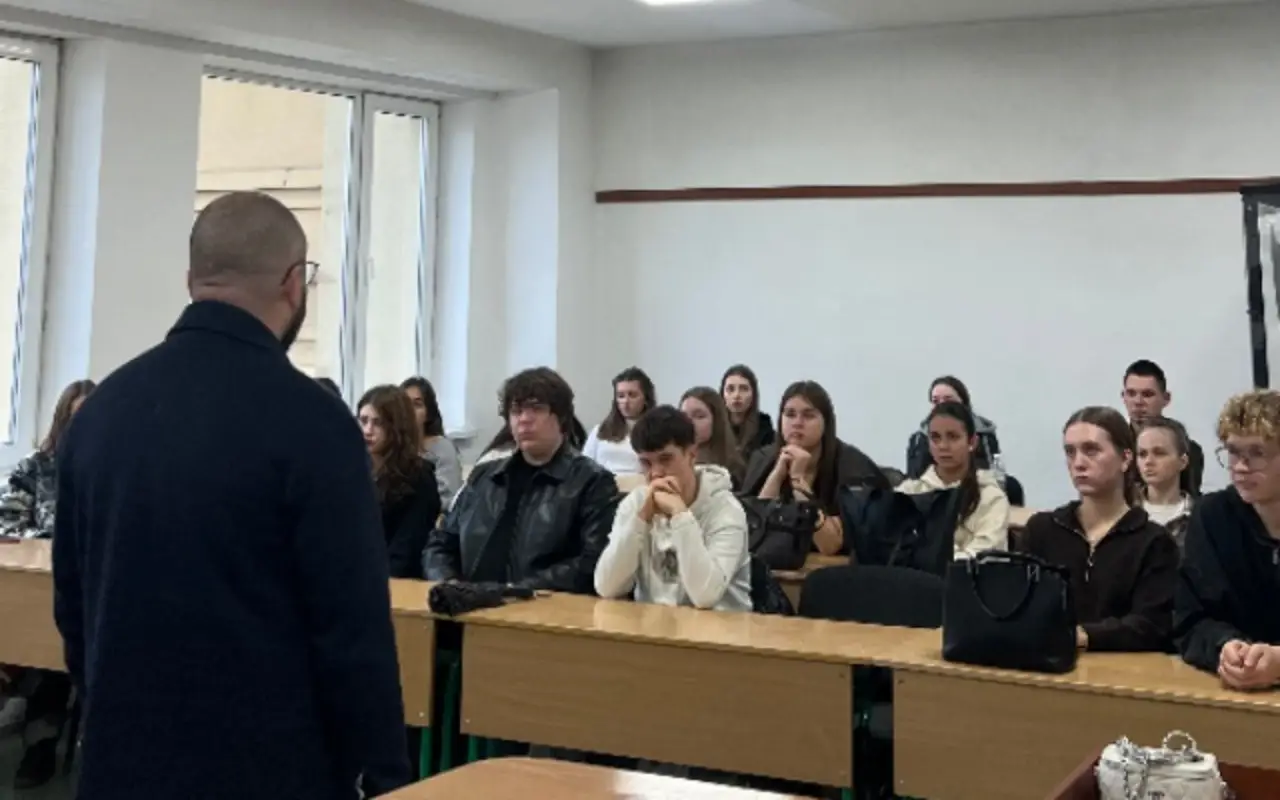
A member of the UNBA Committee on the prevention of administrative offenses, committed against advocates, Nazar Sayuk spoke about this to first-year law students at King Danylo University. The session, titled «Advocacy in the modern world», took place on October 27 as part of the course «Rhetoric and language culture for lawyers». It was led by the speaker together with an associate professor in the Department of law named after Academician of the Ukrainian Academy of Sciences Father Ivan Lutsky Oleksandr Zagursky.
The advocate spoke to students about working under martial law, access to the profession, the activities of bar associations, and the role of bar self-governing bodies in protecting attorneys’ rights. Given the course’s focus, particular attention was paid to persuasive argumentation and the clear articulation of legal positions.
N. Sayuk devoted a significant portion of the session to the professional safeguards of the legal practice. He identified the advocate’s request as one of the primary tools at an advocate’s disposal, through which one can obtain the information and documents necessary to provide legal assistance to a client.
An unlawful refusal to provide information, the untimely or incomplete provision of information, as well as the provision of false information in response to a request, constitutes an administrative offense under Part 5 of Article 212-3 of the Code of Administrative Offenses. An official faces a fine for this.
The speaker noted that the bar association is authorized to draw up reports on such offenses. Pursuant to paragraph 9-1 of Part 1 of Article 255 of the Code of Administrative Offenses, this authority rests with the chairman of the regional bar association or a member of the council authorized by the council. At the same time, according to the advocate, in practice, those at fault often evade liability, particularly due to gaps and conflicts in the legislation.
N. Sayuk explained that every instance of impunity reinforces officials’ belief that they do not have to respond to an advocate’s request. This makes it difficult for advocates to access the documents necessary to defend their clients and ultimately undermines the authority of advocacy.
The speaker believes that the situation can be changed through the joint efforts of advocates and bar self-governing bodies, by eliminating legislative conflicts and ensuring the inevitability of punishment. «It is important not only to document violations but also to bring every case to its logical conclusion — the actual punishment of those responsible. This is the only way to guarantee respect for advocates’ rights and, consequently, an adequate level of legal protection for citizens», - emphasized N. Sayuk.
Earlier, the UNBA announced that it was preparing recommendations regarding advocates’ requests and amendments to the Code of Administrative Offenses, which are intended to ensure that those who fail to provide information are held accountable. Committee chairman Yuriy Hryhorenko explained how the Committee will assist regional bar associations, while Committee secretary Yevhen Ivanchenko analyzed common mistakes in advocates’ requests.
© 2026 Unba.org.ua Всі права захищені
"Національна Асоціація Адвокатів України". Передрук та інше використання матеріалів, що розміщені на даному веб-сайті дозволяється за умови посилання на джерело. Інтернет-видання та засоби масової інформації можуть використовувати матеріали сайту, розміщувати відео з офіційного веб-сайту Національної Асоціації Адвокатів України на власних веб-сторінках, за умови гіперпосилання на офіційний веб-сайт Національної Асоціації Адвокатів України. Заборонено передрук та використання матеріалів, у яких міститься посилання на інші інтернет-видання та засоби масової інформації. Матеріали позначені міткою "Реклама", публікуються на правах реклами.