
Why did the HACC accept evidence from a confidential attorney, while the QDCB revoked his license?
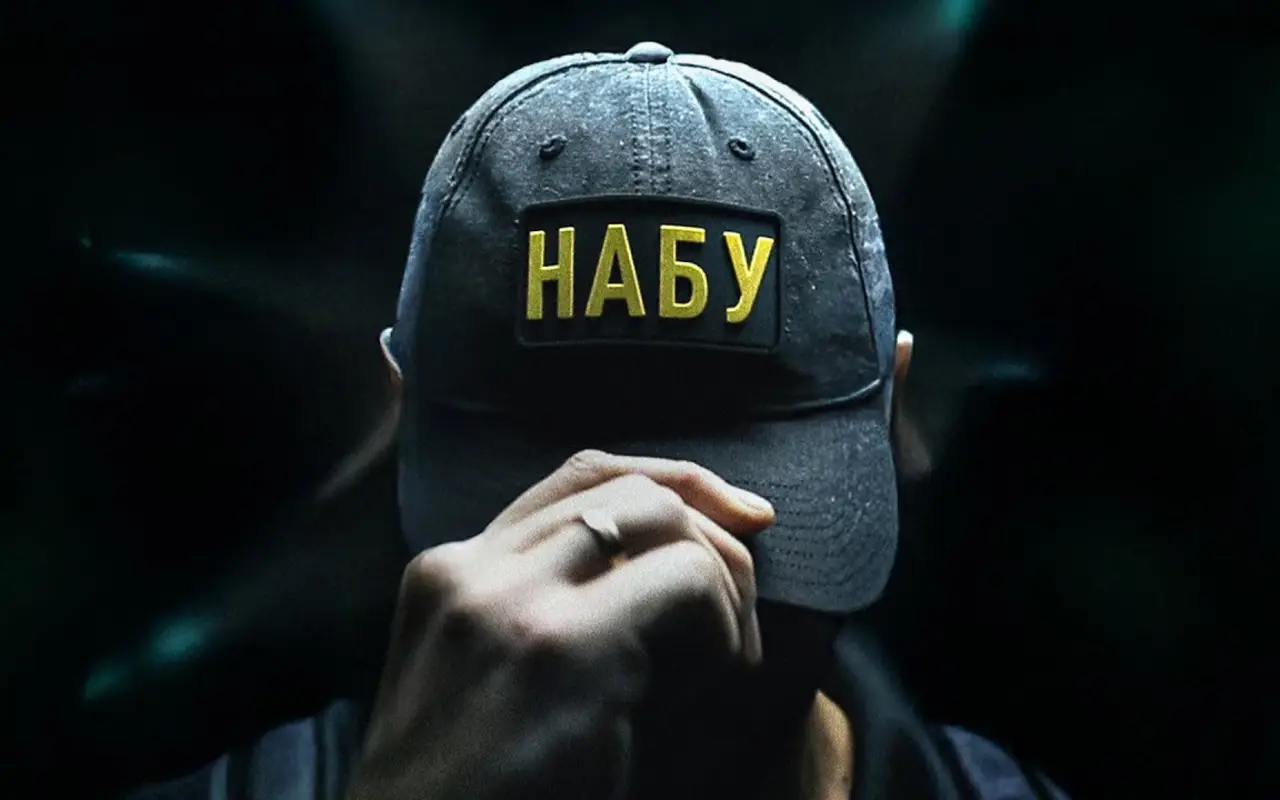
The High Anti-Corruption Court convicted a former judge of receiving $4,000 in improper benefits from a lawyer acting under the supervision of the National Anti-Corruption Bureau of Ukraine (NABU). However, the court found no violations of the Code of Criminal Procedure in the involvement of the defense attorney in the covert operation. The Bar Association took a different view: the lawyer was disbarred.
The High Anti-Corruption Court’s ruling of October 26, 2026, in Case No. 991/579/21 was published in the Unified State Register of Court Decisions.
In late 2019, the attorney took on the case of a client charged under Part 2 of Article 369-2 (abuse of influence) of the Criminal Code. The case was heard by a judge of the Dzerzhinsky District Court of Kharkiv. The attorney discovered that no seizure order had been issued for the more than $31,000 seized from the client during a search and filed a motion for its return. In exchange for granting this motion, the judge asked the attorney for $4,000.
In its verdict, the High Anti-Corruption Court found it proven that the judge had asked the attorney for $4,000 in exchange for granting this motion. According to the attorney’s testimony, he informed his client of this, received the client’s permission to disclose attorney-client privilege, and filed a report with the SBU, which then forwarded the materials to the NABU. Subsequent meetings between the attorney and the judge were recorded during covert investigative operations.
As the court established, on May 27, 2020, while in the deliberation room, the judge received from the attorney, in a backroom of the courthouse, money provided by the NABU, and then granted the motion. That same day, during a search of her office, she handed the funds over to the detectives but claimed they were unrelated to the case. The following day, the judge was served with a notice of suspicion under Part 3 of Article 368 (Acceptance of an offer, promise, or receipt of an unlawful benefit by a public official) of the Criminal Code. Subsequently, the indictment was forwarded to the HACC.
The judge’s defense argued that Part 2 of Article 275 of the Code of Criminal Procedure prohibits involving attorneys in confidential cooperation. However, the HACC interpreted this prohibition narrowly: it applies only when the cooperation involves the disclosure of confidential professional information. The attorney and the client denied in court that any confidential information had been disclosed, and the case file does not confirm this. Therefore, the evidence is admissible. The judge also claimed that the attorney had provoked her, but the HACC ruled in its verdict that his conduct was permissible.
Ultimately, the judge was sentenced to 8 years of imprisonment with confiscation of property and was taken into custody in the courtroom (the verdict has not yet become final and may be appealed to the Appeals Chamber of the HACC).
The Bar Association’s position on such situations is also well-known. Article 23 of the Law «On the advocacy and the practice of law» prohibits engaging a lawyer in confidential cooperation if it involves the disclosure of attorney-client privilege or could lead to such disclosure. The Ukrainian Bar Association, in Resolution No. 123 dated November 15, 2019, deemed such cooperation inadmissible even with the client’s consent.
For the attorney, the story ended differently. In February 2021, after the notice of suspicion had already been issued, the judge filed a complaint against him with the Odesa Regional Qualification and Disciplinary Bar Commission. The judge accused the attorney of confidential collaboration, as well as of providing legal representation without proper authority: the agreement was allegedly signed on behalf of a sole proprietor and was limited to a different stage of the proceedings and a different court. In May 2021, the Qualification and Disciplinary Bar Commission stripped the attorney of his right to practice law.
The Higher Qualification and Disciplinary Bar Commission, by decision No. IX-008/2021 dated September 30, 2021, upheld the regional QDCB’s decision. The Commission specifically noted that a lawyer’s confidential cooperation with law enforcement agencies inevitably calls into question his independence when performing procedural actions in the proceedings. The HQDCB also found that the lack of authority to defend the client had been established. The attorney himself admitted that he acted knowingly and would have done the same.
«The court hearing a criminal case and the legal profession evaluate an attorney’s actions from different perspectives: for the former, the legality of the evidence matters; for the latter, the guarantees of the profession. In the criminal proceedings against the Kharkiv judge, the HACC was effectively assessing the admissibility of the evidence: whether it was obtained lawfully and whether the defendant’s rights had been violated. Therefore, the decisive factor for the court was that attorney-client privilege had not, in fact, been breached, - commented chairman of the UNBA Committee on legal practice Bogdan Kushnir on the situation. - At the same time, the legal profession defends the guarantees of legal practice. Therefore, the BCU quite rightly proceeds from the premise that the very fact of covert cooperation with law enforcement agencies poses a threat to these guarantees. A defense attorney who acts on the instructions of the investigation loses their independence, even if they did not disclose any confidential information».
It should be noted that the Supreme Court, in another case (No. 520/1285/2020, ruling dated November 30, 2022), upheld this approach: a lawyer who reported a crime and then participated in covert investigative activities is no longer merely a whistleblower but also a confidant.
© 2026 Unba.org.ua Всі права захищені
"Національна Асоціація Адвокатів України". Передрук та інше використання матеріалів, що розміщені на даному веб-сайті дозволяється за умови посилання на джерело. Інтернет-видання та засоби масової інформації можуть використовувати матеріали сайту, розміщувати відео з офіційного веб-сайту Національної Асоціації Адвокатів України на власних веб-сторінках, за умови гіперпосилання на офіційний веб-сайт Національної Асоціації Адвокатів України. Заборонено передрук та використання матеріалів, у яких міститься посилання на інші інтернет-видання та засоби масової інформації. Матеріали позначені міткою "Реклама", публікуються на правах реклами.