
Not every eloquent phrase is persuasive: how an advocate should choose a speaking style
Rhetorical techniques are effective when they are tailored to the audience, the situation, and the purpose of the speech. Therefore, before speaking, an advocate should determine what message the court, client, or audience needs to hear and remember, and then choose the appropriate structure, examples, quotes and tone.
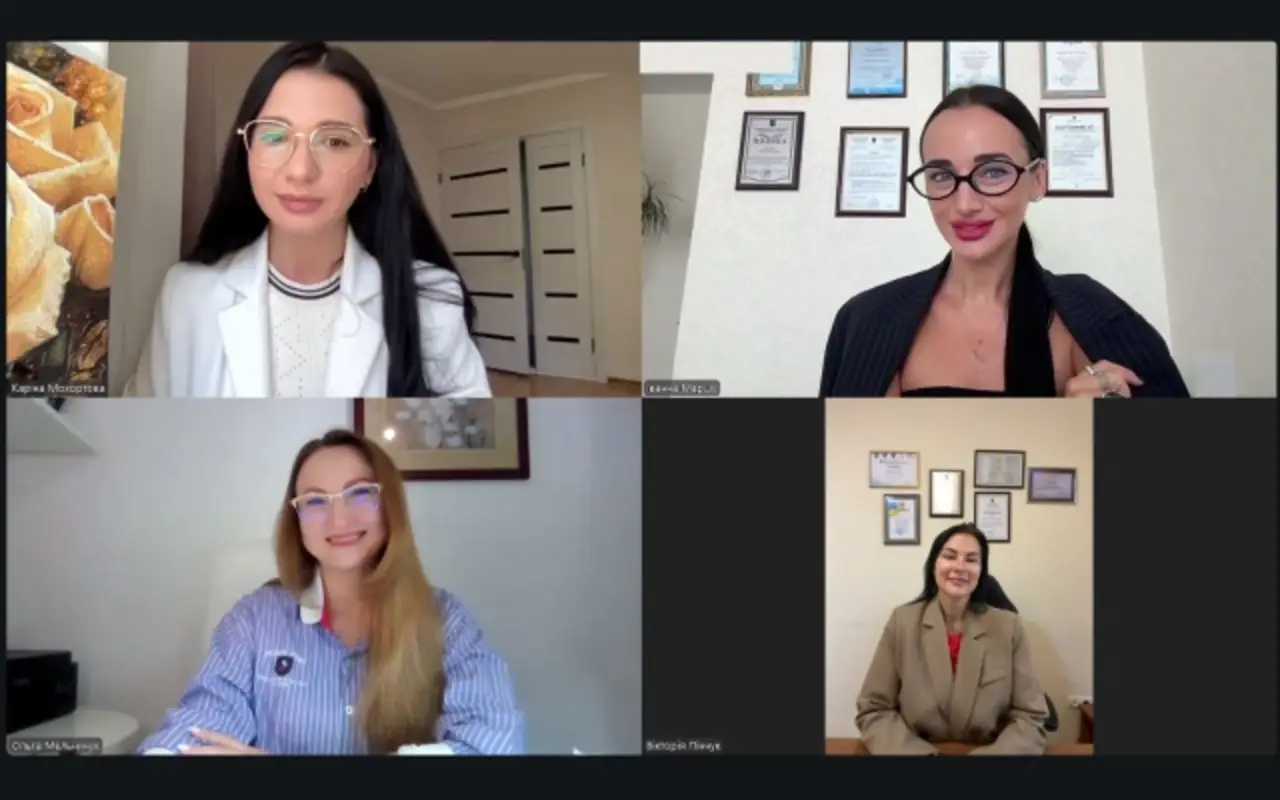
Young advocates were trained in public speaking skills during a thematic webinar organized by the UNBA NextGen in the Odesa region. The speaker was doctor of law, professor at Odesa National Economic University and instructor in public Olga Melnychuk speaking and modern public speaking formats.
According to her, the manner of presentation depends on the context. A business style is appropriate for professional communication, whereas a lecture for students may include conversational elements. The composition of the audience, its age and profession, as well as the purpose of the communication, are all important. «Any speech requires an analysis of the audience and a specific style. We must understand where we are in court or in front of an audience and who that audience is, their age, profession, and the purpose of the speech. It must be appropriate», - the speaker noted.
The beginning of a speech is particularly important. In the first few seconds, the listener decides whether to stay engaged. «For example, you might say «Your Honor, allow me to briefly outline the circumstances of this case» — and then proceed to explain them. Or you could say «Your Honor, there is one circumstance in this case that changes the assessment of the entire dispute». Which phrase do you think will grab their attention?», - O. Melnichuk asked. Therefore, a speech can begin with a specific fact, a figure, a contradiction, or a circumstance that changes the assessment of the dispute.
A quote, story, or illustrative example must correspond to the purpose of the speech. During the discussion, a case from judicial practice was cited in which, in the participant’s opinion, quoting poetry did not correspond to the substance of the proceedings. According to O. Melnychuk, a quote should be used in a courtroom speech only when it clearly reinforces the legal position in the case
When a speaker is interrupted and asked to move on to their conclusions, they may become flustered by the need to condense their planned remarks into just a few minutes. In such a situation, the scholar advises asking oneself: «What do I want him or her to understand?». According to her, this mental exercise helps structure one’s thoughts.
The content of a speech is supported by intonation. O. Melnychuk suggested repeating the same phrase while changing the intonational stress each time. According to her, this exercise demonstrates how intonation affects the meaning and the way information is conveyed.
The scholar emphasized that public speaking skills can be acquired provided there is a clear goal and consistent practice. The classes themselves will not yield results if a person does not apply the recommendations received.
Previously, UNBA NextGen speakers discussed how to prepare a courtroom speech, what influences a client’s trust in their advocate and how female advocates should respond to stereotypical accusations.
© 2026 Unba.org.ua Всі права захищені
"Національна Асоціація Адвокатів України". Передрук та інше використання матеріалів, що розміщені на даному веб-сайті дозволяється за умови посилання на джерело. Інтернет-видання та засоби масової інформації можуть використовувати матеріали сайту, розміщувати відео з офіційного веб-сайту Національної Асоціації Адвокатів України на власних веб-сторінках, за умови гіперпосилання на офіційний веб-сайт Національної Асоціації Адвокатів України. Заборонено передрук та використання матеріалів, у яких міститься посилання на інші інтернет-видання та засоби масової інформації. Матеріали позначені міткою "Реклама", публікуються на правах реклами.