


Eye contact, a pause and the phone: what influences a client’s trust in an advocate
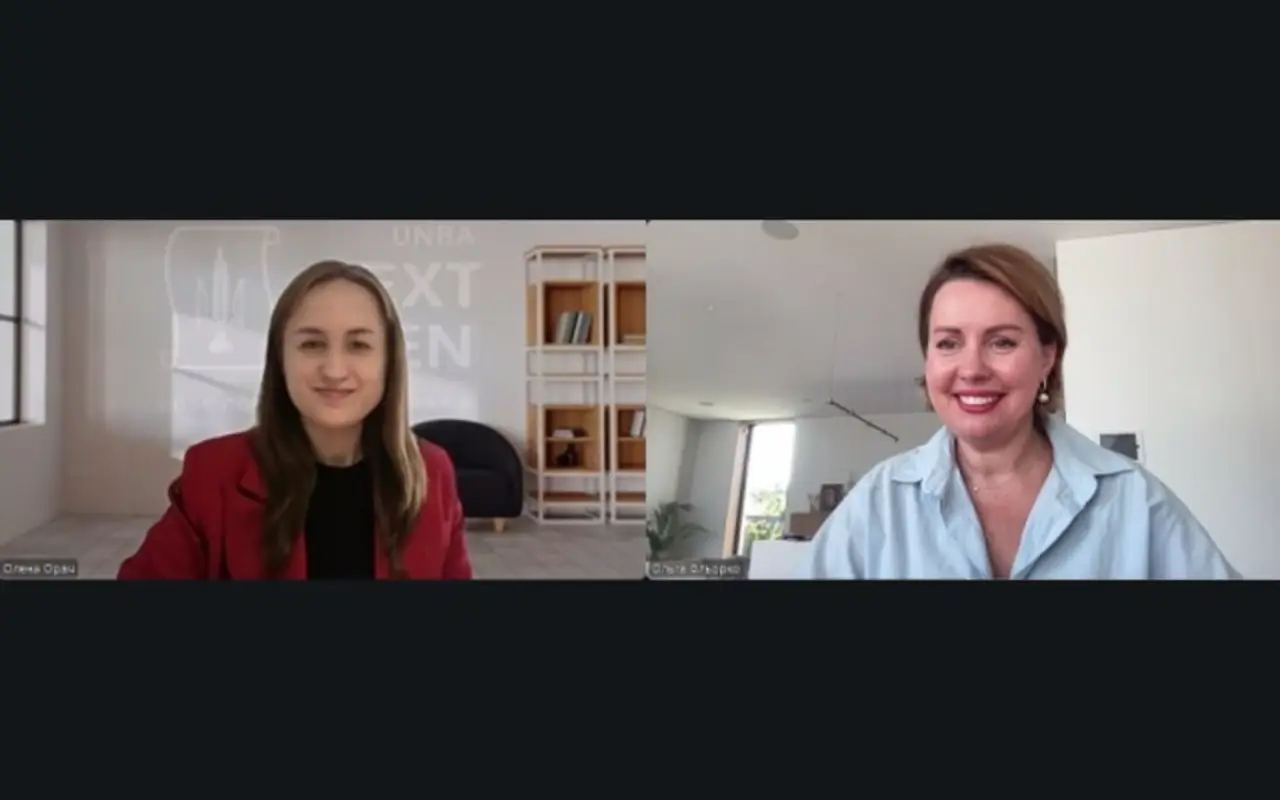
Glancing at a phone during a consultation, fidgeting, slumped shoulders, and speaking too quickly can give a client the impression that you are insecure or inattentive. To maintain a professional rapport, an advocate should be mindful of nonverbal cues, slow down their speech, and give the other person time to process what they’ve heard.
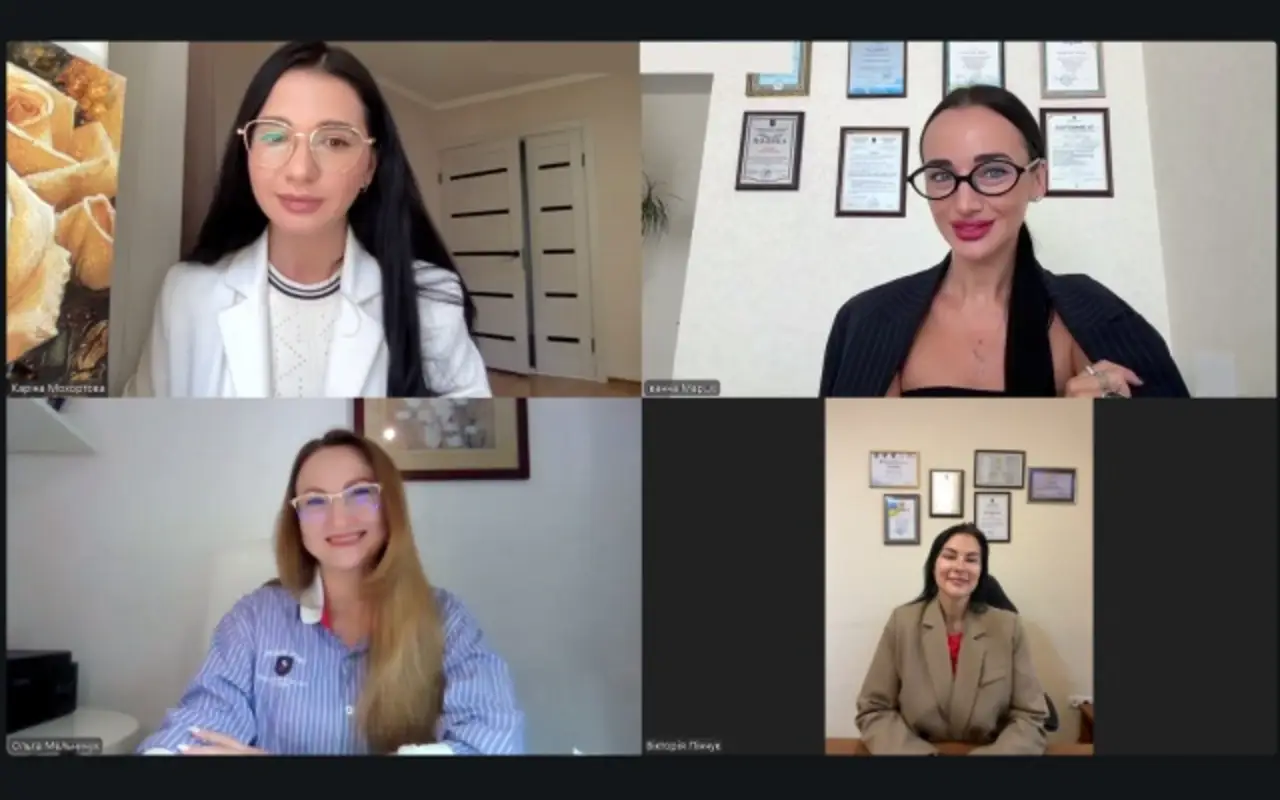
This topic was discussed during the webinar «An advocate’s image as a tool for professional trust: how appearance influences personal branding», organized by the UNBA NextGen in the Lviv region. The speaker was stylist and image consultant Olga Fliorko.
«Your body is your most valuable accessory. Even the perfect suit stops working if your body language says otherwise, because it speaks louder than words», - she noted. If a person speaks with confidence but slumps their shoulders, looks down, or constantly fidgets with their hands, the client is more likely to focus on these signals than on what is being said.
According to the expert, looking down can be perceived as a lack of confidence or a reluctance to make eye contact, so one’s gaze should be open and calm. At the same time, while thinking about a response, it’s acceptable to look away briefly.
Separately, O. Fliorko drew attention to the use of a phone during a meeting. If an advocate is distracted by the screen, the client may perceive this as a lack of respect. During negotiations, it’s best to put your phone on silent or set it aside, and to warn the client in advance about any potential urgent calls. «This way, you’ll show the client respect and make it clear that, at that moment, they are more important to you than other matters», - the image consultant explained.
Internal tension can be revealed by your hands: twirling a pen, touching your watch, adjusting your jacket, or playing with a ring. Calm hands, according to the speaker, are a sign of self-control.
How an advocate sits during a meeting also matters. Calm, unhurried movements create a sense of stability, whereas slumping into a chair, searching for a comfortable position or excessive fidgeting can signal inner tension.
Another factor is the pace of speech. Trying to speak without pauses does not help convey more information: the listener does not have time to process it and may leave the meeting feeling overwhelmed. Therefore, O. Fliorko advised speaking more slowly, clearly and using pauses.
According to the expert, nonverbal habits can be gradually corrected if you notice them and consciously control them. To get an outside perspective, she also advised asking a close friend or family member to describe your communication style in two or three words: this can reveal movements or habits that you yourself don’t notice.
«Style is the ability to say everything about yourself without uttering a single word. The moment you walk in, you’re already conveying who you are and how people will treat you. Body language and your movements work the same way», - concluded O. Fliorko.
Popular news
Legislation
A bill implementing the Convention on the Protection of the Professions of Lawyer has been introduced
The constitutional guarantees of legal aid, defense, and the independence of advocacy cannot be realized without protecting advocates from unwarranted interference in their professional activities, including searches, the seizure of professional materials and the use of criminal procedural mechanisms to exert pressure.
Abroad
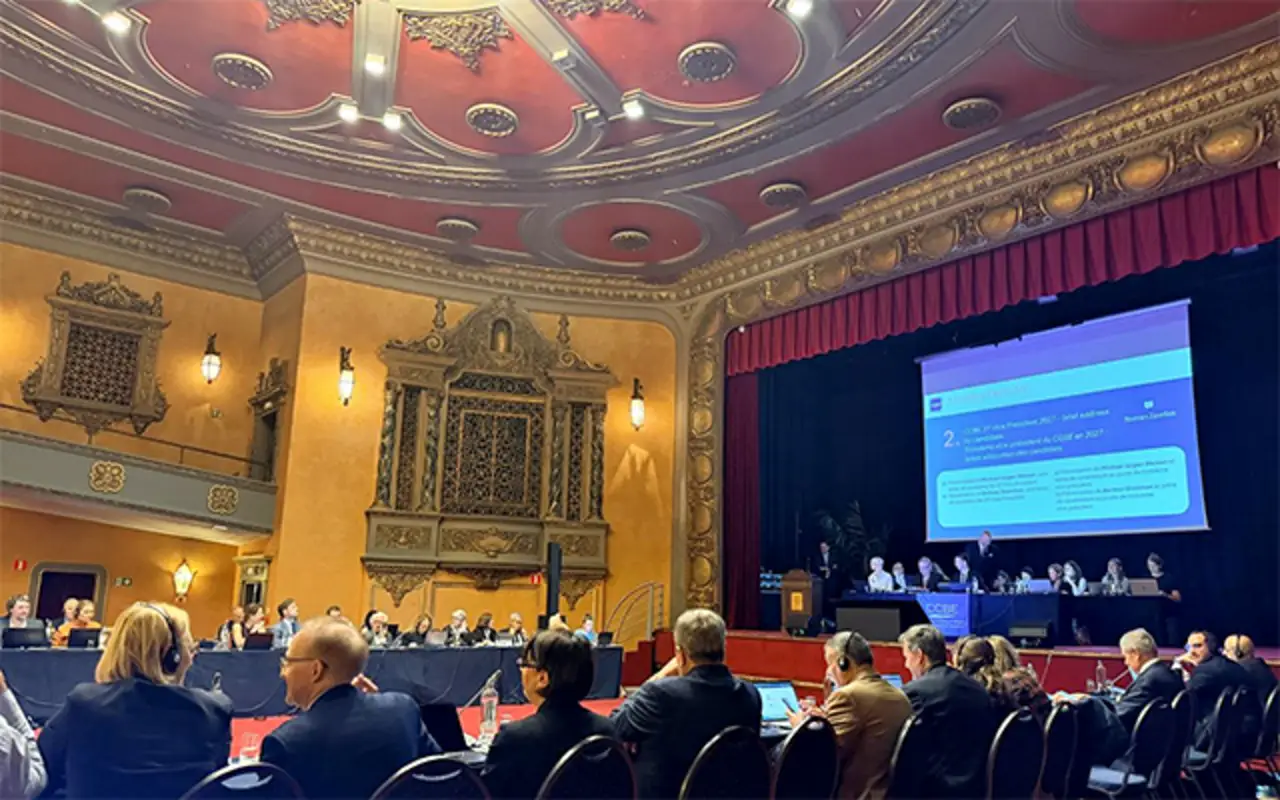
The CCBE is discussing European justice and issues related to the protection of advocates
Today, October 2, a meeting of the Standing Committee of the Council of Bars and Law Societies of Europe (CCBE) is taking place in Brussels. On the agenda are the protection of the advocate profession, the rule of law, attorney-client privilege, and changes in the European justice system.
Rule of Law Roadmap
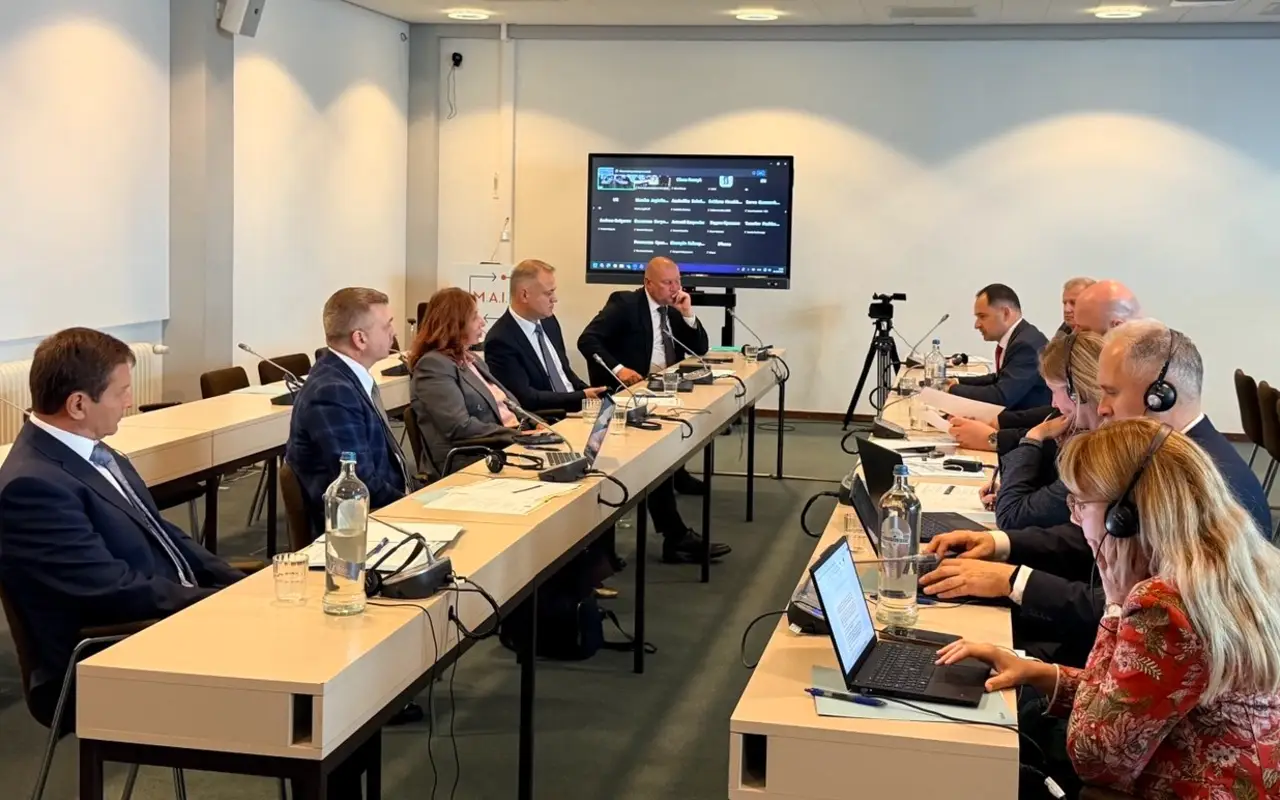
The UNBA presented the key provisions of the future law on advocacy in Brussels
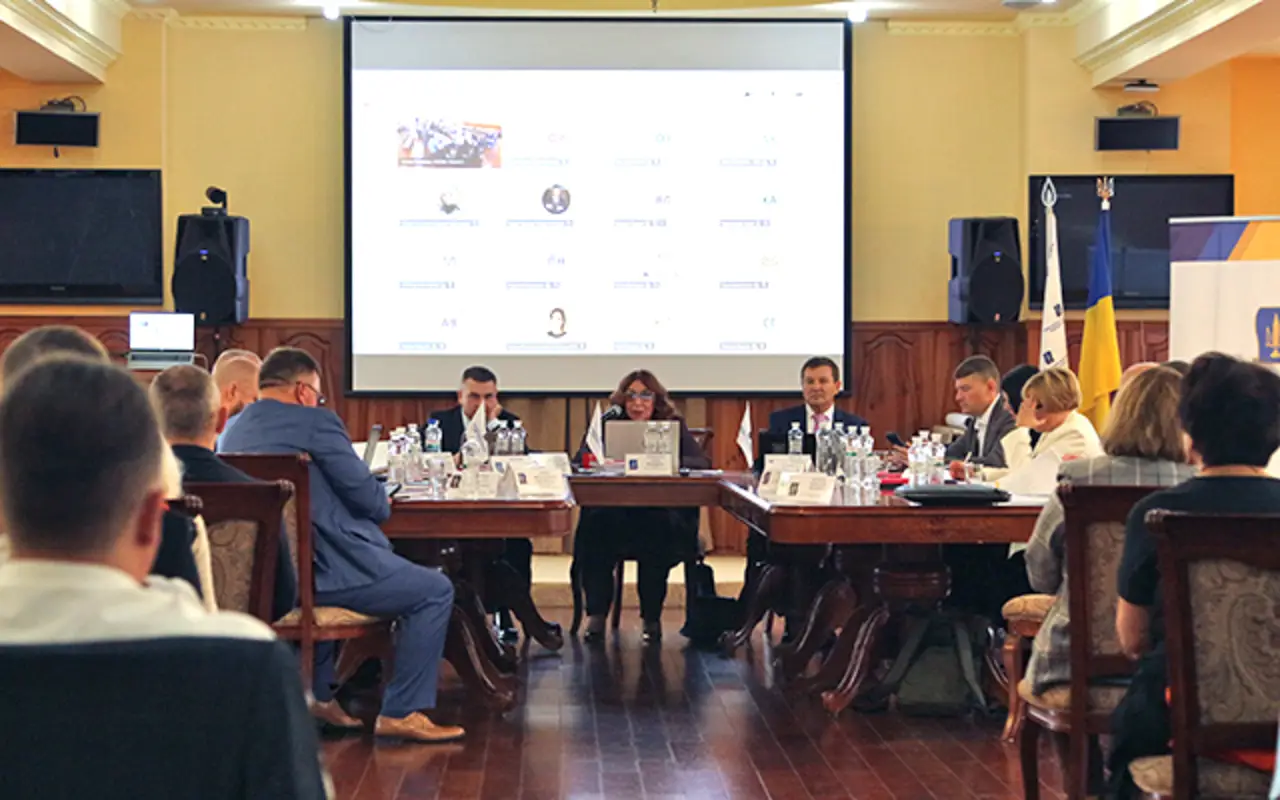
The Ukrainian National Bar Association presented its proposals for the upcoming law on advocacy, aligned with the Rule of Law Roadmap. The presentation covered topics such as access to the profession, self-governance, disciplinary procedures, professional development and guarantees for the practice of advocacy.
Guarantees of the practice of law
Independent oversight is necessary before using CISA materials against an advocate – Lidiya Izovitova
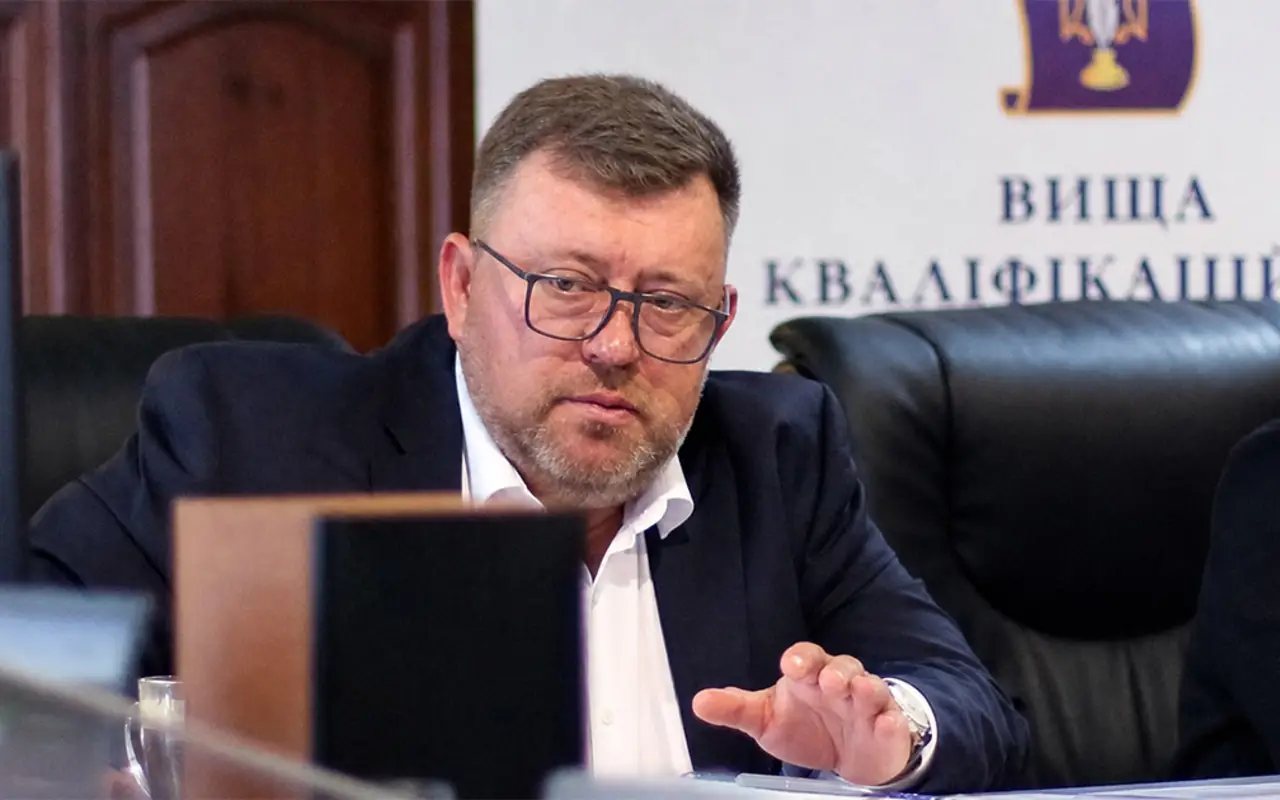
Before the prosecution uses information obtained during covert investigative actions and related to an advocate’s activities, independent procedural oversight must be conducted. It is necessary to determine whether such information is covered by attorney-client privilege and whether it may be disclosed.
Self-government
Efforts to develop advocacy must be brought to fruition — A. Misyats
The Ukrainian advocacy profession is currently going through a critical phase. Amid the war, it must ensure the continuity of legal aid, defend the independence of the profession, and improve qualification and disciplinary procedures in accordance with European standards. The work that has been started must be brought to a practical conclusion.
Support
Protecting the legal profession, cybersecurity and support for advocates: common themes for the IBA and the UNBA
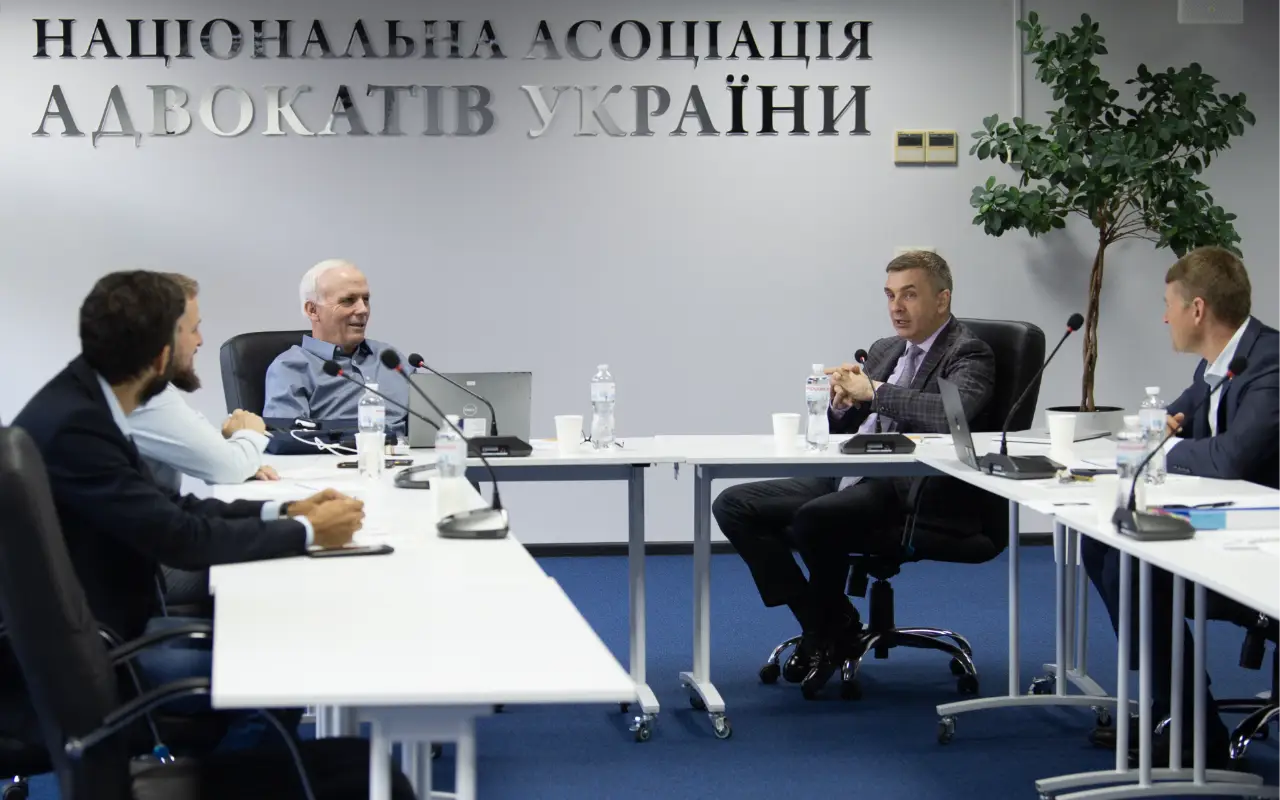
On September 18, a working meeting was held at the office of the Ukrainian National Bar Association with Executive Director of the International Bar Association (IBA) Mark Ellis. The parties discussed the Ukrainian advocacy profession’s participation in European legal processes, the protection of the UNBA’s digital infrastructure, psychological support for advocates and future areas of cooperation.
Educational events
Not every eloquent phrase is persuasive: how an advocate should choose a speaking style
Rhetorical techniques are effective when they are tailored to the audience, the situation, and the purpose of the speech. Therefore, before speaking, an advocate should determine what message the court, client, or audience needs to hear and remember, and then choose the appropriate structure, examples, quotes and tone.
Educational events
Tax residency of Ukrainians abroad: what matters
The determination of tax residency for Ukrainians who have been living abroad for an extended period depends on the combination of their personal and economic ties to each country. The established status determines the procedure for reporting income, paying taxes and fulfilling CFC reporting obligations.
Publications

Vasyl Kolishnyi, «Law and Business» Supporting mental health should become part of the professional culture of the Bar, - H. Udovenko

Volodymyr Matsko Extradition during wartime: when the risks outweigh the request

Volodymyr Matsko Extradition as a systemic form of rights violations

Victoria Yakusha, Law and Business The anti-corruption vertical cannot «take care» of the Bar as an institution, - acting head of the HQDCB

Censor.net Protecting advocates – protecting justice: addressing concerns about the new law

Ihor Kolesnykov A BRIEF SUMMARY REGARDING THE APPLICATION OF THE ORDER ON EXTENDED CONFISCATION IN LATVIA REGARDING FINANCIAL ASSETS OF…

Valentyn Gvozdiy WORKING IN A WAR ZONE

Lydia Izovitova Formula of perfection