






UNBA representatives informed the PACE members about attempts to derogate from European standards in the bar reform

On October 10-11 the UNBA delegation held a series of meetings in Strasbourg during the fourth part of PACE’s regular session. The meetings were devoted to the process of preparation of the amendments to the Law “On the Bar and Practice of Law”, from which the UNBA was purposely excluded as an official representative of the bar community.
In particular, meetings were held in the Committee of Legal Affairs and Human Rights, and the issue of non-transparency of the Ukrainian bar reform was discussed with members of the Permanent Delegation of Ukraine to the PACE and the ECHR judges.
The UNBA delegation informed about attempts to adopt a draft law on amendments to the specialized law, prepared under the auspices of the Judicial Reform Council without taking into account the position and real needs of the bar. At the same time, the initiators of the draft law have actually deprived the bar community of the opportunity to get acquainted with the contents of this document before it is submitted to the Verkhovna Rada.
During the meetings the UNBA representatives emphasized that the effective Law “On the Bar and Practice of Law” was adopted in 2012. Pursuant to the aforementioned and in compliance with Ukraine’s obligations to the Council of Europe, this Law provided for establishment of a single professional bar organization in Ukraine (paragraph 11 of Opinion No. 190(1995) of the Parliamentary Assembly of the Council of Europe on Ukraine’s accession to the Council of Europe dated September 26, 1995).
Ukraine has thereby fulfilled one of its major commitments to join the Council of Europe, the need for implementation of which has been repeatedly emphasized in the resolutions of the Parliamentary Assembly of the Council of Europe, in particular, in paragraph 10 of Resolution 1346 (2003) of the Parliamentary Assembly of the Council of Europe “Implementation of its Duties and Obligations by Ukraine” dated September 29, 2003; in subparagraph 7.3.6 of paragraph 7.3 of Resolution 1755 (2010) of the Parliamentary Assembly of the Council of Europe “Functioning of Democratic Institutions in Ukraine” dated October 4, 2010. The effective Law “On the Bar and Practice of Law” was also evaluated by the Venice Commission for compliance with the CoE standards, and when it was adopted by the Ukrainian Parliament all the comments made at that time were taken into account.
Pursuant to this Law, for the first time in the modern history of Ukraine, an independent system of bar self-government bodies was built, consisting of advocates only. According to the international standards, a single non-governmental bar association plays an important role in maintaining professional and ethical standards, protecting its members from persecution and unwarranted restrictions and encroachments, as provided for in the “Basic Principles on the Role of Lawyers” adopted by the VIII United Nations Congress on the Prevention of Crime and the Treatment of Offenders in August 1990.
Thus, the system of bar self-government bodies in Ukraine was created in full compliance with the recommendations of international partners and key international principles of the legal profession. There is no real need to amend the effective Law in terms of organization of the bar self-government bodies. Therefore, such attempts to intervene with the bar self-government - by adopting amendments to the Law - will not only destroy this system, but also remove Ukraine of the international norms of law and democracy.
Ukrainian advocates have emphasized that the number of violations of their professional rights is increasing. Thus, the reform of the relevant legislation should primarily concern the strengthening of the advocates’ professional rights and guarantees and the responsibility for their violations.
UNBA expresses its gratitude to the PACE Vice President, MP, advocate Georgiy Logvinskiy for his assistance in organizing the dialogue and expressed support in favor of the independence of the bar institute.Popular news

Legislation
The UNBA explained what could undermine the plan to introduce plea agreements
Information regarding who pays whom, how much, and on what grounds under a plea agreement must be made public. However, as long as this information is classified as a state secret or personal data, the court will continue to be able to close proceedings and restrict access to judgments.
Interaction
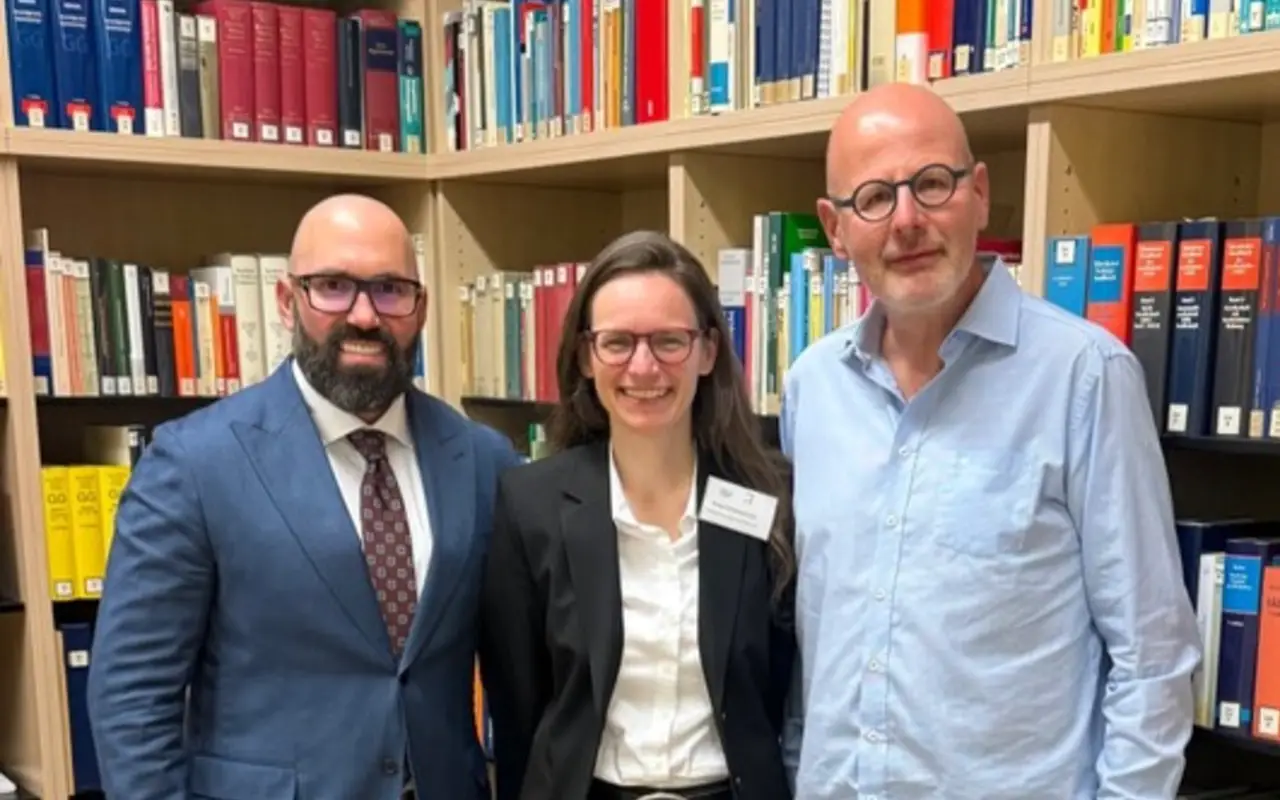
The UNBA and the German Institute for Eastern Law will prepare joint legal opinions
Ukrainian advocates and German legal scholars will jointly prepare comparative legal studies, expert opinions, and professional events. The UNBA reached this agreement with the Institute for Eastern European Law in Regensburg, which has been researching the laws of Central and Eastern European countries for nearly 70 years.
Legislation
Proceedings against military personnel following AWOL require clear deadlines — UNBA
A soldier’s return to duty after AWOL does not necessarily mean the end of criminal proceedings. To ensure that the case does not remain at the pretrial investigation stage, a clear procedure for the investigator and prosecutor is required.
Educational events
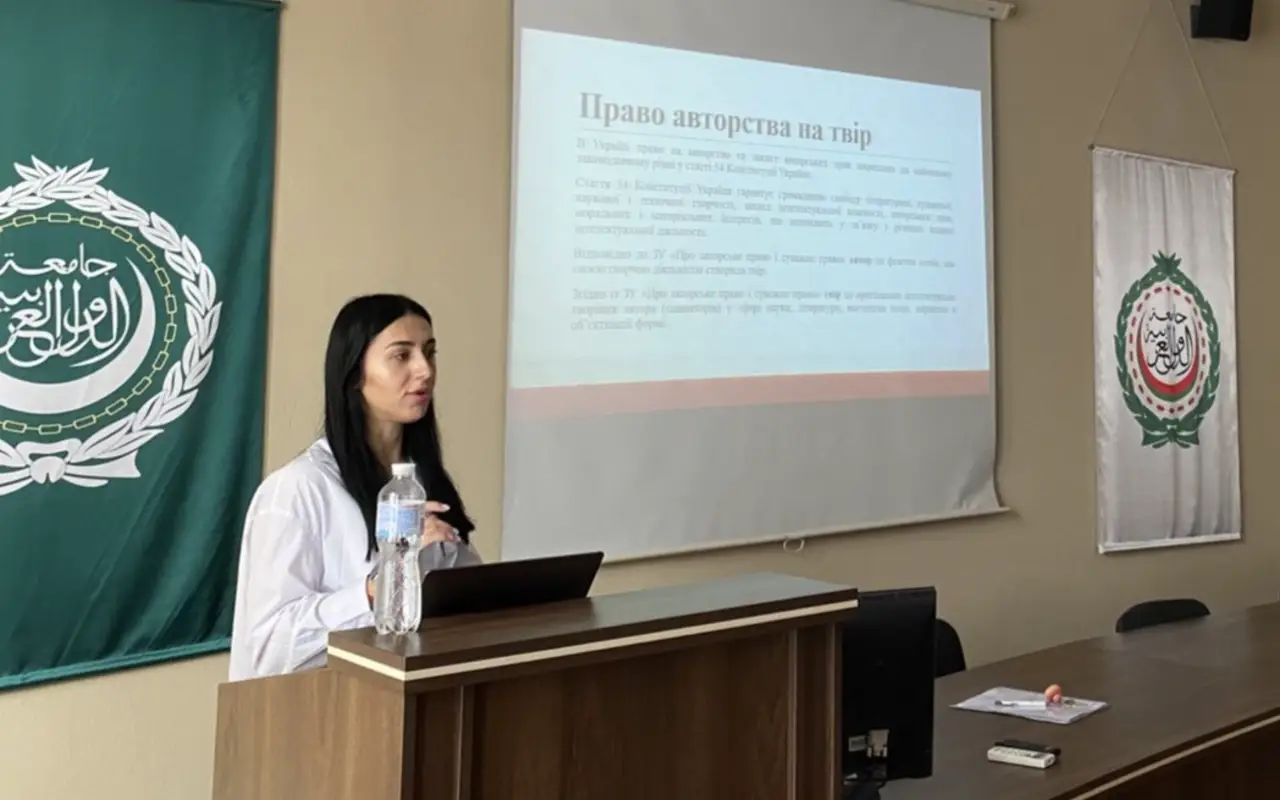
A one-time payment or royalties? Students were briefed on changes to copyright agreements
As a general rule, property rights to a work created by an employee are transferred to the employer, but the author retains the right to remuneration. European law requires that this remuneration be based on the actual income generated by the work, rather than being limited to a one-time payment.

Legislation
The UNBA warned of the risk of customs barriers for Ukrainian paper and furniture
Ukraine’s anti-deforestation rules are intended to preserve export access to the EU market. However, without paper and furniture on the list of goods, without effective sanctions, and with enforcement beginning only in 2030, these rules could hinder that goal.

Legislation
Fines for loud exhaust — based on a standardized measurement method — UNBA
Measures to combat intentionally loud exhaust noises are justified, especially during wartime. However, as long as the law does not specify which noise standard to apply or how to measure it on the road, this new liability can be neither fair nor effective.
Educational events
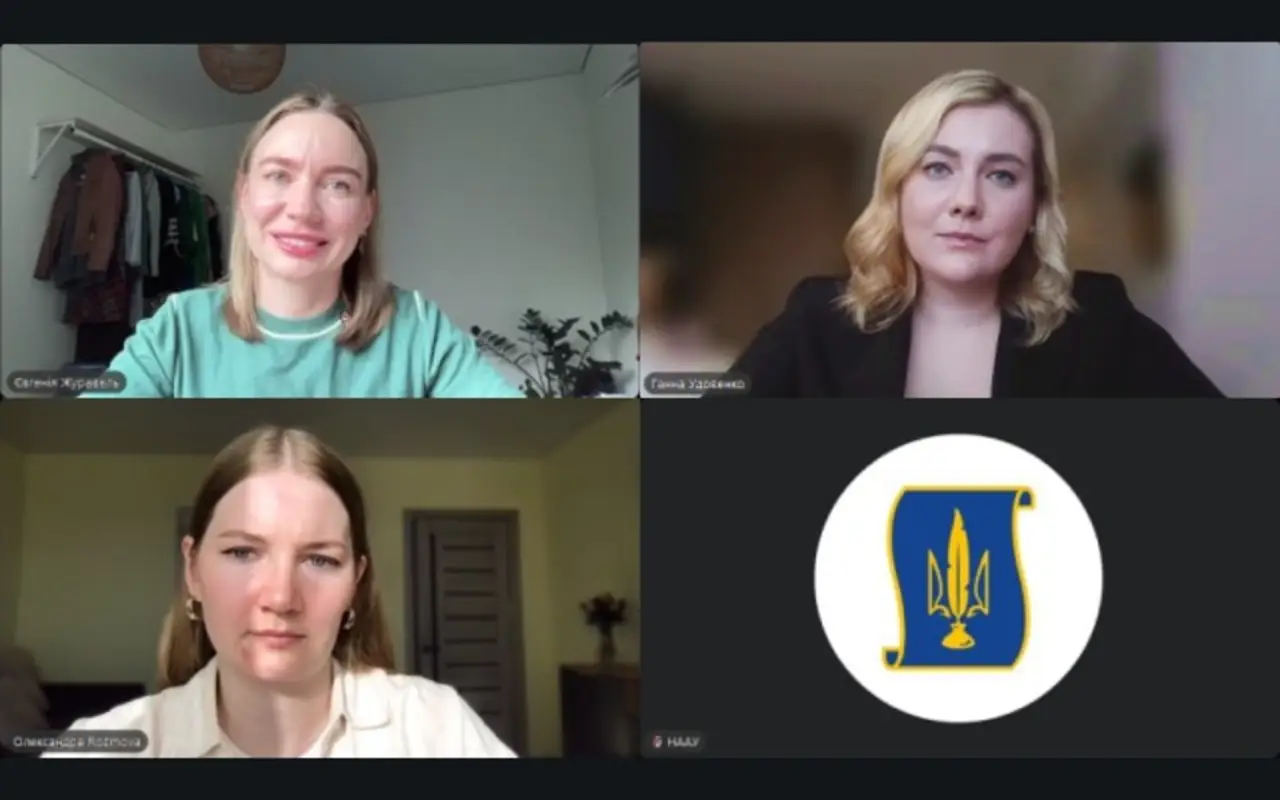
What should an advocate do if a client is under severe stress?
An advocate may encounter a client in a state of acute stress, when the person is looking at the other person but does not see them. Before discussing the case, it is important to bring the client back to reality: establish contact, ask a few questions, and engage their senses.
Guarantees of the practice of law
Guarantees for advocacy without protective measures: proposed changes to the codes
The current law sets forth the rights and guarantees of the legal profession, but lacks the tools to protect them. The future law on advocacy is intended to fill this gap through amendments to criminal, administrative and procedural legislation.
Publications

Vasyl Kolishnyi, «Law and Business» Supporting mental health should become part of the professional culture of the Bar, - H. Udovenko

Volodymyr Matsko Extradition during wartime: when the risks outweigh the request

Volodymyr Matsko Extradition as a systemic form of rights violations

Victoria Yakusha, Law and Business The anti-corruption vertical cannot «take care» of the Bar as an institution, - acting head of the HQDCB

Censor.net Protecting advocates – protecting justice: addressing concerns about the new law

Ihor Kolesnykov A BRIEF SUMMARY REGARDING THE APPLICATION OF THE ORDER ON EXTENDED CONFISCATION IN LATVIA REGARDING FINANCIAL ASSETS OF…

Valentyn Gvozdiy WORKING IN A WAR ZONE

Lydia Izovitova Formula of perfection

