


The advocates of Mykolayiv region urge to withdraw the draft law № 9055
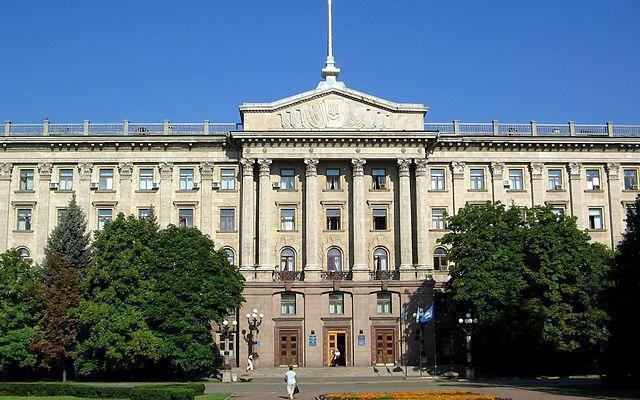
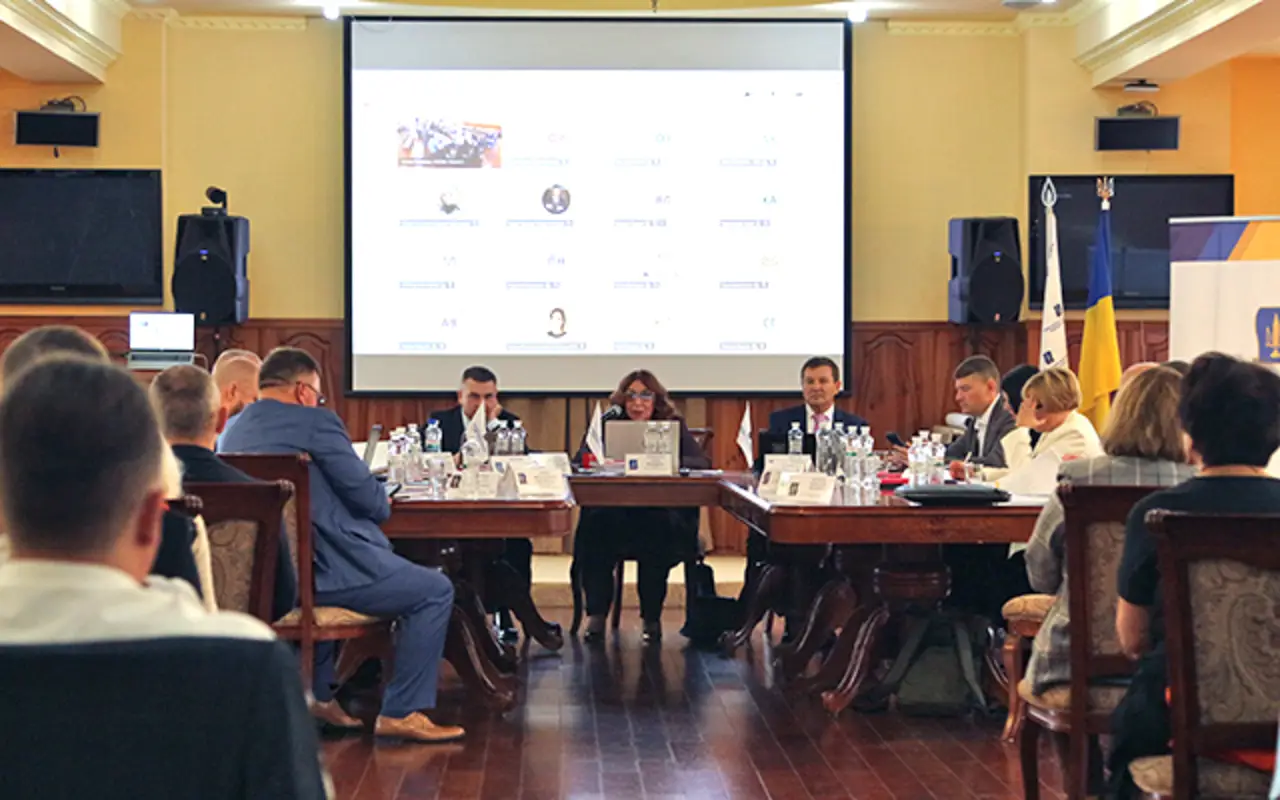
The draft law of Ukraine № 9055 “On the Bar and Advocacy” was discussed at an extraordinary meeting of the Mykolayiv Region Bar Council on September 21, 2018.
“The advocates of Mykolayiv region address people’s deputies of Verkhovna Rada of Ukraine to withdraw the draft law as it threatens the independence of advocacy, is intended to destroy the bar self-government, deprive lawyers from the opportunities to carry out their professional activities, guided, first of all, by the interests of the client and requirements of the law", - said in the statement.
The participants of the meeting emphasized that, despite there were relevant appeals to the leaders of the country and international partners, the process of drafting the law continued without proper consideration of the proposals of the Ukrainian professions lawyers’ association – Ukrainian National Bar Association (the UNBA). This led to the existence of significant drawbacks in the draft law and contradictions that would make the normal functioning of advocacy in Ukraine as a whole and the performance of professional duties of each lawyer separately as impossible.
According to the participants of the discussion, the draft law does not provide the improvement in the system of bar self-government bodies and strengthening of the guarantees of advocacy independence. «The main purpose of this draft law is evident - to get control over the advocates’ community. That is exactly what an absolute non-regulation of the process of election to bar self-government bodies in the draft law aims at” – stated in the summary statement of the bar council of the region.
According to the participants of the discussion, the urgency of the draft law “is aimed at the sooner “taming” of the lawyers who have the courage to criticize both the executive and the judiciary power, those advocates, who are guided by professional duties and law, and successfully protect their clients”.
Thus, it is unacceptable to reduce the quorum of the competence of the conference of advocates of the region to 10-15 percent of the number of lawyers registered in the region. After all, in this case, approximately 5-8% of lawyers is enough to make the most important decisions. Of course, on such a small amount it’s much easier to carry out administrative intervention and lobby necessary solutions.
Other provisions of the draft law, such as disciplinary liability for abuse of the right to a lawyer’s request, a statement of a knowingly unjustified exclusion or appeal of a decision, which is not subject to appeal, also come as a surprise.
Such “innovations” don’t provide (and couldn’t provide at all) for a clear criteria in the draft law and enable the judiciary to determine, on a subjective basis, the fact of “unlawful” behavior of a lawyer and, thus, exercise pressure on him.
Amendments to the procedural codes, in particular, regarding abuse of rights, also attempt to deprive advocates and advocacy in general of independence.
Thus, there were proposed amendments to the CPC of Ukraine (inclusion of Article 22-1) regarding inadmissibility of the abuse of rights, that can invoke disciplinary liability of a lawyer. At the same time it does not set clear criteria for such abuse and its delineation with protecting a client in a criminal proceeding.
Amendments to Article 53 of the CPC of Ukraine, providing the ability to involve both - a contracted advocate and a public defender - in one case, rise some concerns as it violates inherent right to free choice of an advocate.
“Imperfection, prejudice and threat the draft law poses on protection of the rights and interests of individuals, and the possibilities of advocates to protect them and at the bar community as a whole are evident. This requires the inclusion of advocates to the working group, at least, with regard to some of its most controversial provisions”, - note the advocates of the region.
Popular news
Legislation
A bill implementing the Convention on the Protection of the Professions of Lawyer has been introduced
The constitutional guarantees of legal aid, defense, and the independence of advocacy cannot be realized without protecting advocates from unwarranted interference in their professional activities, including searches, the seizure of professional materials and the use of criminal procedural mechanisms to exert pressure.
Abroad
The CCBE is discussing European justice and issues related to the protection of advocates
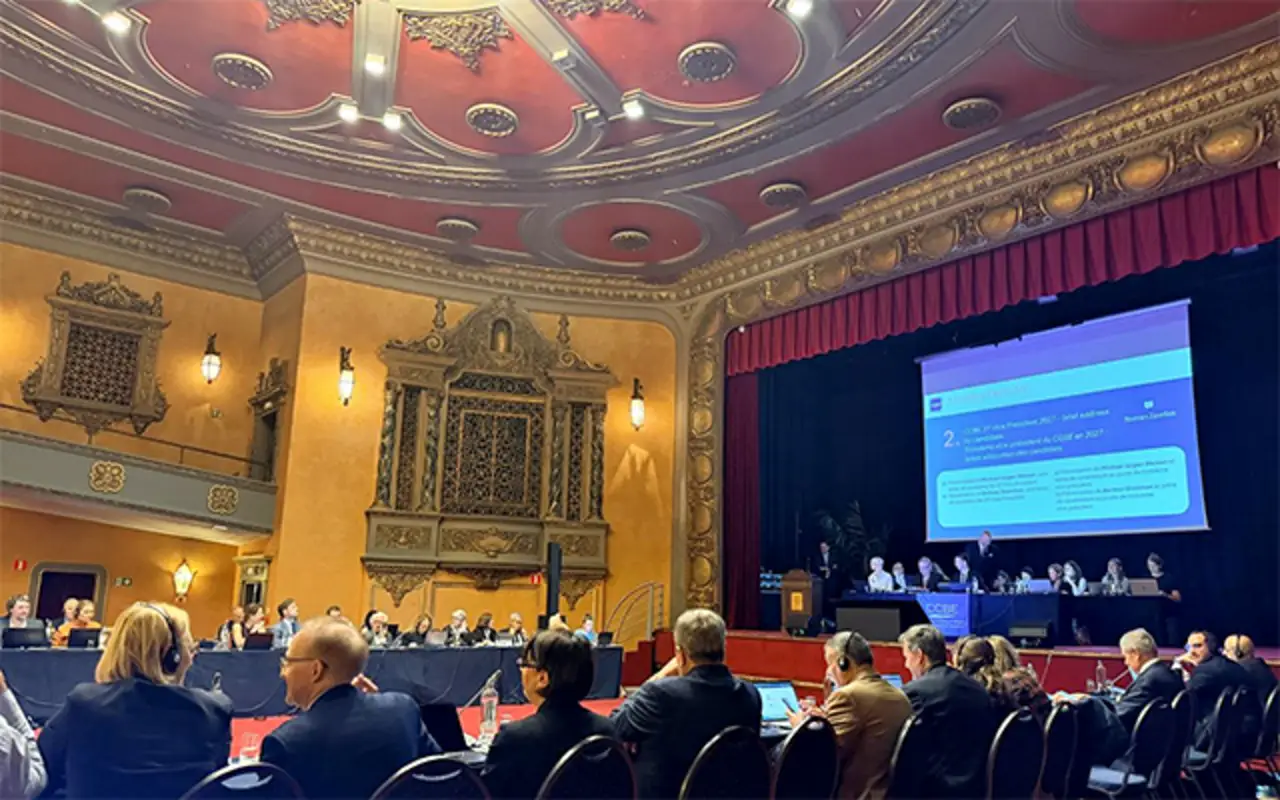
Today, October 2, a meeting of the Standing Committee of the Council of Bars and Law Societies of Europe (CCBE) is taking place in Brussels. On the agenda are the protection of the advocate profession, the rule of law, attorney-client privilege, and changes in the European justice system.
Rule of Law Roadmap
The UNBA presented the key provisions of the future law on advocacy in Brussels
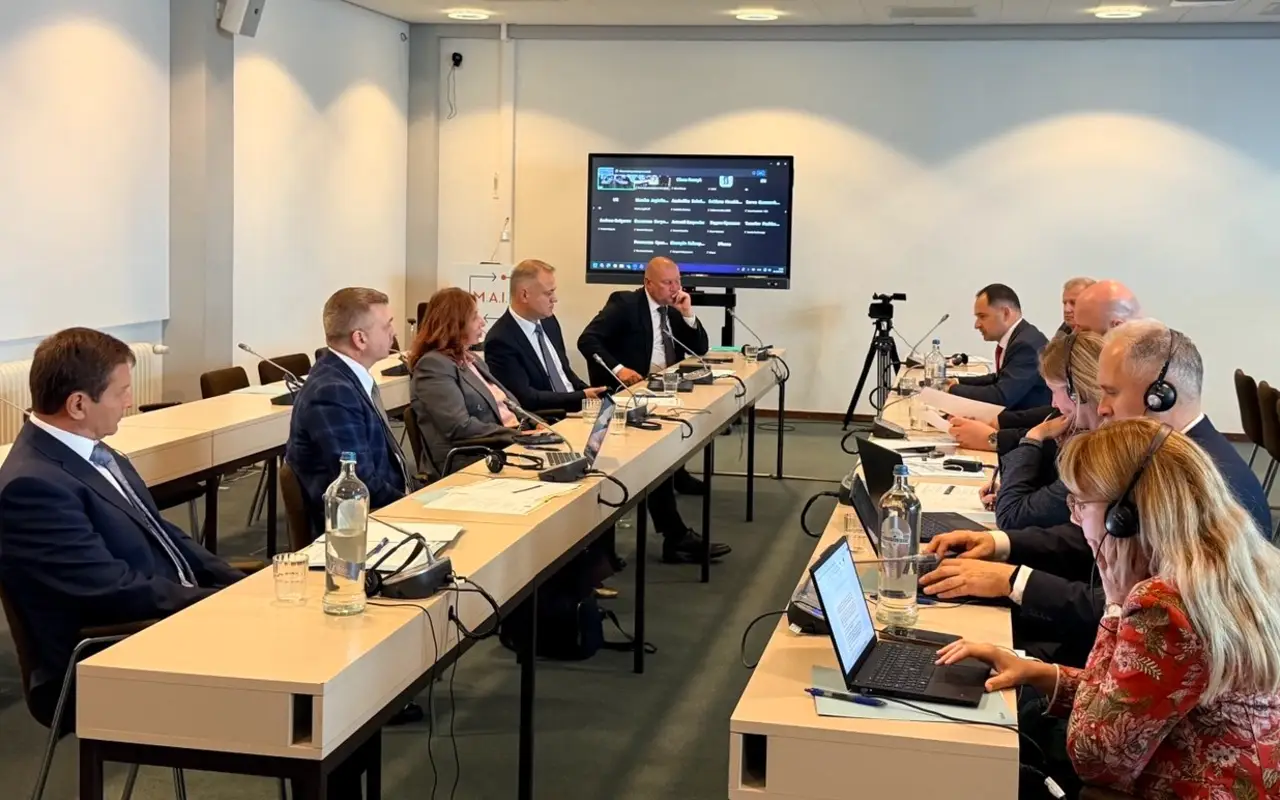
The Ukrainian National Bar Association presented its proposals for the upcoming law on advocacy, aligned with the Rule of Law Roadmap. The presentation covered topics such as access to the profession, self-governance, disciplinary procedures, professional development and guarantees for the practice of advocacy.

Educational events
Advocates were taught to voice their complaints without making accusations
In a difficult conversation, it’s easy to confuse facts with opinions, feelings with accusations, and requests with demands. How can you express dissatisfaction, explain your own needs, and propose a specific solution while still allowing your conversation partner the opportunity to refuse or suggest an alternative?
Guarantees of the practice of law
The paradoxes of urgency: is it possible to investigate a crime before it is committed?
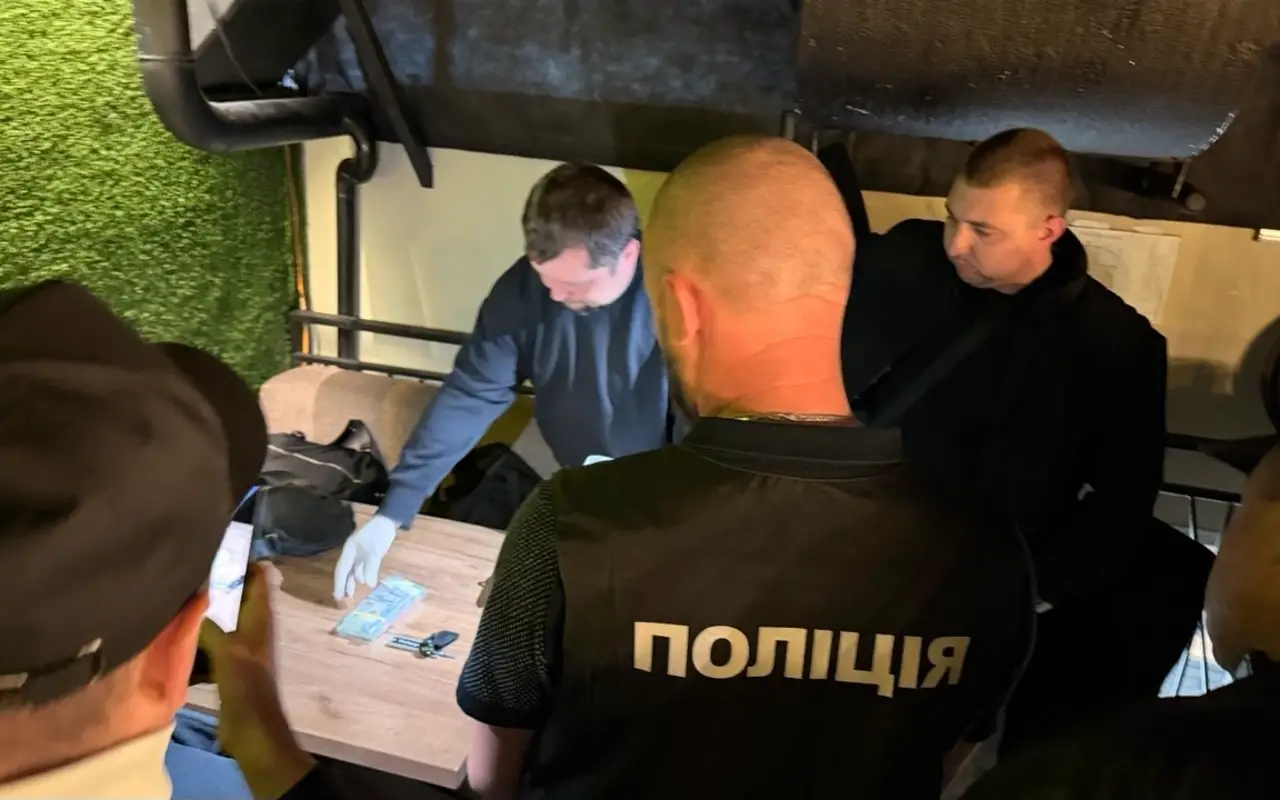
On September 24 in Kyiv, National Police officers detained an advocate during an emergency search, having caught him in the act of committing a crime. At the time, the pretrial investigation in this case had already been ongoing for more than four months.

Guarantees of the practice of law
Unrestricted access to advocates' accounts poses a risk of client data disclosure — BCU
Information regarding transactions in the bank accounts of an advocate, a law firm, or a bar association from which clients can be identified, as well as the fact and subject matter of a request for legal assistance, the purpose of payments, and the amount of the fee constitutes attorney-client privilege. This rule applies regardless of whether the information also constitutes banking information and is in the possession of a bank.

Guarantees of the practice of law
The contract provides for a video conference, but the court requires in-person appearance: how should an advocate proceed?
Many advocates today work remotely; therefore, their agreements with clients provide for the provision of legal assistance via videoconferencing. However, this form of work does not, in and of itself, create an unconditional obligation for the court to conduct every hearing via videoconference.
Guarantees of the practice of law
Independent oversight is necessary before using CISA materials against an advocate – Lidiya Izovitova
Before the prosecution uses information obtained during covert investigative actions and related to an advocate’s activities, independent procedural oversight must be conducted. It is necessary to determine whether such information is covered by attorney-client privilege and whether it may be disclosed.
Publications

Vasyl Kolishnyi, «Law and Business» Supporting mental health should become part of the professional culture of the Bar, - H. Udovenko

Volodymyr Matsko Extradition during wartime: when the risks outweigh the request

Volodymyr Matsko Extradition as a systemic form of rights violations

Victoria Yakusha, Law and Business The anti-corruption vertical cannot «take care» of the Bar as an institution, - acting head of the HQDCB

Censor.net Protecting advocates – protecting justice: addressing concerns about the new law

Ihor Kolesnykov A BRIEF SUMMARY REGARDING THE APPLICATION OF THE ORDER ON EXTENDED CONFISCATION IN LATVIA REGARDING FINANCIAL ASSETS OF…

Valentyn Gvozdiy WORKING IN A WAR ZONE

Lydia Izovitova Formula of perfection