


Donetsk Region Bar Council addresses Verkhovna Rada to elaborate the draft law № 9055
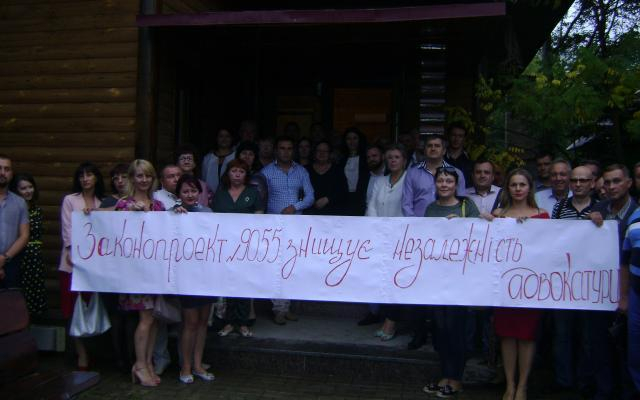
The draft law № 9055 "On Bar and Advocacy", introduced by the President to the Parliament, requires deep, ground and systemic redevelopment. Otherwise, the existence of an independent advocacy of Ukraine can be forgotten.
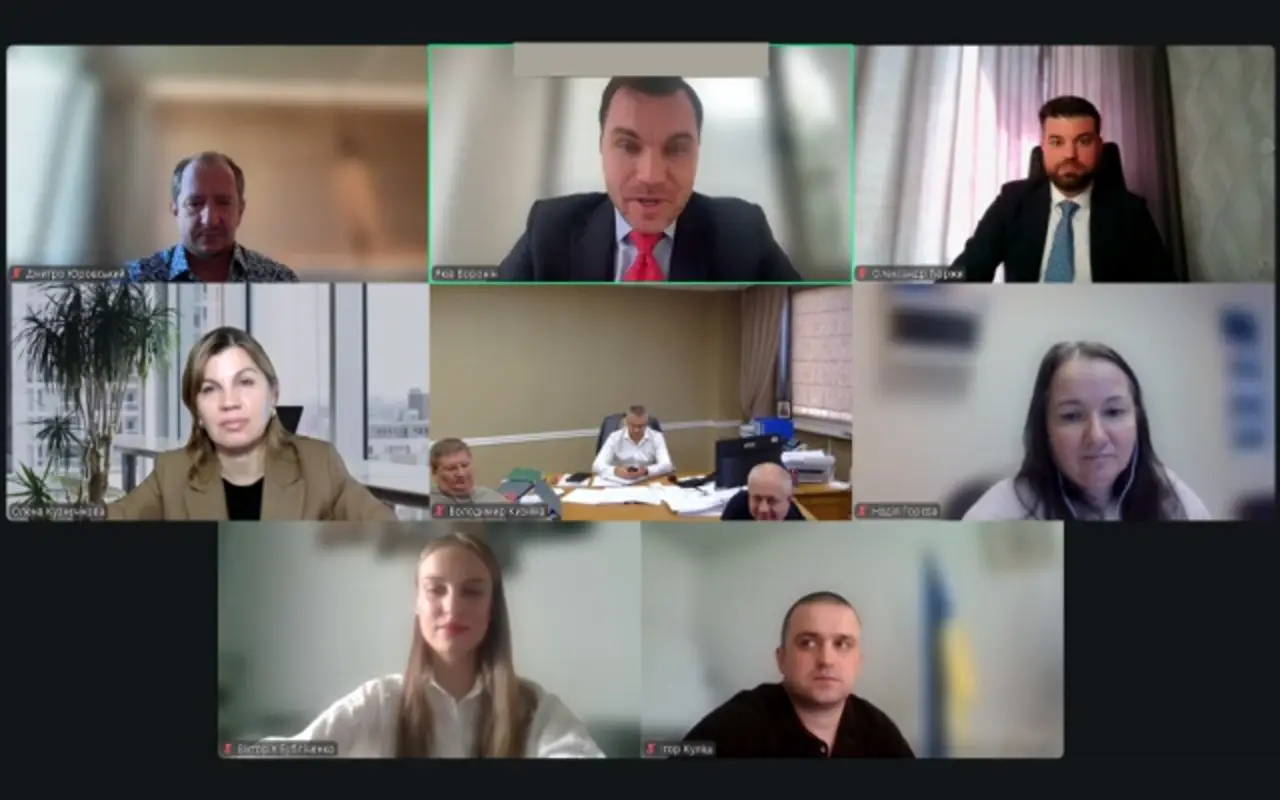
This is stated in a joint statement of the Donetsk Region Bar Council and Qualification and Disciplinary Bar Commission on the basis of a joint meeting conducted on September 14, 2018.
"The adoption of laws on advocacy without the consent of advocates is a great violation of the rights of each advocate. The current Law of Ukraine "On Bar and Advocacy" was agreed with advocacy community, it was approved by the Venice Commission and corresponds to modern changes in the procedural law. Instead, the drafters of the new draft law violated Ukraine's commitments to the Council of Europe and the terms of conclusion of the Association Agreement with the EU, since the draft law on advocacy was developed without participation of a professional law association," – said in the statement.
"Presidential Draft Law № 9055 initiates a destructive model for the creation of a “submissive” advocacy, which should think and live through circulars that descend from the upper classes," - one of the largest lawyer communities in Ukraine warns.
A thorough analysis of the provisions of the draft law № 9055 in the context of the guarantees of advocacy shows that there is a real threat of the loss of independence by advocates, and, as a result, the deprivation of the citizens of Ukraine of their right to effective protection for years ahead.
"The attack on advocacy should take place, as follows from the text of the draft law, in the following directions: destruction of a single, integrated, independent system of advocates’ self-government bodies, further - through the rigid regulation by the state of these self-government bodies, and then to the artificial limitation of rights and guarantees of the advocates during their human rights activities," - the statement said.
The draft law № 9055, if adopted, will begin the uncontrolled, full of abuses process of mass registration of regional branches as of new legal persons. It established the basis for “cloning” of such organizations enabling the existence of pseudo advocates’ organizations. And this is only one of many possible risks the draft law imposes.
The 3-years term of bar self-government members and prescribed procedure for their election thereof shall require the conduct of countless number of Congresses of Advocates of Ukraine and conferences of the advocates of a region.
To date, Regional Bar Councils, as local bodies of bar self-government, dully cope with obligations undertaken and fully exercise their functions, including the representation and protection of professional rights of advocates of the region, facilitate the professional development of the advocates of the region etc.
The responsibility for abuse of procedural rights, provided for in the draft law № 9055, grants the courts with the great room for reasoning and serious control over advocates. In that regard, there are various procedural actions that may be considered as an abuse of rights, including filling the application for an expert opinion or evidence, defined as groundless by the court, if it can delay the proceedings. The greatest concern rises from the wording "in the absence of new circumstances or evidence", "deliberately unjustified exclusion", which by their assessments create an additional backdoor to restrict the rights of the defense.
Para. 2 of clause 2 of Article 22-1 defines as abuse of procedural rights the non-appearance of defense counsel expressly, although the current Article 324 of the CPC of Ukraine establishes responsibility for non-appearance for both the defender and the prosecutor.
Advocates, taking into account their status, bear the additional risk of liability compared to other participants, because for abuse of procedural rights, violation of procedural obligations or improper performance of professional duties an advocate may be brought to disciplinary responsibility, including deprivation of the right to practice advocacy, on the basis of a separate court order.
Thus, an advocate who actively protects the interests of his client, filing a large number of petitions or complaints, will endanger the prosecution.
"Our special concerns are the rules that restrict the protection and guarantees of advocates' secrecy, violating such principles of advocacy as priority of client's interests and confidentiality," – said in the statement.
New edition of the Law of Ukraine "On Bar and Advocacy", if adopted, will violate the constitutional guarantees for work of persons engaged in advocacy, stipulated by Art. 43 of the Constitution of Ukraine, as well as the narrowed professional rights of lawyers working under an employment contract.
"Under these conditions, Donetsk Region Bar Council and Qualification and Disciplinary Bar Commission are convinced of the devastating nature of the draft law № 9055 "On Bar and Advocacy" (new edition), which will lead to devastating consequences for the system of Ukrainian advocacy as a self-governing human rights institution", - lawyers of the region consider in an appeal to the Chairman of the Verkhovna Rada.
Popular news
Legislation
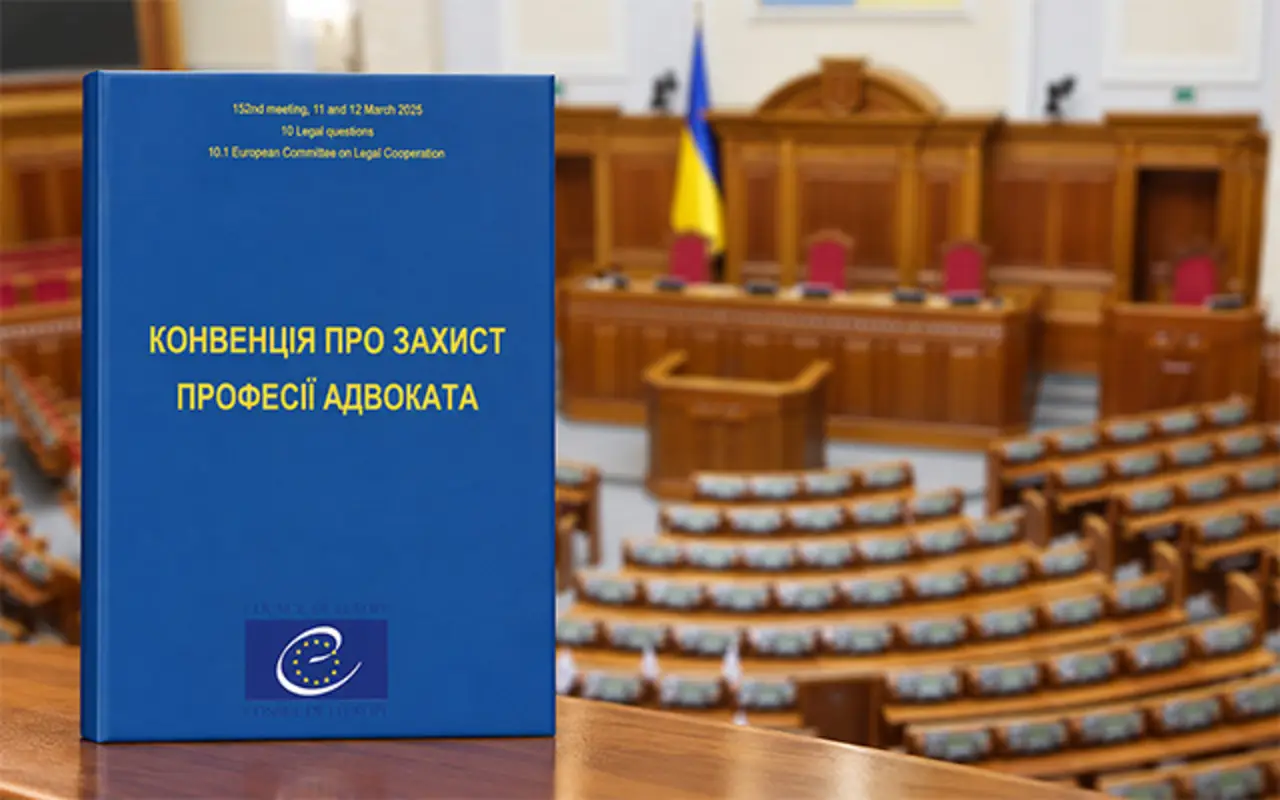
A bill implementing the Convention on the Protection of the Professions of Lawyer has been introduced
The constitutional guarantees of legal aid, defense, and the independence of advocacy cannot be realized without protecting advocates from unwarranted interference in their professional activities, including searches, the seizure of professional materials and the use of criminal procedural mechanisms to exert pressure.
Abroad
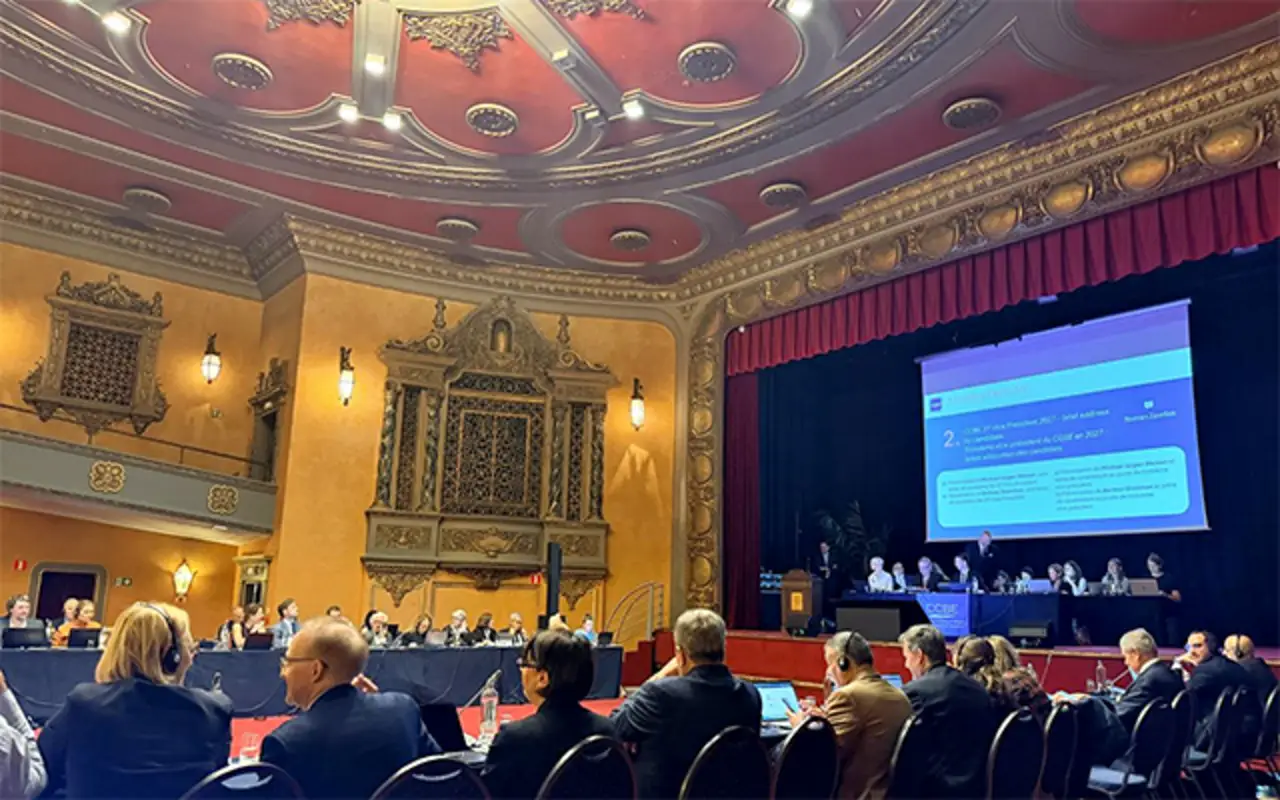
The CCBE is discussing European justice and issues related to the protection of advocates
Today, October 2, a meeting of the Standing Committee of the Council of Bars and Law Societies of Europe (CCBE) is taking place in Brussels. On the agenda are the protection of the advocate profession, the rule of law, attorney-client privilege, and changes in the European justice system.
Rule of Law Roadmap
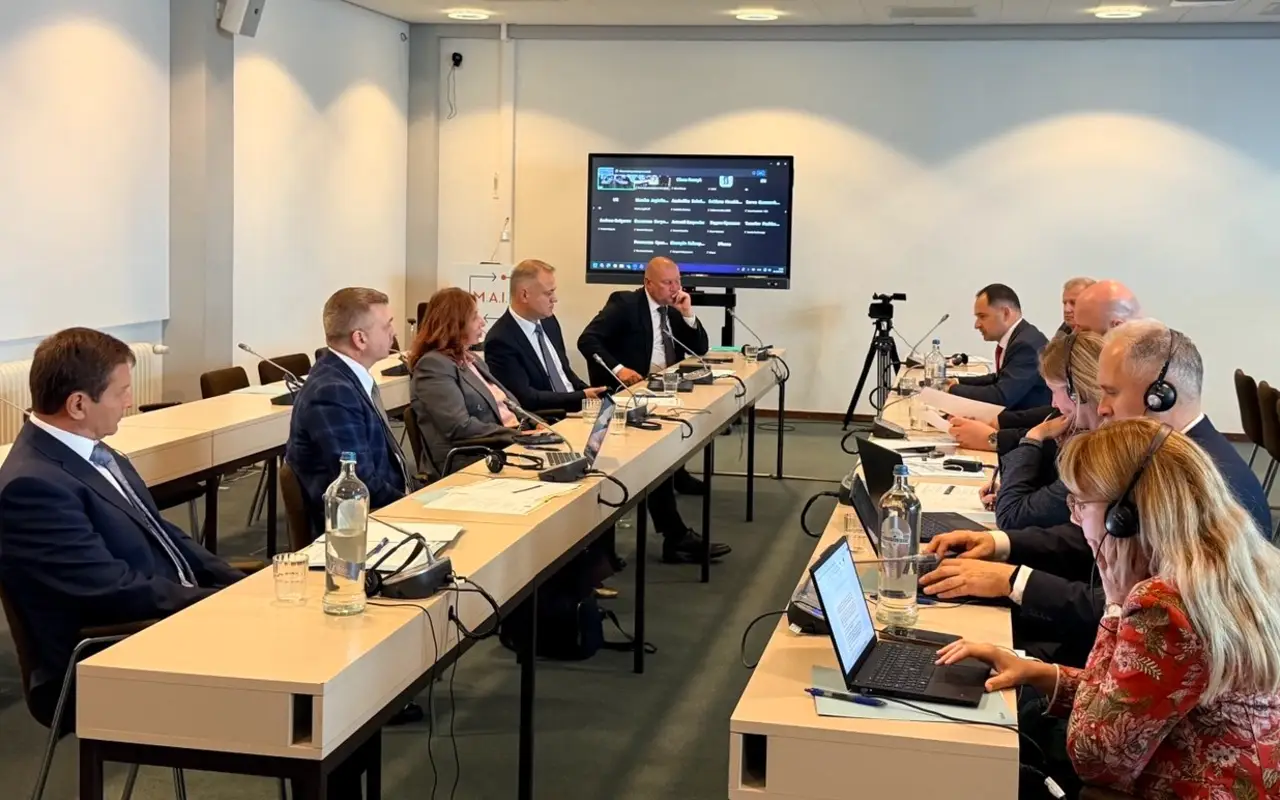
The UNBA presented the key provisions of the future law on advocacy in Brussels
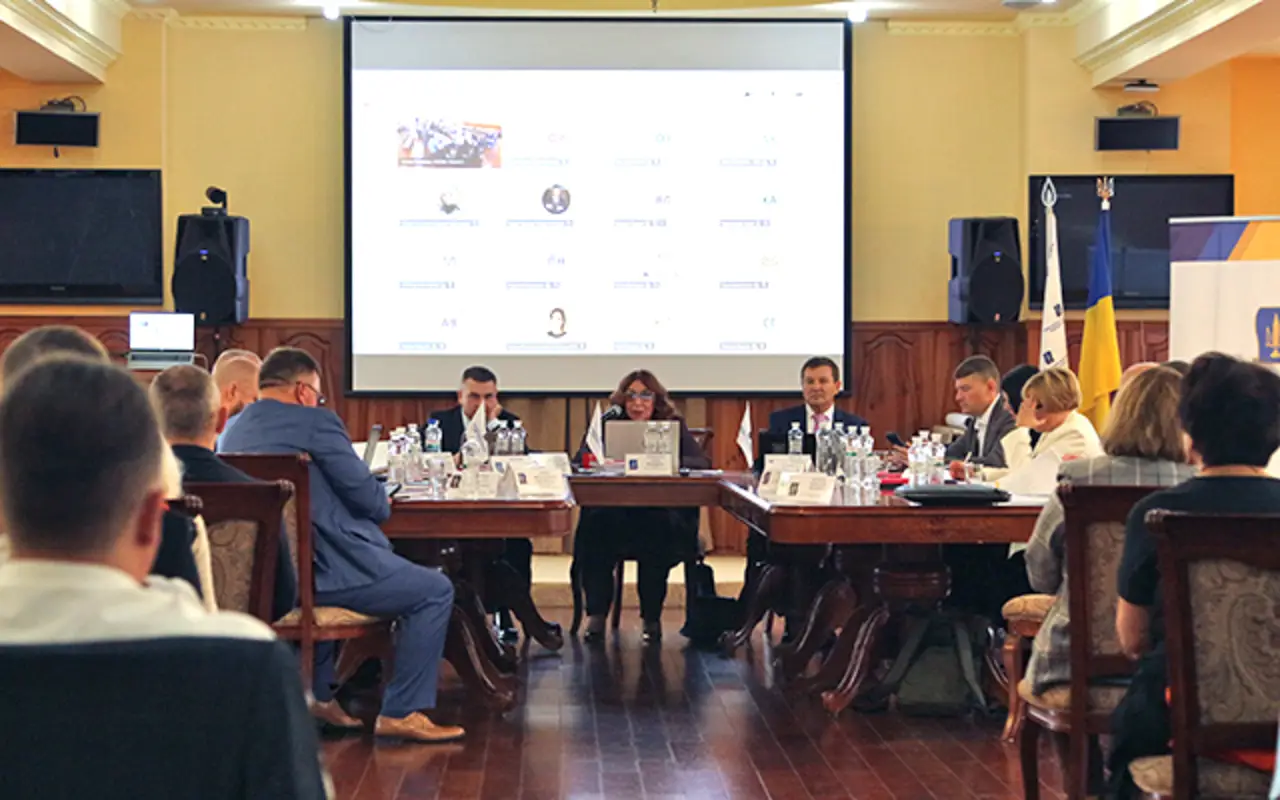
The Ukrainian National Bar Association presented its proposals for the upcoming law on advocacy, aligned with the Rule of Law Roadmap. The presentation covered topics such as access to the profession, self-governance, disciplinary procedures, professional development and guarantees for the practice of advocacy.
Guarantees of the practice of law
Independent oversight is necessary before using CISA materials against an advocate – Lidiya Izovitova
Before the prosecution uses information obtained during covert investigative actions and related to an advocate’s activities, independent procedural oversight must be conducted. It is necessary to determine whether such information is covered by attorney-client privilege and whether it may be disclosed.
Self-government
Efforts to develop advocacy must be brought to fruition — A. Misyats
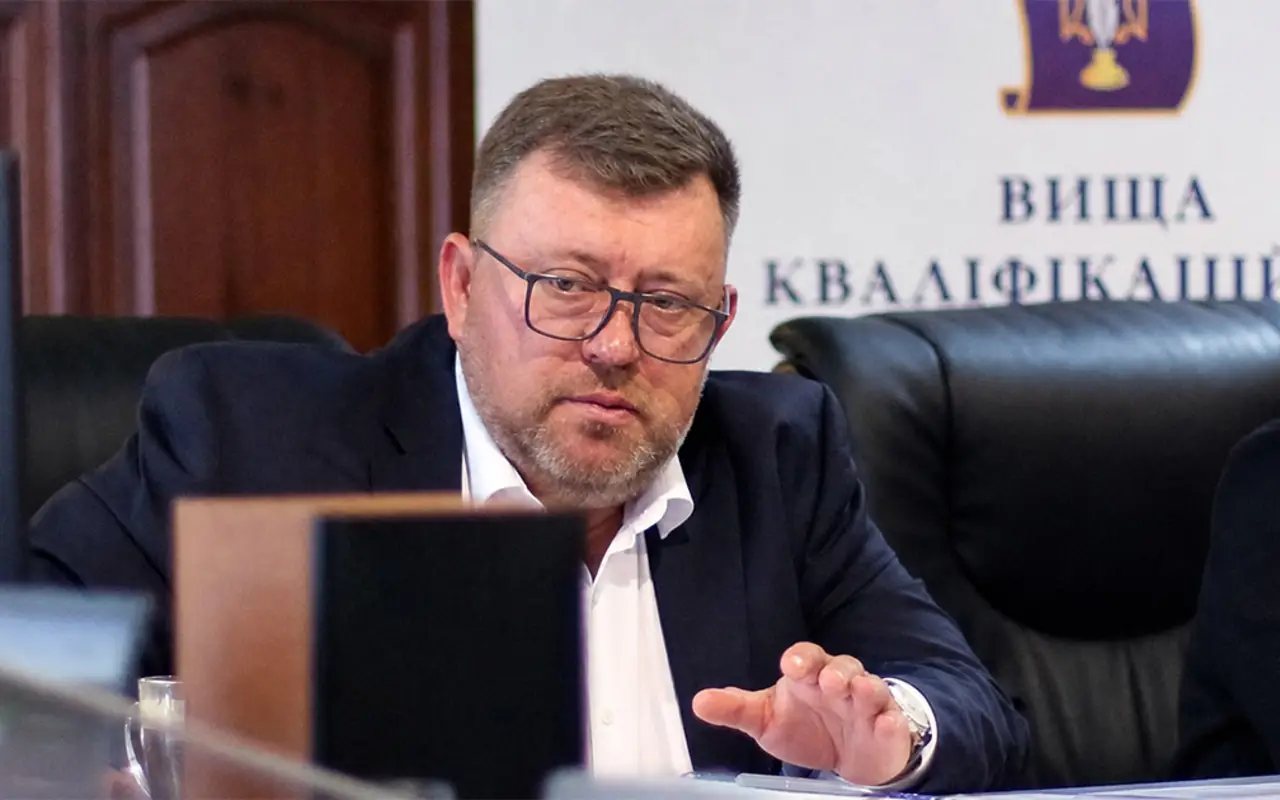
The Ukrainian advocacy profession is currently going through a critical phase. Amid the war, it must ensure the continuity of legal aid, defend the independence of the profession, and improve qualification and disciplinary procedures in accordance with European standards. The work that has been started must be brought to a practical conclusion.
Support
Protecting the legal profession, cybersecurity and support for advocates: common themes for the IBA and the UNBA
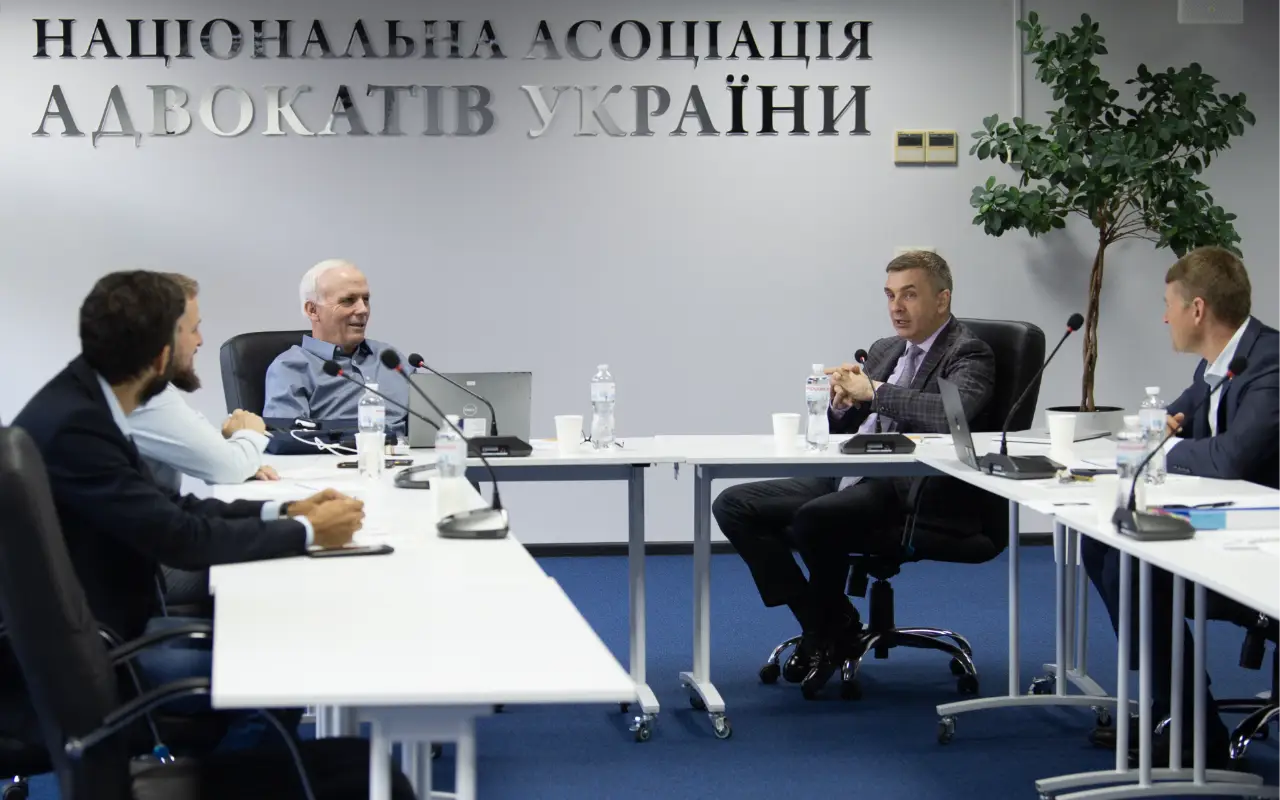
On September 18, a working meeting was held at the office of the Ukrainian National Bar Association with Executive Director of the International Bar Association (IBA) Mark Ellis. The parties discussed the Ukrainian advocacy profession’s participation in European legal processes, the protection of the UNBA’s digital infrastructure, psychological support for advocates and future areas of cooperation.
Educational events
Not every eloquent phrase is persuasive: how an advocate should choose a speaking style
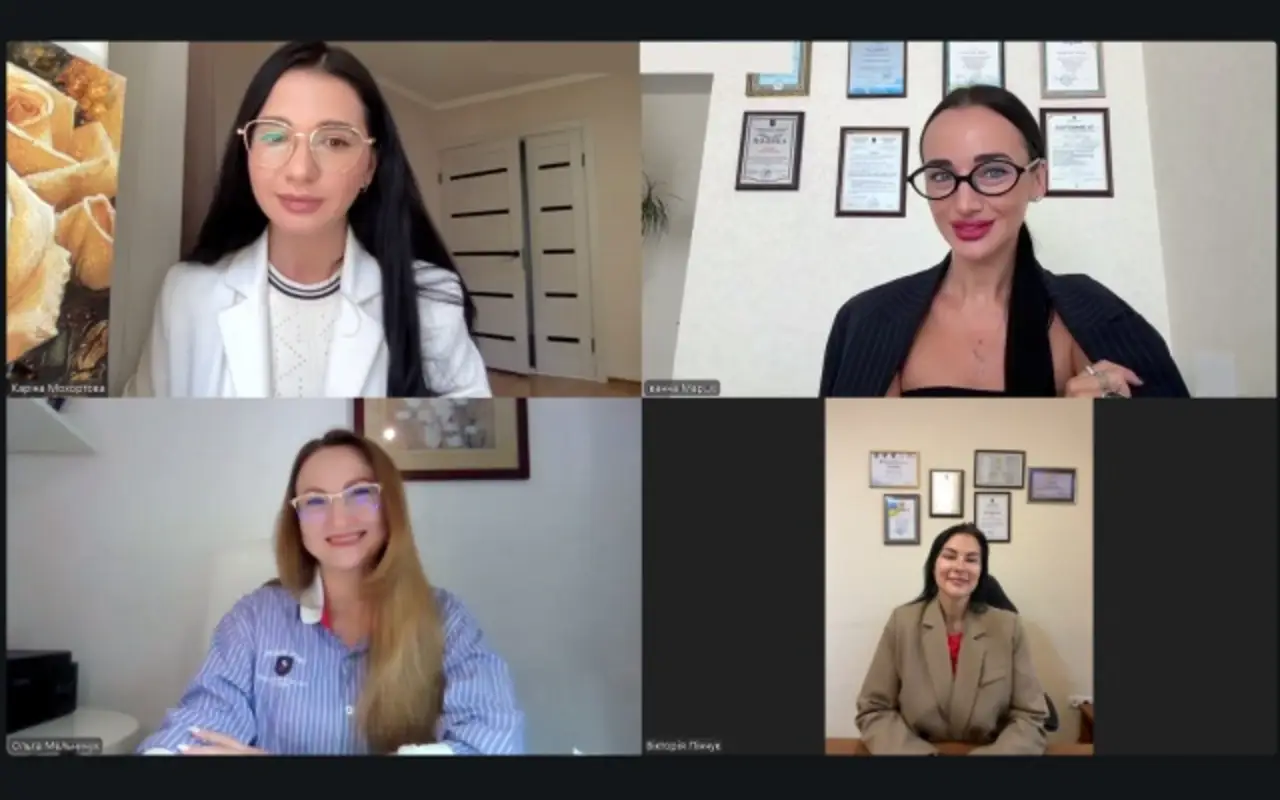
Rhetorical techniques are effective when they are tailored to the audience, the situation, and the purpose of the speech. Therefore, before speaking, an advocate should determine what message the court, client, or audience needs to hear and remember, and then choose the appropriate structure, examples, quotes and tone.
Educational events
Tax residency of Ukrainians abroad: what matters
The determination of tax residency for Ukrainians who have been living abroad for an extended period depends on the combination of their personal and economic ties to each country. The established status determines the procedure for reporting income, paying taxes and fulfilling CFC reporting obligations.
Publications

Vasyl Kolishnyi, «Law and Business» Supporting mental health should become part of the professional culture of the Bar, - H. Udovenko

Volodymyr Matsko Extradition during wartime: when the risks outweigh the request

Volodymyr Matsko Extradition as a systemic form of rights violations

Victoria Yakusha, Law and Business The anti-corruption vertical cannot «take care» of the Bar as an institution, - acting head of the HQDCB

Censor.net Protecting advocates – protecting justice: addressing concerns about the new law

Ihor Kolesnykov A BRIEF SUMMARY REGARDING THE APPLICATION OF THE ORDER ON EXTENDED CONFISCATION IN LATVIA REGARDING FINANCIAL ASSETS OF…

Valentyn Gvozdiy WORKING IN A WAR ZONE

Lydia Izovitova Formula of perfection