
A client has verbally dismissed their advocate: how to formalize the termination of the attorney-client relationship
The client declined the advocate’s assistance but did not sign the documents terminating the advocate-client relationship. How can the advocate respect the client’s wishes while avoiding accusations of leaving the client without representation without authorization?
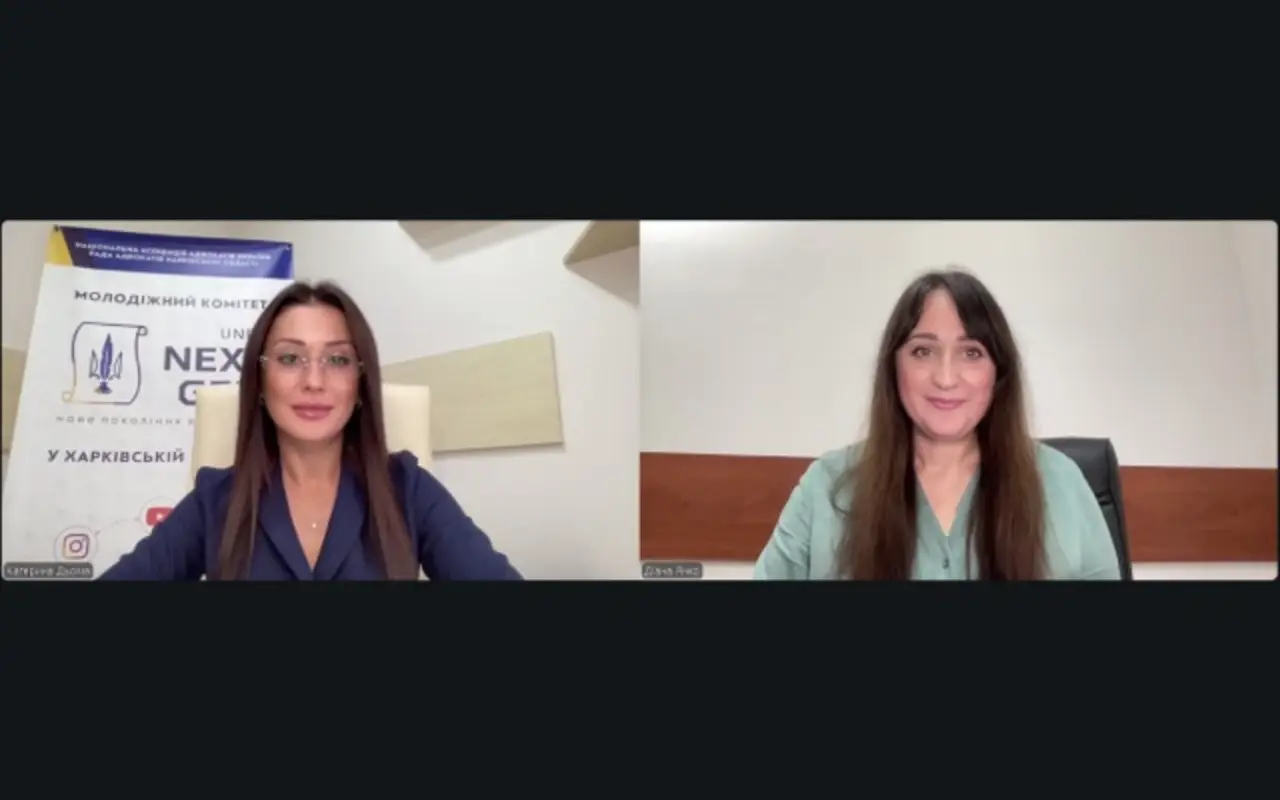
Advocate Diana Yanko discussed the formalities of terminating the attorney-client relationship during the webinar «Practical safety for advocates: contractual and ethical safeguards in client relationships» The event was organized by the UNBA NextGen in the Kharkiv region and moderated by the committee’s regional representative Kateryna Dyoma.
D. Yanko described a possible scenario: during divorce proceedings, the couple decided to reconcile. The client verbally informed the advocate that there was no longer a need to proceed with the lawsuit, but did not sign any documents terminating the attorney-client relationship, and the case remained pending. If the reconciliation proves short-lived, the client may change their position and file a complaint on the grounds that the advocate did not appear at the next hearing.
Another scenario arises when a dissatisfied client refuses the advocate’s assistance but refuses to sign an agreement terminating the contract. In such a case, according to the speaker, the advocate risks being caught between the need to respect the client’s stated wishes and the inability to verify this refusal should a dispute later arise regarding the client’s failure to appear in court.
Following this discussion, D. Yanko advised sending the client a notice specifying when and under what circumstances they announced the termination of the relationship, and referring to the termination procedure set forth in the contract. In the notice, she also suggested asking the client to confirm their position regarding the termination of the contract or to submit any objections within a specified timeframe. She recommended sending it via an agreed-upon messaging app or email, while retaining the correspondence and proof of delivery.
If the matter concerns the termination of the contract at the advocate’s initiative, the speaker emphasized the need to notify the client in writing well in advance, explain the possible procedural consequences, and provide a reasonable period of time for the client to engage another representative or defense counsel. In particular, the client must understand the risks of missing appeal deadlines or failing to appear at a court hearing. However, a brief notification the day before the hearing, she noted, could be interpreted by disciplinary authorities as leaving the client without representation or as an unauthorized withdrawal from the case.
The advocate advised that the notice of termination should be based on reasons making it impossible to continue working on the case and on the relevant terms of the contract. After following the procedure for terminating the contract, the court must also be notified.
When terminating the relationship, D. Yanko recommended documenting the status of the case and the work performed, and sending the client a detailed report, a service acceptance and transfer form, and a draft agreement to terminate the contract. Separately, she cautioned against withholding original documents and case materials until the fee is paid and reminded the lawyer of the obligation to return documents received from the client upon termination of the contract.
As a reminder, we previously discussed how an advocate can document work performed if a client refuses to sign the report, what to consider when a fee dispute escalates into a complaint with the QDCB, and what common mistakes to avoid when communicating with clients.
© 2026 Unba.org.ua Всі права захищені
"Національна Асоціація Адвокатів України". Передрук та інше використання матеріалів, що розміщені на даному веб-сайті дозволяється за умови посилання на джерело. Інтернет-видання та засоби масової інформації можуть використовувати матеріали сайту, розміщувати відео з офіційного веб-сайту Національної Асоціації Адвокатів України на власних веб-сторінках, за умови гіперпосилання на офіційний веб-сайт Національної Асоціації Адвокатів України. Заборонено передрук та використання матеріалів, у яких міститься посилання на інші інтернет-видання та засоби масової інформації. Матеріали позначені міткою "Реклама", публікуються на правах реклами.