


What an advocate should consider when a fee dispute escalates into a complaint to the QDBC
If an advocate files a lawsuit seeking to recover fees from a client, the client may in turn file a complaint with the High Qualification and Disciplinary Commission of the Bar in an effort to compel the advocate to withdraw the lawsuit. How do the advocacy’s disciplinary bodies handle such cases?
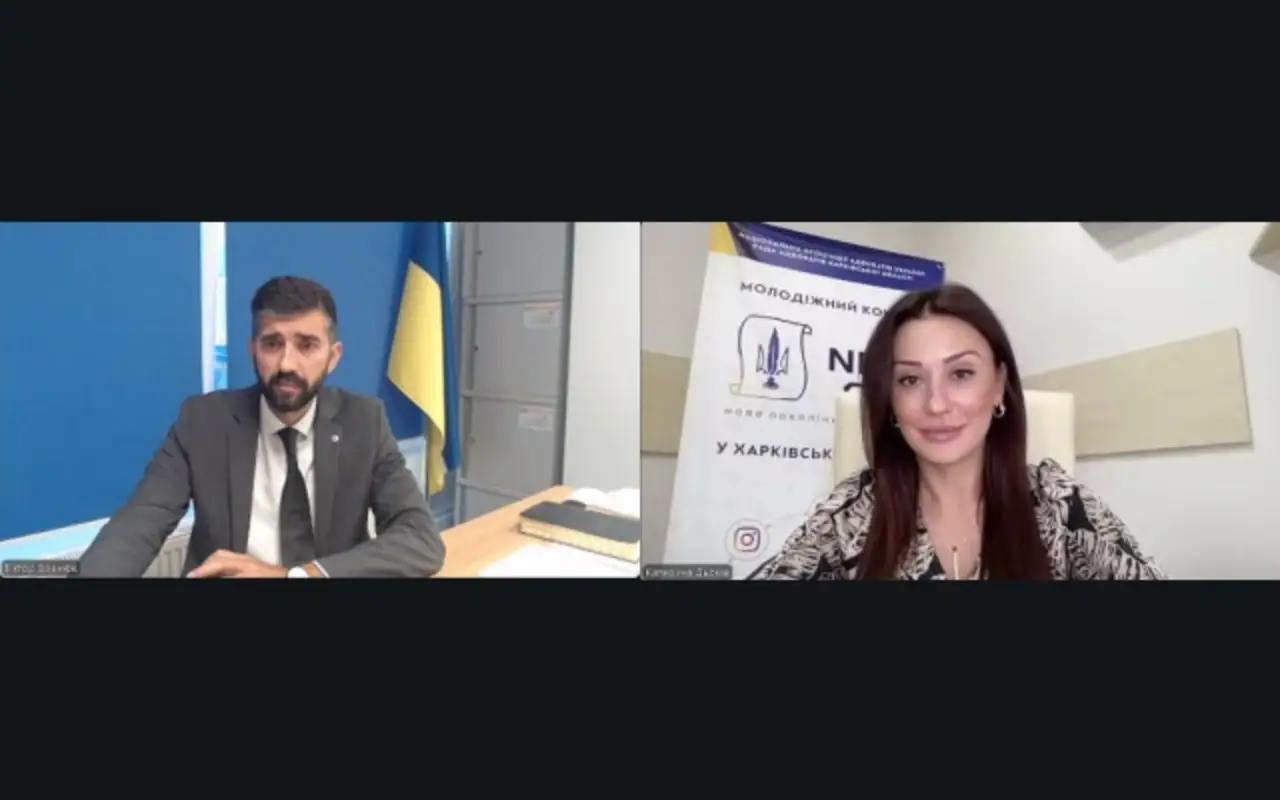
Head of the secretariat of the Higher Qualification and Disciplinary Commission of the Bar Viktor Vovnyuk discussed this during the webinar «Rules of attorney ethics: disciplinary procedures and practice». The event was organized by the UNBA NextGen in the Kharkiv region.
According to V. Vovnyuk, an advocate has the right to file a lawsuit in court to recover their fees. And the use of this legal remedy in and of itself does not constitute a disciplinary offense, although some clients also complain about this. Some clients also justify their complaints by arguing that the inclusion of their personal data in the lawsuit specifically their place of residence and taxpayer identification number constitutes a breach of attorney-client privilege. However, such arguments have not been upheld in disciplinary practice.
At the same time, a client has the right to file a complaint with the QDBC alleging that legal assistance was provided improperly, incompletely or only partially.
The law does not contain any provision that would require the QDBC to suspend disciplinary proceedings due to the existence of a court case. Therefore, the dispute over the collection of fees and the disciplinary proceedings may proceed in parallel. However, an advocate may file a motion to suspend the disciplinary proceedings until a court decision is rendered. The Disciplinary Chamber has the right to grant such a motion; however, the suspension must occur within the time limits established for the relevant stage of the disciplinary proceedings.
Among the typical grounds for clients to file complaints with the QDBC, V. Vovnyuk cited an advocate receiving the full fee without performing the full scope of work, guaranteeing a specific outcome, failing to provide a report, ceasing communication with the client, taking a position contrary to the client’s wishes, and failing to appear at court hearings.
The speaker paid particular attention to the wording of the subject matter of the legal services agreement. For example, if the agreement states «representation of interests in court proceedings», disciplinary bodies may assume that the mandate covered not only the first instance but also the appellate and cassation instances. An advocate’s verbal explanation that the agreement was to work only in the court of first instance may not correspond to the written subject matter of the agreement.
Risks also arise when the agreement contains a general subject matter and does not specify a term of validity. Even several years later, the disciplinary chamber may determine that the agreement remains in effect and that the legal relationship between the advocate and the client has not been terminated.
However, if the advocate has properly provided legal assistance in accordance with the subject matter of the agreement and has reported to the client on the work performed, there is no cause for concern regarding a disciplinary complaint, according to the head of the HQDBC Secretariat.
Popular news

War
Are Europe's advocacy associations prepared for a potential war? V. Gvozdiy shared lessons from the Ukrainian experience
The continuity of the bar’s self-governance, the protection of professional registries and archives, as well as equal guarantees of employment for advocates, judges, and prosecutors must be enshrined in advance in legislation in the event of war or another emergency.

Educational events
How DISC helps manage «tigers», «monkeys», «elephants» and «turtles»
The same instruction from a manager may motivate one employee to take action, while leaving another without the necessary guidance. People perceive work tasks differently: for some, a deadline and the expected outcome are enough, while others need explanations, time or a detailed plan.

Legislation
The Verkhovna Rada is preparing a bill to implement the Convention on the Protection of the Professions of Lawyer
Members of Parliament plan to introduce a bill in the near future to implement the main provisions of the Council of Europe Convention on the Protection of the Professions of Lawyer. This parliamentary initiative may also prompt the government to expedite the preparation of the ratification package.
Educational events
What an advocate should consider when a fee dispute escalates into a complaint to the QDBC
If an advocate files a lawsuit seeking to recover fees from a client, the client may in turn file a complaint with the High Qualification and Disciplinary Commission of the Bar in an effort to compel the advocate to withdraw the lawsuit. How do the advocacy’s disciplinary bodies handle such cases?

Greetings
The UNBA honored the winners of the «In the language of prose» contest and opened a fashion exhibition
The competition was organized by the UNBA Committee on humanitarian issues and creative initiatives in cooperation with the Center for advocacy and legal research. Two dozen advocates from various regions of Ukraine submitted their works to the competition committee for consideration. The entries were evaluated based on originality, the relevance of the chosen topic and the level of technical skill.

Discussion
What is holding back funding for gas-fired power generation – discussion between businesses and banks at the UNBA
To provide loans for new gas-fired power generation projects, banks require a predictable cash flow, an investor’s equity contribution, and risk-sharing mechanisms. A business model that relies solely on a preferential gas price is not a sufficient basis for financing.

Educational events
Preparing a court argument: 7 tips for advocates
When preparing a courtroom speech, it is best to begin by formulating the decision the advocate is asking the court to render. Next, the structure of the speech should be built around this outcome, strong arguments should be selected, and weak points should be addressed.

Legislation
Advocates’ access to the TCC and the SP should be regulated by law – Ombudsman
The practice of denying advocates access to the premises of the TCC and the SP bears the hallmarks of systematic obstruction of the legal profession and deprives people of the opportunity to promptly obtain professional legal assistance. The procedure for such access must be codified in regulations issued by the Ministry of Defense.
Publications

Vasyl Kolishnyi, «Law and Business» Supporting mental health should become part of the professional culture of the Bar, - H. Udovenko

Volodymyr Matsko Extradition during wartime: when the risks outweigh the request

Volodymyr Matsko Extradition as a systemic form of rights violations

Victoria Yakusha, Law and Business The anti-corruption vertical cannot «take care» of the Bar as an institution, - acting head of the HQDCB

Censor.net Protecting advocates – protecting justice: addressing concerns about the new law

Ihor Kolesnykov A BRIEF SUMMARY REGARDING THE APPLICATION OF THE ORDER ON EXTENDED CONFISCATION IN LATVIA REGARDING FINANCIAL ASSETS OF…

Valentyn Gvozdiy WORKING IN A WAR ZONE

Lydia Izovitova Formula of perfection