


5 common mistakes advocates make when communicating with clients
«But you said we’d win», — such complaints against an advocate may arise if he or she did not establish clear ground rules with the client at the outset. What communication mistakes should be avoided to prevent false expectations and mutual complaints?
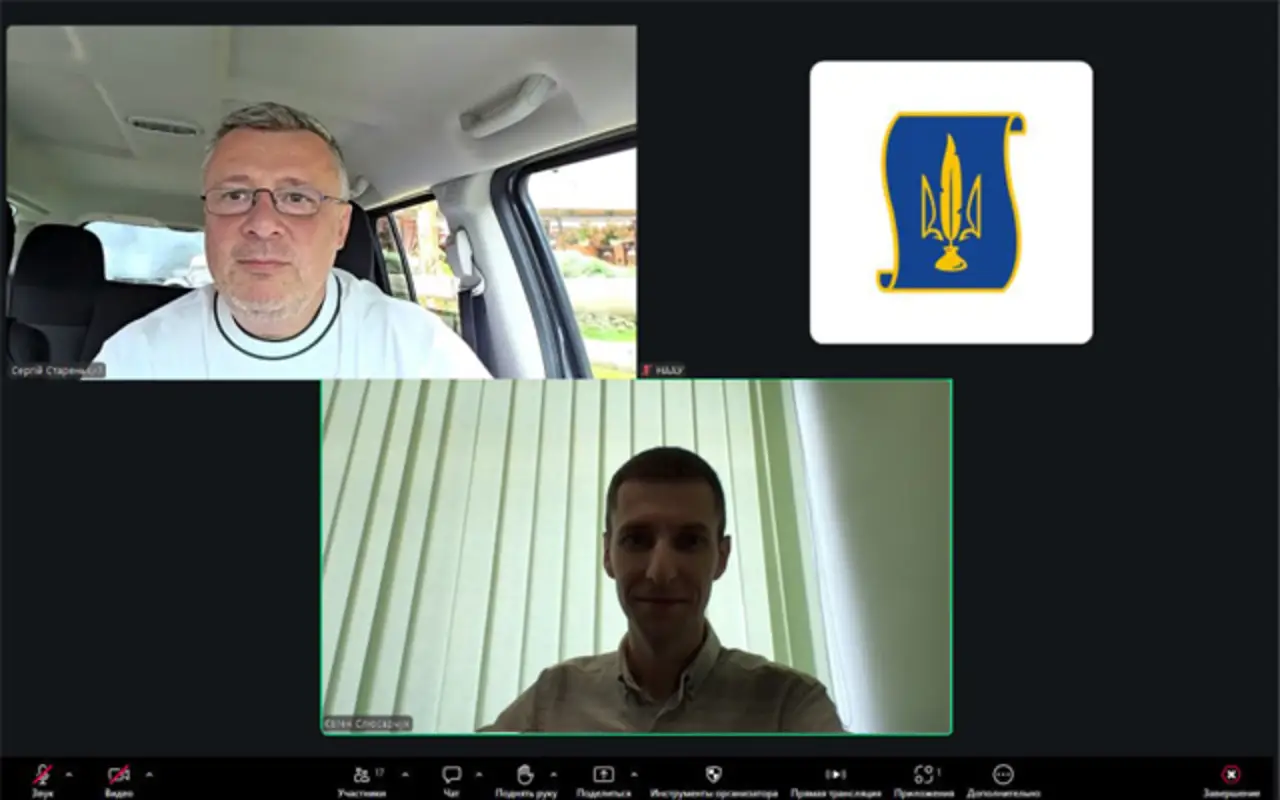
Answers were sought during the webinar «Advocacy without myths: from early mistakes to professional development», hosted by the UNBA NextGen in the Zhytomyr region. The event was moderated by the Committee’s regional representative Yevhen Slyusarchuk. The speaker was deputy chairman of the UNBA Committee on human rights protection Serhiy Starenkyi.
From the speaker’s presentation, we can identify five common mistakes in an advocate’s work with a client.
1. Guaranteeing a result
An advocate does not make decisions in a case and therefore cannot guarantee the client a specific outcome. An advocate can assess the strengths and weaknesses of a case, explain what the best-case and worst-case scenarios might be, justify the position from a legal standpoint, and reinforce it with evidence.
If this is not explained at the outset, the client may later cite an allegedly promised victory. In this regard, S. Starenkyi also recommended explicitly including a provision in the contract stating that the advocate does not guarantee a specific outcome.
2. Incorrectly assessing the scope of work and the fee
At the start of a case, it is difficult for an advocate to determine how long the case will take and how much work it will require. Even a case that initially seems straightforward can last several years and require the preparation of a significant number of documents.
And the fee depends on the estimated scope of work. If an advocate quoted the client a certain amount, but it later turns out that significantly more work is required, it can be difficult to change the initial agreement.
3. Failing to include important terms in the contract
The contract is one of the fundamental documents in an advocate’s practice. It is advisable to include terms that protect the interests of both the advocate and the client.
In particular, S. Starenkyi highlighted the payment terms, the preparation of documents necessary to substantiate legal assistance expenses, and the handling of the client’s personal data.
The contract should grant the advocate the right to process, store, and use such data when necessary to provide legal assistance, particularly when sending advocate’s inquiries or participating in court hearings.
S. Starenkyi advised specifying in detail in the contract the payment procedure, deadlines, and the documents that must be prepared in connection with it. This can strengthen a party’s position when resolving the issue of reimbursement of litigation costs, particularly the costs of professional legal assistance.
4. Failing to set boundaries for communication
The speaker advised specifying the advocate’s working hours in the contract and explaining the limits of professional communication to the client in advance.
For example, arrests, searches, and other urgent situations may require an immediate response. At the same time, most issues can be discussed during working hours, rather than at night or on weekends.
5. Taking on a case without sufficient experience
At the beginning of their practice, an advocate may be tempted to take on every case referred to them. However, they must objectively assess their knowledge and experience in the relevant category of cases. If they lack sufficient experience, they should honestly inform the client of this.
S. Starenkyi emphasized that mistakes at the beginning of one’s professional career are inevitable. At the same time, each mistake must be analyzed, the causes identified, and future work adjusted so that such a situation does not recur.
Popular news
Legislation
A bill implementing the Convention on the Protection of the Professions of Lawyer has been introduced
The constitutional guarantees of legal aid, defense, and the independence of advocacy cannot be realized without protecting advocates from unwarranted interference in their professional activities, including searches, the seizure of professional materials and the use of criminal procedural mechanisms to exert pressure.
Abroad
The CCBE is discussing European justice and issues related to the protection of advocates
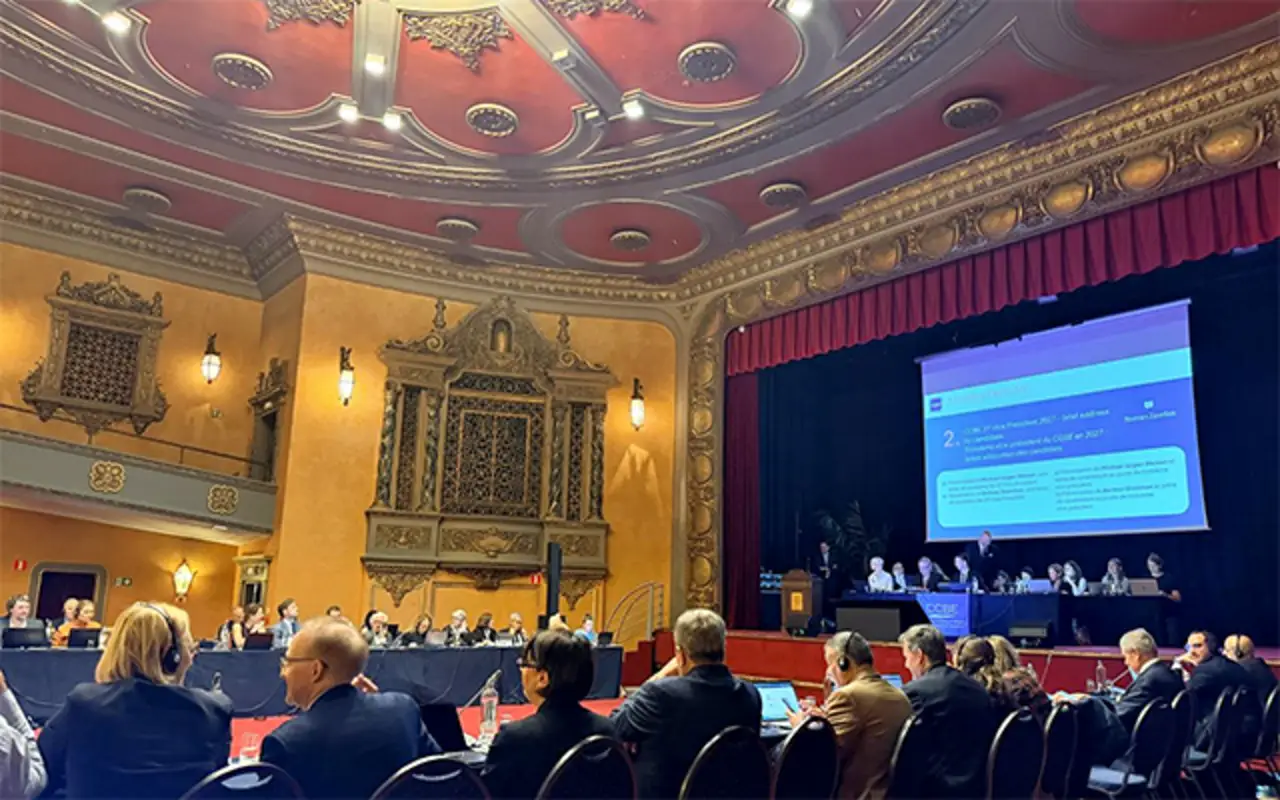
Today, October 2, a meeting of the Standing Committee of the Council of Bars and Law Societies of Europe (CCBE) is taking place in Brussels. On the agenda are the protection of the advocate profession, the rule of law, attorney-client privilege, and changes in the European justice system.
Rule of Law Roadmap
The UNBA presented the key provisions of the future law on advocacy in Brussels
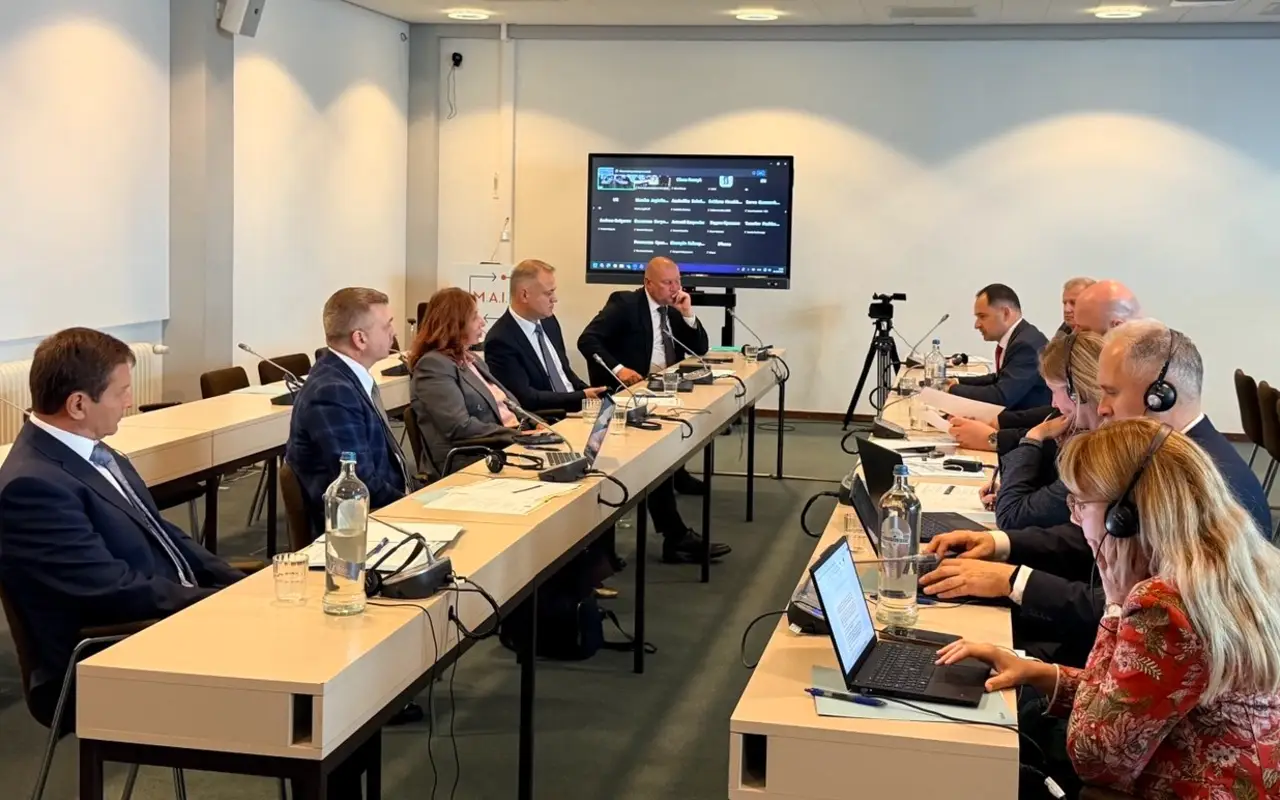
The Ukrainian National Bar Association presented its proposals for the upcoming law on advocacy, aligned with the Rule of Law Roadmap. The presentation covered topics such as access to the profession, self-governance, disciplinary procedures, professional development and guarantees for the practice of advocacy.

Educational events
Advocates were taught to voice their complaints without making accusations
In a difficult conversation, it’s easy to confuse facts with opinions, feelings with accusations, and requests with demands. How can you express dissatisfaction, explain your own needs, and propose a specific solution while still allowing your conversation partner the opportunity to refuse or suggest an alternative?
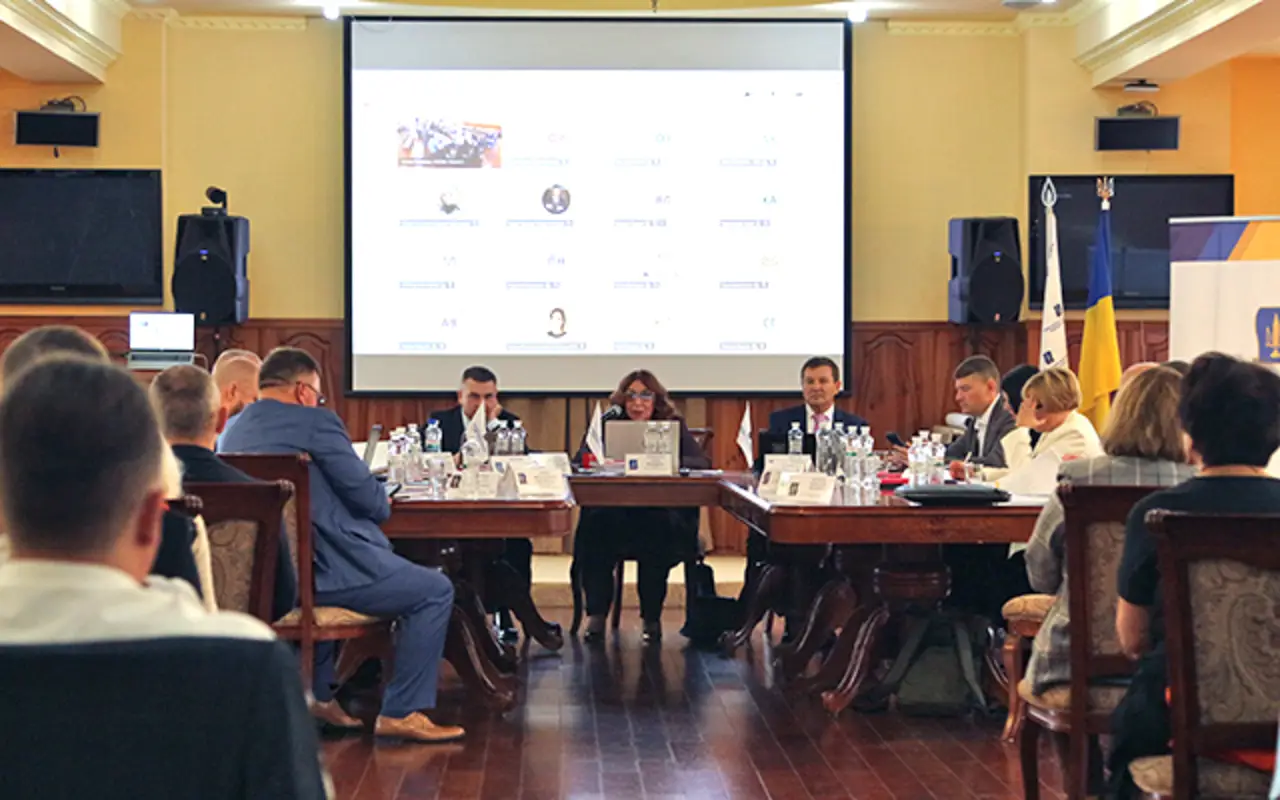
Guarantees of the practice of law
Independent oversight is necessary before using CISA materials against an advocate – Lidiya Izovitova
Before the prosecution uses information obtained during covert investigative actions and related to an advocate’s activities, independent procedural oversight must be conducted. It is necessary to determine whether such information is covered by attorney-client privilege and whether it may be disclosed.
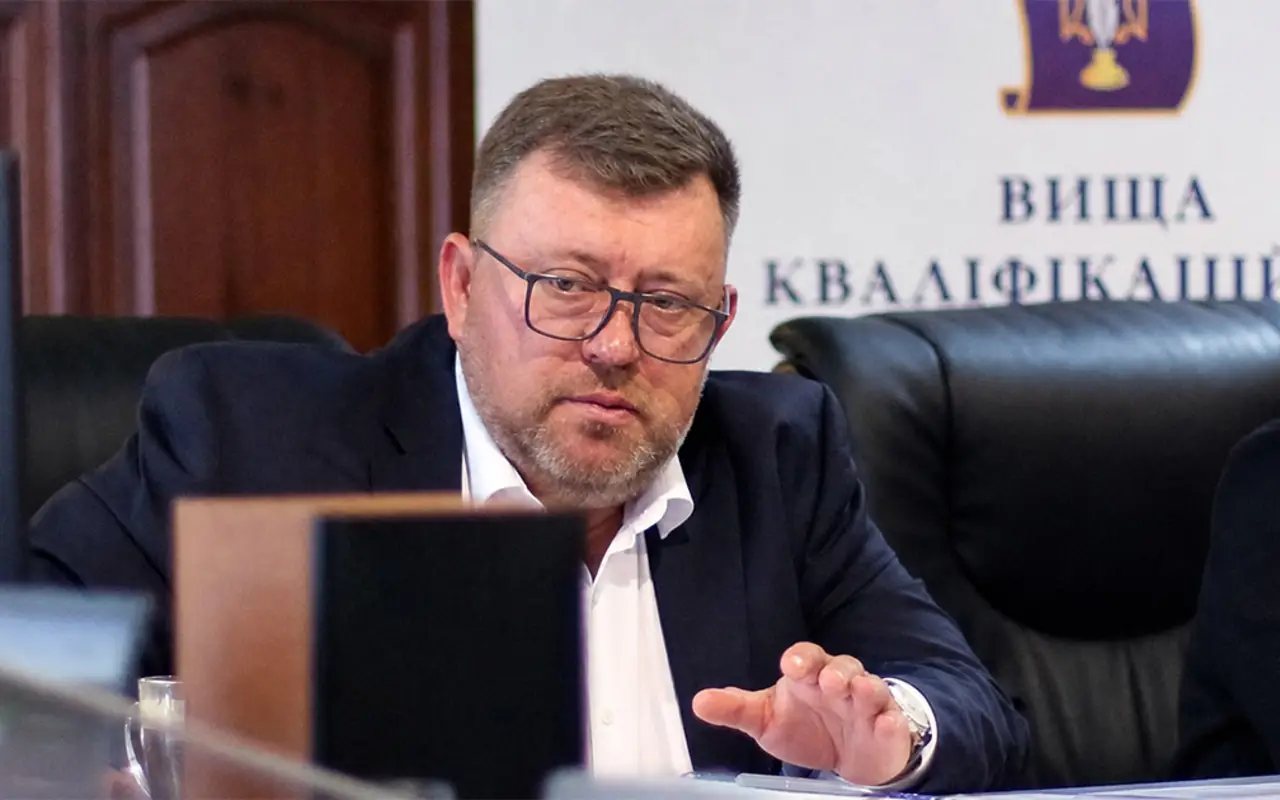
Self-government
Efforts to develop advocacy must be brought to fruition — A. Misyats
The Ukrainian advocacy profession is currently going through a critical phase. Amid the war, it must ensure the continuity of legal aid, defend the independence of the profession, and improve qualification and disciplinary procedures in accordance with European standards. The work that has been started must be brought to a practical conclusion.
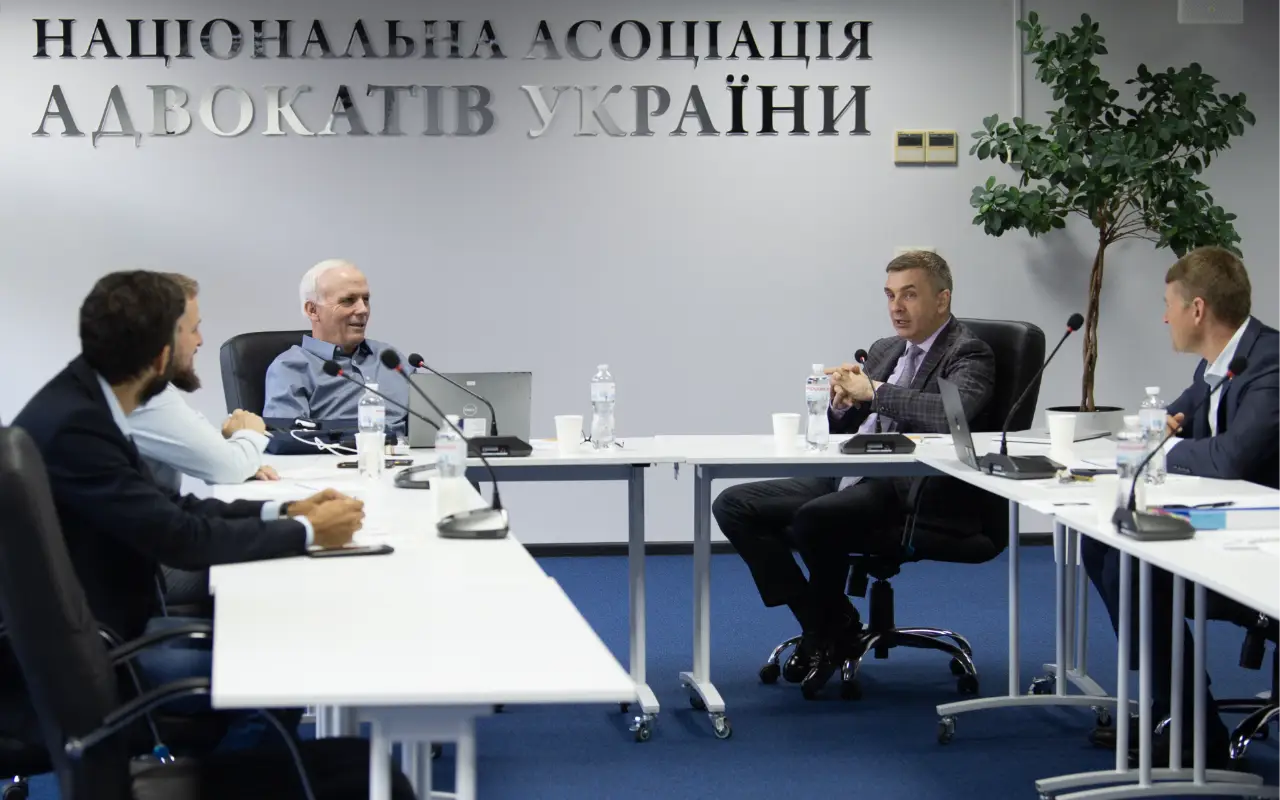
Support
Protecting the legal profession, cybersecurity and support for advocates: common themes for the IBA and the UNBA
On September 18, a working meeting was held at the office of the Ukrainian National Bar Association with Executive Director of the International Bar Association (IBA) Mark Ellis. The parties discussed the Ukrainian advocacy profession’s participation in European legal processes, the protection of the UNBA’s digital infrastructure, psychological support for advocates and future areas of cooperation.

Educational events
Not every eloquent phrase is persuasive: how an advocate should choose a speaking style
Rhetorical techniques are effective when they are tailored to the audience, the situation, and the purpose of the speech. Therefore, before speaking, an advocate should determine what message the court, client, or audience needs to hear and remember, and then choose the appropriate structure, examples, quotes and tone.
Publications

Vasyl Kolishnyi, «Law and Business» Supporting mental health should become part of the professional culture of the Bar, - H. Udovenko

Volodymyr Matsko Extradition during wartime: when the risks outweigh the request

Volodymyr Matsko Extradition as a systemic form of rights violations

Victoria Yakusha, Law and Business The anti-corruption vertical cannot «take care» of the Bar as an institution, - acting head of the HQDCB

Censor.net Protecting advocates – protecting justice: addressing concerns about the new law

Ihor Kolesnykov A BRIEF SUMMARY REGARDING THE APPLICATION OF THE ORDER ON EXTENDED CONFISCATION IN LATVIA REGARDING FINANCIAL ASSETS OF…

Valentyn Gvozdiy WORKING IN A WAR ZONE

Lydia Izovitova Formula of perfection