






How can an advocate verify that work has been completed if the client refuses to sign the report?

When billing by the hour, the primary document for determining the fee may be a detailed report on the time spent by the advocate and the work performed. To prevent the client from withholding payment, the contract should specify in advance the procedure for submitting and approving such a report.
Advocate Diana Yanko discussed this during the webinar «Effective client relations: practical experience in building transparent relationships, ethical communication and proper documentation». The event was organized by the UNBA NextGen in the Kharkiv region and moderated by regional representative Kateryna Dyoma.
For complex cases, the speaker advised including a provision in the contract stating that the scope, procedure, and terms of providing legal assistance are to be determined in separate supplementary agreements. Each such agreement can cover a separate court case, criminal proceeding, stage, or area of the client’s activities requiring the involvement of an advocate. It must specify the scope of the retainer, the limits of the advocate’s authority, and the amount and method of payment of the fee. This gives the client a clear understanding of exactly what work they are paying for, when, and how much.
D. Yanko described hourly billing as appropriate for lengthy, complex, and unpredictable cases in which the fee amount depends on the actual time spent. In such cases, the advocate keeps track of the time spent and, upon completion of the billing period specified in the contract, sends the client a detailed report listing the work performed.
The contract may also specify a timeframe within which the client must review the report and submit written, substantiated objections. The wording proposed by the speaker stipulates that, in the absence of objections within this timeframe, the report is deemed approved, and the services are considered to have been provided properly, in full, and accepted without reservations.
To this end, the contract must specify the agreed-upon channels of electronic communication: email addresses, phone numbers, and specific messaging apps. If the client uses a nickname, this should also be noted in the contract. In that case, correspondence and screenshots can confirm exactly with whom the exchange of information and documents took place.
Additional expenses that could not have been foreseen at the time the contract was signed should also be documented through the agreed-upon channels. As an example, D. Yanko cited a message specifying the amount of necessary expenses and requesting confirmation, along with the client’s reply: «I agree».
The same procedure can be applied to the final report following the termination or early cancellation of the contract. If the report is sent via an agreed-upon method and the client does not raise any objections within the specified time frame, the «tacit consent» provided for in the contract allows for the acceptance of the completed work to be documented.
According to D. Yanko, consistently documenting approvals and completed actions makes it possible to confirm that the advocate has properly fulfilled their obligations. «If a conflict arises with a client in the future and you have been diligently documenting approvals with the client, it won’t take you long to protect yourself and prove that you are in the right», - she concluded.
Popular news
Legislation
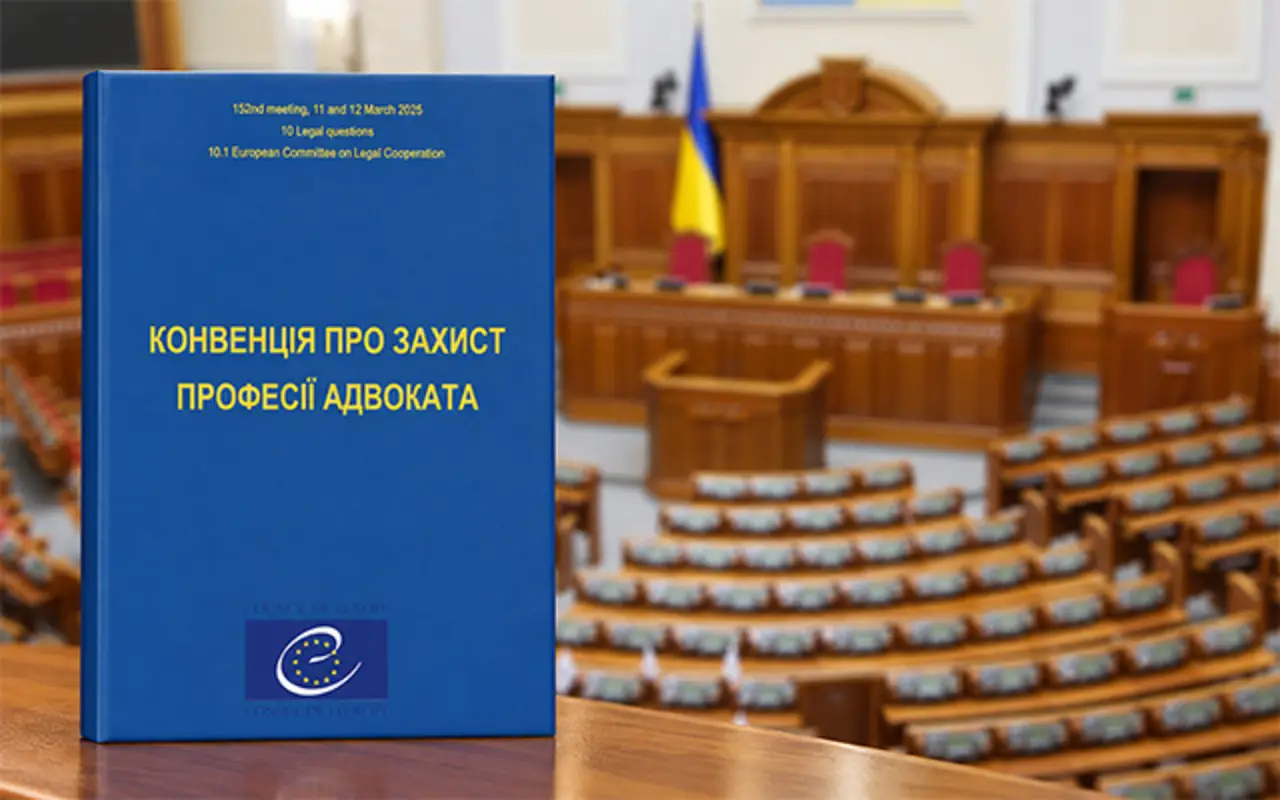
A bill implementing the Convention on the Protection of the Professions of Lawyer has been introduced
The constitutional guarantees of legal aid, defense, and the independence of advocacy cannot be realized without protecting advocates from unwarranted interference in their professional activities, including searches, the seizure of professional materials and the use of criminal procedural mechanisms to exert pressure.
Abroad
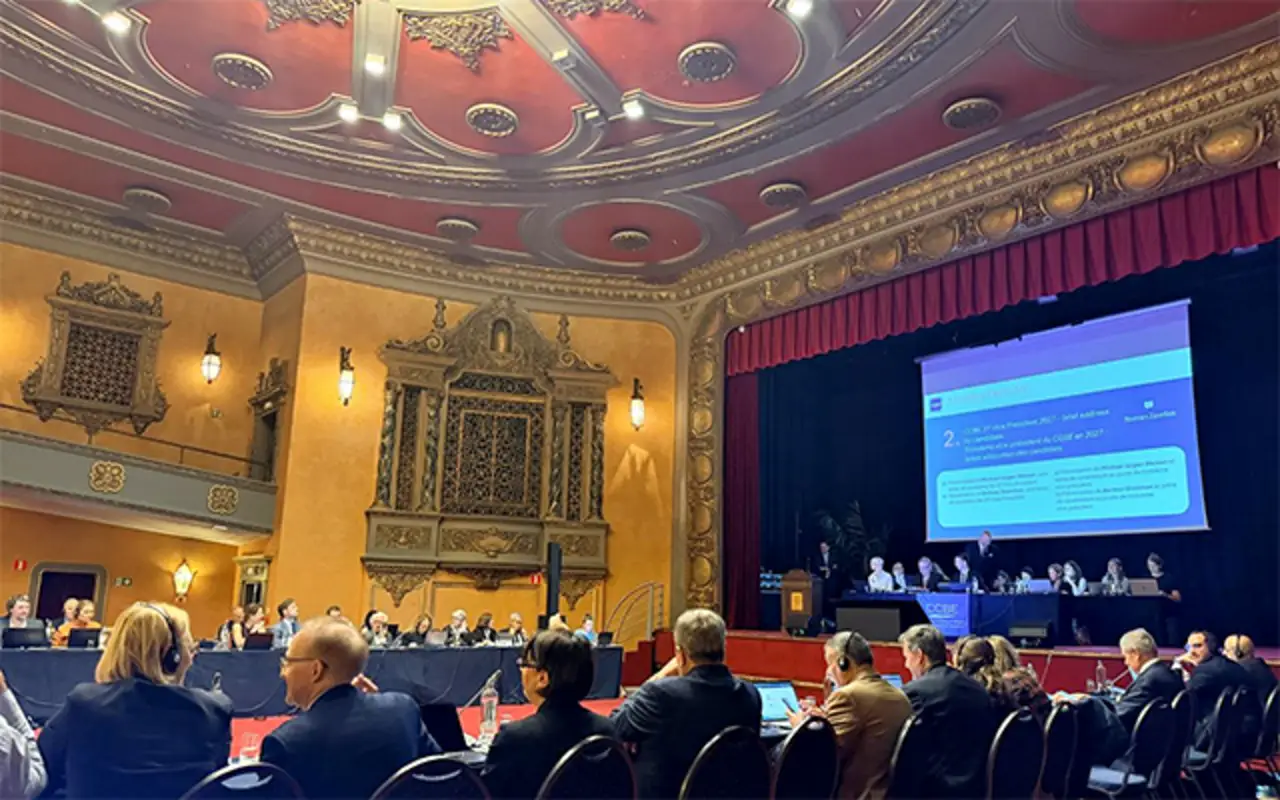
The CCBE is discussing European justice and issues related to the protection of advocates
Today, October 2, a meeting of the Standing Committee of the Council of Bars and Law Societies of Europe (CCBE) is taking place in Brussels. On the agenda are the protection of the advocate profession, the rule of law, attorney-client privilege, and changes in the European justice system.
Rule of Law Roadmap
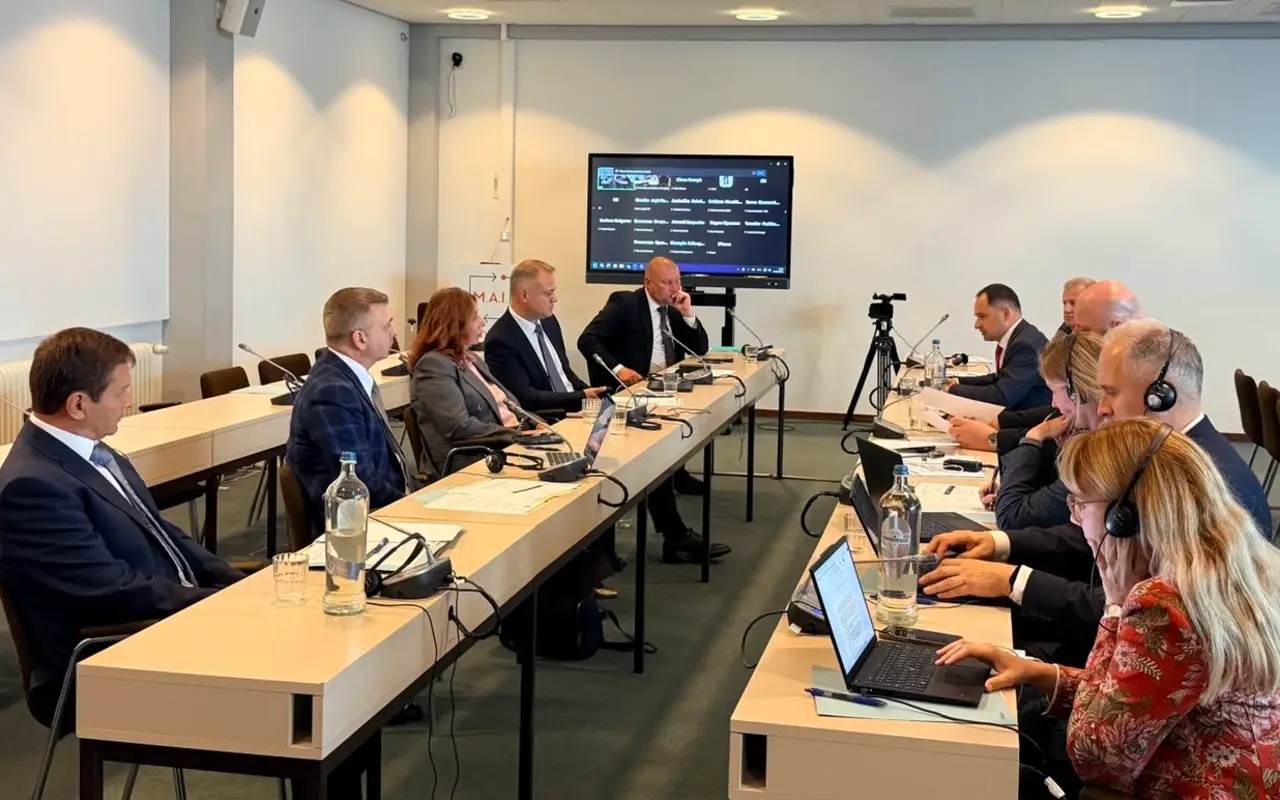
The UNBA presented the key provisions of the future law on advocacy in Brussels
The Ukrainian National Bar Association presented its proposals for the upcoming law on advocacy, aligned with the Rule of Law Roadmap. The presentation covered topics such as access to the profession, self-governance, disciplinary procedures, professional development and guarantees for the practice of advocacy.

Educational events
Advocates were taught to voice their complaints without making accusations
In a difficult conversation, it’s easy to confuse facts with opinions, feelings with accusations, and requests with demands. How can you express dissatisfaction, explain your own needs, and propose a specific solution while still allowing your conversation partner the opportunity to refuse or suggest an alternative?

Guarantees of the practice of law
Unrestricted access to advocates' accounts poses a risk of client data disclosure — BCU
Information regarding transactions in the bank accounts of an advocate, a law firm, or a bar association from which clients can be identified, as well as the fact and subject matter of a request for legal assistance, the purpose of payments, and the amount of the fee constitutes attorney-client privilege. This rule applies regardless of whether the information also constitutes banking information and is in the possession of a bank.

Guarantees of the practice of law
The contract provides for a video conference, but the court requires in-person appearance: how should an advocate proceed?
Many advocates today work remotely; therefore, their agreements with clients provide for the provision of legal assistance via videoconferencing. However, this form of work does not, in and of itself, create an unconditional obligation for the court to conduct every hearing via videoconference.

Guarantees of the practice of law
Independent oversight is necessary before using CISA materials against an advocate – Lidiya Izovitova
Before the prosecution uses information obtained during covert investigative actions and related to an advocate’s activities, independent procedural oversight must be conducted. It is necessary to determine whether such information is covered by attorney-client privilege and whether it may be disclosed.

Legislation
Handing over a bank card should not automatically constitute a crime – UNBA
Criminal liability for transferring a bank card or access to an account should arise only if it is proven that the person knew the card or account would be used as a means to commit an intentional crime. The mere fact that a payment instrument was transferred or that an account was used by a third party is not sufficient.
Publications

Vasyl Kolishnyi, «Law and Business» Supporting mental health should become part of the professional culture of the Bar, - H. Udovenko

Volodymyr Matsko Extradition during wartime: when the risks outweigh the request

Volodymyr Matsko Extradition as a systemic form of rights violations

Victoria Yakusha, Law and Business The anti-corruption vertical cannot «take care» of the Bar as an institution, - acting head of the HQDCB

Censor.net Protecting advocates – protecting justice: addressing concerns about the new law

Ihor Kolesnykov A BRIEF SUMMARY REGARDING THE APPLICATION OF THE ORDER ON EXTENDED CONFISCATION IN LATVIA REGARDING FINANCIAL ASSETS OF…

Valentyn Gvozdiy WORKING IN A WAR ZONE

Lydia Izovitova Formula of perfection

