
What an advocate can delegate to an assistant, colleagues and AI — and what they cannot
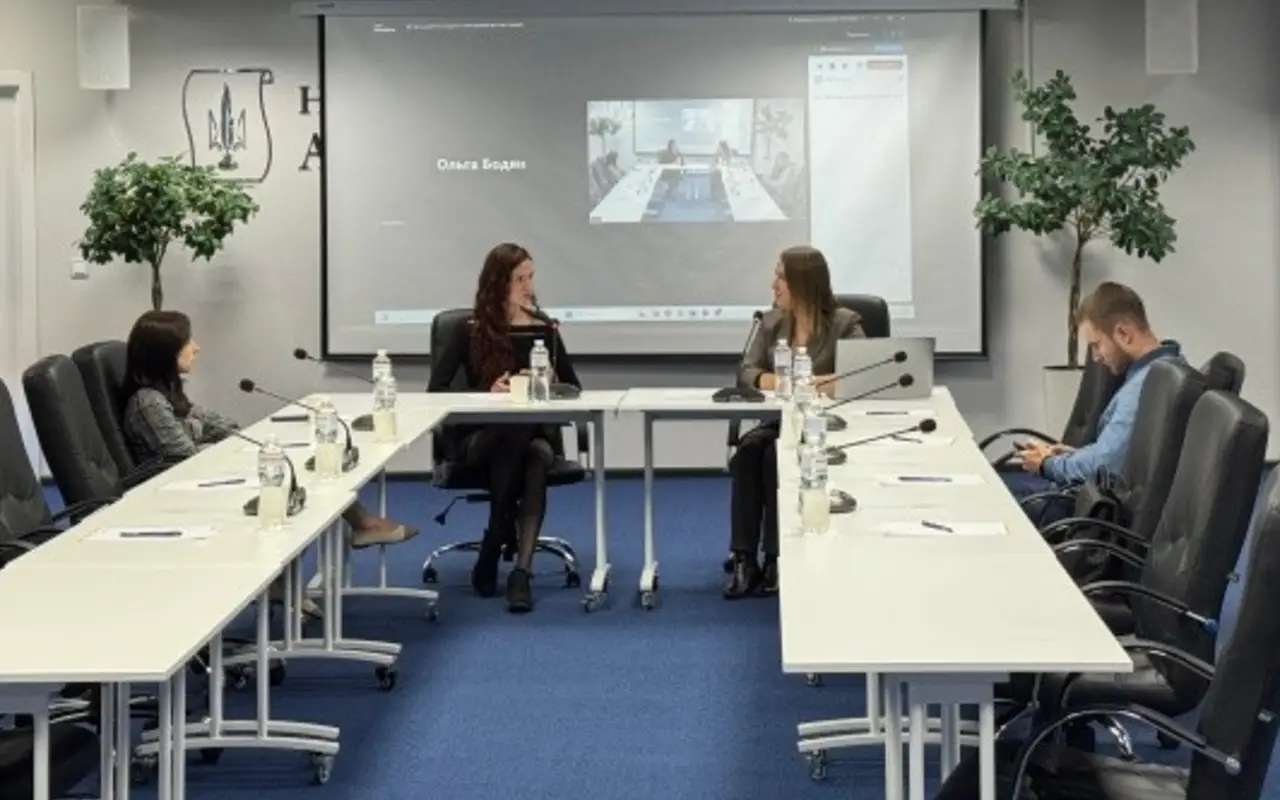
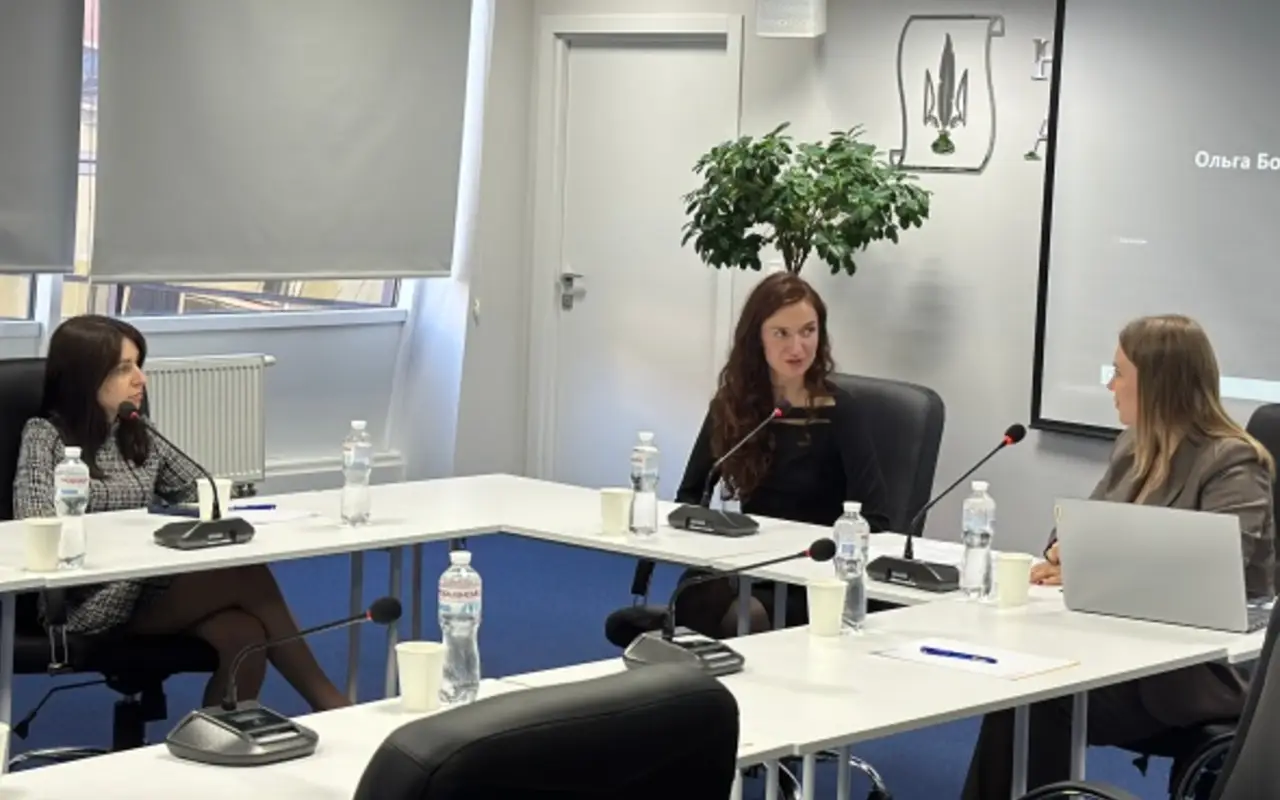
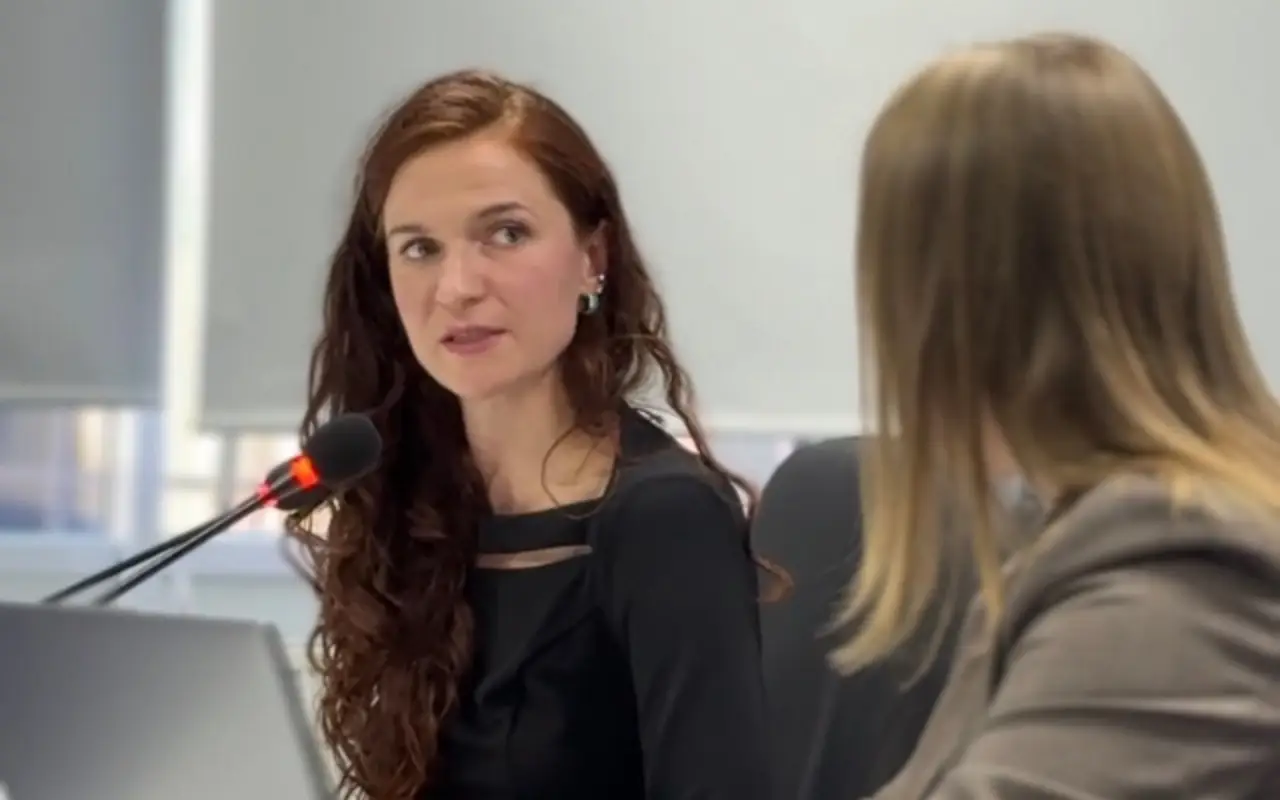
An advocate can delegate even a complex lawsuit to an assistant, consult with colleagues daily, and ask artificial intelligence to find relevant case law. However, it is up to the advocate to proofread the document, verify every reference, and decide what to disclose about the client’s case.
This was emphasized by advocate Daria Tarasenko during the webinar «Advocacy without a manual: an honest conversation about starting your career», organized by the UNBA NextGen in Kyiv. The meeting was moderated by the committee’s regional representative Olga Bodian.
The speaker advised young colleagues to hire an assistant as soon as the opportunity arises. According to her, without an assistant, an advocate wastes work time inefficiently: tasks such as sending mail, preparing a list of attachments, or filing documents with the court clerk’s office should be delegated. At the same time, an assistant is not just a courier. A qualified assistant can even be entrusted with preparing complex complaints.
D. Tarasenko reserves the right to review the final document herself. «The responsibility will always rest with me. There can be no situation where a lawyer’s request or complaint is sent somewhere without my having seen it», - she emphasized. The speaker called the belief that no one can do the work better than the advocate herself a misconception. Documents such as motions to review case materials, where imperfect wording will not affect the outcome, should be delegated. An advocate is better off spending her own time on tasks that only she can perform.
Similarly, the advocate distinguished between transferring a case to a colleague and maintaining responsibility toward the client. If an issue falls outside her area of expertise, she informs the client from the outset that another advocate will be handling the case and refers them to a colleague.
The advocate makes key decisions regarding the legal position and strategy in the case independently and bears sole responsibility for them. However, consulting with colleagues is not a sign of weakness. Rather, it is a way to hear an alternative perspective. D. Tarasenko’s team plays a unique game: one advocate presents the facts of the case, while another challenges them from the opposing side’s perspective. It is through such discussions that clearer arguments emerge, weaknesses are identified, and a strong legal position is formed.
An advocate should not shift the consequences of their own mistakes onto someone else. D. Tarasenko advised being honest with clients about the case’s problematic areas. In one of her cases, the court applied an ineffective method of defending the violated right, and the ruling in the client’s favor did not yield the desired result. The speaker prepared and filed the second lawsuit free of charge, considering it a way to correct her own mistake.
Separately, the advocate cautioned against the use of artificial intelligence. She considers it acceptable to have AI search for case law, provided that the results are verified. As an example, she cited the defendant’s appeal in one of her cases. Based on certain indicators, D. Tarasenko realized that the opposing counsel had prepared the text using AI. Upon reviewing the Supreme Court rulings cited by the opposing side, she discovered that the case law actually favored her client.
The advocate also decides for herself what can be disclosed publicly about a case. D. Tarasenko explained that when describing cases on social media, she takes care to ensure that the client cannot be identified. She does not answer follow-up questions about specific details. One of the rulings in her case ended up in a registry with restricted access, and sharing it with colleagues was important for establishing best practices. Therefore, the speaker first obtained the client’s written consent to disclose the content of the ruling. But if there is any doubt, it is better not to publish it, she concluded.
Previously, UNBA NextGen speakers discussed when a lawyer should tell a client «I don’t know», identified common mistakes in communicating with clients and explained when to turn down a potential client. The psychological readiness of young lawyers for practice was discussed at a previous UNBA NextGen webinar in Kyiv.
© 2026 Unba.org.ua Всі права захищені
"Національна Асоціація Адвокатів України". Передрук та інше використання матеріалів, що розміщені на даному веб-сайті дозволяється за умови посилання на джерело. Інтернет-видання та засоби масової інформації можуть використовувати матеріали сайту, розміщувати відео з офіційного веб-сайту Національної Асоціації Адвокатів України на власних веб-сторінках, за умови гіперпосилання на офіційний веб-сайт Національної Асоціації Адвокатів України. Заборонено передрук та використання матеріалів, у яких міститься посилання на інші інтернет-видання та засоби масової інформації. Матеріали позначені міткою "Реклама", публікуються на правах реклами.