


When an advocate should turn down a potential client

Disrespect, overfamiliarity, demands for guaranteed results, and a reluctance to take the necessary steps may indicate a risk of conflict between an advocate and a client. It is important to identify these warning signs during the initial conversation, before entering into a legal services agreement.
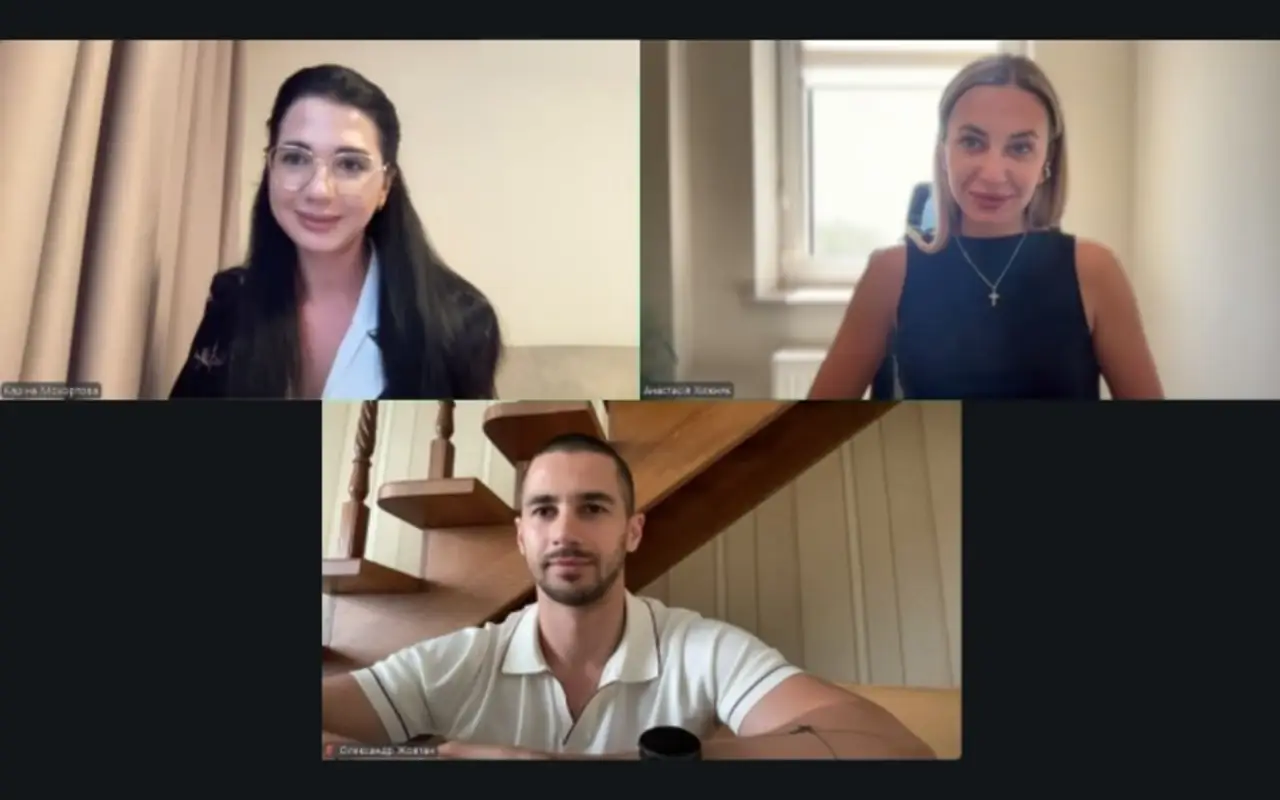
This topic was discussed during the webinar «Not every client is your client: how to tell if a client Is ready to cooperate and recognize a conflict right from the start», hosted by the UNBA NextGen in the Mykolaiv region. The moderator and presenter was the Committee’s regional representative Anna Zlatina and the speaker was psychologist Yana Gaevska.
Among the first warning signs of a risky collaboration, Y. Gaevska cited disrespect, overfamiliarity, and shifting all responsibility onto the professional. According to her, the client must participate in the process, specifically by taking the actions necessary to achieve the desired outcome. When a person expects the advocate to single-handedly secure the desired result, this can serve as grounds for refusing to work together.
A. Zlatina explained that before entering into a contract, the advocate should explain to the client, as transparently as possible, the challenges and strengths of the situation, the potential risks, and the approximate likelihood of achieving the desired outcome. It is also advisable to specify the list of actions for which the advocate assumes responsibility. If the client continues to demand a 100% guarantee after this, the advocate may refuse to cooperate or explicitly state in the contract that there is no guarantee of a specific outcome.
A red flag may be the client demonstratively shifting all responsibility for the case onto the advocate. Phrases like «I trust you» or «you’ll make everything work out» sound positive on their own, but in certain contexts can imply an expectation that the professional will do all the work and guarantee the result. This pattern is also indicated by a situation where the client is required to provide documents or take other actions but fails to do so.
The advocate also cautioned against situations where a client asks who needs to be paid and how much to resolve the issue. According to her, such proposals create risks related to improper benefits, and the person may be approaching the advocate with a hidden or provocative agenda.
To assess a person’s readiness for constructive cooperation, Y. Gaevska advised asking specific questions: what the client has already done, what materials they have, and what outcome they expect. The person asking the questions guides the conversation and can structure the inquiry. A chaotic account of the circumstances without clarification makes it difficult to define the task and creates the conditions for unrealistic expectations.
At the same time, a single expression of dissatisfaction does not necessarily mean that cooperation is impossible. The psychologist advised first seeking a compromise and explaining one’s position, relying on facts and professional expertise. When a client does not accept the arguments, continues to pressure, and rejects the proposed solutions, it is advisable to politely conclude the conversation.
Popular news
Interaction
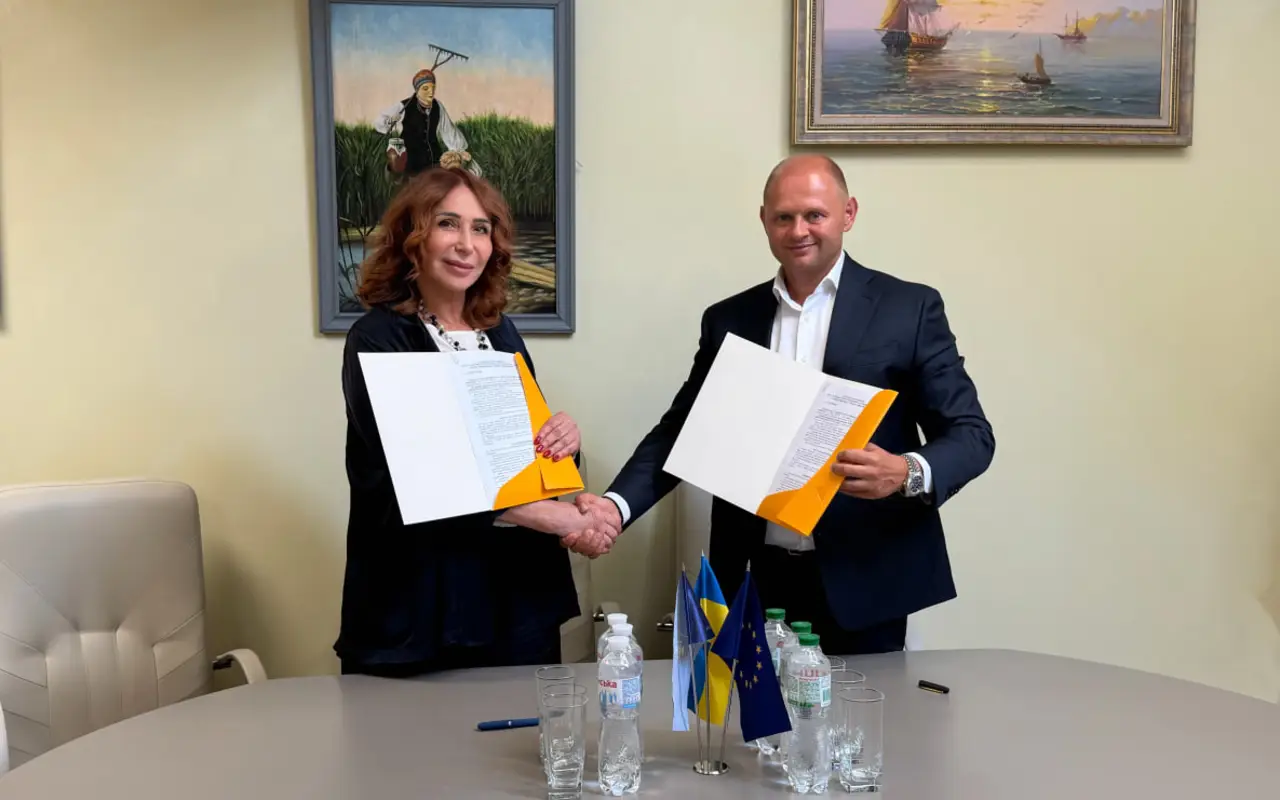
Energy law: the UNBA and the ADMGE have agreed to cooperate
Advocates will deepen their professional expertise in the field of energy law, and participants in the distributed and flexible generation market will have greater opportunities to obtain professional legal assistance.
Discussion
The Ministry of Defense is preparing new procedures for MMC: what changes are being proposed
The Ministry of Defense is establishing an interagency working group to develop a new procedure for military medical examinations conducted by military medical commissions. Among the issues requiring resolution are the issuance of documents based on examination results, referrals for repeat medical examinations, verification of the medical basis for decisions, and the accountability of military medical commission members.
Interaction
The UNBA is developing a concept for a Center for expert research
The Ukrainian National Bar Association has begun work on a concept for a Center for expert research, which is intended to provide advocates and their clients with access to specialized knowledge and the ability to have expert opinions professionally reviewed.
Guarantees of the practice of law
Ombudsman calls for a firm response to violence against advocates
Every instance of obstruction of an advocate’s lawful activities, use of physical force, delaying an investigation, or concealment of evidence must be subject to a proper legal assessment. The state is obligated to ensure that the right to a defense is a genuine guarantee.
Greetings
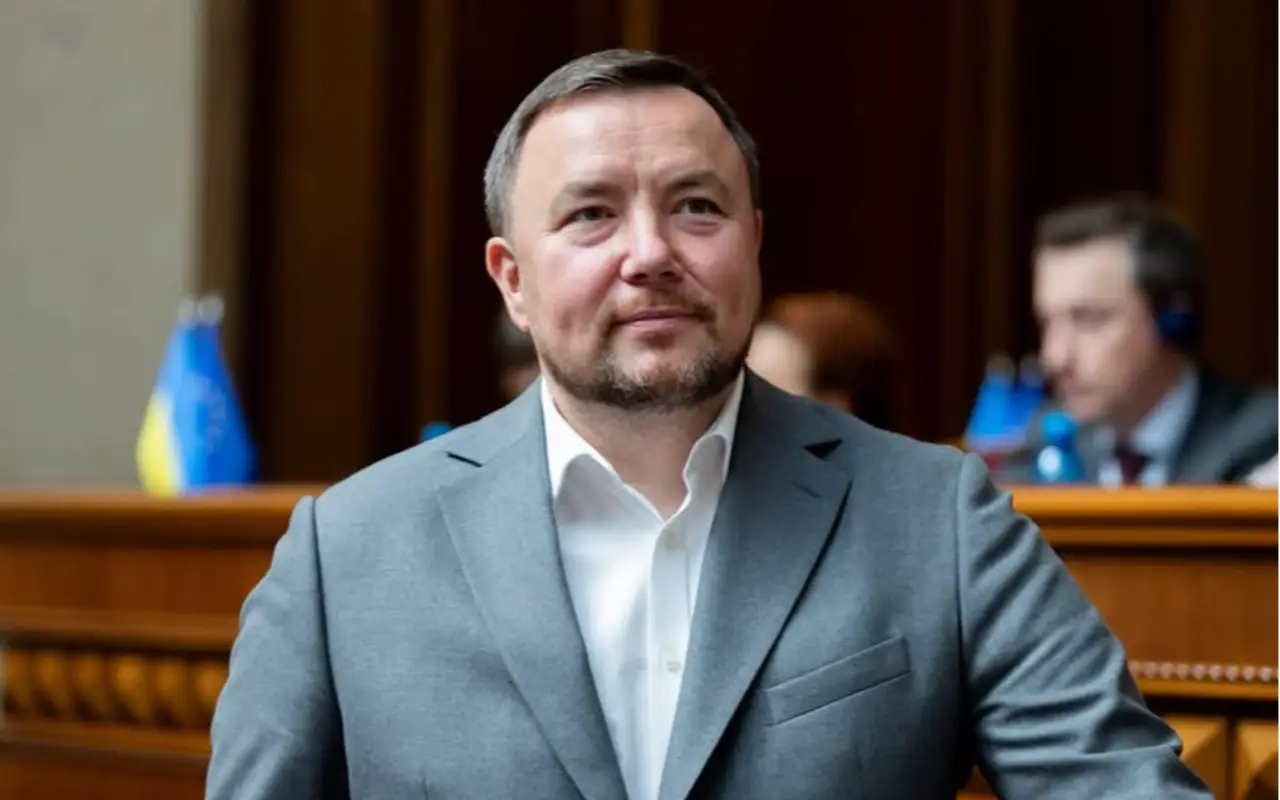
The UNBA congratulates Denis Maslov on his appointment as Minister of Justice
Denis Maslov’s many years of experience as a advocate, his work as a judge and his tenure as chairman of the Verkhovna Rada of Ukraine’s Committee on legal policy have given him a deep understanding of how the legal system functions and the challenges it faces.
Legislation
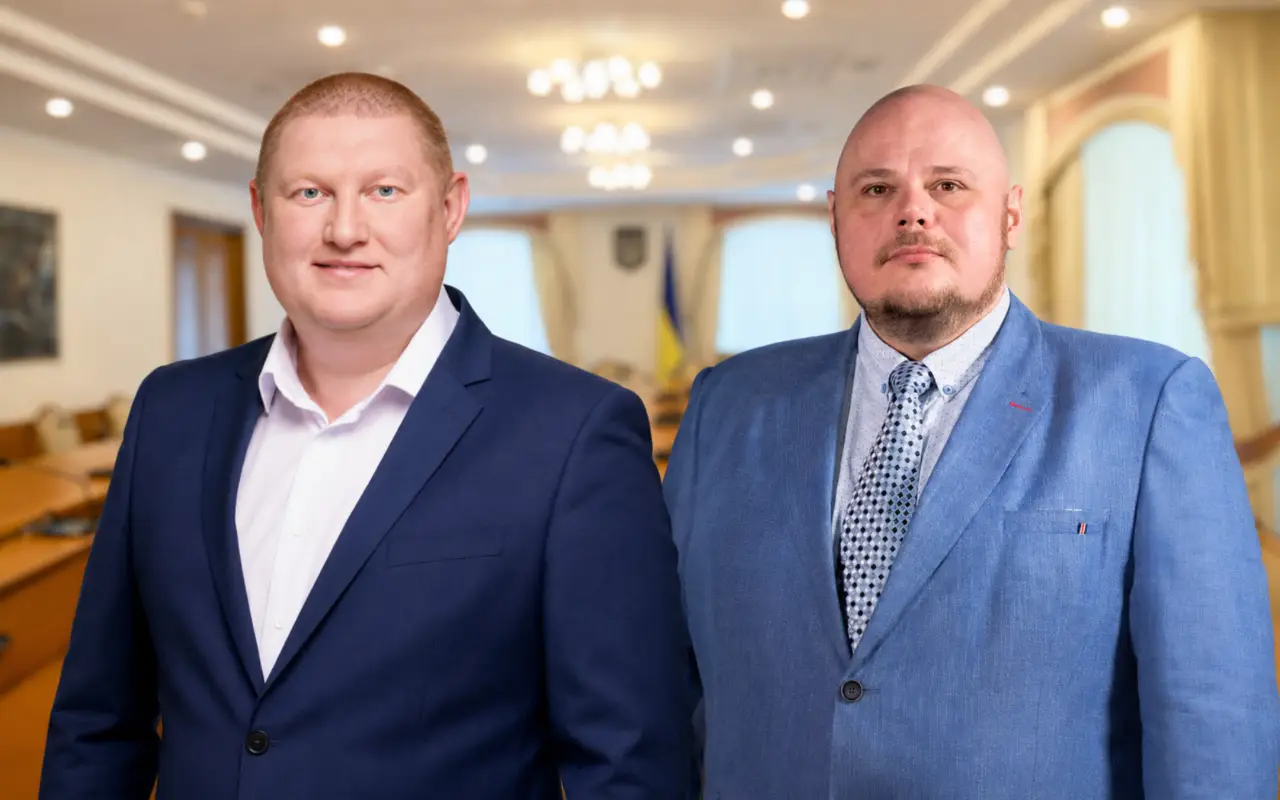
The Verkhovna Rada explained why the section on advocacy should be removed from the anti-corruption strategy
The section on advocacy and legal aid in the draft anti-corruption strategy for 2026–2030 goes beyond the scope of anti-corruption policy and is inconsistent with the constitutional guarantees of the independence of the legal profession.

Announcements
Advocates are invited to the III UAA Arbitration Academy 2026
The UNBA, at the initiative of the Committee on alternative dispute resolution, invites advocates, lawyers, students, judges, government officials and anyone interested in international arbitration to participate in the III UAA Arbitration Academy 2026.
Educational events
From solo-practice to a team: what advocates need to consider
Scaling a law practice begins when the number of clients, the volume of cases, and new requests already require the support of a team. A new office or an expansion of staff should be a direct result of this need.
Publications

Volodymyr Matsko Extradition during wartime: when the risks outweigh the request

Volodymyr Matsko Extradition as a systemic form of rights violations

Victoria Yakusha, Law and Business The anti-corruption vertical cannot «take care» of the Bar as an institution, - acting head of the HQDCB

Censor.net Protecting advocates – protecting justice: addressing concerns about the new law

Ihor Kolesnykov A BRIEF SUMMARY REGARDING THE APPLICATION OF THE ORDER ON EXTENDED CONFISCATION IN LATVIA REGARDING FINANCIAL ASSETS OF…

Valentyn Gvozdiy WORKING IN A WAR ZONE

Lydia Izovitova Formula of perfection

Sergiy Vylkov Our judicial system is so built that courts do not trust advocates