






A webinar explored the psychological readiness of young advocates for practice

Professionals at the start of their careers often face challenges that make them feel isolated. But many people go through these difficulties: the first year is a period of adapting theoretical knowledge to practical experience and developing an understanding of oneself as a professional.
The psychology of a successful start for an advocate was discussed during a thematic webinar organized by Olga Bodian, a representative of the UNBA NextGen in Kyiv. The speaker was practicing psychologist Marina Nazarova.
She began with professional identity, defining this concept as a person’s perception of themselves as a professional: who I am, what I am like and why I chose this profession. This forms the basis for motivation, a sense of professional purpose, the realization of one’s potential, and an understanding of the direction of one’s development.
To explore this topic, participants were asked to answer five questions: What are my strengths as an advocate? What are my weaknesses? What value can I offer my clients? What sets me apart from other advocates? Why did I choose this profession? M. Nazarova explained that these answers provide an inner foundation and help one understand how to further build one’s professional career.
The speaker then moved on to the topic of motivation. M. Nazarova distinguished between external motivation — recognition, money, status, and others’ expectations — and internal motivation, which is linked to personal interest, the value of one’s work, and an understanding of why a person chose this particular profession. She noted that while external motivation can drive progress, one should not rely solely on external factors.
Issues related to communication with clients were also discussed. M. Nazarova analyzed typical challenging situations: pressure from tight deadlines, devaluation of the work’s worth, emotional pressure stemming from feelings of guilt, the constant expansion of the workload, and threats of negative feedback.
Speaking about interactions with law enforcement agencies, the psychologist noted that employees of different agencies have different personalities, so it is necessary to adapt one’s communication style. At the same time, she cautioned against condescension in communication and emphasized the importance of communicating on an equal footing.
The final part of the event focused on resources and burnout prevention. The speaker identified six types of resources: time, information, social connections, money, skills or knowledge, and one’s personal well-being. According to her, frequent illnesses can be the first sign that a person needs rest, and consistently ignoring one’s needs can lead to emotional burnout.
In conclusion, M. Nazarova noted that advocates need to build a professional identity, objectively evaluate their work, identify their own motivation and prioritize rest and resources.
Popular news

Legislation
Proceedings against military personnel following AWOL require clear deadlines — UNBA
A soldier’s return to duty after AWOL does not necessarily mean the end of criminal proceedings. To ensure that the case does not remain at the pretrial investigation stage, a clear procedure for the investigator and prosecutor is required.

Legislation
The UNBA warned of the risk of customs barriers for Ukrainian paper and furniture
Ukraine’s anti-deforestation rules are intended to preserve export access to the EU market. However, without paper and furniture on the list of goods, without effective sanctions, and with enforcement beginning only in 2030, these rules could hinder that goal.

Guarantees of the practice of law
Guarantees for advocacy without protective measures: proposed changes to the codes
The current law sets forth the rights and guarantees of the legal profession, but lacks the tools to protect them. The future law on advocacy is intended to fill this gap through amendments to criminal, administrative and procedural legislation.
Legislation
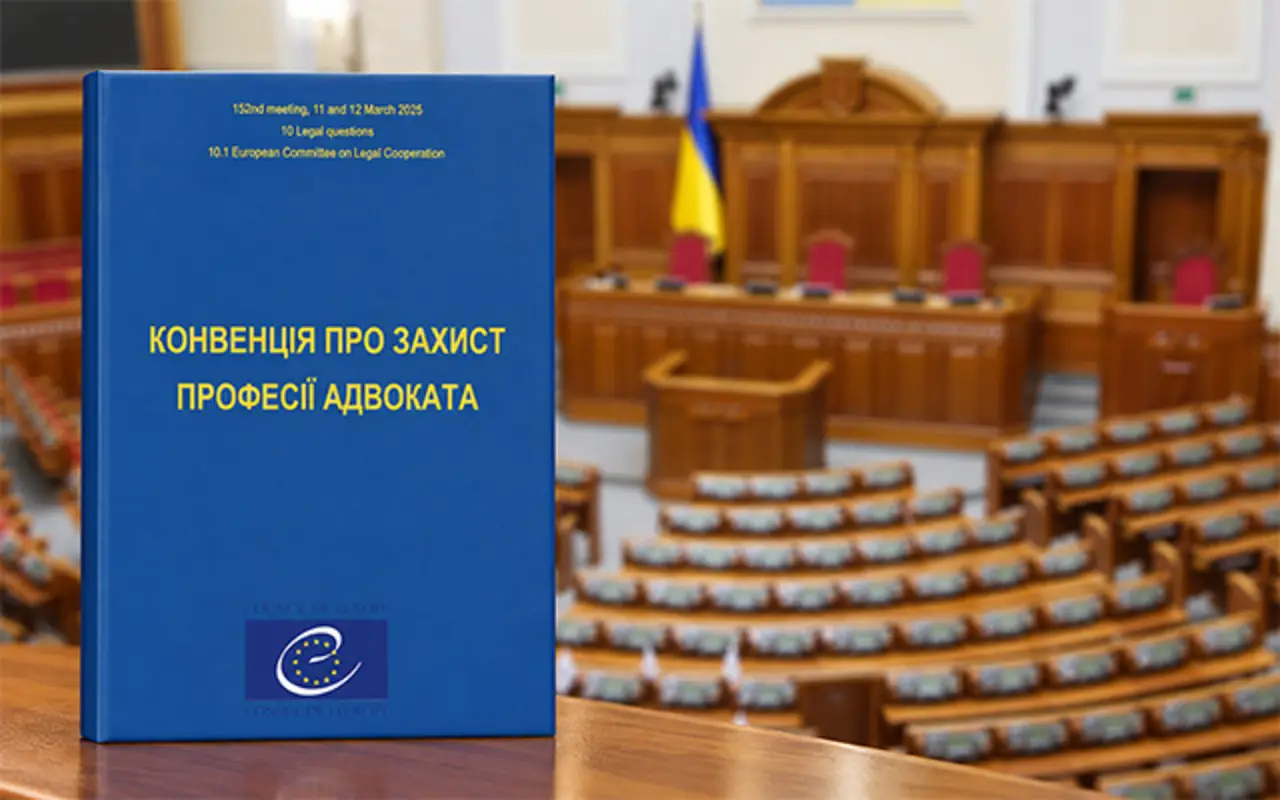
A bill implementing the Convention on the Protection of the Professions of Lawyer has been introduced
The constitutional guarantees of legal aid, defense, and the independence of advocacy cannot be realized without protecting advocates from unwarranted interference in their professional activities, including searches, the seizure of professional materials and the use of criminal procedural mechanisms to exert pressure.
Discussion
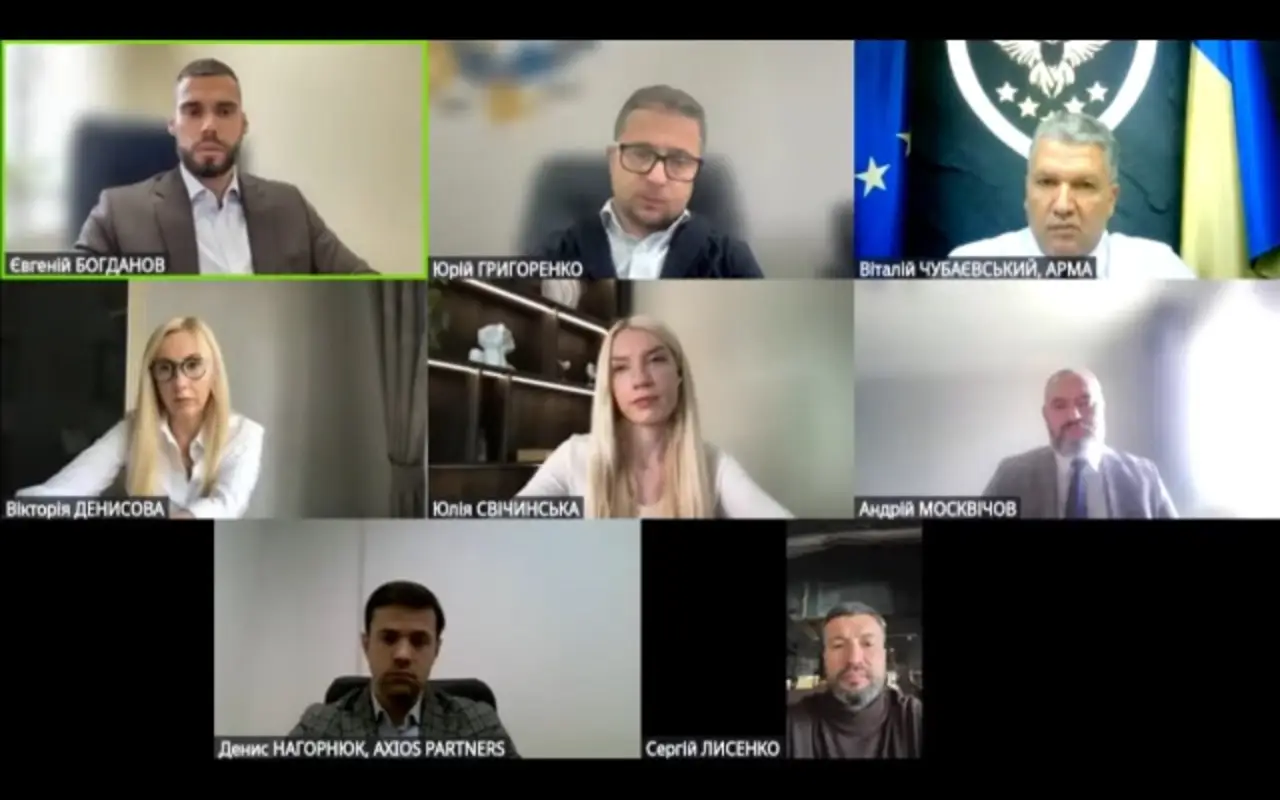
War-related business losses: from documenting damage to seeking sources of compensation
How can businesses document war-related losses without losing evidence during the recovery process? What does an insurance policy actually cover, and where can assets be found for recovery? These are the questions facing businesses for which a court ruling does not yet mean actual compensation.
Abroad
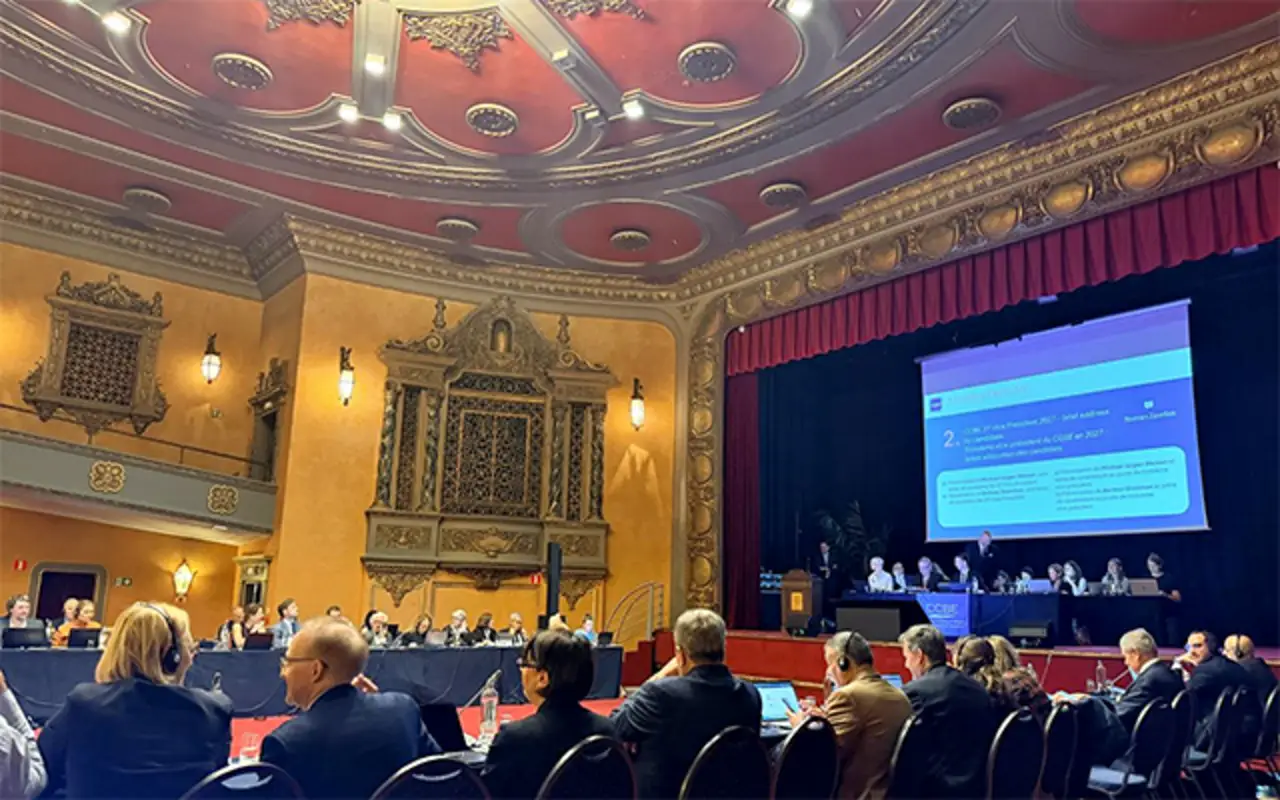
The CCBE is discussing European justice and issues related to the protection of advocates
Today, October 2, a meeting of the Standing Committee of the Council of Bars and Law Societies of Europe (CCBE) is taking place in Brussels. On the agenda are the protection of the advocate profession, the rule of law, attorney-client privilege, and changes in the European justice system.
Rule of Law Roadmap
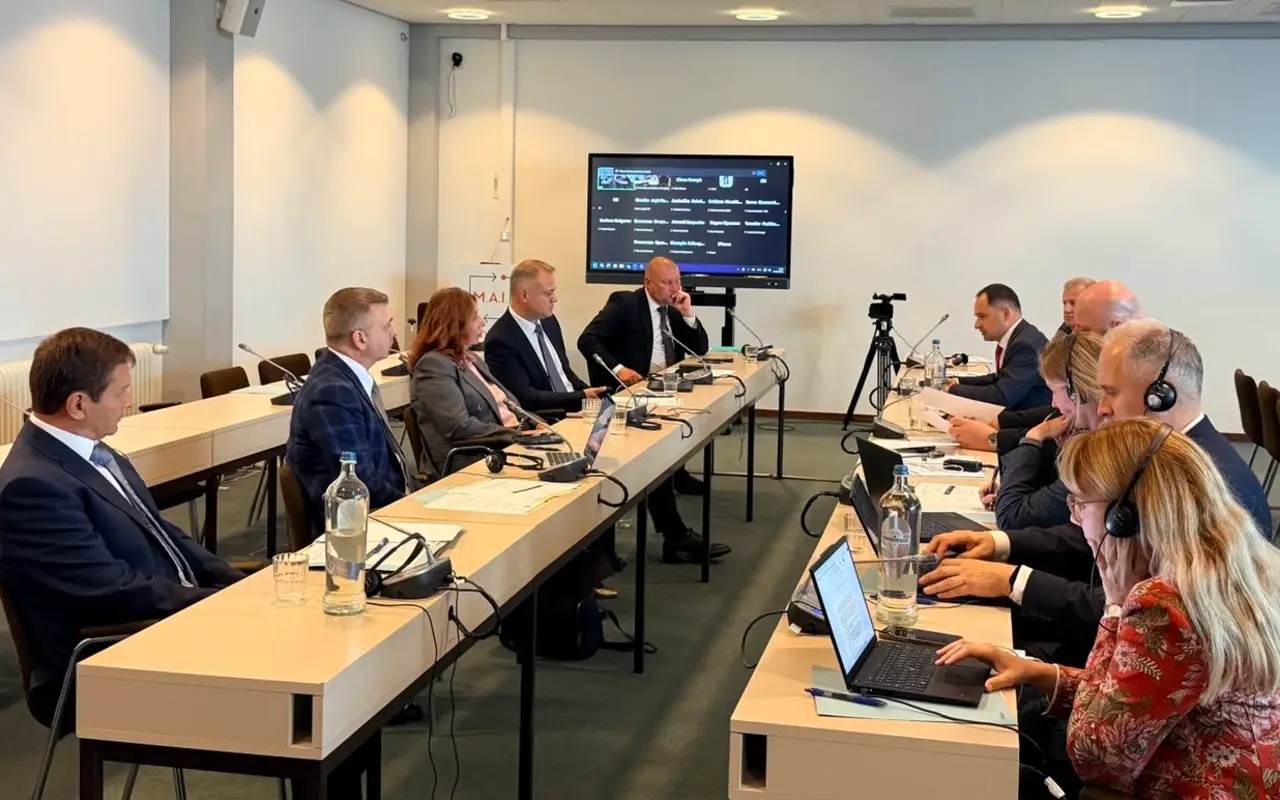
The UNBA presented the key provisions of the future law on advocacy in Brussels
The Ukrainian National Bar Association presented its proposals for the upcoming law on advocacy, aligned with the Rule of Law Roadmap. The presentation covered topics such as access to the profession, self-governance, disciplinary procedures, professional development and guarantees for the practice of advocacy.

Discussion
First the return of assets, then subsidiary liability — an opinion
In bankruptcy cases, the legal entity’s ability to preserve and restore the financial foundation of its operations requires legal protection. In this regard, the right to solvency in which the legal entity is the aggrieved party should be an independent object of legal protection.
Publications

Vasyl Kolishnyi, «Law and Business» Supporting mental health should become part of the professional culture of the Bar, - H. Udovenko

Volodymyr Matsko Extradition during wartime: when the risks outweigh the request

Volodymyr Matsko Extradition as a systemic form of rights violations

Victoria Yakusha, Law and Business The anti-corruption vertical cannot «take care» of the Bar as an institution, - acting head of the HQDCB

Censor.net Protecting advocates – protecting justice: addressing concerns about the new law

Ihor Kolesnykov A BRIEF SUMMARY REGARDING THE APPLICATION OF THE ORDER ON EXTENDED CONFISCATION IN LATVIA REGARDING FINANCIAL ASSETS OF…

Valentyn Gvozdiy WORKING IN A WAR ZONE

Lydia Izovitova Formula of perfection

