






When should an advocate tell a client «I don’t know»?

If an advocate is unsure of the answer, it is better to tell the client directly that the issue requires further review of case law, rather than promising a guaranteed outcome. It is precisely in these moments, when the client realizes that the advocate is telling the truth, that trust is built.
The relationship between an advocate and a client was discussed during the webinar «How an advocate can build a career based on trust, not just the law», organized by the UNBA NextGen in Kyiv. The speaker was advocate Inna Petelko. The moderator and presenter was the Committee’s regional representative Svitlana Mykhailyk.
I. Petelko identified the desire to know everything as one of the mistakes made at the beginning of her practice. At the same time, she drew attention to the existence of differing positions by the Supreme Court in similar legal situations and the constant evolution of case law. Therefore, the speaker advised advocates to choose a specialization and focus on two or three areas.
S. Mykhailyk recalled that while working at a law firm, a single advocate could handle a client’s business affairs, participate in a search, and manage their family law case. Working in this manner was challenging, as it is impossible to be equally well-versed in all areas of law. After trying out various practice areas, the advocate determined which ones she wanted to pursue and decided to refer clients to colleagues for other matters.
I. Petelko advised not to be afraid to tell a client: «I don’t know the specifics of this issue», «I’m not sure» or «I need to review the case law». She described the worst approach as assuring a client that the case will definitely end in victory.
If a question arises during work in an area where one lacks experience, S. Mykhailyk advised reaching out to colleagues. She explained that she consults with an advocate who practices criminal law regarding certain procedural nuances and turns to her when civil procedure issues arise in criminal proceedings. Colleagues can also draw attention to new Supreme Court precedents that an advocate may have missed.
I. Petelko noted that a reluctance to seek advice can be a sign of immaturity. According to her, an advocate must constantly learn and exchange experiences with colleagues.
The webinar placed particular emphasis on explaining possible courses of action to the client. An advocate should not make decisions on the client’s behalf. The role of a legal professional is to present options, explain their risks and consequences, after which the client chooses a course of action on their own.
Explanations should be given in plain language, as clients may not understand the difference between a court order and a court decision or the meaning of legal terminology. After the consultation, it is important to check whether the client has understood the recommendation and whether they need further clarification.
«Be honest with your clients; don’t tell them fairy tales», - urged I. Petelko. According to her, the truth will eventually come out anyway, and it will be difficult to restore the reputation of a trusted advocate.
Popular news

Legislation
Proceedings against military personnel following AWOL require clear deadlines — UNBA
A soldier’s return to duty after AWOL does not necessarily mean the end of criminal proceedings. To ensure that the case does not remain at the pretrial investigation stage, a clear procedure for the investigator and prosecutor is required.

Legislation
The UNBA warned of the risk of customs barriers for Ukrainian paper and furniture
Ukraine’s anti-deforestation rules are intended to preserve export access to the EU market. However, without paper and furniture on the list of goods, without effective sanctions, and with enforcement beginning only in 2030, these rules could hinder that goal.

Guarantees of the practice of law
Guarantees for advocacy without protective measures: proposed changes to the codes
The current law sets forth the rights and guarantees of the legal profession, but lacks the tools to protect them. The future law on advocacy is intended to fill this gap through amendments to criminal, administrative and procedural legislation.
Legislation
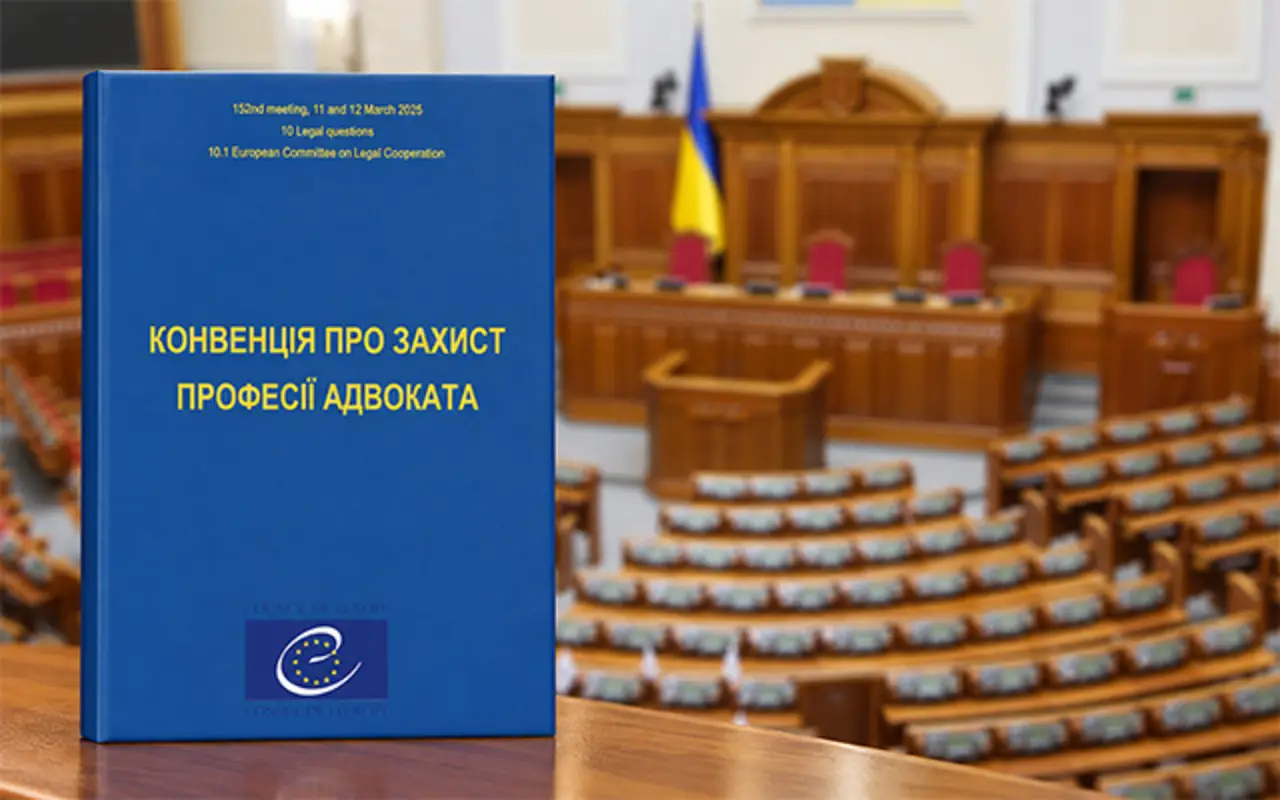
A bill implementing the Convention on the Protection of the Professions of Lawyer has been introduced
The constitutional guarantees of legal aid, defense, and the independence of advocacy cannot be realized without protecting advocates from unwarranted interference in their professional activities, including searches, the seizure of professional materials and the use of criminal procedural mechanisms to exert pressure.

Discussion
War-related business losses: from documenting damage to seeking sources of compensation
How can businesses document war-related losses without losing evidence during the recovery process? What does an insurance policy actually cover, and where can assets be found for recovery? These are the questions facing businesses for which a court ruling does not yet mean actual compensation.
Abroad
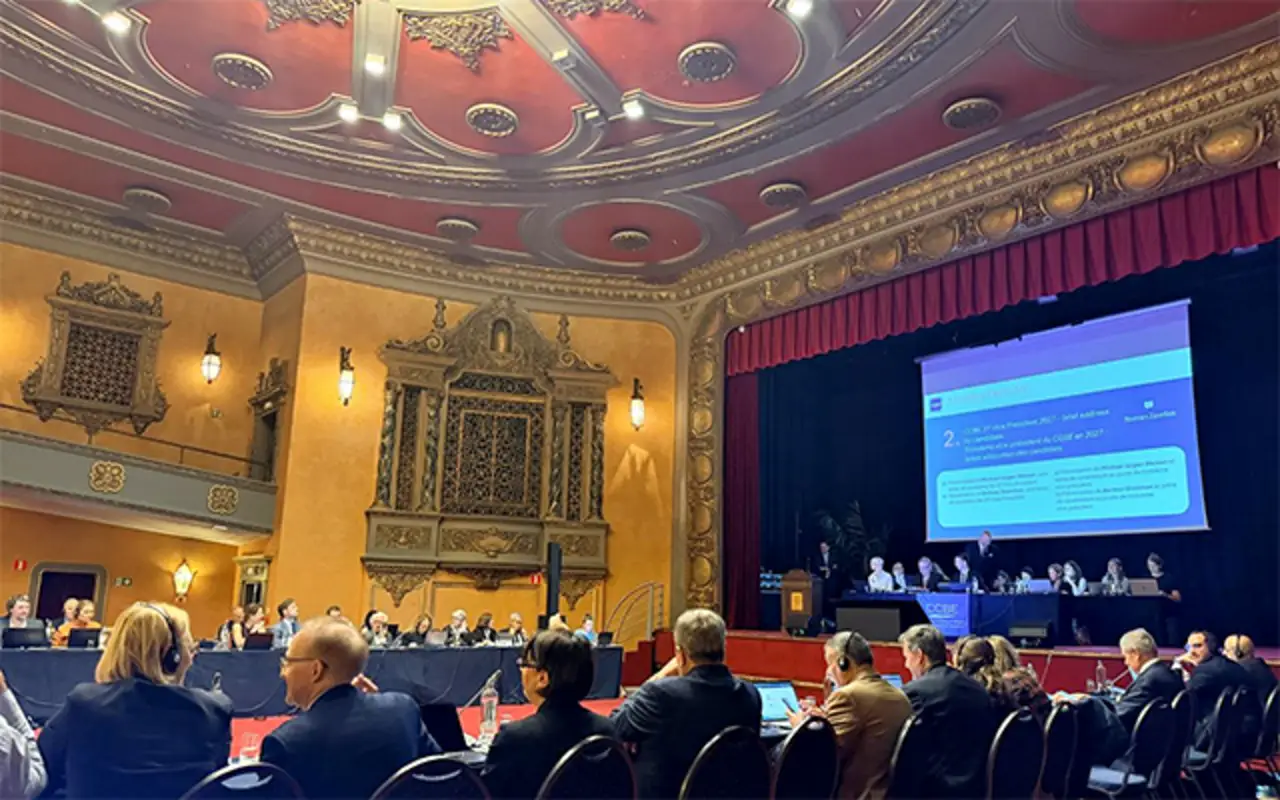
The CCBE is discussing European justice and issues related to the protection of advocates
Today, October 2, a meeting of the Standing Committee of the Council of Bars and Law Societies of Europe (CCBE) is taking place in Brussels. On the agenda are the protection of the advocate profession, the rule of law, attorney-client privilege, and changes in the European justice system.

Rule of Law Roadmap
The UNBA presented the key provisions of the future law on advocacy in Brussels
The Ukrainian National Bar Association presented its proposals for the upcoming law on advocacy, aligned with the Rule of Law Roadmap. The presentation covered topics such as access to the profession, self-governance, disciplinary procedures, professional development and guarantees for the practice of advocacy.

Discussion
First the return of assets, then subsidiary liability — an opinion
In bankruptcy cases, the legal entity’s ability to preserve and restore the financial foundation of its operations requires legal protection. In this regard, the right to solvency in which the legal entity is the aggrieved party should be an independent object of legal protection.
Publications

Vasyl Kolishnyi, «Law and Business» Supporting mental health should become part of the professional culture of the Bar, - H. Udovenko

Volodymyr Matsko Extradition during wartime: when the risks outweigh the request

Volodymyr Matsko Extradition as a systemic form of rights violations

Victoria Yakusha, Law and Business The anti-corruption vertical cannot «take care» of the Bar as an institution, - acting head of the HQDCB

Censor.net Protecting advocates – protecting justice: addressing concerns about the new law

Ihor Kolesnykov A BRIEF SUMMARY REGARDING THE APPLICATION OF THE ORDER ON EXTENDED CONFISCATION IN LATVIA REGARDING FINANCIAL ASSETS OF…

Valentyn Gvozdiy WORKING IN A WAR ZONE

Lydia Izovitova Formula of perfection

