


A bill implementing the Convention on the Protection of the Professions of Lawyer has been introduced
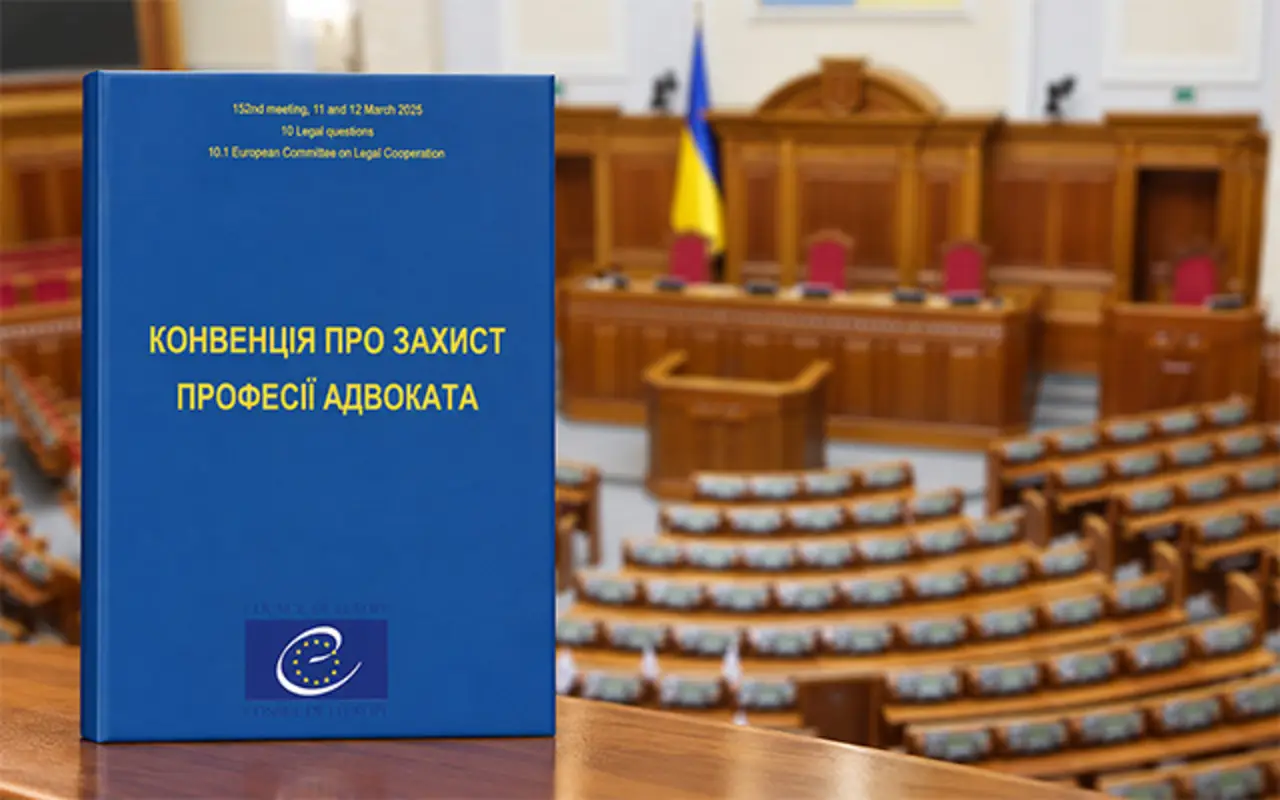
The constitutional guarantees of legal aid, defense, and the independence of advocacy cannot be realized without protecting advocates from unwarranted interference in their professional activities, including searches, the seizure of professional materials and the use of criminal procedural mechanisms to exert pressure.
To ensure Ukraine’s compliance with its international obligations, 27 members of parliament submitted to the Verkhovna Rada Draft Law No. 16106 dated September 28, 2026, «On amendments to the Criminal Procedure Code of Ukraine and the Law of Ukraine «On the National Police’ in connection with the ratification of the Council of Europe Convention on the Protection of the Professions of Lawyer».
The purpose of the bill is to bring Ukrainian legislation into compliance with the Convention and to establish effective procedural guarantees for the independent practice of law in the interests of persons in need of professional legal assistance.
In particular, it is proposed to provide that in proceedings where an advocate is a suspect, defendant (accused), or civil defendant, and there are grounds to believe that the relevant proceedings are related to the advocate’s practice, no more than two representatives of the UNBA who have previously declared their intention to attend and who have signed a non-disclosure agreement regarding information that becomes known to them during the hearing shall have the right to be present during the court proceedings, including in closed court sessions.
The authors explain this proposal to amend Article 27 of the Code of Criminal Procedure by citing the need to comply with subparagraph «c» of paragraph 3 of Article 9 of the Convention and expect it to increase the transparency of proceedings against advocates.
Two additional amendments to the Code of Criminal Procedure concern the confidentiality of professional information, as guaranteed by paragraph 3 of Article 6 of the Convention. The development of digital technologies reinforces the need to protect lawyers’ files, computer systems, and data storage media from unwarranted access. Therefore, it is proposed to stipulate that attorney-client privilege also falls under the category of legally protected secrets contained in items and documents (Article 162(1) of the CPC). According to the authors’ reasoning, this addition to the list will ensure that the heightened standards for access to items and documents established in Chapter 15 of the Code of Criminal Procedure are applied to attorney-client privilege.
Access to an advocate’s computer systems or parts thereof, as well as physical or electronic data storage media, shall be granted in the presence of a representative of the regional bar association, and the relevant regional bar association shall be notified thereof. If a representative of the regional bar association fails to appear, such access shall be granted in his or her absence (Article 161 of the Code of Criminal Procedure).
It is proposed to include a new Article 482-3 in Chapter 37 of the Code of Criminal Procedure, dedicated to the specific procedures for bringing an advocate to criminal liability, detaining an advocate, imposing a preventive measure, and conducting investigative (search) and covert investigative (search) actions against an advocate.
According to this provision, the application of measures including covert investigative (search) activities that, in accordance with the law, restrict the rights and freedoms of an advocate, and the consideration of which falls within the jurisdiction of an investigating judge, must be approved by the Prosecutor General, his deputy, or the head of the regional prosecutor’s office within the scope of his or her authority.
During a search or inspection of an advocate’s residence, other property, or premises where the advocate practices law, or during temporary access to the advocate’s belongings and documents, a representative of the regional bar association must be present. The official conducting the procedural action must notify the bar association at the location where the action is taking place.
During such proceedings, the Bar Council representative has the right to ask questions, submit comments, and raise objections regarding the conduct of the proceedings, all of which must be recorded in the minutes. However, the representative’s failure to appear provided the regional Bar Council has been notified shall not prevent the relevant procedural action from proceeding.
The regional bar association must also be notified of the detention of an advocate. This obligation falls on the authority or official who detained the advocate. They must do so immediately, but no later than 24 hours after the detention.
Separate provisions govern the detention of the chairman of the UNBA, their deputies, or the head of the regional bar association: in such cases, the notification must be addressed to the UNBA or the relevant regional bar association, also immediately, within 24 hours.
It is envisaged that rulings resulting from the consideration of matters regarding authorization for detention, the imposition of a preventive measure in the form of pretrial detention or house arrest, a search, or the violation of the confidentiality of correspondence, telephone conversations, telegraphic and other communications, as well as on the application of other measures, including non-custodial investigative measures, may be appealed in the cases provided for by the Code of Criminal Procedure.
These provisions of the proposed Article 482-3 of the Code of Criminal Procedure implement paragraph 1 of Article 9 of the Convention and are consistent with the guarantees of Article 23 of the Law «On the advocacy and the practice of law».
The police, in turn, are proposed to be required to notify the regional bar association in writing of any attacks on advocates or their murders. The new Part Six of Article 25 of the Law «On the National Police» will define the conditions for such notification. The police will be required to notify the bar association of the relevant region in writing of any attacks on advocates or their murders if there are grounds to believe that such incidents occurred in connection with their professional activities, and these cases have not been made public in any other way and the lawyers are unable to report them to the relevant regional bar associations on their own.
The final provisions of the draft stipulate that the Law shall enter into force no earlier than the date on which the Council of Europe Convention on the Protection of the Professions of Lawyer enters into force for Ukraine.
Popular news
Support
Protecting the legal profession, cybersecurity and support for advocates: common themes for the IBA and the UNBA
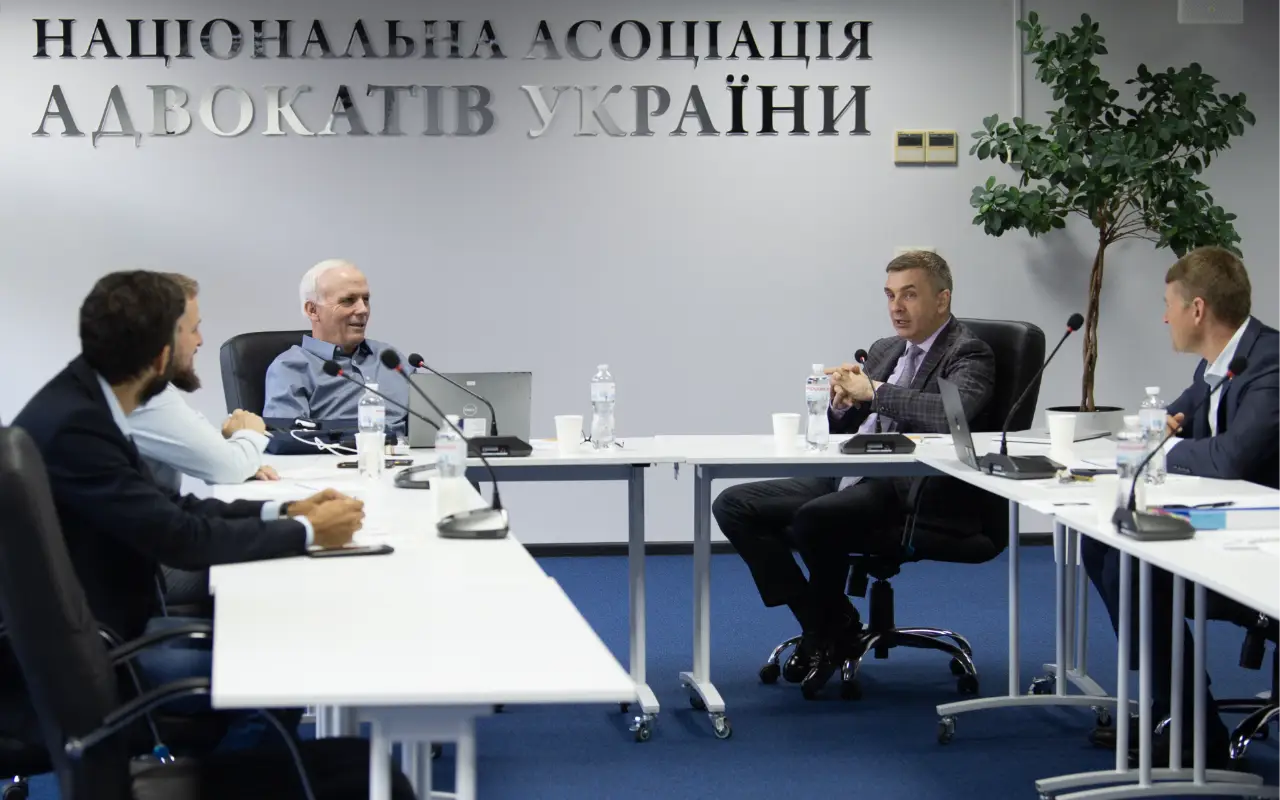
On September 18, a working meeting was held at the office of the Ukrainian National Bar Association with Executive Director of the International Bar Association (IBA) Mark Ellis. The parties discussed the Ukrainian advocacy profession’s participation in European legal processes, the protection of the UNBA’s digital infrastructure, psychological support for advocates and future areas of cooperation.
Educational events
Tax residency of Ukrainians abroad: what matters
The determination of tax residency for Ukrainians who have been living abroad for an extended period depends on the combination of their personal and economic ties to each country. The established status determines the procedure for reporting income, paying taxes and fulfilling CFC reporting obligations.
War
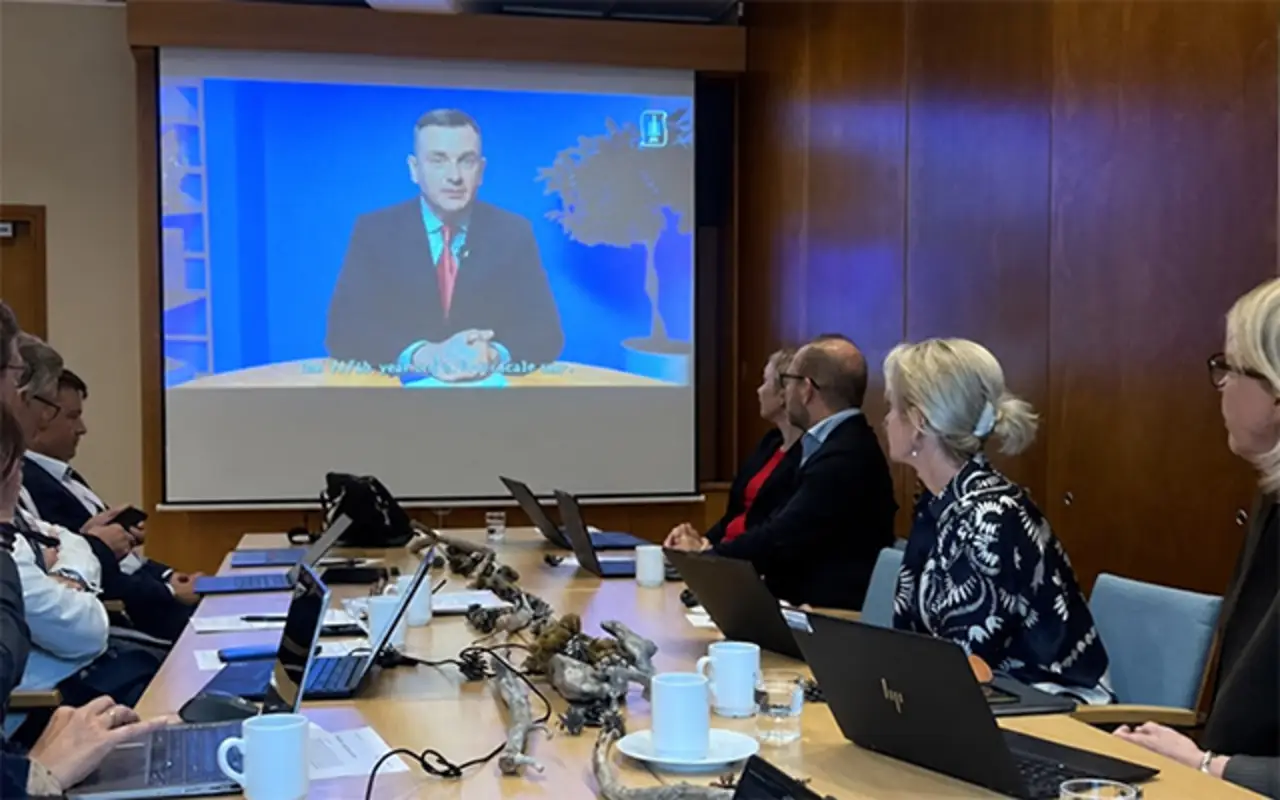
Are Europe's advocacy associations prepared for a potential war? V. Gvozdiy shared lessons from the Ukrainian experience
The continuity of the bar’s self-governance, the protection of professional registries and archives, as well as equal guarantees of employment for advocates, judges, and prosecutors must be enshrined in advance in legislation in the event of war or another emergency.
Legal defence of military personnel
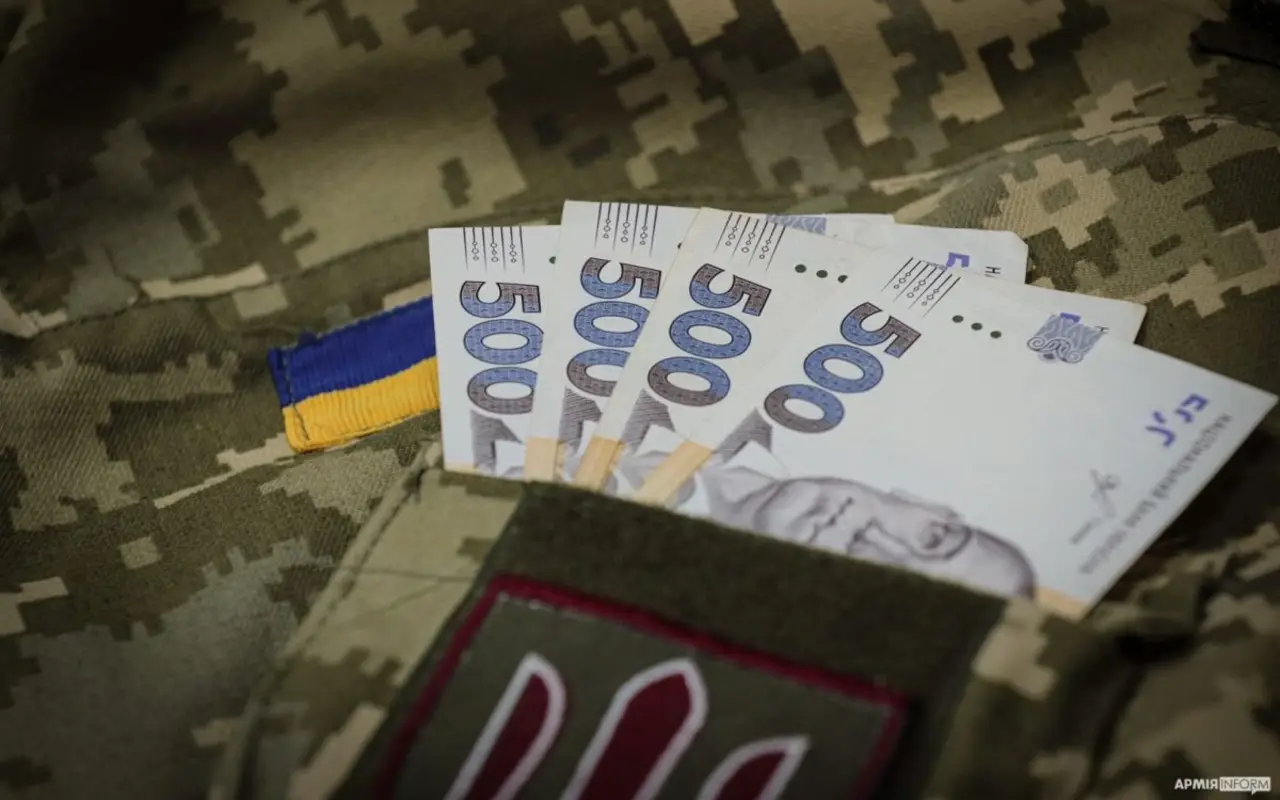
Payments to military personnel require clear and uniform criteria — UNBA Committee
The vagueness of terms in subordinate regulatory acts leads to differing interpretations of the grounds for paying additional compensation to military personnel. The UNBA has proposed harmonizing these acts and establishing transparent criteria for the allocation of funds.
Tragic news
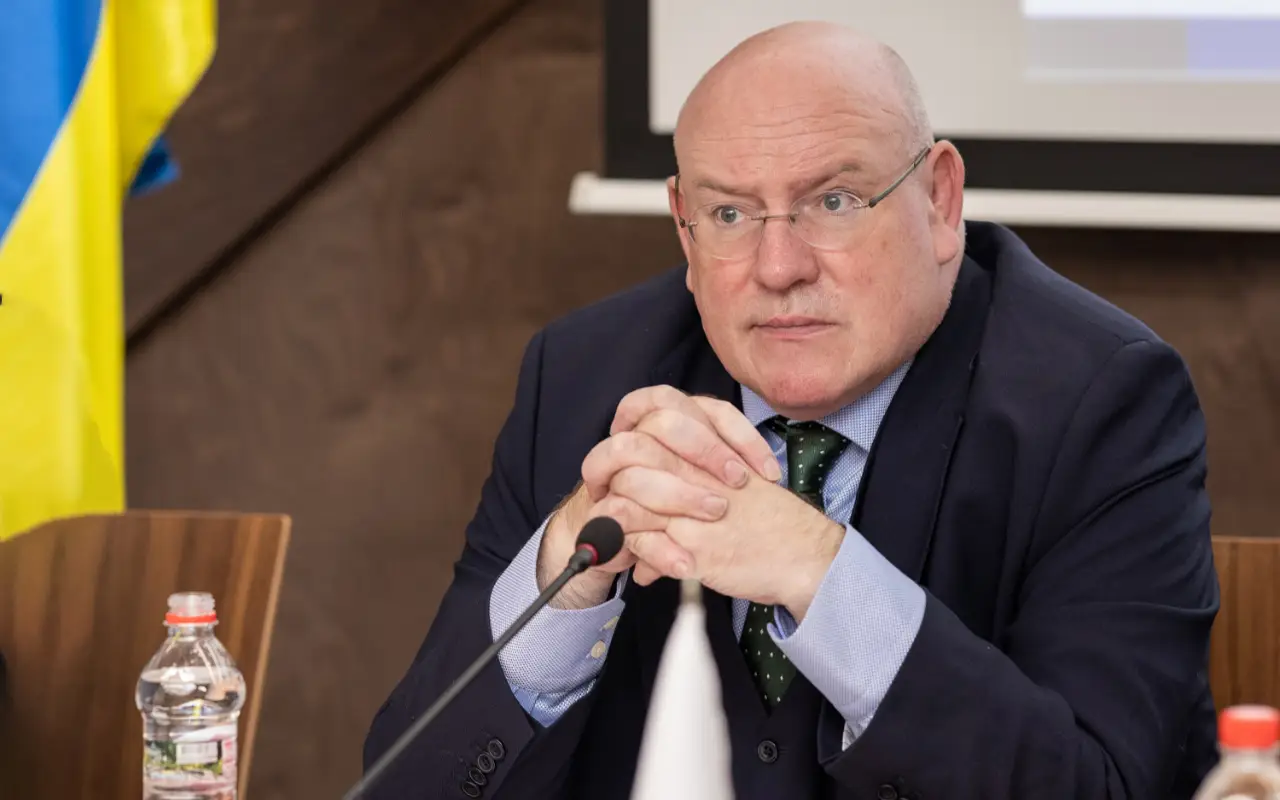
Former CCBE President James MacGuill has passed away
The Ukrainian National Bar Association expresses its condolences on the passing of James MacGuill — a renowned Irish advocate and former president of the Law Society of Ireland and the Council of Bars and Law Societies of Europe (CCBE).

Educational events
Young – therefore inexperienced: how female advocates should respond to stereotypical accusations
Comments regarding age, gender, or appearance made in court can distract a lawyer from defending their client’s interests. Therefore, before responding, it is important to assess the relevance of the remark to the case, determine the limits of what is permissible and decide on the next course of action.

Educational events
How DISC helps manage «tigers», «monkeys», «elephants» and «turtles»
The same instruction from a manager may motivate one employee to take action, while leaving another without the necessary guidance. People perceive work tasks differently: for some, a deadline and the expected outcome are enough, while others need explanations, time or a detailed plan.
Guarantees of the practice of law
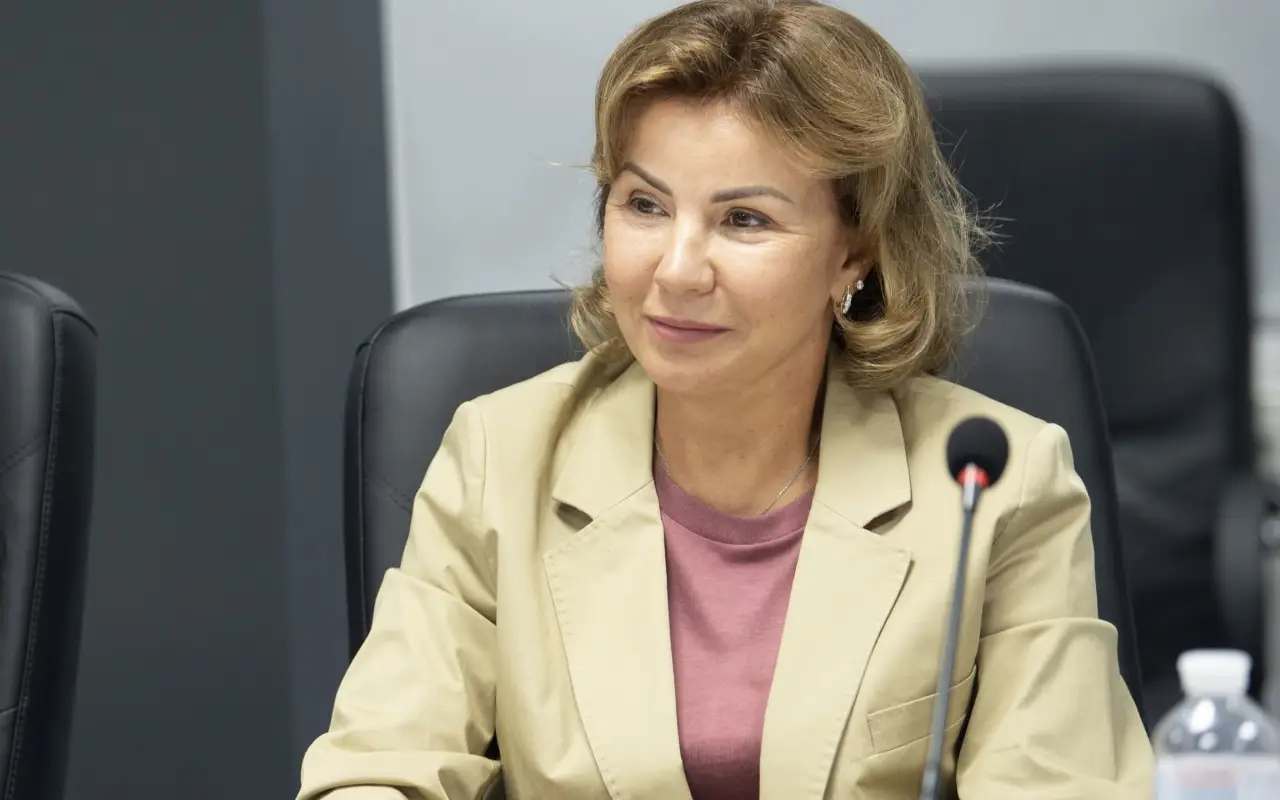
The Council of Europe Convention will strengthen constitutional guarantees of human rights – M. Stavniychuk
The exclusive right of an advocate to represent another person in court, as enshrined in the Constitution, should be viewed as an integral part of the mechanism for protecting human rights in Ukraine. Furthermore, ratification of the Council of Europe Convention on the Protection of the Professions of Lawyer could strengthen the substance of this and other guarantees.
Publications

Vasyl Kolishnyi, «Law and Business» Supporting mental health should become part of the professional culture of the Bar, - H. Udovenko

Volodymyr Matsko Extradition during wartime: when the risks outweigh the request

Volodymyr Matsko Extradition as a systemic form of rights violations

Victoria Yakusha, Law and Business The anti-corruption vertical cannot «take care» of the Bar as an institution, - acting head of the HQDCB

Censor.net Protecting advocates – protecting justice: addressing concerns about the new law

Ihor Kolesnykov A BRIEF SUMMARY REGARDING THE APPLICATION OF THE ORDER ON EXTENDED CONFISCATION IN LATVIA REGARDING FINANCIAL ASSETS OF…

Valentyn Gvozdiy WORKING IN A WAR ZONE

Lydia Izovitova Formula of perfection