






The UNBA explained what could undermine the plan to introduce plea agreements

Information regarding who pays whom, how much, and on what grounds under a plea agreement must be made public. However, as long as this information is classified as a state secret or personal data, the court will continue to be able to close proceedings and restrict access to judgments.
At the request of the Verkhovna Rada Committee on law enforcement, the Ukrainian National Bar Association analyzed Draft Law No. 15563 of August 27, 2026 «On amendments to the Criminal Procedure Code of Ukraine and the Law of Ukraine «On access to court decisions» regarding the transparency and public nature of plea agreements».
According to the authors of the legislative initiative, the document is intended to ensure the transparency and public nature of plea agreements, strengthen judicial and public oversight of their content, and prevent hidden financial arrangements and payments to third parties. The authors attribute the need for changes, in particular, to the scale of the agreements’ application: in 2025, the High Anti-Corruption Court issued 109 verdicts, 72 of which were based on plea agreements.
Therefore, the bill provides for the following: In the opinion of the UNBA, the bill is relevant, timely, and aimed at resolving important current issues in law enforcement. At the same time, the document contains shortcomings that could potentially negate the expected effect if it is adopted in its proposed form.
- open court review of the terms of the plea agreement regarding admission of guilt, sentencing, financial obligations, compensation for damages, payment of funds to the State Budget and satisfaction of a civil claim;
- a prohibition on including in the agreement payments to any persons other than funds credited to the State Budget and funds resulting from a satisfied civil claim;
- publication of the plea agreement and the judgment in the USRCD no later than five days from the date the court approves the plea agreement;
- recognition of failure to fulfill a financial obligation as grounds for the prosecutor to petition the court to set aside the judgment.
A key provision concerns the addition of a new Part Eight to Article 27 (Publicity and Openness of Court Proceedings) of the Criminal Procedure Code, pursuant to which information regarding the amount, basis, method, and recipient of payments under the agreement cannot be classified as restricted-access information, «except for information constituting a state secret in accordance with the law, and information containing personal data». The UNBA is convinced that if this phrase is retained, this single provision alone will negate the very idea and outcome of the bill’s implementation.
Advocates explain the mechanism. The head of a pre-trial investigation body for example, a unit of the NABU has the discretionary right to issue a ruling imposing security measures on a person who has entered into an agreement with a prosecutor. Such a ruling would classify information about the person and the terms of the agreement as a state secret. Furthermore, «in a chain reaction», the court will be forced to conduct closed proceedings, with subsequent restrictions on access to the verdict in the USRCD.
The UNBA also pointed out that the prohibition on courts closing hearings or restricting access to information about financial obligations will not work. The reason is that the exception cited above gives the court discretion to apply it to all situations considered during the approval of a plea agreement. In other words, the situation will remain exactly as it is today.
Advocates also consider the proposal to enter the texts of the plea agreements themselves into the USRCD to be controversial. Following the approval of a plea agreement, a guilty verdict is issued that sets forth its terms; therefore, only the verdict is published in the registry. In the opinion of the UNBA, it would suffice to enter into the registry the full text of the verdict, which contains all information regarding the terms of the plea agreement.
In addition, the UNBA proposed supplementing the new Part Six of Article 476 (Consequences of Failure to Comply with the Agreement) of the Code of Criminal Procedure with specific timeframes within which the prosecutor must take measures to establish the fact of failure to fulfill a financial obligation and file a motion with the court to set aside the judgment.
The full text of the comments and proposals can be viewed at this link.
Popular news

Legislation
Proceedings against military personnel following AWOL require clear deadlines — UNBA
A soldier’s return to duty after AWOL does not necessarily mean the end of criminal proceedings. To ensure that the case does not remain at the pretrial investigation stage, a clear procedure for the investigator and prosecutor is required.

Guarantees of the practice of law
Guarantees for advocacy without protective measures: proposed changes to the codes
The current law sets forth the rights and guarantees of the legal profession, but lacks the tools to protect them. The future law on advocacy is intended to fill this gap through amendments to criminal, administrative and procedural legislation.
Legislation
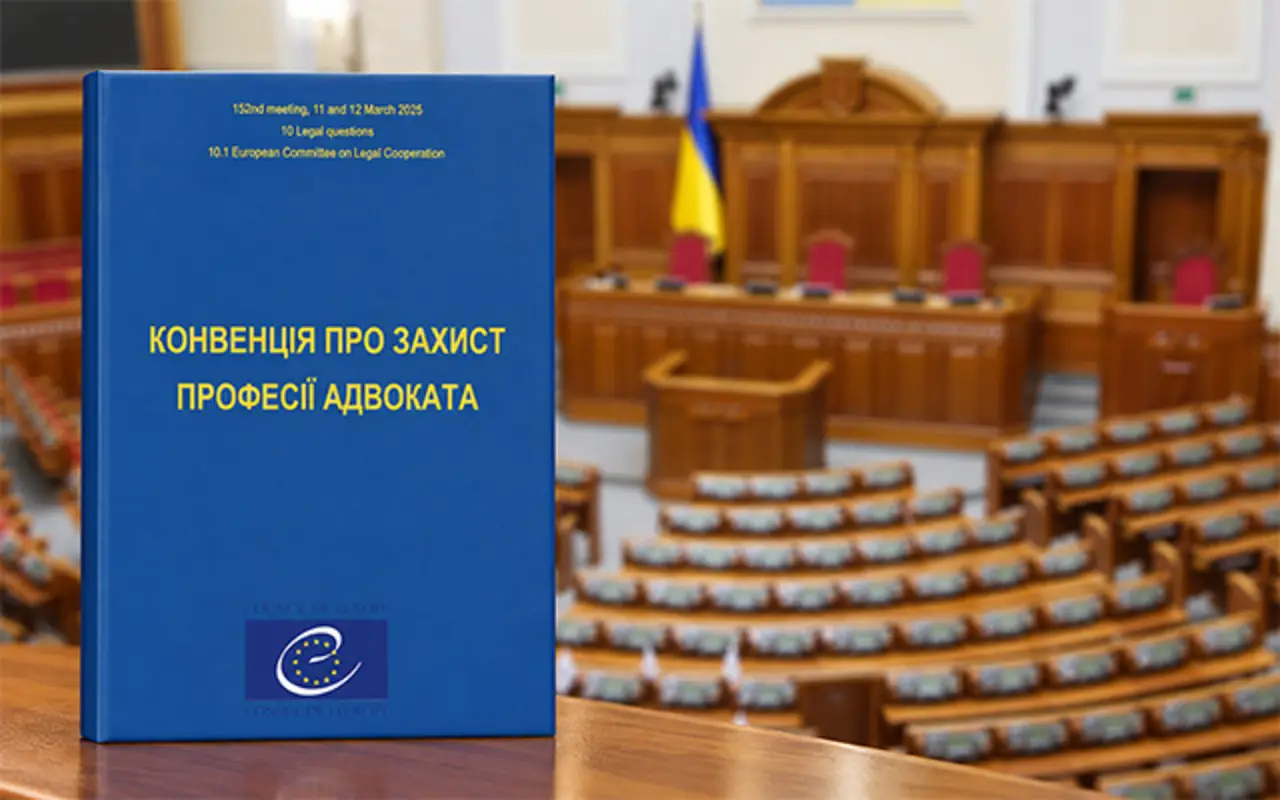
A bill implementing the Convention on the Protection of the Professions of Lawyer has been introduced
The constitutional guarantees of legal aid, defense, and the independence of advocacy cannot be realized without protecting advocates from unwarranted interference in their professional activities, including searches, the seizure of professional materials and the use of criminal procedural mechanisms to exert pressure.
Discussion
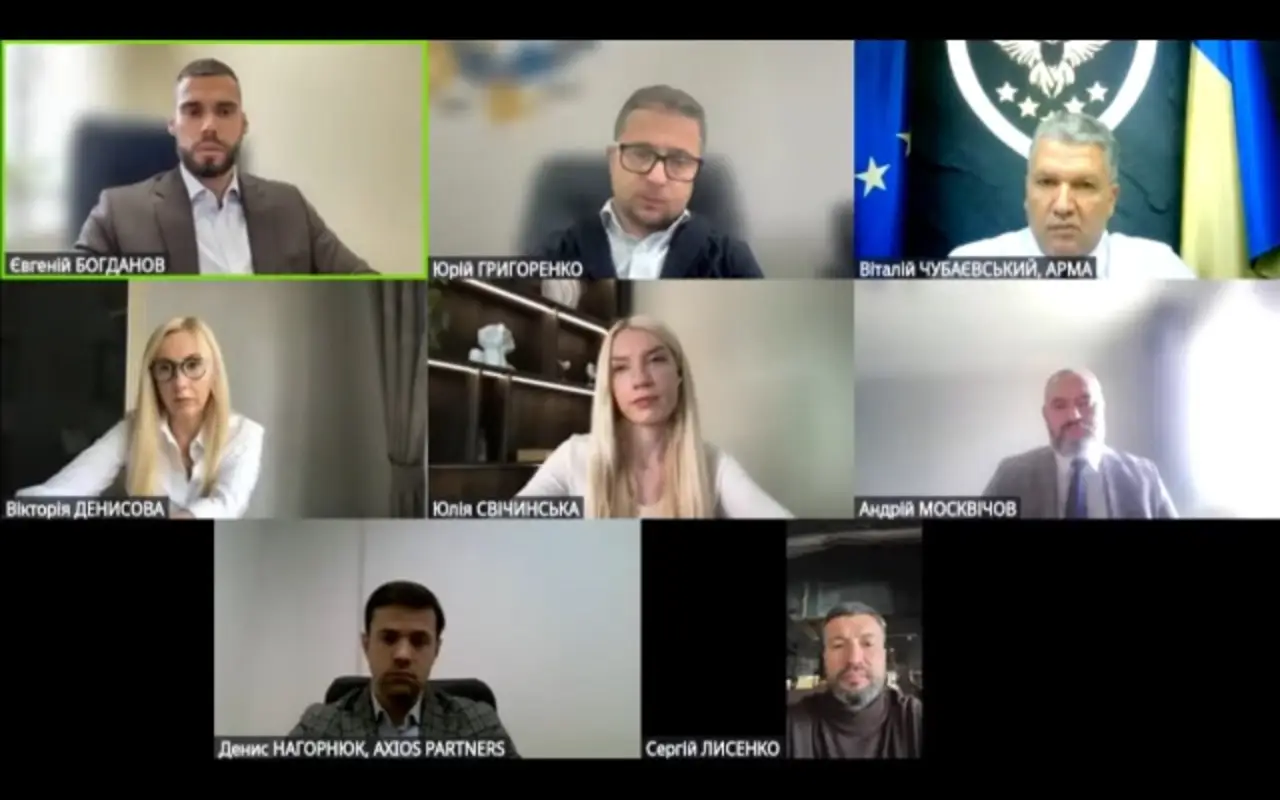
War-related business losses: from documenting damage to seeking sources of compensation
How can businesses document war-related losses without losing evidence during the recovery process? What does an insurance policy actually cover, and where can assets be found for recovery? These are the questions facing businesses for which a court ruling does not yet mean actual compensation.
Abroad
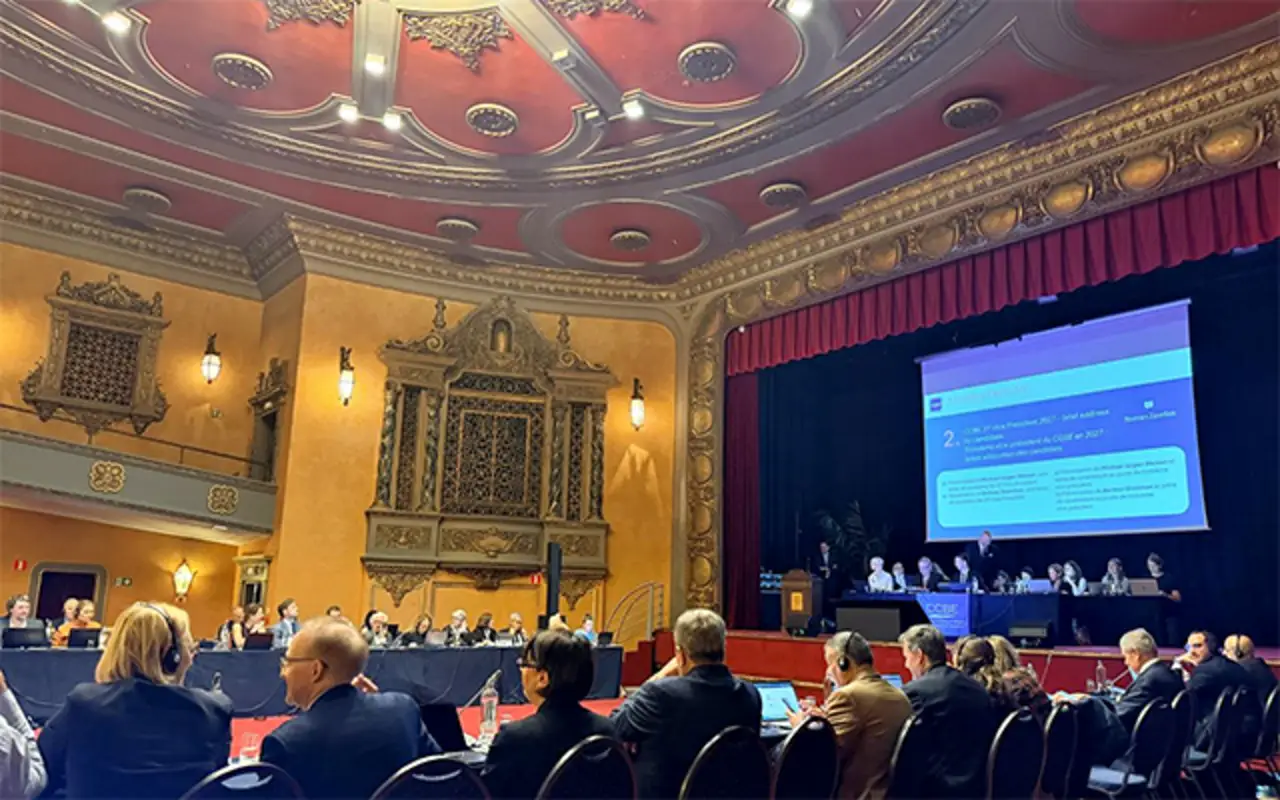
The CCBE is discussing European justice and issues related to the protection of advocates
Today, October 2, a meeting of the Standing Committee of the Council of Bars and Law Societies of Europe (CCBE) is taking place in Brussels. On the agenda are the protection of the advocate profession, the rule of law, attorney-client privilege, and changes in the European justice system.
Rule of Law Roadmap
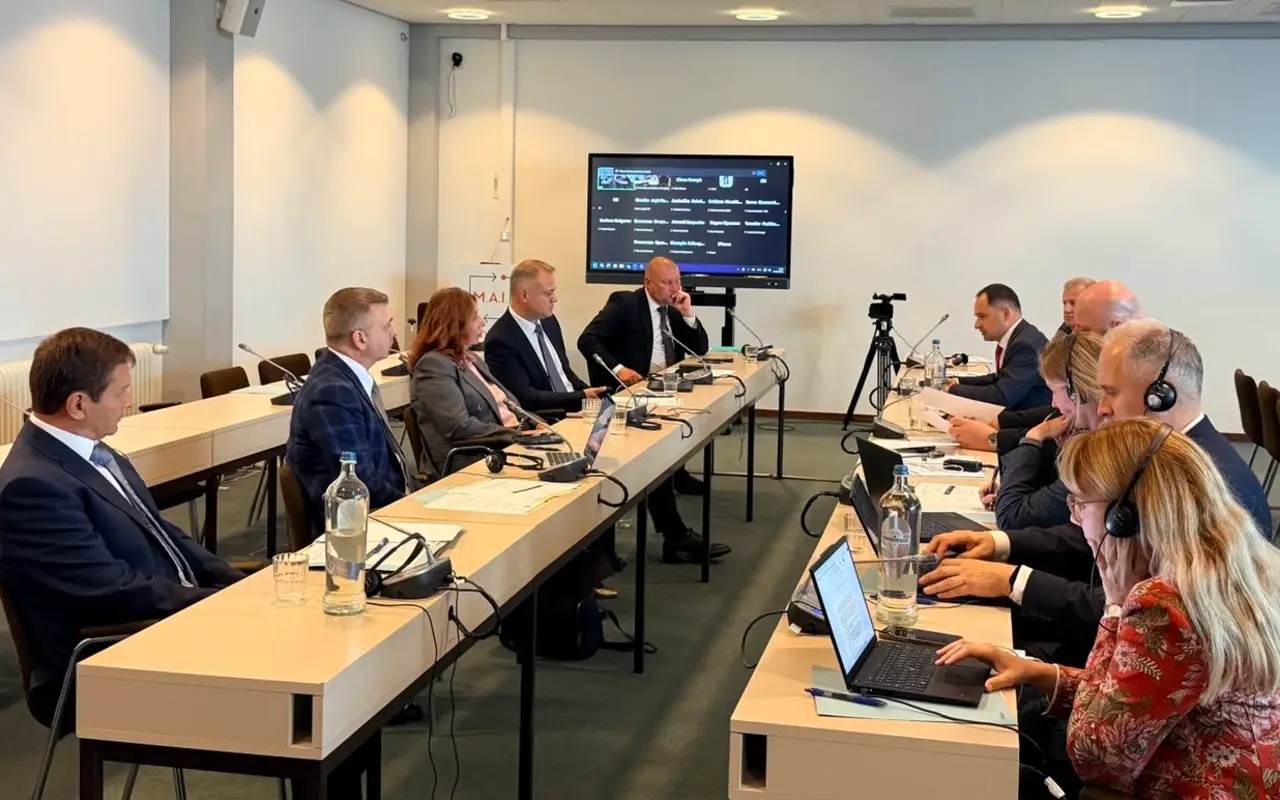
The UNBA presented the key provisions of the future law on advocacy in Brussels
The Ukrainian National Bar Association presented its proposals for the upcoming law on advocacy, aligned with the Rule of Law Roadmap. The presentation covered topics such as access to the profession, self-governance, disciplinary procedures, professional development and guarantees for the practice of advocacy.

Discussion
First the return of assets, then subsidiary liability — an opinion
In bankruptcy cases, the legal entity’s ability to preserve and restore the financial foundation of its operations requires legal protection. In this regard, the right to solvency in which the legal entity is the aggrieved party should be an independent object of legal protection.

Educational events
Advocates were taught to voice their complaints without making accusations
In a difficult conversation, it’s easy to confuse facts with opinions, feelings with accusations, and requests with demands. How can you express dissatisfaction, explain your own needs, and propose a specific solution while still allowing your conversation partner the opportunity to refuse or suggest an alternative?
Publications

Vasyl Kolishnyi, «Law and Business» Supporting mental health should become part of the professional culture of the Bar, - H. Udovenko

Volodymyr Matsko Extradition during wartime: when the risks outweigh the request

Volodymyr Matsko Extradition as a systemic form of rights violations

Victoria Yakusha, Law and Business The anti-corruption vertical cannot «take care» of the Bar as an institution, - acting head of the HQDCB

Censor.net Protecting advocates – protecting justice: addressing concerns about the new law

Ihor Kolesnykov A BRIEF SUMMARY REGARDING THE APPLICATION OF THE ORDER ON EXTENDED CONFISCATION IN LATVIA REGARDING FINANCIAL ASSETS OF…

Valentyn Gvozdiy WORKING IN A WAR ZONE

Lydia Izovitova Formula of perfection

