






An emergency search without a warrant? What changes are advocates proposing to the CPC
The Verkhovna Rada is preparing a consolidated draft of amendments to the Criminal Procedure Code regarding searches in urgent cases without a prior ruling by an investigating judge. The UNBA insists that judicial oversight following such a search must be effective, and that homeowners must be full participants in the procedure.
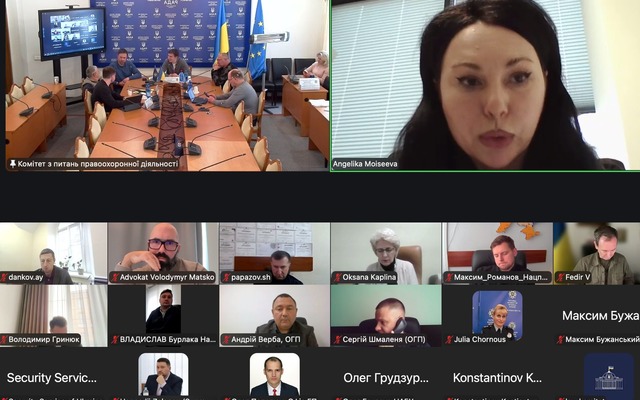
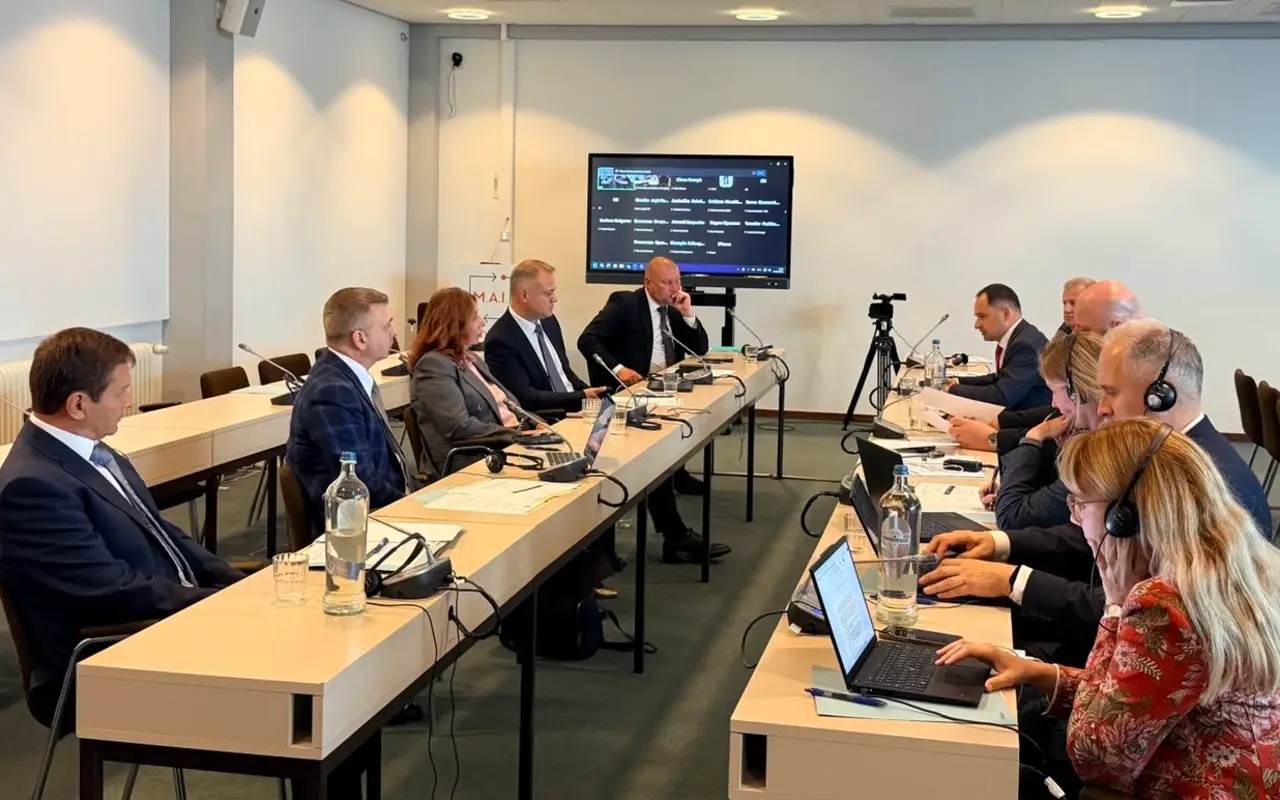
UNBA representatives expressed this position at a meeting of the working group of the Verkhovna Rada Committee on law enforcement, which took place on October 20.
The group, chaired by the deputy chairman of the Verkhovna Rada Committee Maksym Pavliuk was established to review draft laws on searches and prepare a coordinated version of amendments that will strengthen guarantees of the inviolability of a person’s home or other property in criminal proceedings and clarify the grounds for urgent searches. Representatives of the Supreme Court, the High Anti-Corruption Court, the Verkhovna Rada Commissioner for Human Rights, the Ministry of Justice, the Ministry of Internal Affairs and the UNBA were invited to join the group. The UNBA was represented by the chairman of the UNBA Committee on criminal law and procedure Anzhelika Moiseyeva and a member of that Committee Volodymyr Matsko.
The working group is reviewing the main draft law dated August 7, 2026, No. 15488, «On amendments to Article 233 of the Criminal Procedure Code of Ukraine regarding the clarification of grounds for entering a person’s residence or other premises in urgent cases», four alternative versions thereof (No. 15488-1, No. 15488-2, No. 15488-3, No. 15488-4), as well as the previously registered No. 13044, No. 13430 and No. 13599. These proposals pertain, in particular, to the requirements for a ruling by an investigating judge issued after a search has already been conducted, and to strengthening the protection of human rights during searches.
UNBA representatives paid particular attention to draft law No. 15488-1, «On amendments to the Criminal Procedure Code of Ukraine regarding the strengthening of guarantees of the inviolability of a person’s home or other property in criminal proceedings», submitted by People’s Deputy Serhiy Vlasenko. In their view, the document has a clear structure: it defines both the grounds for an urgent search and the actions that the pre-trial investigation authority is required to take following such an infringement of a person’s rights.
A. Moiseyeva emphasized that the amendments must take into account the rights of individuals who are not involved in an urgent search, even though it affects their interests — primarily the owners of homes and other premises. «They are not involved either during the conduct of an urgent search or during the decision-making process regarding the seizure of property. Consideration of this issue is largely of a formal and procedural nature and does not ensure the adversarial nature of the proceedings», - the Committee chairman noted.
V. Matsko pointed out that law enforcement agencies often resort to urgent searches to overcome procedural gaps in the pretrial investigation. He cited an example where a pretrial investigation agency conducted an urgent search in a premises that had already been searched pursuant to a court order because the investigators had mistaken the address. According to the advocate, even when granting permission for the first search, the investigating judge relied not on information from the State Register of Real Property Rights but on an operational report. When validating the results of the urgent search, the court failed to properly assess whether there were indeed grounds to consider it urgent, even though the investigation had received the order with the incorrect address in advance. In V. Matska’s opinion, this is precisely where the formalistic and procedural approach that A. Moiseyeva had warned against became evident.
«The institution of urgent procedural actions has been introduced in many European countries. When proposing amendments to criminal procedural law, we must understand that this concept is cumulative: it encompasses a series of criteria, the presence of which allows for the conduct of urgent investigative actions. Another issue is ensuring proper judicial oversight, during which the court will examine the circumstances that served as the basis for the urgent search, determine the extent and grounds for interference with human rights, provide a legal assessment of such actions, and ensure the participation of all those whose rights and interests have been affected by this procedural action. It is precisely this procedure that will meet the standards of the rule of law», - emphasized V. Matsko.
Members of the UNBA Committee on criminal law and procedure will continue working on the draft laws as part of a working group.
Popular news

Legislation
Proceedings against military personnel following AWOL require clear deadlines — UNBA
A soldier’s return to duty after AWOL does not necessarily mean the end of criminal proceedings. To ensure that the case does not remain at the pretrial investigation stage, a clear procedure for the investigator and prosecutor is required.

Guarantees of the practice of law
Guarantees for advocacy without protective measures: proposed changes to the codes
The current law sets forth the rights and guarantees of the legal profession, but lacks the tools to protect them. The future law on advocacy is intended to fill this gap through amendments to criminal, administrative and procedural legislation.
Legislation
A bill implementing the Convention on the Protection of the Professions of Lawyer has been introduced
The constitutional guarantees of legal aid, defense, and the independence of advocacy cannot be realized without protecting advocates from unwarranted interference in their professional activities, including searches, the seizure of professional materials and the use of criminal procedural mechanisms to exert pressure.
Discussion
War-related business losses: from documenting damage to seeking sources of compensation
How can businesses document war-related losses without losing evidence during the recovery process? What does an insurance policy actually cover, and where can assets be found for recovery? These are the questions facing businesses for which a court ruling does not yet mean actual compensation.
Abroad
The CCBE is discussing European justice and issues related to the protection of advocates
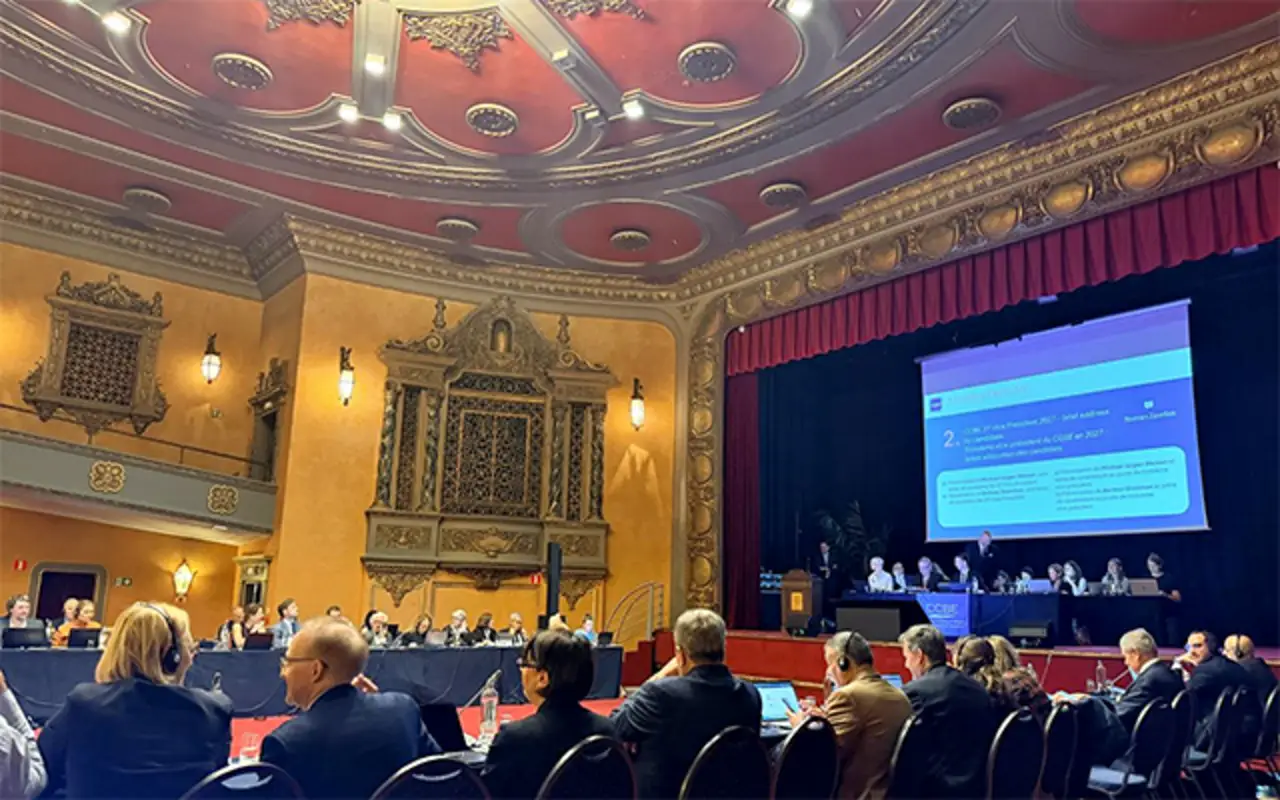
Today, October 2, a meeting of the Standing Committee of the Council of Bars and Law Societies of Europe (CCBE) is taking place in Brussels. On the agenda are the protection of the advocate profession, the rule of law, attorney-client privilege, and changes in the European justice system.
Rule of Law Roadmap
The UNBA presented the key provisions of the future law on advocacy in Brussels
The Ukrainian National Bar Association presented its proposals for the upcoming law on advocacy, aligned with the Rule of Law Roadmap. The presentation covered topics such as access to the profession, self-governance, disciplinary procedures, professional development and guarantees for the practice of advocacy.

Discussion
First the return of assets, then subsidiary liability — an opinion
In bankruptcy cases, the legal entity’s ability to preserve and restore the financial foundation of its operations requires legal protection. In this regard, the right to solvency in which the legal entity is the aggrieved party should be an independent object of legal protection.

Educational events
Advocates were taught to voice their complaints without making accusations
In a difficult conversation, it’s easy to confuse facts with opinions, feelings with accusations, and requests with demands. How can you express dissatisfaction, explain your own needs, and propose a specific solution while still allowing your conversation partner the opportunity to refuse or suggest an alternative?
Publications

Vasyl Kolishnyi, «Law and Business» Supporting mental health should become part of the professional culture of the Bar, - H. Udovenko

Volodymyr Matsko Extradition during wartime: when the risks outweigh the request

Volodymyr Matsko Extradition as a systemic form of rights violations

Victoria Yakusha, Law and Business The anti-corruption vertical cannot «take care» of the Bar as an institution, - acting head of the HQDCB

Censor.net Protecting advocates – protecting justice: addressing concerns about the new law

Ihor Kolesnykov A BRIEF SUMMARY REGARDING THE APPLICATION OF THE ORDER ON EXTENDED CONFISCATION IN LATVIA REGARDING FINANCIAL ASSETS OF…

Valentyn Gvozdiy WORKING IN A WAR ZONE

Lydia Izovitova Formula of perfection

