






How advocate can maintain their reputation and build a personal brand on social media
An advocate's personal brand begins with their professional reputation, which can be both strengthened and undermined by ill-considered publicity. Therefore, social media is not only a tool for communicating with clients and colleagues, but also an area of increased risk.
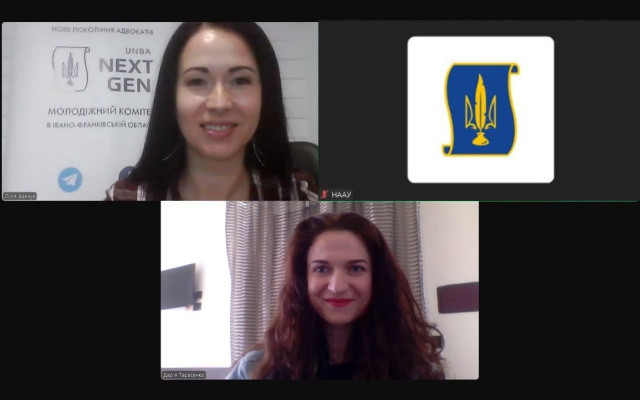
Advocate Daria Tarasenko spoke about how to use them effectively and ethically during the webinar «Personal Branding through Social Media», which took place on May 21, 2025, at the initiative of UNBA NextGen representative in Ivano-Frankivsk region Lilia Ivanchuk.
Daria began her presentation by talking about her own experience of creating content and choosing platforms and forms of online communication. She provided participants with practical advice on managing a page and interacting with an audience. According to her, she created her pages without the help of SMM managers and without additional funds, which is entirely possible for any of her colleagues.
The speaker emphasized that a personal brand is an image that is formed in the public perception of a particular person. At the same time, she stressed that professional independence is an integral part of an advocate's presence on social media, internet forums, and other forms of online communication. They must consider the consequences of their online communication for their professional activities, in particular, ensuring the completeness, accuracy, and confidentiality of information.
Separately, the advocate reminded of the obligation to comply with the oath, the Rules of Professional Conduct for Advocates, the norms of legislation, and the decisions of the Congress of Advocates of Ukraine and the Bar Council of Ukraine. In particular, an advocate shall not disclose attorney-client privilege without the client's consent or use it in his or her own interests or in the interests of third parties. It is also prohibited to advise a client to take actions that are deliberately aimed at facilitating the commission of offenses or otherwise intentionally facilitate their commission by his or her client or other persons.
Participation of advocates in social networks (including Facebook, Twitter, LinkedIn, Pinterest, Google Plus+, Tumblr, Instagram, Flickr, MySpace, etc.), Internet forums and other online platforms is permissible, but the information posted or commented on should not harm colleagues or the authority of the legal profession.
A lawyer shall take into account the context and potential audience of the communication and ensure that comments are clear and unambiguous. When establishing contacts on social networks with clients, colleagues, judges, procedural opponents, and other persons, an advocate shall exclude the possibility of a conflict of interest. They must also adhere to high standards of integrity and consider the consequences of their actions for their professional reputation.
Before becoming active on social media, it is important for advocates to identify their target audience: who their clients are, what they are interested in, how old they are, and which platforms they are active on. For example, young people do not read long texts, so it is not worth targeting them with this format.
It is also important to choose the right photo for your avatar — it should correspond to the purpose of the page and be recognizable. According to D. Tarasenko, it is better to communicate with subscribers in simple words that are accessible and useful to a wide audience.
When asked whether text or video is better, the speaker noted that these are different formats for different people. Using only text is not justified, as video allows the viewer to get to know the author better and perceive them emotionally.
The main content for an advocate on the Internet is expert content: explanations of legislation; analysis of draft laws; overview of court practice; stories of successes and failures; comments on legal news; brief descriptions of requests and consultations; samples of legal documents; algorithms of actions; links to interviews, publications, webinars.
In addition, limited inclusion of materials about everyday work, opinions, books, films, and professional jokes is possible. However, such content should not exceed 10% of the total volume.
Personal life is an area that should be approached with caution. An advocate should think in advance about how such information will affect their reputation and personal brand.
Among personal «taboos», the speaker outlined: statements on topics in which the advocate is not an expert; calls for illegal actions; criticism of colleagues; copying other people's posts without reference to the author (reposts are acceptable).
Popular news
Legislation
Proceedings against military personnel following AWOL require clear deadlines — UNBA
A soldier’s return to duty after AWOL does not necessarily mean the end of criminal proceedings. To ensure that the case does not remain at the pretrial investigation stage, a clear procedure for the investigator and prosecutor is required.

Legislation
The UNBA warned of the risk of customs barriers for Ukrainian paper and furniture
Ukraine’s anti-deforestation rules are intended to preserve export access to the EU market. However, without paper and furniture on the list of goods, without effective sanctions, and with enforcement beginning only in 2030, these rules could hinder that goal.
Guarantees of the practice of law
Guarantees for advocacy without protective measures: proposed changes to the codes
The current law sets forth the rights and guarantees of the legal profession, but lacks the tools to protect them. The future law on advocacy is intended to fill this gap through amendments to criminal, administrative and procedural legislation.
Legislation
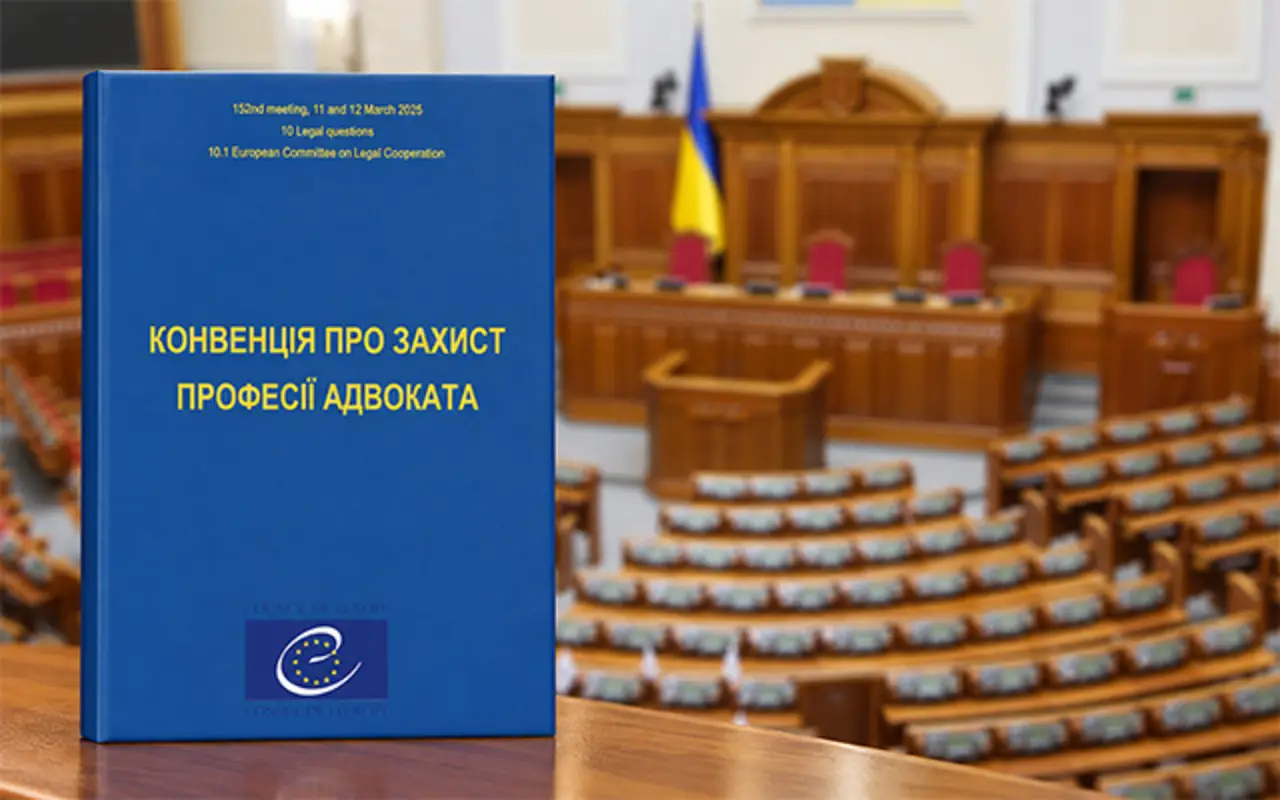
A bill implementing the Convention on the Protection of the Professions of Lawyer has been introduced
The constitutional guarantees of legal aid, defense, and the independence of advocacy cannot be realized without protecting advocates from unwarranted interference in their professional activities, including searches, the seizure of professional materials and the use of criminal procedural mechanisms to exert pressure.
Discussion
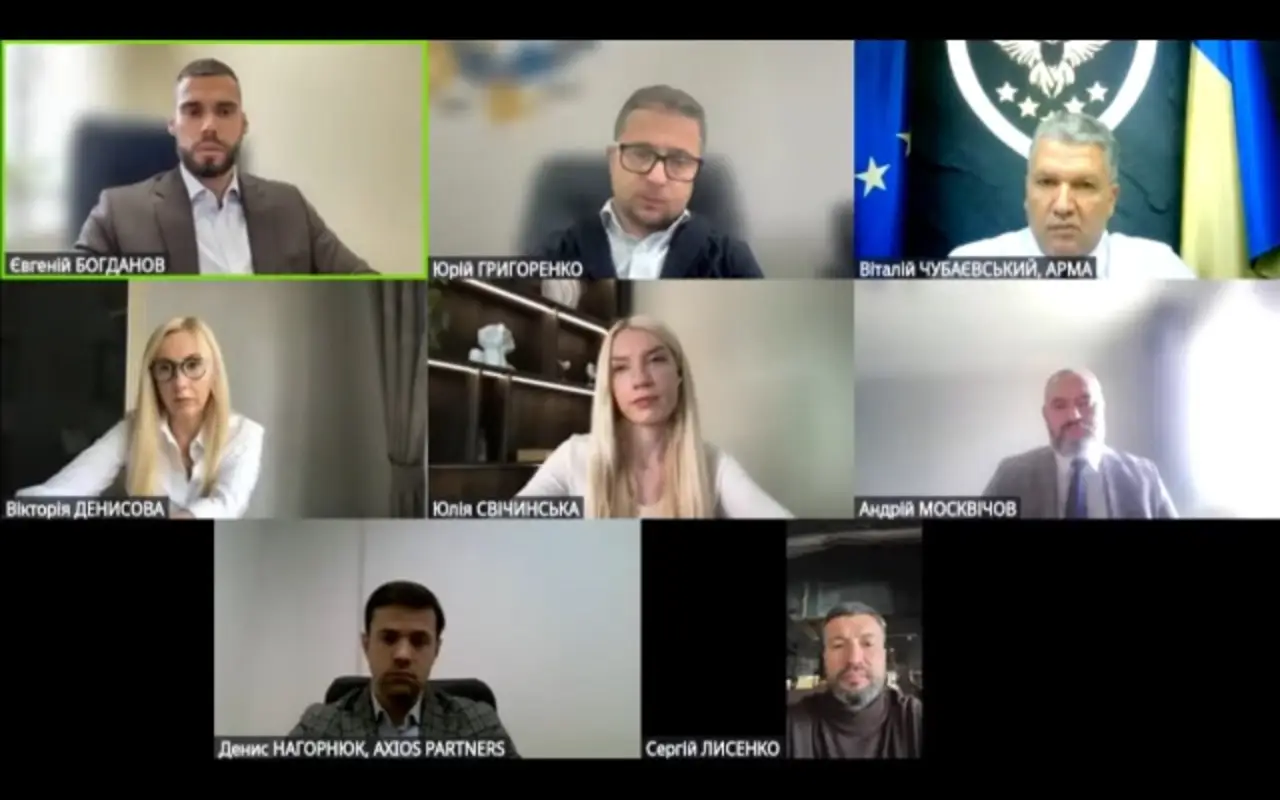
War-related business losses: from documenting damage to seeking sources of compensation
How can businesses document war-related losses without losing evidence during the recovery process? What does an insurance policy actually cover, and where can assets be found for recovery? These are the questions facing businesses for which a court ruling does not yet mean actual compensation.
Abroad
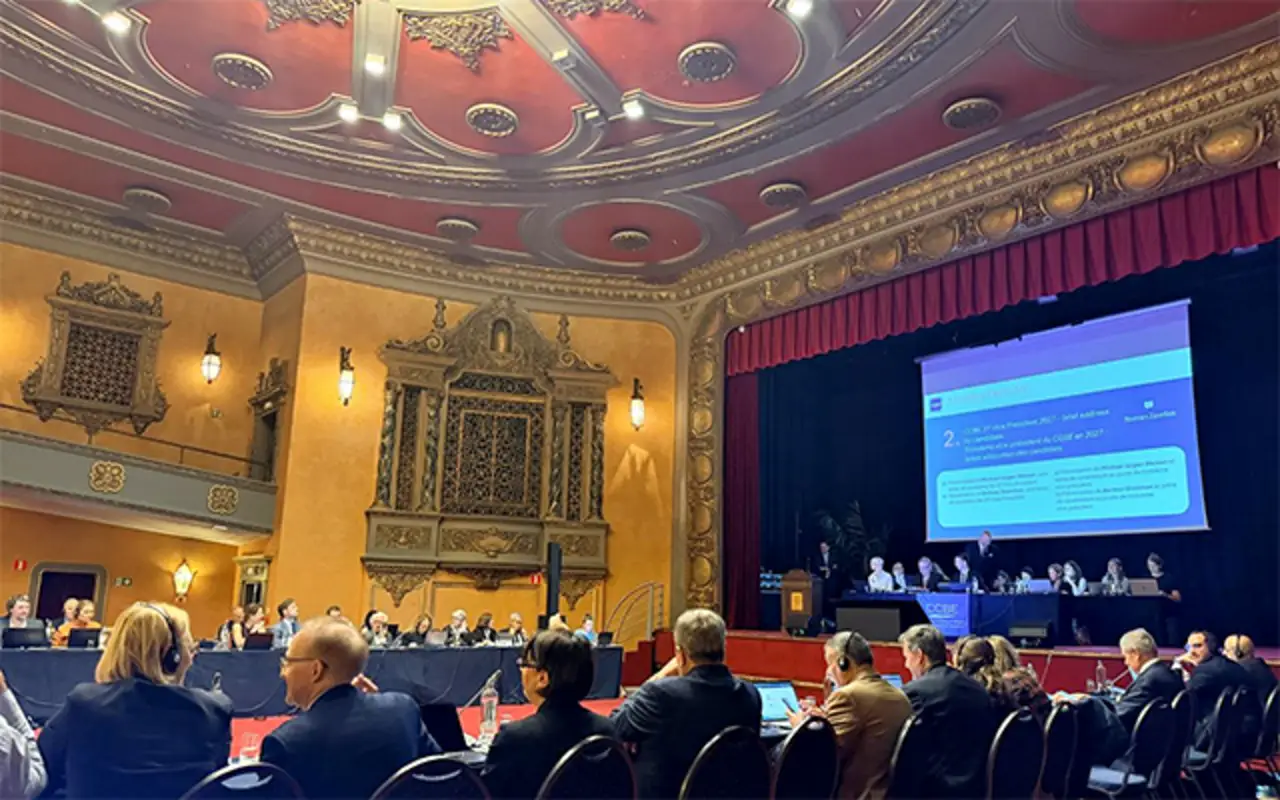
The CCBE is discussing European justice and issues related to the protection of advocates
Today, October 2, a meeting of the Standing Committee of the Council of Bars and Law Societies of Europe (CCBE) is taking place in Brussels. On the agenda are the protection of the advocate profession, the rule of law, attorney-client privilege, and changes in the European justice system.
Rule of Law Roadmap
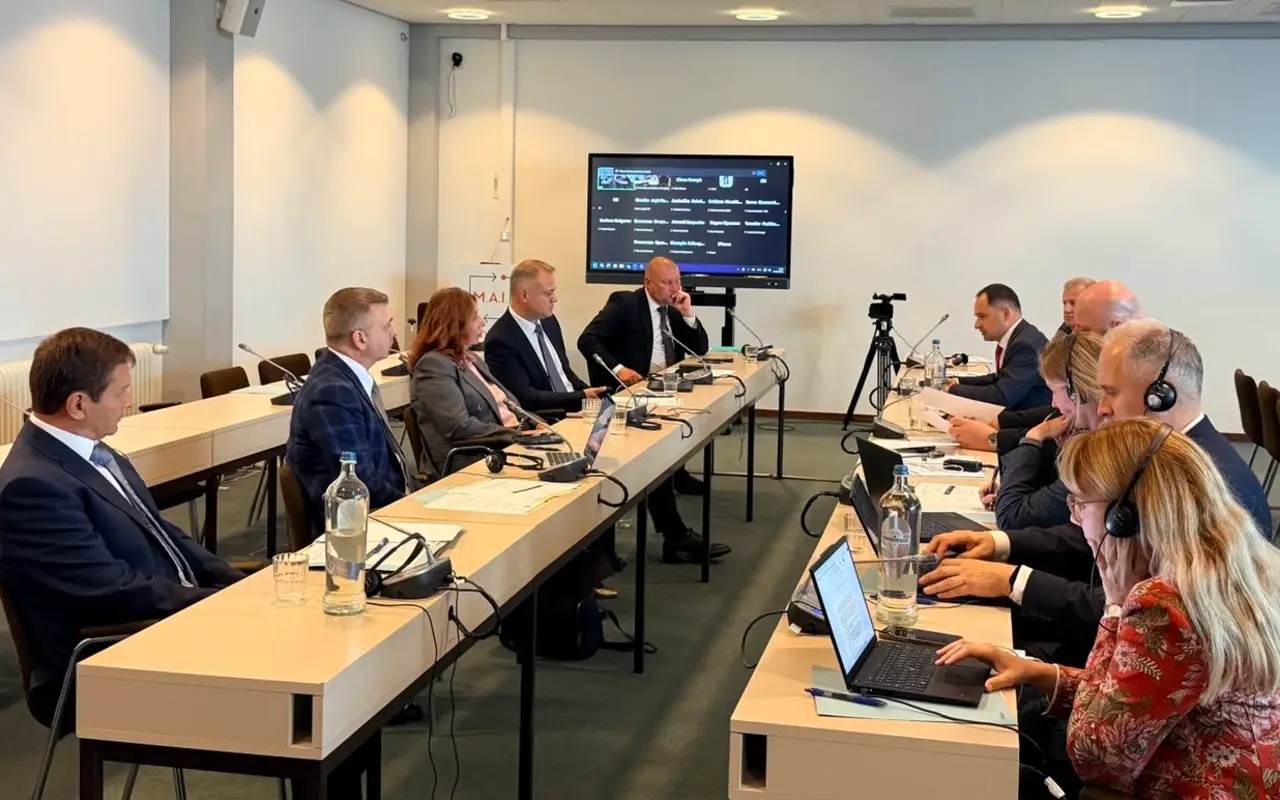
The UNBA presented the key provisions of the future law on advocacy in Brussels
The Ukrainian National Bar Association presented its proposals for the upcoming law on advocacy, aligned with the Rule of Law Roadmap. The presentation covered topics such as access to the profession, self-governance, disciplinary procedures, professional development and guarantees for the practice of advocacy.

Discussion
First the return of assets, then subsidiary liability — an opinion
In bankruptcy cases, the legal entity’s ability to preserve and restore the financial foundation of its operations requires legal protection. In this regard, the right to solvency in which the legal entity is the aggrieved party should be an independent object of legal protection.
Publications

Vasyl Kolishnyi, «Law and Business» Supporting mental health should become part of the professional culture of the Bar, - H. Udovenko

Volodymyr Matsko Extradition during wartime: when the risks outweigh the request

Volodymyr Matsko Extradition as a systemic form of rights violations

Victoria Yakusha, Law and Business The anti-corruption vertical cannot «take care» of the Bar as an institution, - acting head of the HQDCB

Censor.net Protecting advocates – protecting justice: addressing concerns about the new law

Ihor Kolesnykov A BRIEF SUMMARY REGARDING THE APPLICATION OF THE ORDER ON EXTENDED CONFISCATION IN LATVIA REGARDING FINANCIAL ASSETS OF…

Valentyn Gvozdiy WORKING IN A WAR ZONE

Lydia Izovitova Formula of perfection

