


Sincerity, respect, and trust: what is important when communicating with military personnel and veterans
War changes people not only through their experiences on the front lines or losses, but above all through their perceptions of security, justice, and the limits of their own endurance. Therefore, communication with military personnel and veterans goes beyond psychological issues and becomes a matter of public culture, human rights practice, and even professional ethics for advocates.
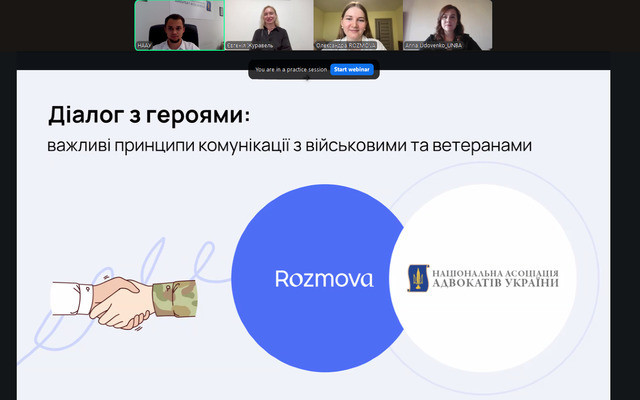
On September 11, the Ukrainian National Bar Association with the support of the International Bar Association (IBA) held a webinar entitled «Dialogue with Heroes: important principles of communication with military personnel and veterans». The speaker at the event, which was held as part of the project «Supporting the mental health of Ukrainian advocates during the war», was psychologist Yevheniia Zhuravel.
The uniqueness of experience
She emphasized that combat experience is one of those life trials that fundamentally change a person. It is not just extreme conditions, threats to life, or daily exposure to danger. Above all, it is a collision with events that go beyond the usual human experience and require the psyche to make extraordinary efforts to adapt. Unlike civilian stressful situations, combat experience has a number of specific factors: the awareness of the need to use weapons against another person who looks no different from you; the constant presence of loud sounds of explosions and gunfire; the feeling of threat from your peers. Such circumstances challenge natural defense mechanisms, as a person has to overcome an innate barrier against destroying their own kind.
Another feature of combat experience is that it leaves a mark regardless of the outcome of a particular situation. A person may emerge from combat physically unharmed, but the experience changes their attitude towards themselves and their surroundings. At the same time, not every soldier necessarily suffers psychological trauma: much depends on personal qualities, previous experience of overcoming crises, and even family or cultural background. However, the very fact of being in a war situation becomes a turning point that shapes a different worldview and requires society to take a more delicate and responsible approach to communicating with people who have been through the front lines.
From stress to PTSD
Every critical event causes a stress reaction, but it does not always develop into psychological trauma. It is important to distinguish between several conditions based on their duration. An acute stress reaction occurs in the first minutes after the trauma and can last up to two days. For military personnel, acute combat and operational stress reaction (COSR) is distinguished as a complex of disorders that lasts up to four days. If symptoms persist longer, from two days to one month, it is referred to as acute stress disorder (ASD).
If negative symptoms persist for one to three months, it is defined as acute post-traumatic stress disorder (PTSD). Symptoms that do not go away for more than three months indicate chronic PTSD. There is also a separate category of PTSD with delayed onset, when the first signs of the disorder appear only six months or more after the traumatic event.
Each of these conditions has characteristic symptoms: from sleep disturbances, stupor, or panic to flashbacks, nightmares, avoidance of situations that remind the person of the trauma, increased vigilance, or aggression. It is important to remember that not every soldier or veteran will necessarily have PTSD: a significant number of people regain their balance on their own, especially with support and a safe environment. But if the symptoms persist for more than a month and significantly affect the quality of life, professional help is needed, and only a psychiatrist can make a diagnosis.
First aid
Combatants and veterans may exhibit various crisis states, and the task of those around them is to recognize them and respond appropriately.
Aggression is one of the most noticeable reactions, but it is not always directed against a specific person. It is a way to release accumulated tension. In this case, it is not worth raising your voice. It is better to remain calm, keep your distance, show your willingness to listen, and give space for the intensity of emotions to subside.
Another possible reaction is stupor, when a person seems to freeze, losing the ability to move or speak. Here it is important to gently support their contact with reality: remind them to breathe, ask them to make simple movements with their arms or legs, help them feel the ground beneath their feet. Panic manifests itself through a sudden feeling of threat, tachycardia, and difficulty breathing. Help consists of staying close, speaking in a calm voice, and helping the person focus on stabilizing actions, such as deep inhalations and exhalations.
Special attention should be paid to so-called flashbacks — sudden and very realistic memories of combat events that can arise under the influence of loud noises, smells, or similar triggers. At such moments, the person is transported back to the combat situation. It is important to help them return to the present moment: remind them where they are, that they are safe, and draw their attention to specific objects around them. Such simple steps can reduce the intensity of their experiences.
See the person, not the status
When communicating with military personnel and veterans, attitude is key. It is important to focus not on their status, but on the fact that you are dealing with a person with their own history, needs, and dignity. The mere fact of participating in a war does not make a person an idealized hero, nor does it reduce them to the image of a victim. Both extremes distort perception and prevent genuine contact. Excessive heroization can create additional pressure, while pity or condescension can undermine respect.
In dialogue, it is important to avoid triggering questions that force people to relive traumatic episodes. Words such as «How was it there?», «Did you kill anyone?», «What was it like in captivity?» can have a devastating effect. Instead, directness and sincerity, combined with tact, are appropriate. It is important to create a safe space where people feel that their experiences are valued and respected, but they are not obliged to share them if they are not ready.
At the same time, when communicating with military personnel and veterans, the main thing is not to choose the «right» words, but to remain sincere. It is important to be able to listen, not interrupt or judge, allowing the person to feel that their experience is heard and valued.
She emphasized that words of gratitude should not sound formal, but rather like genuine recognition. A soldier is not a fictional character, but a real person whose rights must be guaranteed and protected. It is this position that allows us to build the trust and support necessary for both psychological recovery and full integration into peaceful life.
The role of advocates
Although the speaker focused on psychological aspects, some conclusions for legal practice can be drawn from her speech.
For advocates, communication with military personnel and veterans is directly related to their professional mission — protecting rights and restoring justice. People with combat experience often face a complex set of legal and social issues: obtaining combatant status, accessing benefits and medical services, resolving housing issues, and protecting themselves from discrimination in employment or education. In these situations, the advocate becomes not only a legal professional but also a mediator who helps integrate the soldier into civilian life.
The advocate may witness manifestations of crisis states — aggression, withdrawal, anxiety. In such cases, it is important not to react formally but to take into account the psychological context. This means that legal assistance goes beyond standard consultation and includes empathy, attentiveness, and the ability to build trust.
The legal community also bears a special responsibility in the public sphere. Advocates' statements, comments in the media, and even their behavior during public events shape the culture of attitudes toward veterans in society. When advocates demonstrate humanity and gratitude, they strengthen not only their professional reputation but also the role of the legal community as an institution that supports those who have gone through war.
Popular news
Guarantees of the practice of law
Independent oversight is necessary before using CISA materials against an advocate – Lidiya Izovitova
Before the prosecution uses information obtained during covert investigative actions and related to an advocate’s activities, independent procedural oversight must be conducted. It is necessary to determine whether such information is covered by attorney-client privilege and whether it may be disclosed.
Self-government
Efforts to develop advocacy must be brought to fruition — A. Misyats
The Ukrainian advocacy profession is currently going through a critical phase. Amid the war, it must ensure the continuity of legal aid, defend the independence of the profession, and improve qualification and disciplinary procedures in accordance with European standards. The work that has been started must be brought to a practical conclusion.
Support
Protecting the legal profession, cybersecurity and support for advocates: common themes for the IBA and the UNBA
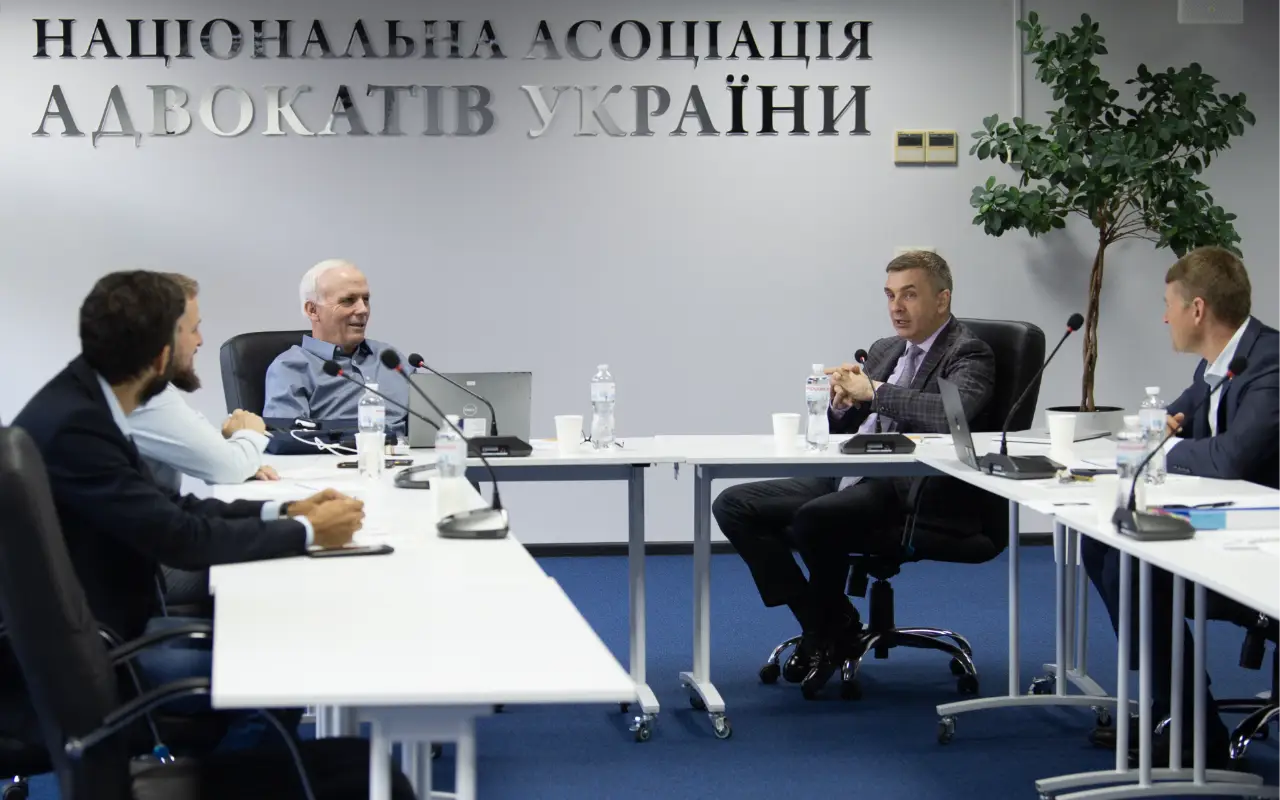
On September 18, a working meeting was held at the office of the Ukrainian National Bar Association with Executive Director of the International Bar Association (IBA) Mark Ellis. The parties discussed the Ukrainian advocacy profession’s participation in European legal processes, the protection of the UNBA’s digital infrastructure, psychological support for advocates and future areas of cooperation.
Educational events
Tax residency of Ukrainians abroad: what matters
The determination of tax residency for Ukrainians who have been living abroad for an extended period depends on the combination of their personal and economic ties to each country. The established status determines the procedure for reporting income, paying taxes and fulfilling CFC reporting obligations.
War
Are Europe's advocacy associations prepared for a potential war? V. Gvozdiy shared lessons from the Ukrainian experience
The continuity of the bar’s self-governance, the protection of professional registries and archives, as well as equal guarantees of employment for advocates, judges, and prosecutors must be enshrined in advance in legislation in the event of war or another emergency.
Legal defence of military personnel
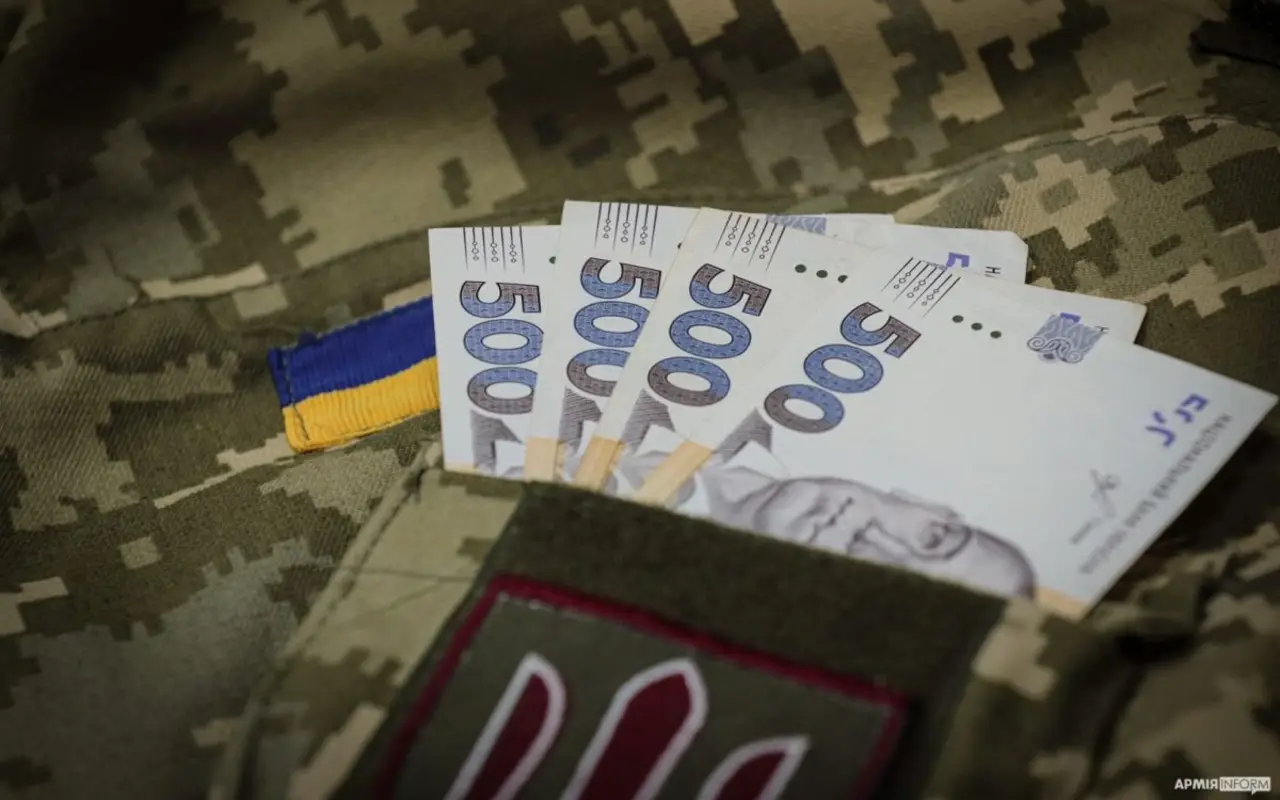
Payments to military personnel require clear and uniform criteria — UNBA Committee
The vagueness of terms in subordinate regulatory acts leads to differing interpretations of the grounds for paying additional compensation to military personnel. The UNBA has proposed harmonizing these acts and establishing transparent criteria for the allocation of funds.
Other
The CEC has recognized Andriy Misyats as an elected member of the Ukrainian parliament
The Central Election Commission has adopted a decision recognizing Andriy Misyats as an elected People’s Deputy of Ukraine. He is currently serving as acting chairman of the High Qualification and Disciplinary Commission of the Bar.
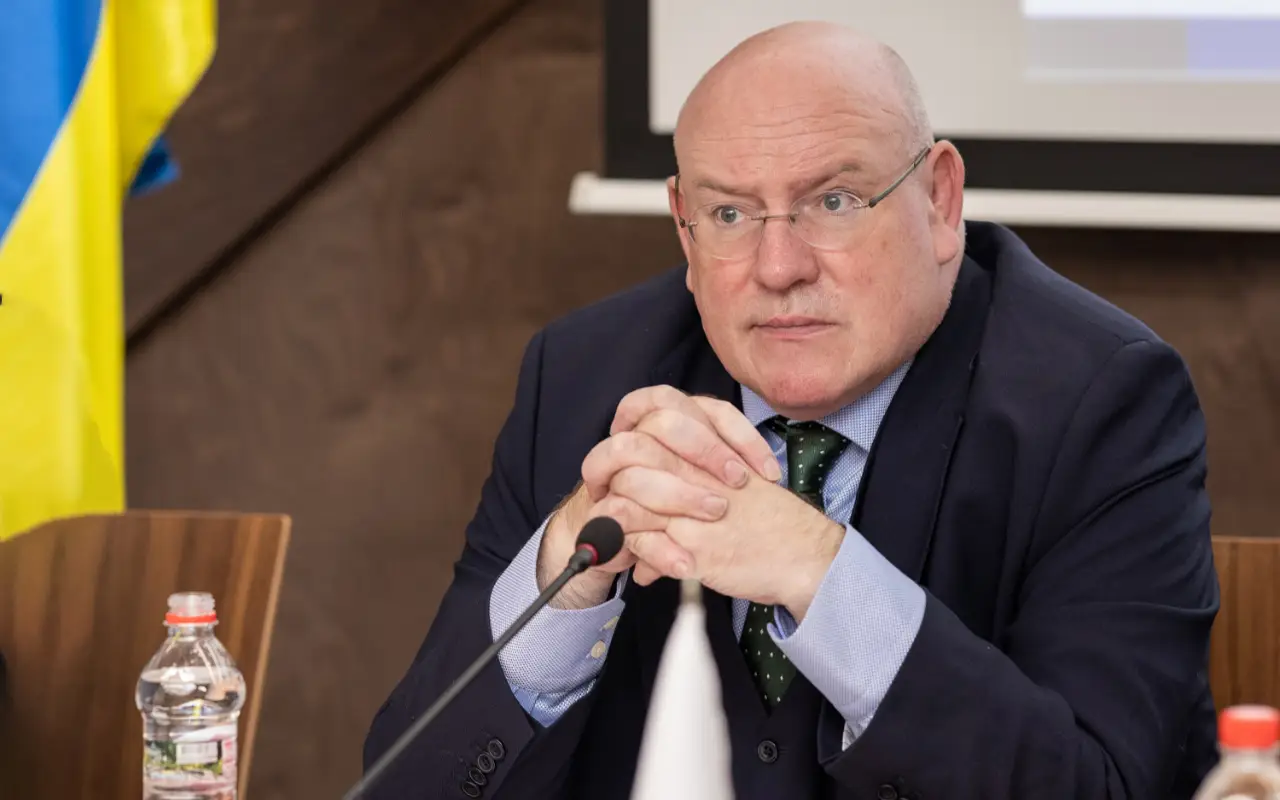
Tragic news
Former CCBE President James MacGuill has passed away
The Ukrainian National Bar Association expresses its condolences on the passing of James MacGuill — a renowned Irish advocate and former president of the Law Society of Ireland and the Council of Bars and Law Societies of Europe (CCBE).
Publications

Vasyl Kolishnyi, «Law and Business» Supporting mental health should become part of the professional culture of the Bar, - H. Udovenko

Volodymyr Matsko Extradition during wartime: when the risks outweigh the request

Volodymyr Matsko Extradition as a systemic form of rights violations

Victoria Yakusha, Law and Business The anti-corruption vertical cannot «take care» of the Bar as an institution, - acting head of the HQDCB

Censor.net Protecting advocates – protecting justice: addressing concerns about the new law

Ihor Kolesnykov A BRIEF SUMMARY REGARDING THE APPLICATION OF THE ORDER ON EXTENDED CONFISCATION IN LATVIA REGARDING FINANCIAL ASSETS OF…

Valentyn Gvozdiy WORKING IN A WAR ZONE

Lydia Izovitova Formula of perfection