


For candidates for the advocate: BCU has reminded them of the rules for crediting teaching experience

For the purposes of admission to the qualification exam, a candidate's work in scientific and teaching positions may be counted as experience in the field of law only if the position requires legal education.
The relevant clarification was provided by the Bar Council of Ukraine in its decision of October 18, 2025, No. 108, at the request of the chairman of the Bar Council of the Rivne region Serhiy Udovychenko to explain whether scientific and pedagogical experience constitutes legal experience within the meaning of Article 6 of the Law «On the advocacy and the practice of law».
According to this article, one of the requirements for an advocate is at least two years of work experience in the field of law. This experience includes work in the specialty after obtaining a full higher legal education. At the same time, Article 53 of the Law «On higher education» establishes that scientific and pedagogical workers are persons who, at their main place of work in higher education institutions, carry out educational, methodological, scientific (scientific and technical, artistic), and organizational activities.
BCU reminded that, according to the Procedure for admission to the qualification examination, approved by decision No. 270 of 17 December 2013, work experience in the field of law should include work in the positions of scientific and pedagogical or scientific employees who carry out teaching, education, and professional training in vocational, higher, or postgraduate educational institutions, if such positions, according to the qualification requirements, require only a complete higher legal education, not lower than a master's degree (specialist) - second (master's) level, specialty – «law» («jurisprudence», «law enforcement», «international law»).
Thus, work experience in positions specified in the List of positions of pedagogical and scientific-pedagogical workers, approved by Resolution of the Cabinet of Ministers No. 963 of June 14, 2000, which require only a complete higher legal education (not lower than the specified levels), for the purposes of Article 6 of the Law «On advocacy and the practice of law» should be considered as work experience in the field of law.
Separately, the BCU noted that the Regulations on the organization and procedure for completing an internship to obtain a certificate of the right to practice law, approved by decision No. 80 of June 1, 2018, provide for the right of the regional advocates association to additionally request a list of achievements, job description, or other document confirming the functional duties of the person applying to the bar association for an internship, in order to confirm the person's work experience in the specialty.
In response to another appeal, the Bar Council further clarified (decision No. 110 of October 18, 2025) that the period of obtaining a doctorate in law during postgraduate (adjunct) studies, regardless of the form of study, should also be counted as work experience in the field of law.
Popular news

Legislation
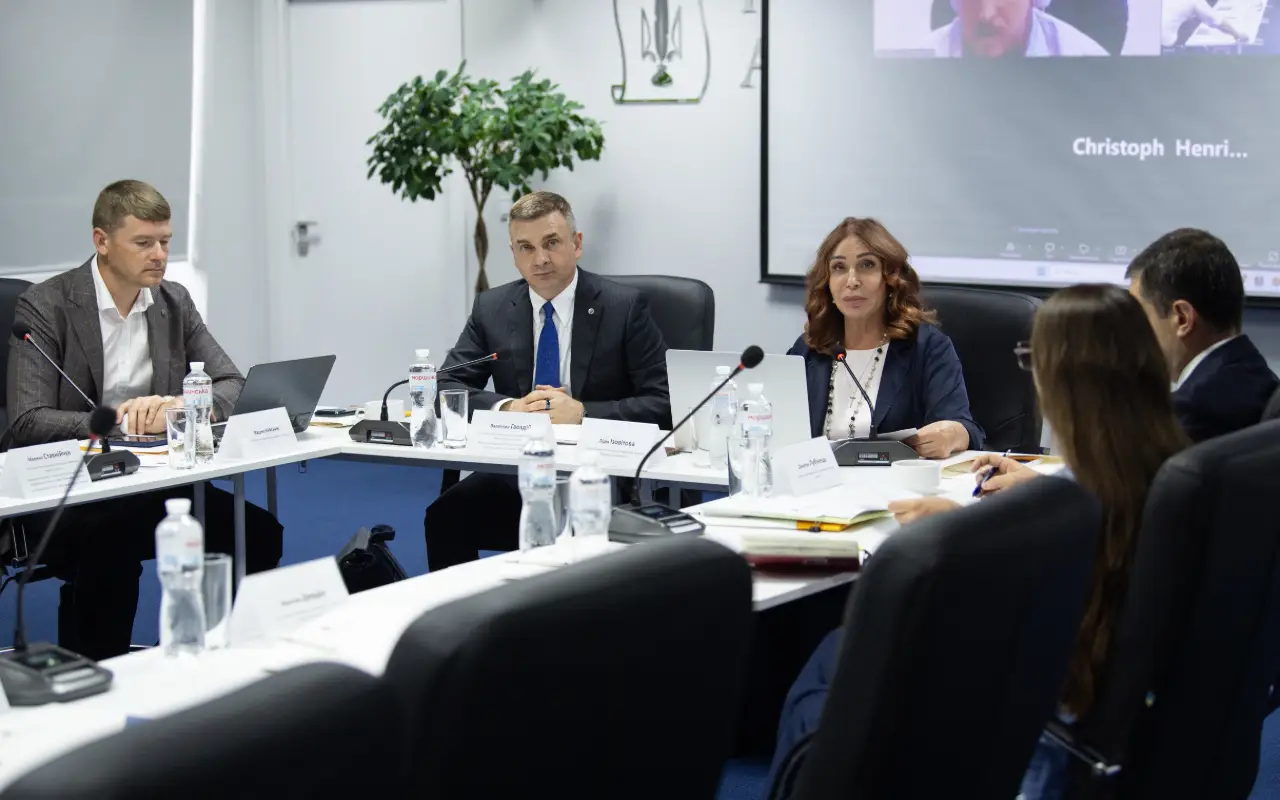
The Verkhovna Rada is preparing a bill to implement the Convention on the Protection of the Professions of Lawyer
Members of Parliament plan to introduce a bill in the near future to implement the main provisions of the Council of Europe Convention on the Protection of the Professions of Lawyer. This parliamentary initiative may also prompt the government to expedite the preparation of the ratification package.
Legislation
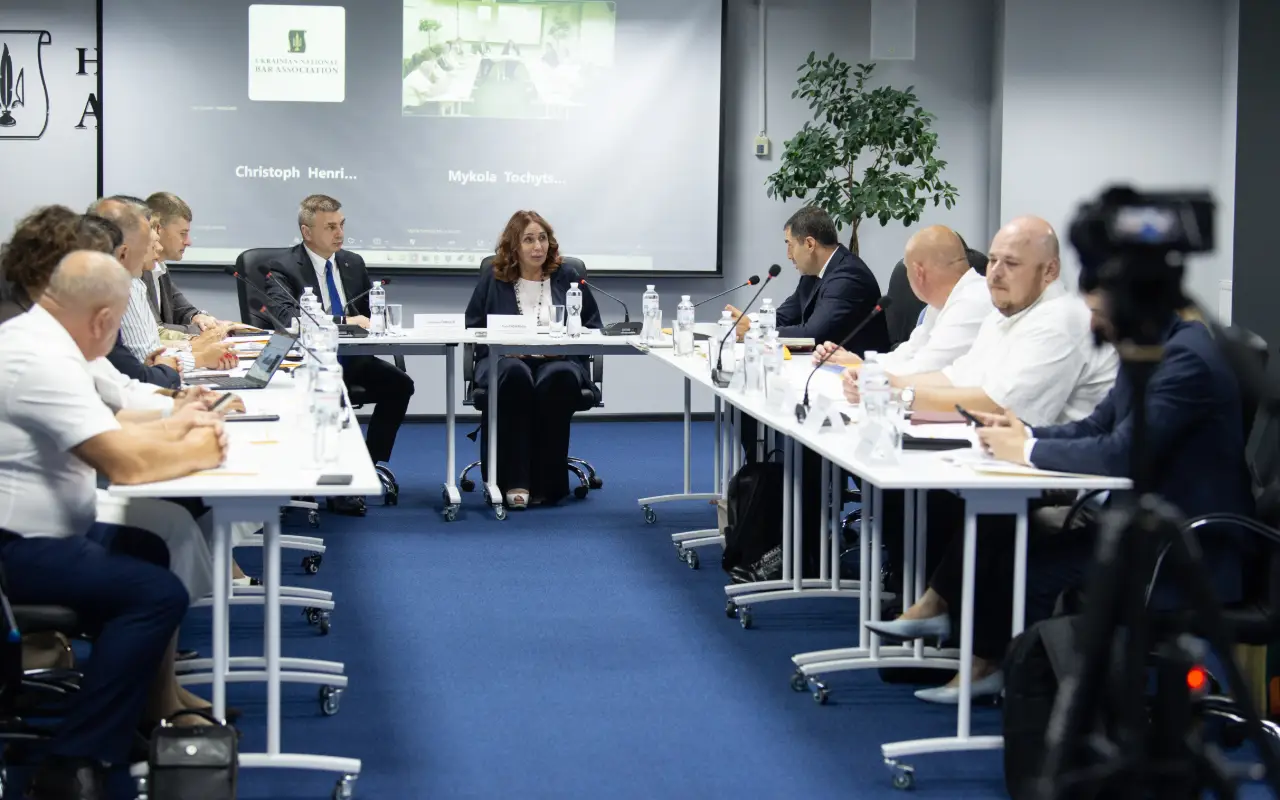
The path to ratification of the Convention must not end in yet another delay — L. Izovitova
Ukraine’s preparations for the ratification of the Council of Europe Convention on the Protection of the Professions of Lawyer have already passed key stages. Now, government institutions must submit the matter to the Verkhovna Rada for consideration. In doing so, Ukraine may complete the ratification process faster than EU member states.
Guarantees of the practice of law
Ukraine could be the first to implement a European mechanism for the protection of advocates. What’s holding it back?
Ukraine has a chance to be the first country to ratify the Council of Europe Convention on the Protection of the Professions of Lawyer. Political support for this exists, but the government’s legislative package has not yet been submitted to parliament. Meanwhile, the number of violations of advocates’ rights is on the rise.
Educational events
How can an advocate verify that work has been completed if the client refuses to sign the report?
When billing by the hour, the primary document for determining the fee may be a detailed report on the time spent by the advocate and the work performed. To prevent the client from withholding payment, the contract should specify in advance the procedure for submitting and approving such a report.
Self-government
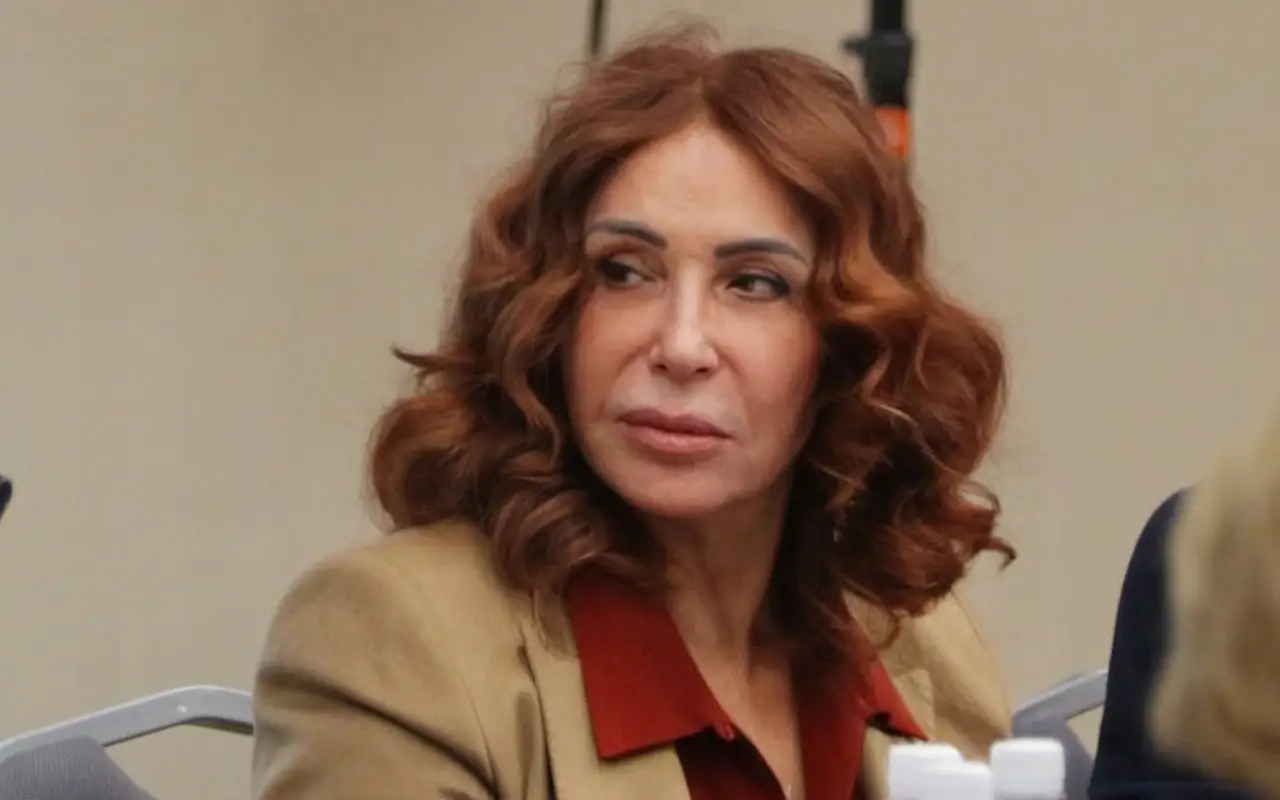
The BCU took note of the public appeal from the HCJ
The Bar Council of Ukraine has determined that, given the current security situation, it is objectively impossible to hold, in accordance with the procedure established by the Law «On the advocacy and the practice of law», meetings of advocates, regional conferences of advocates and the Congress of Ukrainian Advocates, including for the purpose of electing two members of the High Council of Justice under the quota allocated to the Congress of Ukrainian Advocates.
War
The BCU has launched a digital project «Wall of Remembrance and Honor»
The Bar Council of Ukraine has adopted a resolution to launch the digital project «Wall of Remembrance and Honor». To this end, the UNBA is beginning to collect information on advocates and paralegals who lost their lives as a result of the Russian Federation’s armed aggression against Ukraine.
Legal defence of military personnel
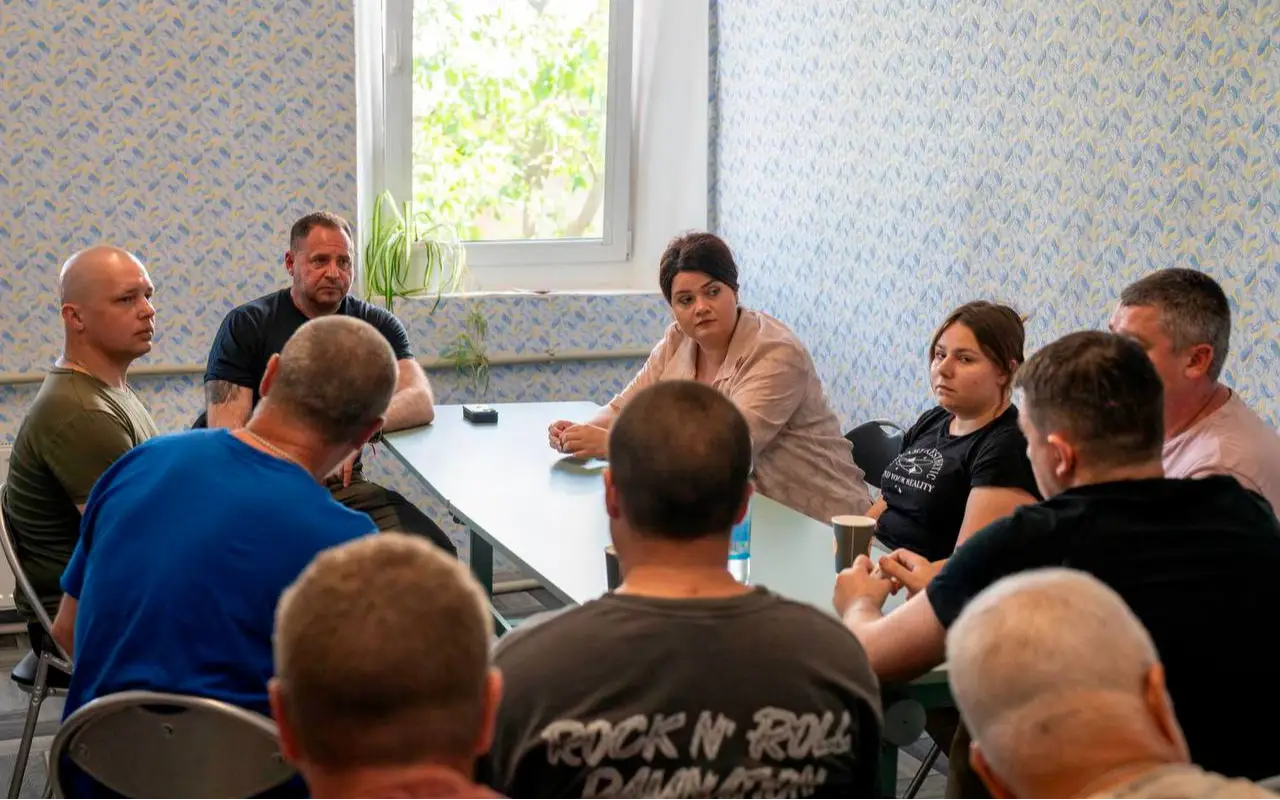
«Advocate+» has expanded its operations to 18 military units
The «Advocate+» project of the Ukrainian National Bar Association, which assigns advocates to military units, has expanded its operations to 18 units. Specialists have already been assigned to the new participants and are set to begin consultations next week.
Edition
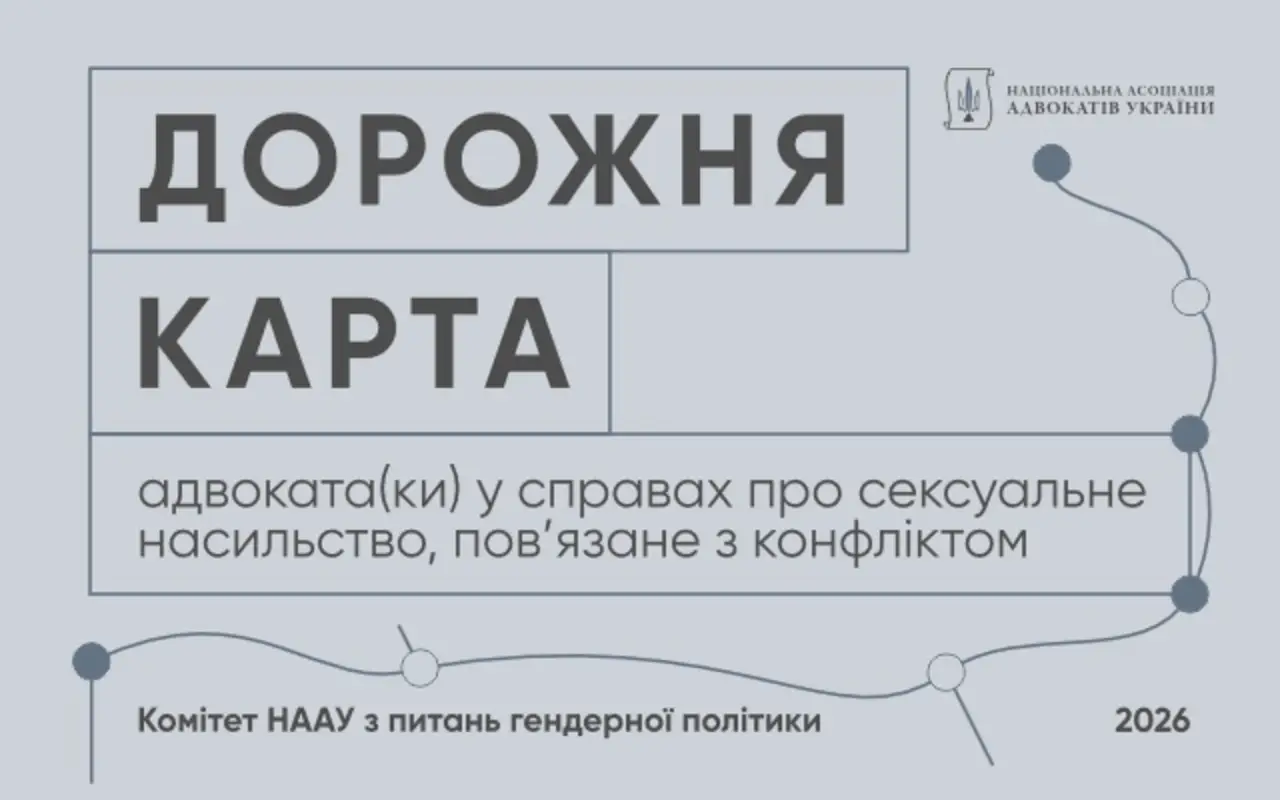
A roadmap for the CRSV cases has been prepared for the advocates
The UNBA Committee on gender policy has prepared a Roadmap for cases of Conflict-Related Sexual Violence.
Publications

Vasyl Kolishnyi, «Law and Business» Supporting mental health should become part of the professional culture of the Bar, - H. Udovenko

Volodymyr Matsko Extradition during wartime: when the risks outweigh the request

Volodymyr Matsko Extradition as a systemic form of rights violations

Victoria Yakusha, Law and Business The anti-corruption vertical cannot «take care» of the Bar as an institution, - acting head of the HQDCB

Censor.net Protecting advocates – protecting justice: addressing concerns about the new law

Ihor Kolesnykov A BRIEF SUMMARY REGARDING THE APPLICATION OF THE ORDER ON EXTENDED CONFISCATION IN LATVIA REGARDING FINANCIAL ASSETS OF…

Valentyn Gvozdiy WORKING IN A WAR ZONE

Lydia Izovitova Formula of perfection