


The NACP’s clarification regarding the declaration of membership in the UNBA should be clarified – BCU
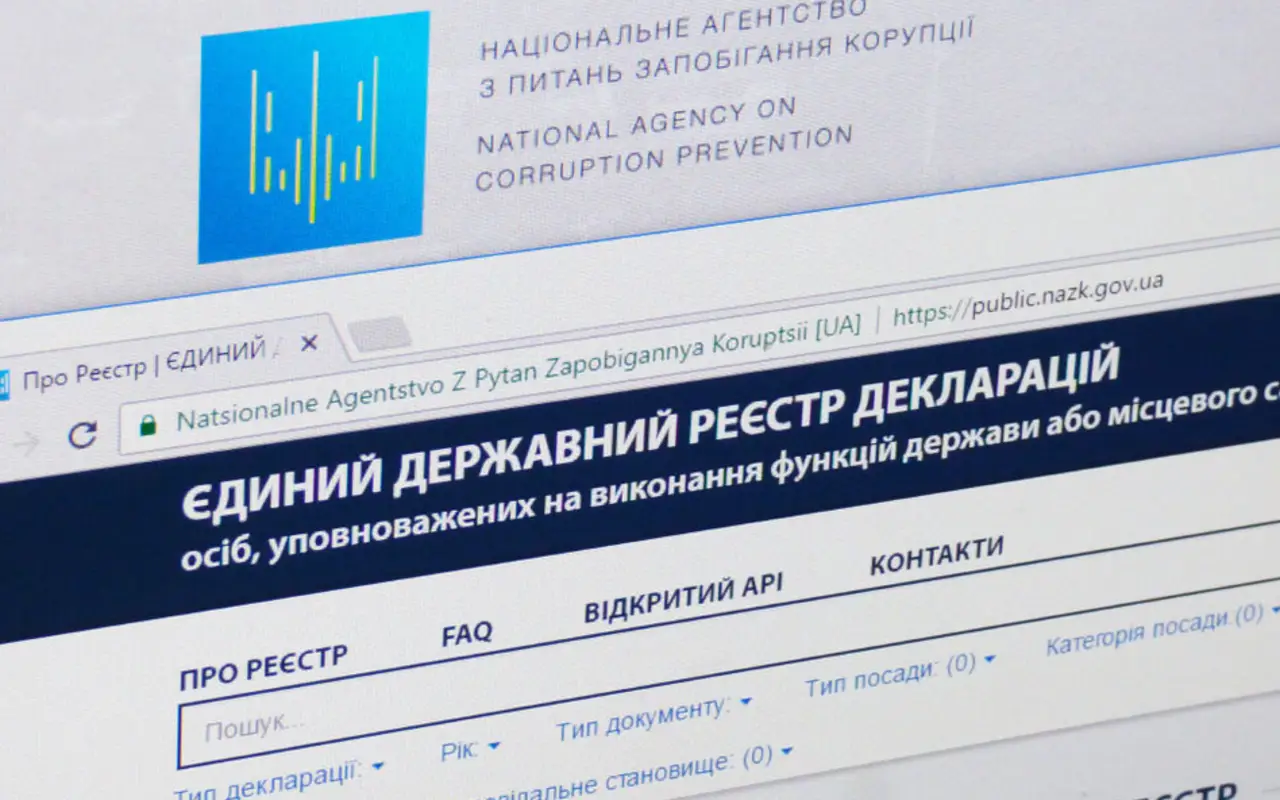
An advocate’s membership in the UNBA is an element of professional status arising by virtue of law, rather than a voluntary private membership in an association. Therefore, failure to disclose it in a declaration should not automatically lead to the conclusion of unethical conduct or the concealment of a private interest.
The Bar Council of Ukraine provided this clarification in its Decision No. 50 dated June 30, 2026, after reviewing the advocate’s appeal.
In presenting the matter, the President of the UNBA, BCU Lidiya Izovitova explained that the advocate had appealed to the UNBA after participating in a competition for a judgeship. According to the appeal, one of the factors that contributed to the negative assessment of the candidate’s integrity was the failure to disclose information about membership in the UNBA in the declaration.
L. Izovitova noted that an advocate’s membership in the UNBA is derived from their professional status. A person becomes an advocate after completing the procedure prescribed by law, receiving a license, and taking the oath, not after submitting an application for membership. The UNBA is a non-governmental, non-profit professional organization established to ensure the fulfillment of the tasks of bar self-governance. These objectives include ensuring the independence of the advocacy profession, protecting the professional rights of advocates, and guaranteeing the practice of law not exercising control over advocates.
For this reason, an advocate’s membership in the UNBA does not create a relationship of subordination, corporate dependence, private interest, or financial benefit. The Association has no discretion to deny an advocate such membership, and an advocate cannot, at their own discretion, practice law while not being a member of the UNBA.
Particular emphasis was placed on the transparency of an advocate’s status. Information about advocates is contained in the Unified Register of Advocates of Ukraine and is publicly verifiable. Therefore, the mere fact of membership in the UNBA does not constitute a hidden organizational connection and cannot automatically be used as an independent basis for a negative assessment of a person’s integrity as a candidate for the position of judge.
Furthermore, paragraph 12 of part one of Article 46 of the Law «On preventing corruption» (which requires individuals to disclose in their declarations information regarding membership in public, self-regulatory, or self-governing professional associations) must be applied with due regard to the purpose of financial oversight. This concerns the transparency of ties that may indicate a private interest, a conflict of interest, a financial benefit, or other influence on the performance of public functions. However, not every legal connection a person has with a particular institution has independent anti-corruption significance.
Therefore, in the absence of a direct and unambiguous provision regarding the procedure for disclosing an advocate’s membership in the UNBA as an element of professional status in the declaration, this provision must be applied in accordance with the principle of legal certainty and the interpretation most favorable to the individual.
Failure to indicate in the declaration that an advocate is a member of the UNBA, without the establishment of other legally significant circumstances, does not constitute an independent basis for concluding that there was concealment of information, misconduct, or intentional submission of false information.
Based on the results of its review, the BCU decided to request the NACP to clarify the guidance in the Knowledge Base regarding the declaration of advocates’ membership in the UNBA.
The NACP’s advisory clarifications regarding the declaration of membership in the UNBA do not contain legal norms and cannot expand the scope of paragraph 12, part 1, of Article 46 of the Law «On preventing corruption» beyond the boundaries of the law or create automatic negative consequences for an individual in a competitive selection process.
The clarification must take into account the specific professional and legal nature of this membership, its establishment by law, and its distinction from voluntary private membership. A copy of the decision must also be sent to the bodies conducting competitive procedures for the appointment of judges. At the same time, the BCU noted that the subject of consideration was not a review of the completeness or accuracy of V. Kovalishkin’s declaration or an assessment of the integrity of a specific candidate within the framework of the competitive selection process.
The BCU applied a similar approach in Decision No. 51, which concerns individuals whose right to practice law has been suspended. In that decision, the Council took the same position: membership in the UNBA has a specific professional and legal nature, arises by virtue of law, and is not voluntary private membership. At the same time, in such cases, the suspended status of membership must also be taken into account in accordance with the UNBA Charter.
Popular news
Interaction
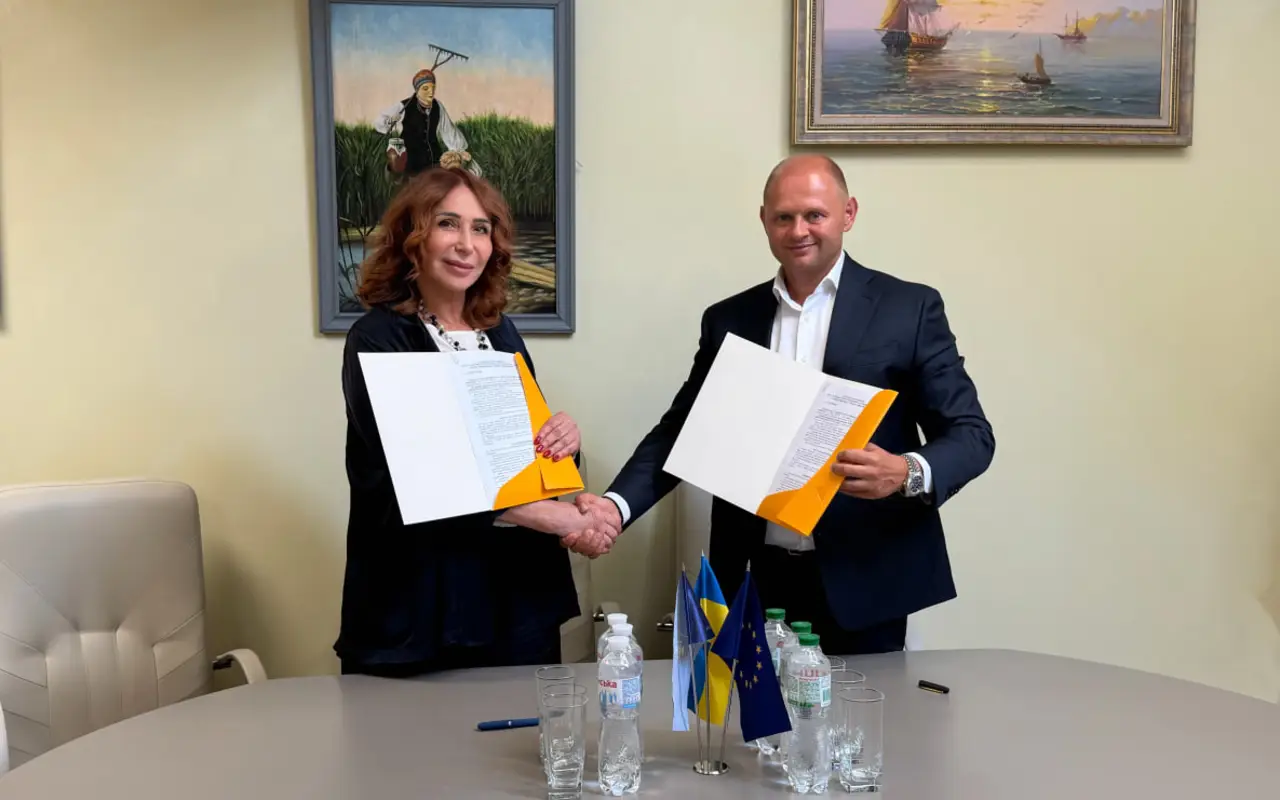
Energy law: the UNBA and the ADMGE have agreed to cooperate
Advocates will deepen their professional expertise in the field of energy law, and participants in the distributed and flexible generation market will have greater opportunities to obtain professional legal assistance.
Discussion
The Ministry of Defense is preparing new procedures for MMC: what changes are being proposed
The Ministry of Defense is establishing an interagency working group to develop a new procedure for military medical examinations conducted by military medical commissions. Among the issues requiring resolution are the issuance of documents based on examination results, referrals for repeat medical examinations, verification of the medical basis for decisions, and the accountability of military medical commission members.
Legal defence of military personnel
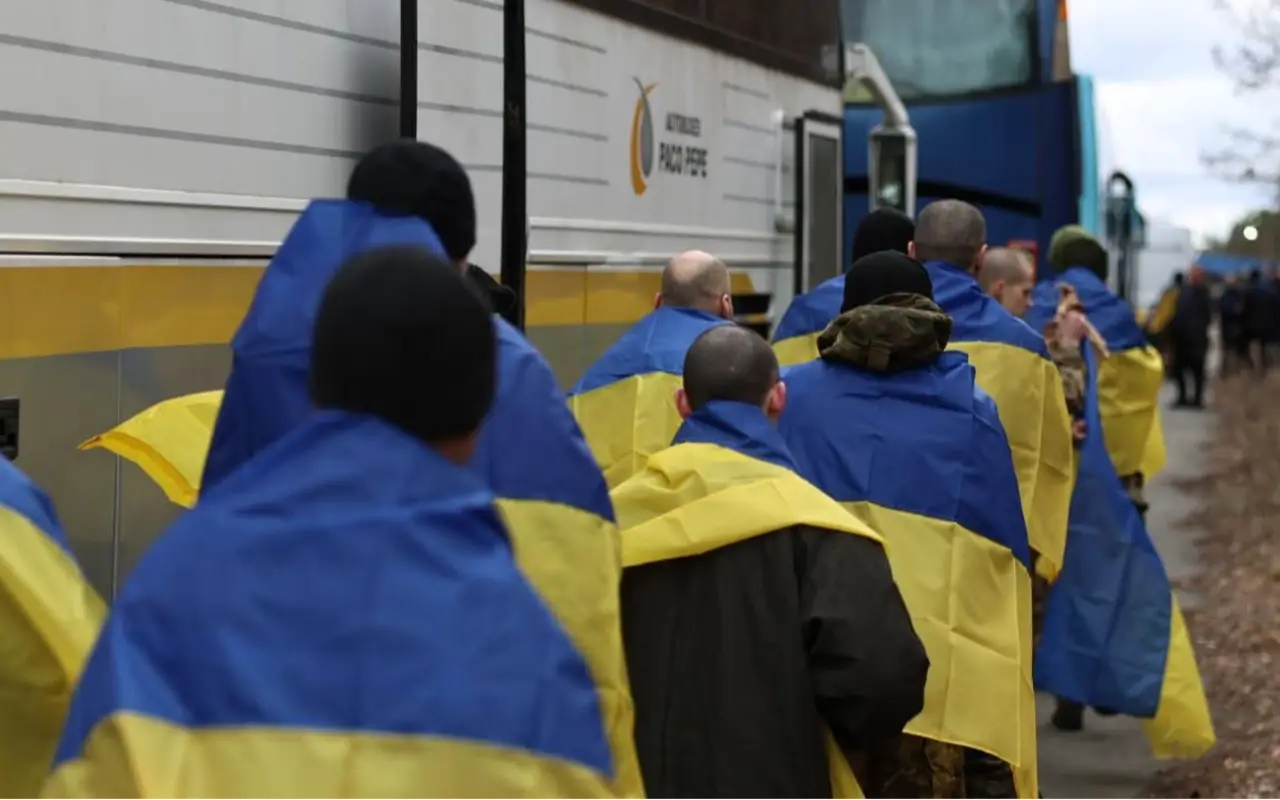
The Ministry of Defense has taken into account the UNBA's proposals regarding medical commissions for those released from…
The Ministry of Defense has included in the draft amendments to the procedure for military medical examinations certain proposals from the Ukrainian National Bar Association aimed at simplifying the process of confirming the circumstances of health impairments sustained during captivity and establishing a causal link to the defense of the homeland.
Interaction
The UNBA is developing a concept for a Center for expert research
The Ukrainian National Bar Association has begun work on a concept for a Center for expert research, which is intended to provide advocates and their clients with access to specialized knowledge and the ability to have expert opinions professionally reviewed.
Guarantees of the practice of law
Ombudsman calls for a firm response to violence against advocates
Every instance of obstruction of an advocate’s lawful activities, use of physical force, delaying an investigation, or concealment of evidence must be subject to a proper legal assessment. The state is obligated to ensure that the right to a defense is a genuine guarantee.
Discussion
Lobbyists are being offered the status of independent professional practice
Individuals engaged in lobbying are being offered the status of independent professionals. To achieve this, it is necessary to amend the Tax Code and the relevant law, as well as to define the specifics of taxing lobbyists’ professional income and expenses.
Discussion
Children under temporary protection: jurisdiction, evidence and a local advocate
In a cross-border dispute involving a child, temporary protection status alone does not determine jurisdiction or guarantee a specific outcome. An advocate needs coordinated action in Ukraine and the host country, a timely legal opinion, a local colleague, and a professional translation.
Greetings
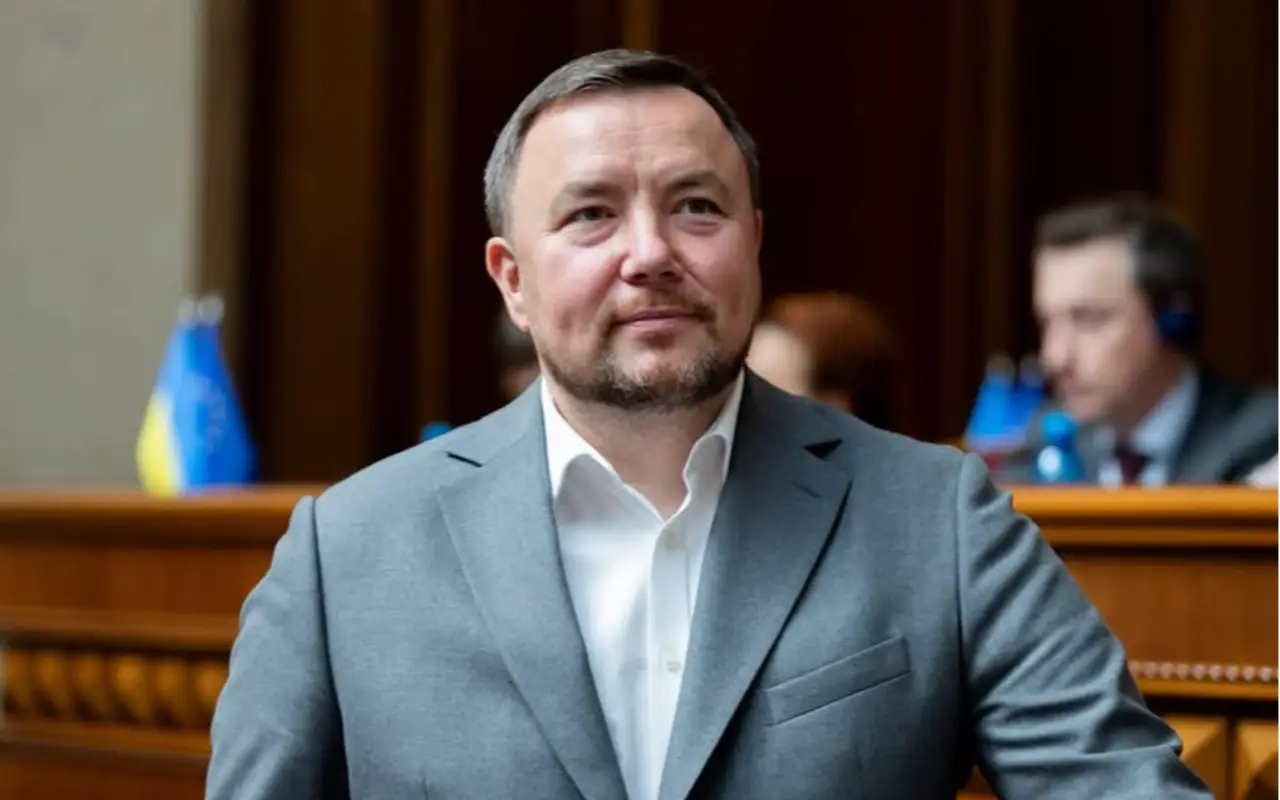
The UNBA congratulates Denis Maslov on his appointment as Minister of Justice
Denis Maslov’s many years of experience as a advocate, his work as a judge and his tenure as chairman of the Verkhovna Rada of Ukraine’s Committee on legal policy have given him a deep understanding of how the legal system functions and the challenges it faces.
Publications

Volodymyr Matsko Extradition during wartime: when the risks outweigh the request

Volodymyr Matsko Extradition as a systemic form of rights violations

Victoria Yakusha, Law and Business The anti-corruption vertical cannot «take care» of the Bar as an institution, - acting head of the HQDCB

Censor.net Protecting advocates – protecting justice: addressing concerns about the new law

Ihor Kolesnykov A BRIEF SUMMARY REGARDING THE APPLICATION OF THE ORDER ON EXTENDED CONFISCATION IN LATVIA REGARDING FINANCIAL ASSETS OF…

Valentyn Gvozdiy WORKING IN A WAR ZONE

Lydia Izovitova Formula of perfection

Sergiy Vylkov Our judicial system is so built that courts do not trust advocates