


Complaints, time limits and prosecutorial powers: what gaps in the CPC do advocates see?

During the pretrial investigation stage, the effectiveness of the defense depends to a large extent on the proper implementation of procedural safeguards: the timely consideration of complaints, the advocate’s access to information regarding the progress of the proceedings and so on.
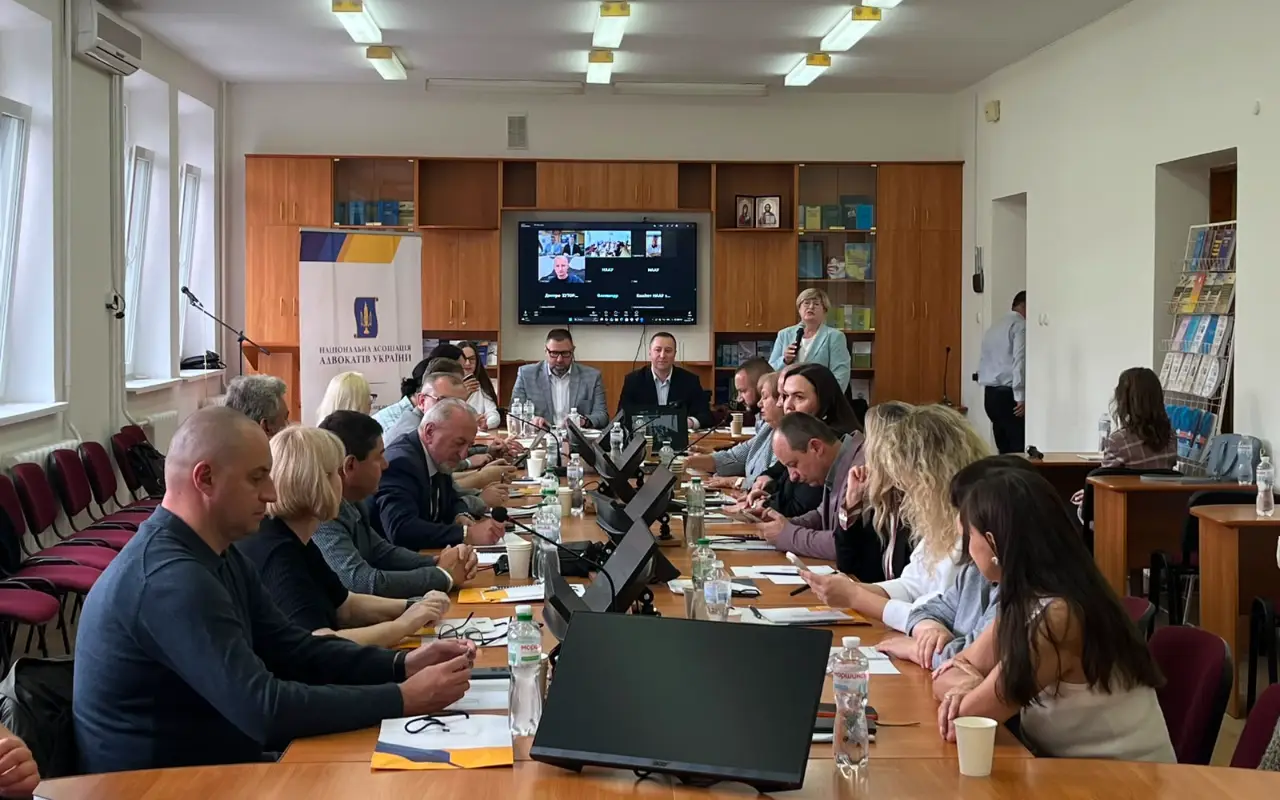
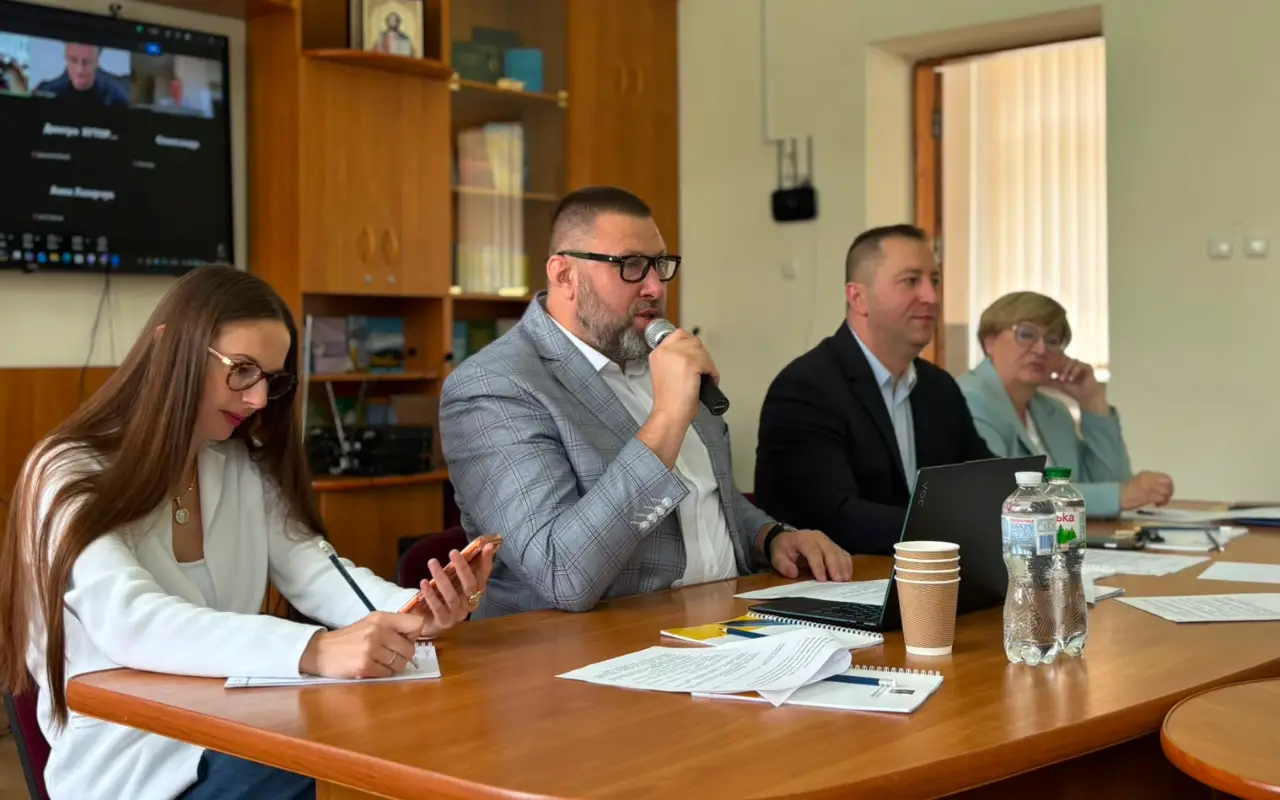
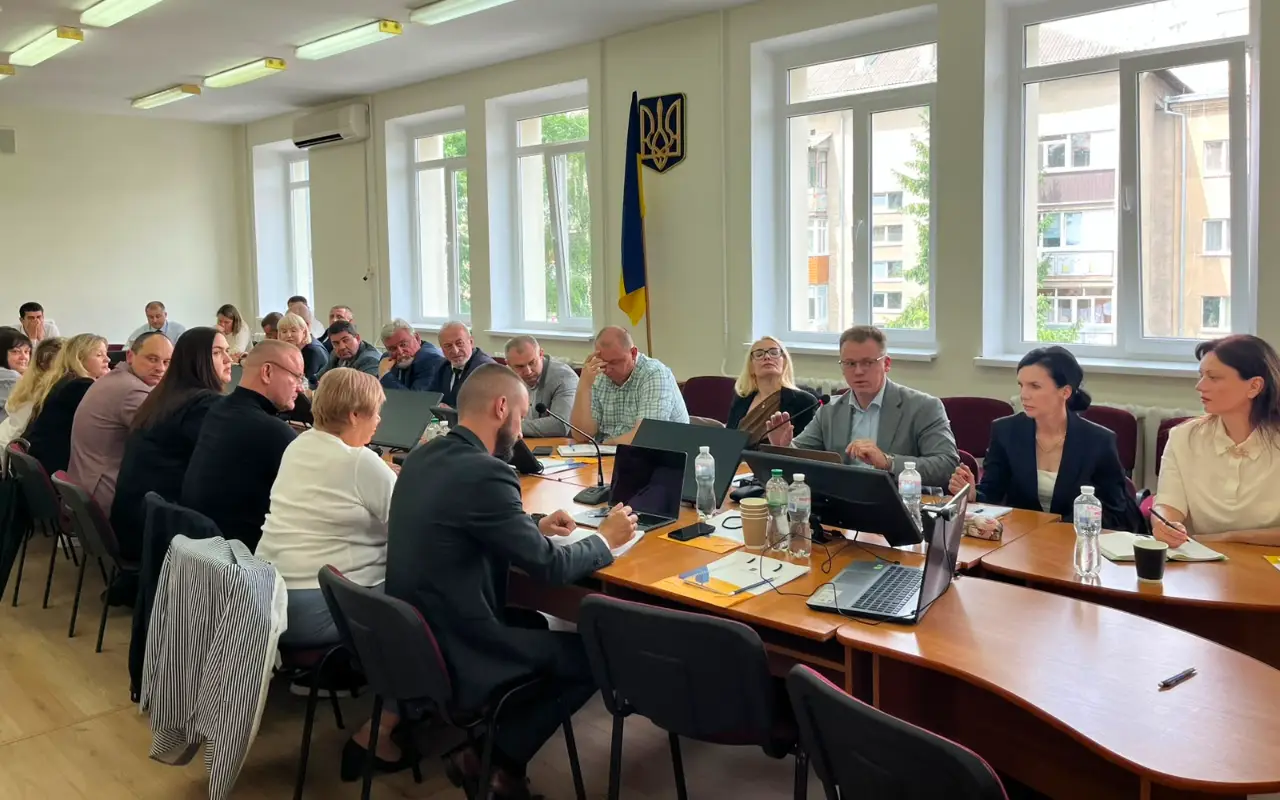
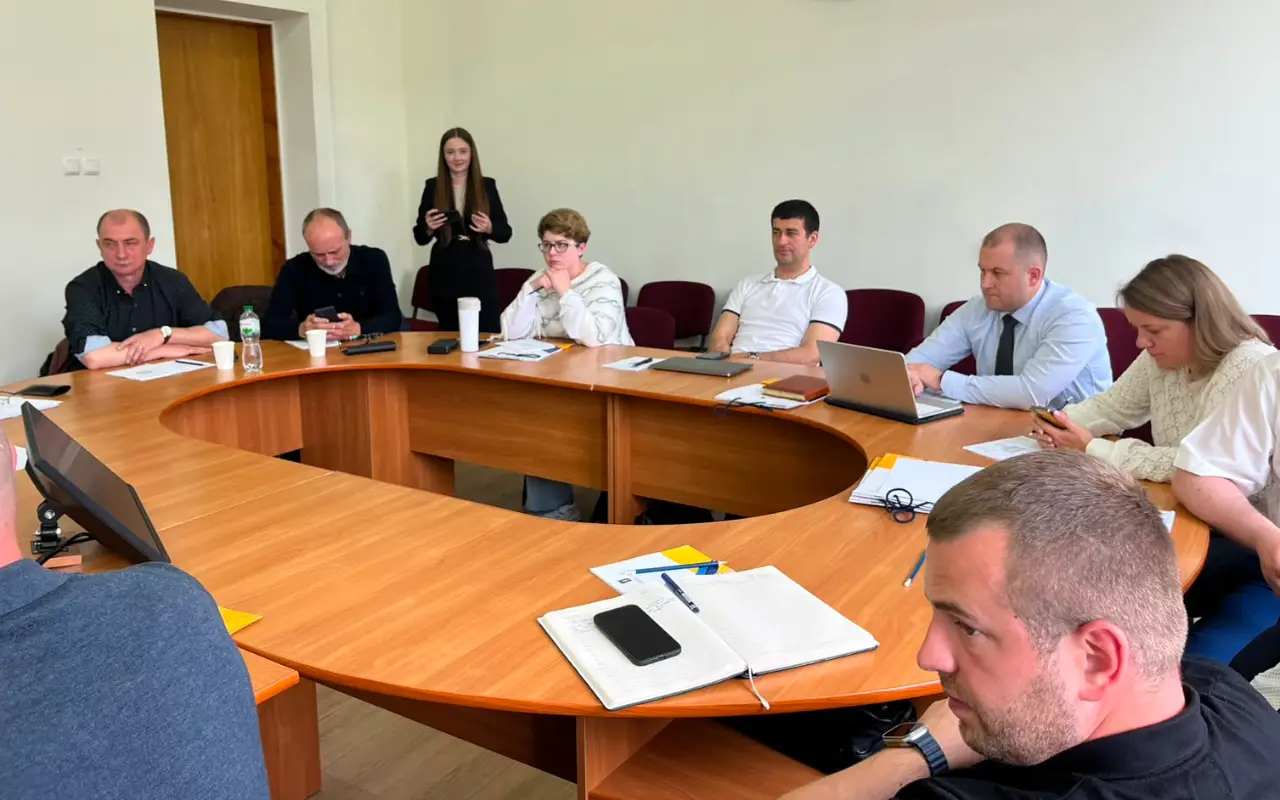
It was precisely these practical issues that became one of the topics of discussion at the roundtable «Problematic issues in the application of the Code of Criminal Procedure», organized by the UNBA Committee on legal practice in cooperation with the Ivano-Frankivsk Regional Bar Association and the Educational and Scientific Law Institute of the Vasyl Stefanyk Carpathian National University.
Advocates, judges, representatives of the prosecutor’s office, the police and the academic community participated in the discussion.
In his opening remarks, the chairman of the UNBA Committee on legal practice Bogdan Kushnir noted that the outcomes of the roundtable should be translated into legislative initiatives. According to him, the goal of such discussions is to ensure that the provisions of the Code of Criminal Procedure are actually applied in court proceedings, and that the participation of an advocate is not reduced to a mere formality required for holding a hearing.
His colleague, a deputy chairman of the UNBA Committee on legal practice Volodymyr Martynenko, supported this view, urging those present to submit proposals in a format suitable for legislative drafting: current text, proposed text, rationale, and comparative tables.
In particular, V. Martynenko drew attention to the time limits for reviewing complaints under Chapter 26 of the CPC. The law provides for 72 hours to review complaints regarding decisions, actions, or inaction by an inquiry officer, investigator, or prosecutor; however, in practice, according to the advocate, this period can last significantly longer due to the absence of case materials or the wait for their arrival.
A member of the UNBA Committee Andriy Izovita focused on judicial oversight during the pretrial investigation stage. He noted that the exhaustive list of decisions that may be appealed under Article 303 of the CPC ensures procedural certainty. However, situations still arise where decisions affecting the rights of parties to the proceedings fall outside the scope of such oversight.
When reviewing complaints, attention often focuses on formal procedural violations, while the substance of the allegations remains unaddressed. In this context, the speaker proposed discussing the balance between procedural discipline and the effective protection of rights during the review of complaints.
A. Izovita also raised the issue of time limits. For the defense, the speed of complaint review is particularly important at the pretrial stage. However, there are cases where rulings are issued several months after a complaint is filed with the investigating judge.
Another practical topic concerned the defense’s access to information necessary to substantiate complaints. As an example, A. Izovita cited the criminal proceeding log, which can help verify the legality of an investigator’s or prosecutor’s actions. According to him, the defense usually obtains such a document only through the investigating judge or during the preliminary hearing, and even then with significant difficulty.
The discussion regarding the proceeding log shifted to the issue of changing the pretrial investigation authority and the actual flow of case materials.
V. Martynenko cited situations where a prosecutor changes the pre-trial investigation authority, yet the case materials raise the question of who actually conducted the investigative actions. If the protocols, motions to the court, and other procedural documents are signed by the prosecutor, this subsequently raises questions regarding the admissibility of evidence and the limits of the prosecutor’s procedural oversight functions.
Participants in the discussion also referred to Article 36 of the Code of Criminal Procedure and discussed the circumstances under which a prosecutor may independently conduct investigative actions. A member of the Qualification and Disciplinary Commission for Prosecutors Yevheniia Mnyshenko noted that the Code of Criminal Procedure provides for this possibility in exceptional cases; however, the law does not specify a list of such cases.
V. Martynenko supported the need to clarify this issue. According to him, the lack of a definition of «special cases» creates room for differing interpretations of the provision, which affects legal certainty and the subsequent evaluation of evidence in court.
The advocates cited examples where, after the pretrial investigation authority had been designated, the case materials remained with the prosecutor for an extended period, and important procedural actions were carried out before the relevant authority issued a resolution to initiate the pretrial investigation. The participants linked such situations to the need for clearer regulation of the procedural consequences regarding the admissibility of evidence.
A separate segment addressed responses to motions filed by the defense. Participants cited an example where a detective responded to a motion for the return of seized funds with a letter, even though the defense had expected a procedural decision in the form of a ruling. In such a situation, the investigating judge may consider the motion to have been addressed, although the absence of a ruling complicates any subsequent appeal.
In this regard, a proposal was made to amend the Code of Criminal Procedure to provide for the possibility of appealing the investigating judge’s rulings following the consideration of such complaints. One participant in the discussion noted that if an action, inaction, or procedural document is challenged in the court of first instance, the corresponding decision should also be reviewed on appeal.
Ye. Mnyshenko drew attention to the disciplinary liability of prosecutors as a separate mechanism for addressing procedural conduct. In practice, she said, it is important to distinguish between improper action and inaction in cases where a prosecutor was required to take a specific procedural action.
As an example, she cited a prosecutor’s failure to appear at a court hearing. The Supreme Court recognizes disciplinary liability for a prosecutor’s failure to appear, which is classified as improper performance of duties; however, the specific circumstances are relevant in each case. For the Qualification and Disciplinary Commission of Prosecutors, the court’s procedural decision establishing the fact of failure to appear without a valid reason is crucial.
Popular news
Guarantees of the practice of law
Ombudsman calls for a firm response to violence against advocates
Every instance of obstruction of an advocate’s lawful activities, use of physical force, delaying an investigation, or concealment of evidence must be subject to a proper legal assessment. The state is obligated to ensure that the right to a defense is a genuine guarantee.
Greetings
The UNBA congratulates Denis Maslov on his appointment as Minister of Justice
Denis Maslov’s many years of experience as a advocate, his work as a judge and his tenure as chairman of the Verkhovna Rada of Ukraine’s Committee on legal policy have given him a deep understanding of how the legal system functions and the challenges it faces.
Legislation
The Verkhovna Rada explained why the section on advocacy should be removed from the anti-corruption strategy
The section on advocacy and legal aid in the draft anti-corruption strategy for 2026–2030 goes beyond the scope of anti-corruption policy and is inconsistent with the constitutional guarantees of the independence of the legal profession.
Discussion
Complaints, time limits and prosecutorial powers: what gaps in the CPC do advocates see?
During the pretrial investigation stage, the effectiveness of the defense depends to a large extent on the proper implementation of procedural safeguards: the timely consideration of complaints, the advocate’s access to information regarding the progress of the proceedings and so on.
Guarantees of the practice of law
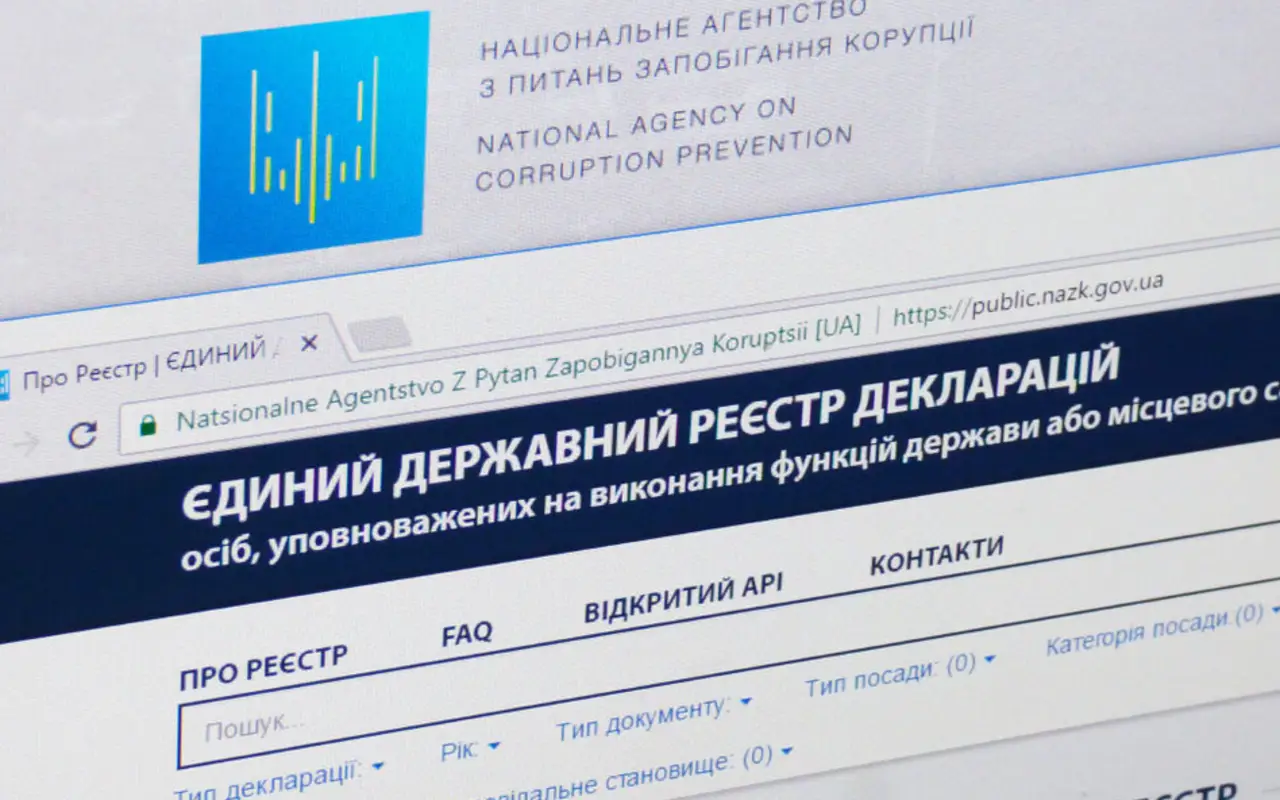
The NACP’s clarification regarding the declaration of membership in the UNBA should be clarified – BCU
An advocate’s membership in the UNBA is an element of professional status arising by virtue of law, rather than a voluntary private membership in an association. Therefore, failure to disclose it in a declaration should not automatically lead to the conclusion of unethical conduct or the concealment of a private interest.
Discussion
The history of Ukrainian constitutionalism was discussed during a lecture
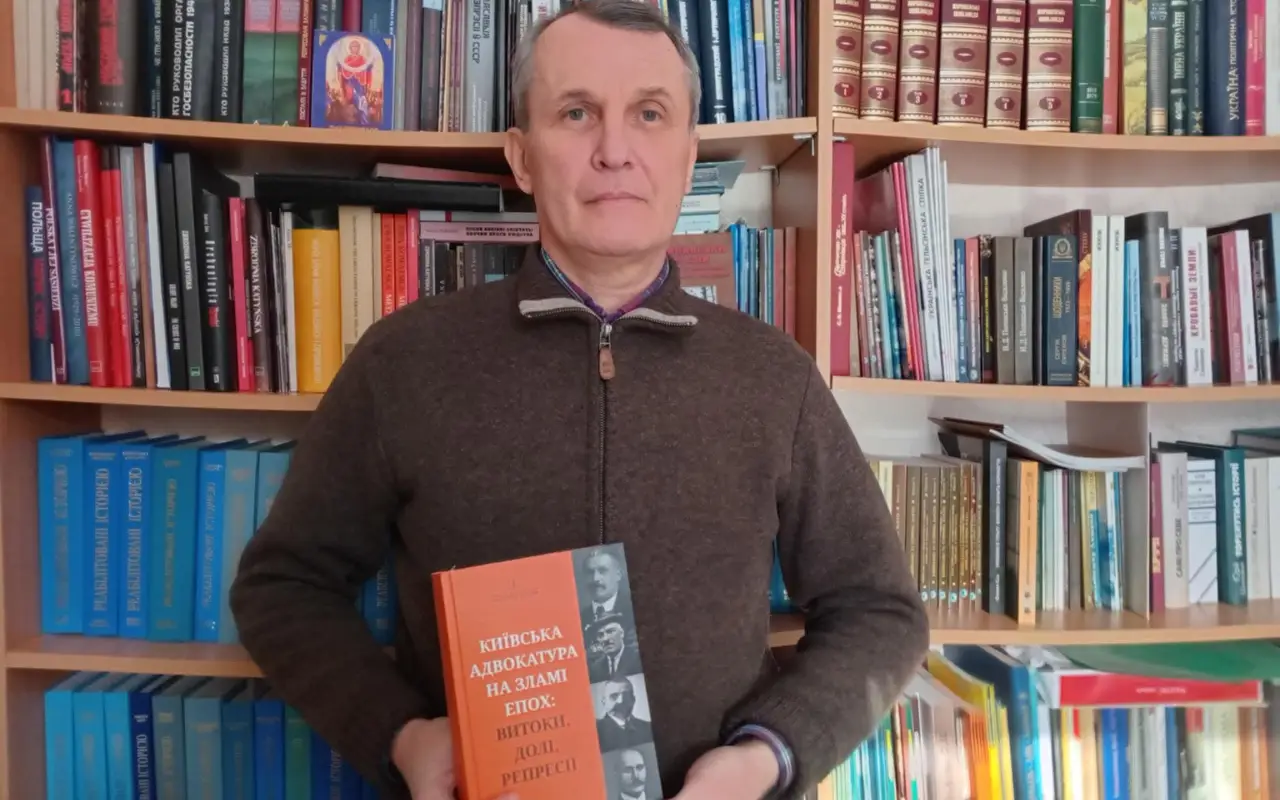
To mark Ukraine’s Constitution Day, the Center for research on the legal profession and law of the UNBA in collaboration with the «Bykivnia Graves» National Historical and Memorial Reserve organized an online lecture on the history of the Ukrainian constitutional process.
Legislation
The UNBA is counting on the swift ratification of the Convention on the Protection of the Professions of Lawyer
The ratification of the Council of Europe Convention on the Protection of the Professions of Lawyer must be accompanied by targeted amendments to legislation to strengthen safeguards for advocates, but should not be used as a pretext for dismantling the self-governing model of advocacy.

Legal defence of military personnel
Advocates are expanding their legal support for the military and affected businesses
Legal assistance for military personnel should begin with simple and quick consultations, but it should not end there. Typical requests from brigades are compiled into summaries, digital services and proposals to government agencies.
Publications

Volodymyr Matsko Extradition during wartime: when the risks outweigh the request

Volodymyr Matsko Extradition as a systemic form of rights violations

Victoria Yakusha, Law and Business The anti-corruption vertical cannot «take care» of the Bar as an institution, - acting head of the HQDCB

Censor.net Protecting advocates – protecting justice: addressing concerns about the new law

Ihor Kolesnykov A BRIEF SUMMARY REGARDING THE APPLICATION OF THE ORDER ON EXTENDED CONFISCATION IN LATVIA REGARDING FINANCIAL ASSETS OF…

Valentyn Gvozdiy WORKING IN A WAR ZONE

Lydia Izovitova Formula of perfection

Sergiy Vylkov Our judicial system is so built that courts do not trust advocates