


Winners of essay contest on role of AI in Ukrainian diplomacy announced
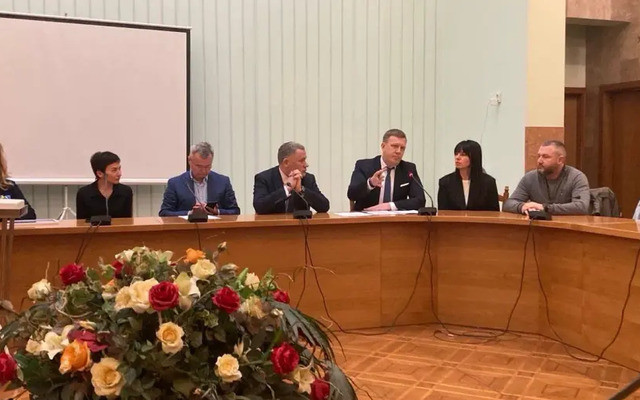
On December 5, the final round of the second All-Ukrainian student essay competition on the topic «Modern Ukrainian Diplomacy: synergy of human and artificial intelligence in defending national interests» took place at the Educational and Scientific Institute of International Relations of Taras Shevchenko National University of Kyiv.
The jury included representatives of the Ukrainian National Bar Association – chairman of the Committee on commercial law and procedure Hanna Osetynska and member of the Committee Council Vadym Popko.
This year, 252 applications were received from students of 46 higher education institutions from all over Ukraine. Students from Kyiv, Kharkiv, Dnipro, Lviv, Odesa, Uzhhorod, Chernihiv, Mykolaiv, Zhytomyr, Kherson, Kramatorsk, and other cities took part in the competition. Based on the results of the selection process, the jury formed a list of ten finalists, who presented their work during public debates.
The winner of the competition was Kateryna Mashoshina, a 4th-year student at the Educational and Scientific Institute of International Relations. She received a certificate for an internship at the Presidential Administration of Ukraine. In addition to cash prizes, the other finalists won the opportunity to undergo internships at the Ukrainian National Bar Association, the Ministry of Foreign Affairs, and law firms. Thus, the competition combined academic training for students with practical opportunities in the field of advocacy and diplomacy.
A special feature of this year's competition was the criteria for the content of the essays: a key condition for participation was not to use artificial intelligence when writing the essays. «Despite the theme of the competition, human thinking remains decisive in matters of strategic vision, protection of national interests, and foreign policy decisions, - commented H. Osetynska on the format. - At the same time, it is important for the legal community to support initiatives that combine innovative technologies and a responsible attitude towards the profession».
V. Popko is convinced that the experience of participating in such projects will be an important step for students towards further professional realization in advocacy and related legal fields. «This competition will help its participants understand the role of lawyers and diplomats in protecting human rights, the rule of law, and the interests of the state, as well as teach them to use digital tools, including artificial intelligence, carefully and ethically», - he noted.
Popular news
Guarantees of the practice of law
Ombudsman calls for a firm response to violence against advocates
Every instance of obstruction of an advocate’s lawful activities, use of physical force, delaying an investigation, or concealment of evidence must be subject to a proper legal assessment. The state is obligated to ensure that the right to a defense is a genuine guarantee.
Greetings
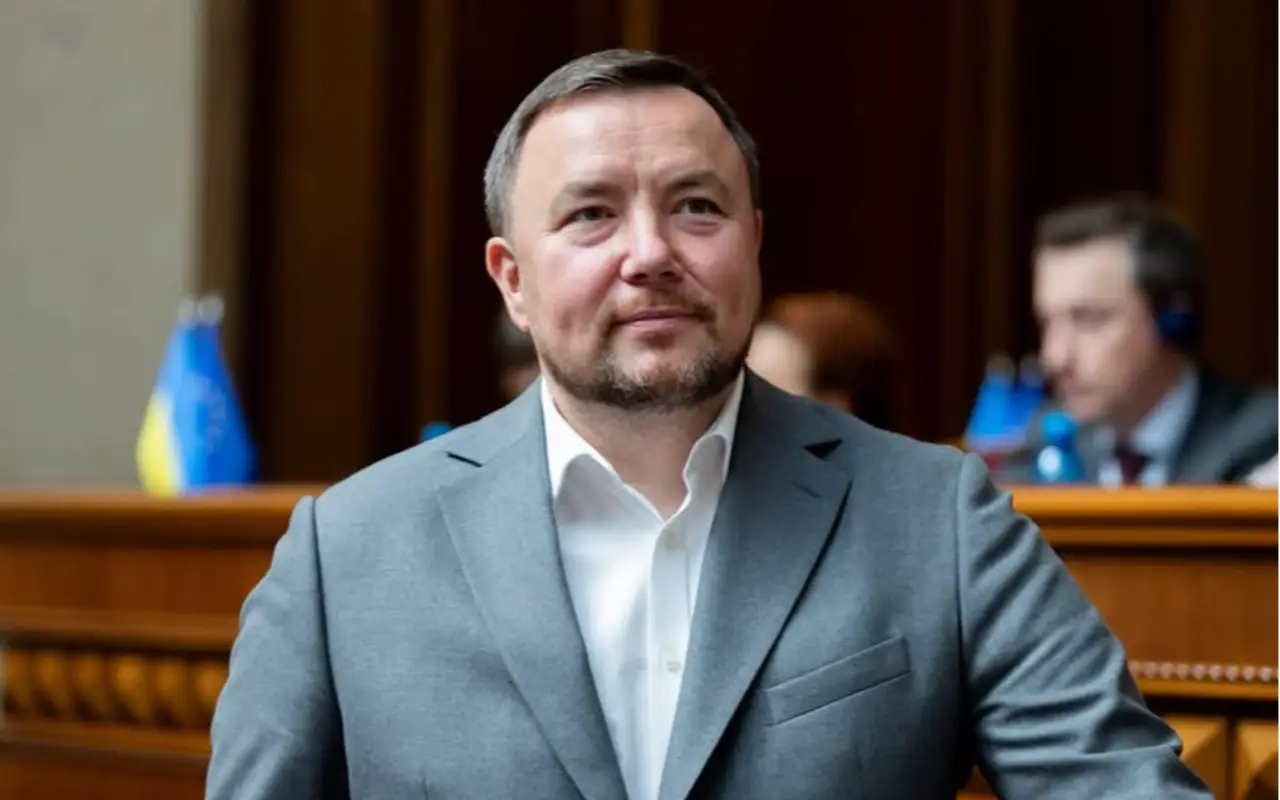
The UNBA congratulates Denis Maslov on his appointment as Minister of Justice
Denis Maslov’s many years of experience as a advocate, his work as a judge and his tenure as chairman of the Verkhovna Rada of Ukraine’s Committee on legal policy have given him a deep understanding of how the legal system functions and the challenges it faces.
Legislation
The Verkhovna Rada explained why the section on advocacy should be removed from the anti-corruption strategy
The section on advocacy and legal aid in the draft anti-corruption strategy for 2026–2030 goes beyond the scope of anti-corruption policy and is inconsistent with the constitutional guarantees of the independence of the legal profession.
Guarantees of the practice of law
The NACP’s clarification regarding the declaration of membership in the UNBA should be clarified – BCU
An advocate’s membership in the UNBA is an element of professional status arising by virtue of law, rather than a voluntary private membership in an association. Therefore, failure to disclose it in a declaration should not automatically lead to the conclusion of unethical conduct or the concealment of a private interest.
Discussion
The history of Ukrainian constitutionalism was discussed during a lecture
To mark Ukraine’s Constitution Day, the Center for research on the legal profession and law of the UNBA in collaboration with the «Bykivnia Graves» National Historical and Memorial Reserve organized an online lecture on the history of the Ukrainian constitutional process.
Legislation
The UNBA is counting on the swift ratification of the Convention on the Protection of the Professions of Lawyer
The ratification of the Council of Europe Convention on the Protection of the Professions of Lawyer must be accompanied by targeted amendments to legislation to strengthen safeguards for advocates, but should not be used as a pretext for dismantling the self-governing model of advocacy.
Interaction
A manifesto on AI in law was presented in Europe. The UNBA has joined the initiative
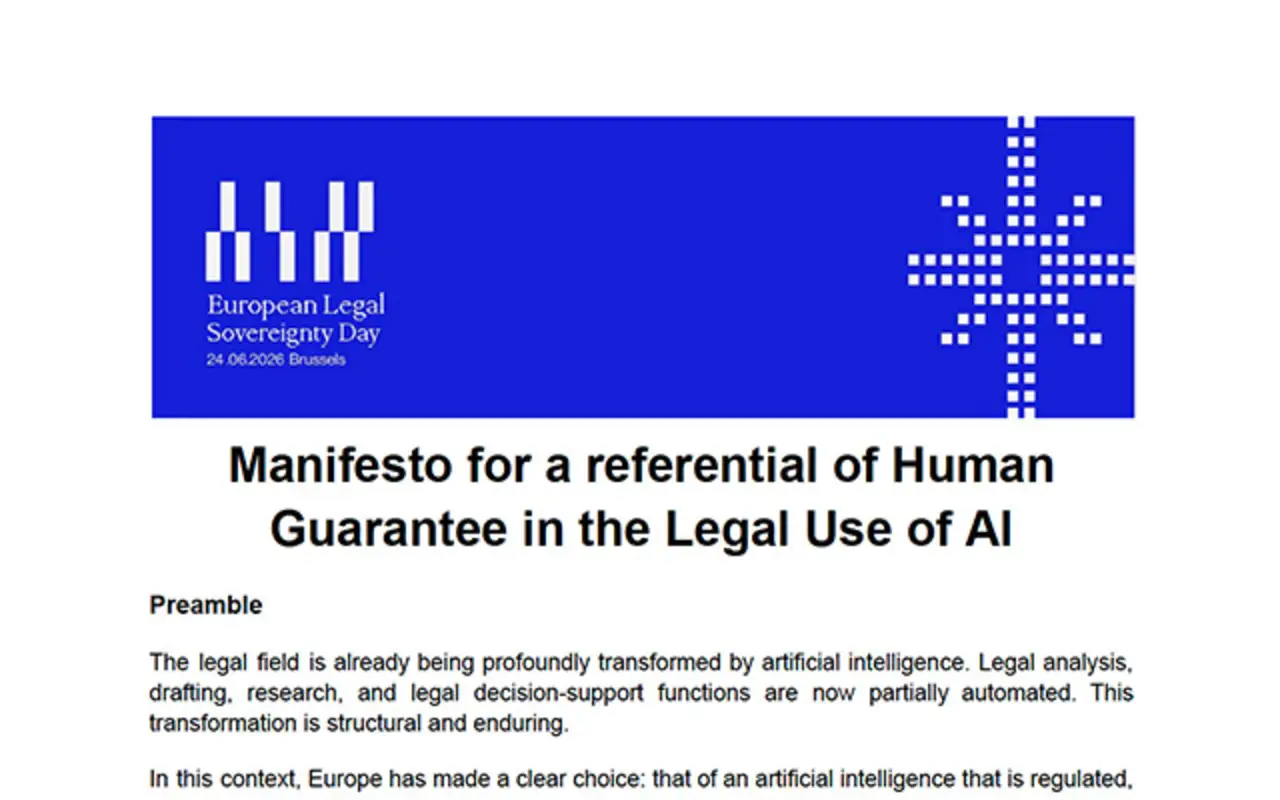
On June 24, as part of European Legal Sovereignty Day, which took place in Brussels, the Manifesto for a Referential of Human Guarantee in the Legal Use of AI was presented.

Court practice
Martial law has changed administrative disputes – findings from IUS PUBLICUM 2026
During martial law, the focus of administrative proceedings shifted: in addition to tax disputes, cases involving access to public information, personal data protection, and challenges to regulatory acts, the docket now includes mobilization issues, challenges to decisions by the TCC and the Special Purpose Commission, disputes regarding deferrals, military service, sanctions, and new administrative restrictions.
Publications

Volodymyr Matsko Extradition during wartime: when the risks outweigh the request

Volodymyr Matsko Extradition as a systemic form of rights violations

Victoria Yakusha, Law and Business The anti-corruption vertical cannot «take care» of the Bar as an institution, - acting head of the HQDCB

Censor.net Protecting advocates – protecting justice: addressing concerns about the new law

Ihor Kolesnykov A BRIEF SUMMARY REGARDING THE APPLICATION OF THE ORDER ON EXTENDED CONFISCATION IN LATVIA REGARDING FINANCIAL ASSETS OF…

Valentyn Gvozdiy WORKING IN A WAR ZONE

Lydia Izovitova Formula of perfection

Sergiy Vylkov Our judicial system is so built that courts do not trust advocates