


A manifesto on AI in law was presented in Europe. The UNBA has joined the initiative
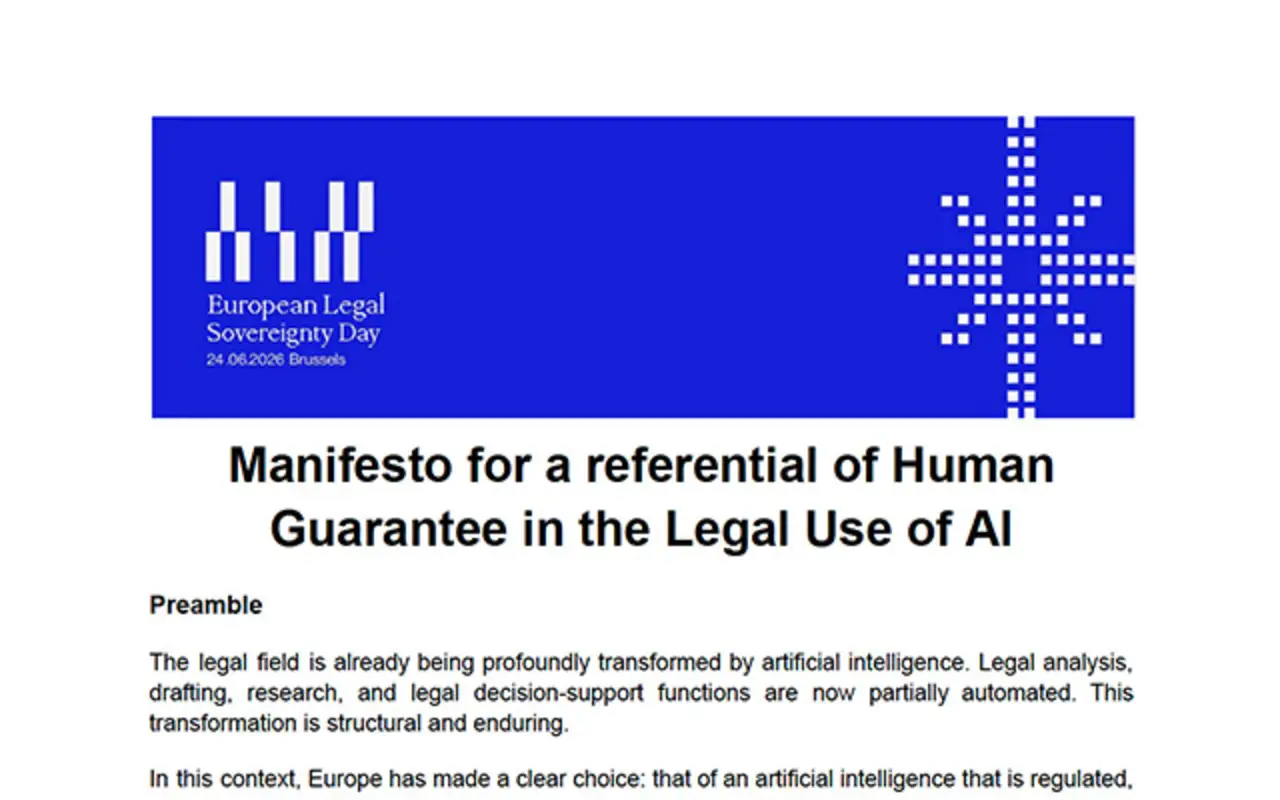
On June 24, as part of European Legal Sovereignty Day, which took place in Brussels, the Manifesto for a Referential of Human Guarantee in the Legal Use of AI was presented.
On behalf of the Ukrainian National Bar Association, the declaration of accession to the Manifesto was signed online by the President of the UNBA, BCU Lidiya Izovitova.
The Manifesto, prepared by the National Bar Council of France (CNB) in collaboration with Legal Data Space and the Delegation of French Bar Associations, is based on two structural requirements that form the common foundation of any legal practice integrating AI:
1) human responsibility. Any significant legal decision must remain within the sphere of responsibility of a legal professional. Artificial intelligence can provide analysis, research, or decision preparation, but it cannot replace either human judgment or human responsibility;
2) effective oversight. Human oversight cannot be purely theoretical. It must actually provide the ability to understand, verify, modify, or reject the result generated by an automated system.
The authors of the Manifesto derive both of these requirements from the provisions of Regulation (EU) 2024/1689 of the European Parliament and of the Council of June 13, 2024, establishing harmonized rules on artificial intelligence (the Artificial Intelligence Regulation, AI Act).
The Manifesto is also consistent with the position of the Council of Bars and Law Societies of Europe (CCBE), as set forth in the Position Paper dated October 8, 2021, regarding the proposed regulation on harmonized rules in the field of artificial intelligence. The CCBE consistently advocates for the preservation of human oversight and the professional responsibility of advocates as indispensable principles for the use of artificial intelligence in legal practice.
Currently, legal analysis, document drafting, legal research, and decision-support functions are already partially automated, and this change is structural and long-term. At the same time, human oversight remains fragile: at times purely formal, at other times excessive. In the absence of a common framework that specifically defines the role of humans in AI-enhanced legal processes, human oversight risks losing its significance as a safeguard.
An advocate’s professional interest lies in defining the limits of permissible AI use while ensuring the preservation of attorney-client privilege and personal data, as well as recognizing personal responsibility for an outcome that cannot be entirely dependent on technology.
The Ukrainian National Bar Association has taken the initiative to participate in the development, testing, and implementation of technical safeguards for human oversight a practical Human-in-the-Loop framework for legal artificial intelligence. This framework is intended to define common, specific, and operational conditions for human oversight in AI systems used in legal and judicial activities.
The Ukrainian advocacy association has been working systematically in this area for several years. Within the UNBA, there is a working group on the legal regulation of artificial intelligence, which analyzes legal issues related to the development and use of AI and prepares proposals for regulatory frameworks that ensure adequate protection of human rights during the development, implementation, and use of artificial intelligence systems.
Popular news
Support
Protecting the legal profession, cybersecurity and support for advocates: common themes for the IBA and the UNBA
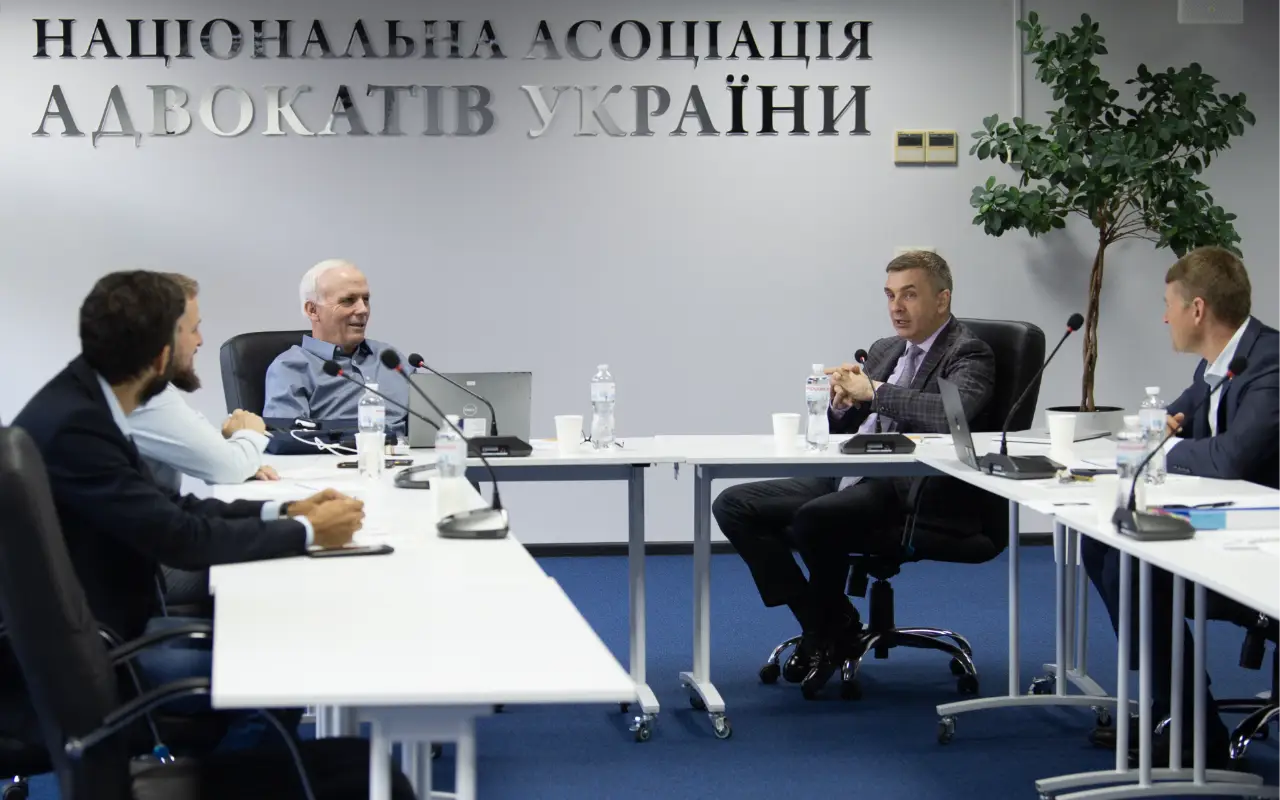
On September 18, a working meeting was held at the office of the Ukrainian National Bar Association with Executive Director of the International Bar Association (IBA) Mark Ellis. The parties discussed the Ukrainian advocacy profession’s participation in European legal processes, the protection of the UNBA’s digital infrastructure, psychological support for advocates and future areas of cooperation.
War
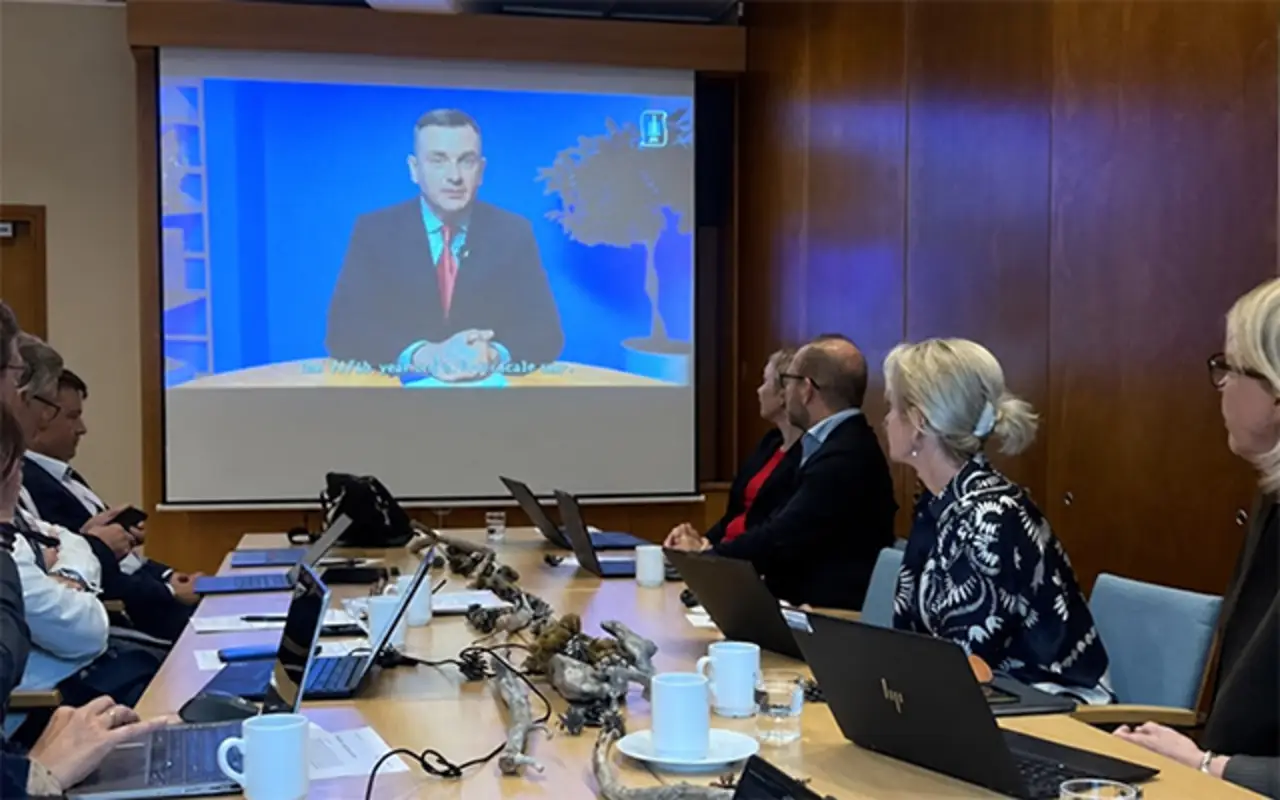
Are Europe's advocacy associations prepared for a potential war? V. Gvozdiy shared lessons from the Ukrainian experience
The continuity of the bar’s self-governance, the protection of professional registries and archives, as well as equal guarantees of employment for advocates, judges, and prosecutors must be enshrined in advance in legislation in the event of war or another emergency.

Educational events
How DISC helps manage «tigers», «monkeys», «elephants» and «turtles»
The same instruction from a manager may motivate one employee to take action, while leaving another without the necessary guidance. People perceive work tasks differently: for some, a deadline and the expected outcome are enough, while others need explanations, time or a detailed plan.

Legislation
The Verkhovna Rada is preparing a bill to implement the Convention on the Protection of the Professions of Lawyer
Members of Parliament plan to introduce a bill in the near future to implement the main provisions of the Council of Europe Convention on the Protection of the Professions of Lawyer. This parliamentary initiative may also prompt the government to expedite the preparation of the ratification package.
Educational events
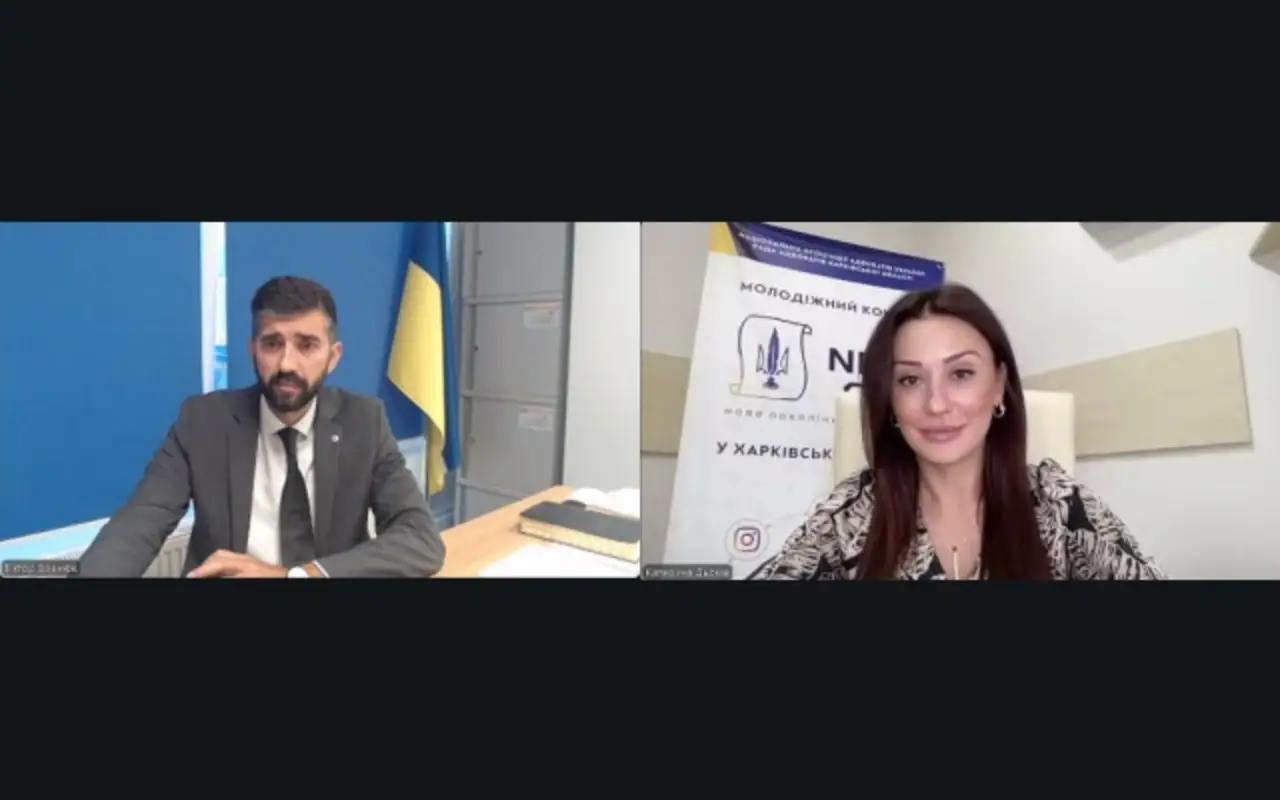
What an advocate should consider when a fee dispute escalates into a complaint to the QDBC
If an advocate files a lawsuit seeking to recover fees from a client, the client may in turn file a complaint with the High Qualification and Disciplinary Commission of the Bar in an effort to compel the advocate to withdraw the lawsuit. How do the advocacy’s disciplinary bodies handle such cases?
Edition
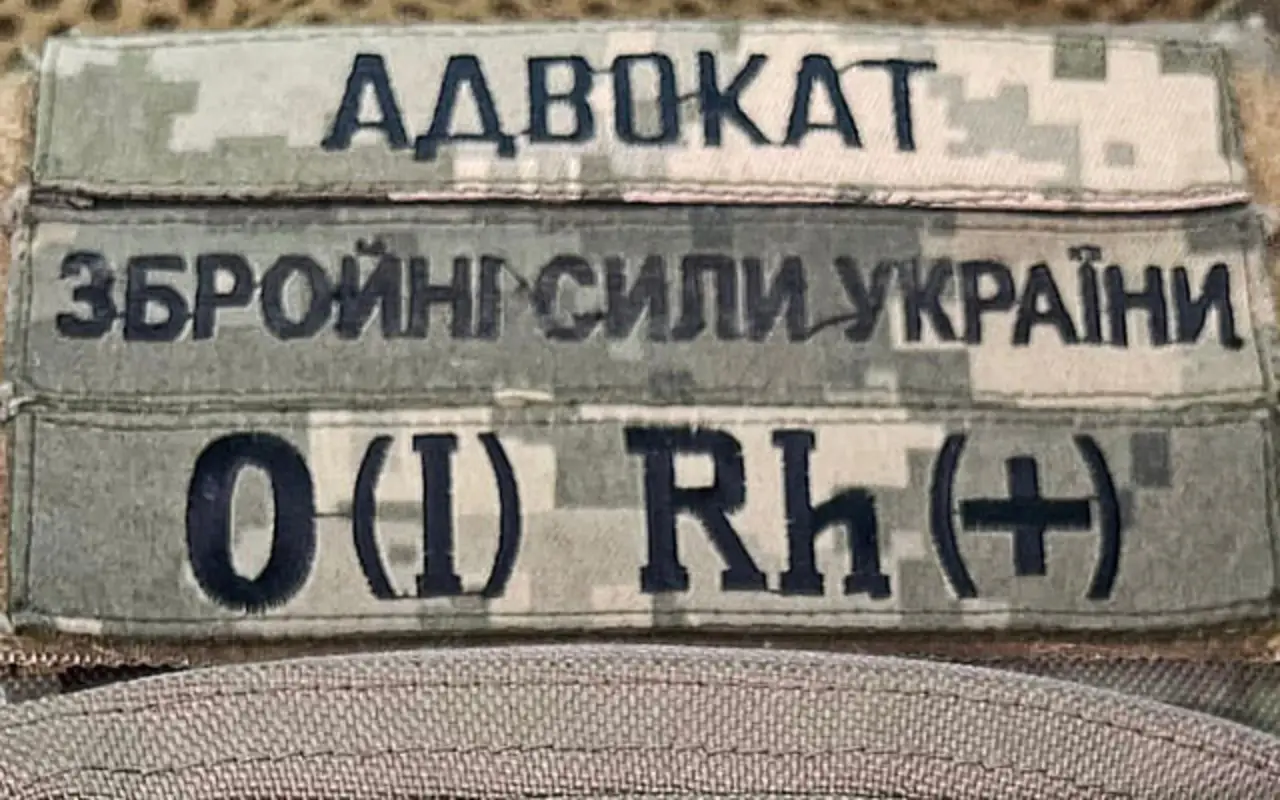
Veteran-advocates returning to the practice of law: the UNBA has prepared recommendations
Military service is incompatible with the practice of law; therefore, an advocate suspends their practice for the duration of their service. However, upon returning, they must reinstate their right to practice law, refresh their knowledge and reestablish their organizational and digital processes.
Educational events
Energy, focus and priorities: how an advocate should plan their day
A rigid workday schedule becomes irrelevant when your routine depends on air raid alerts and disrupted sleep caused by nighttime explosions. Under such conditions, advocates should assess the resources they can actually manage.
Discussion
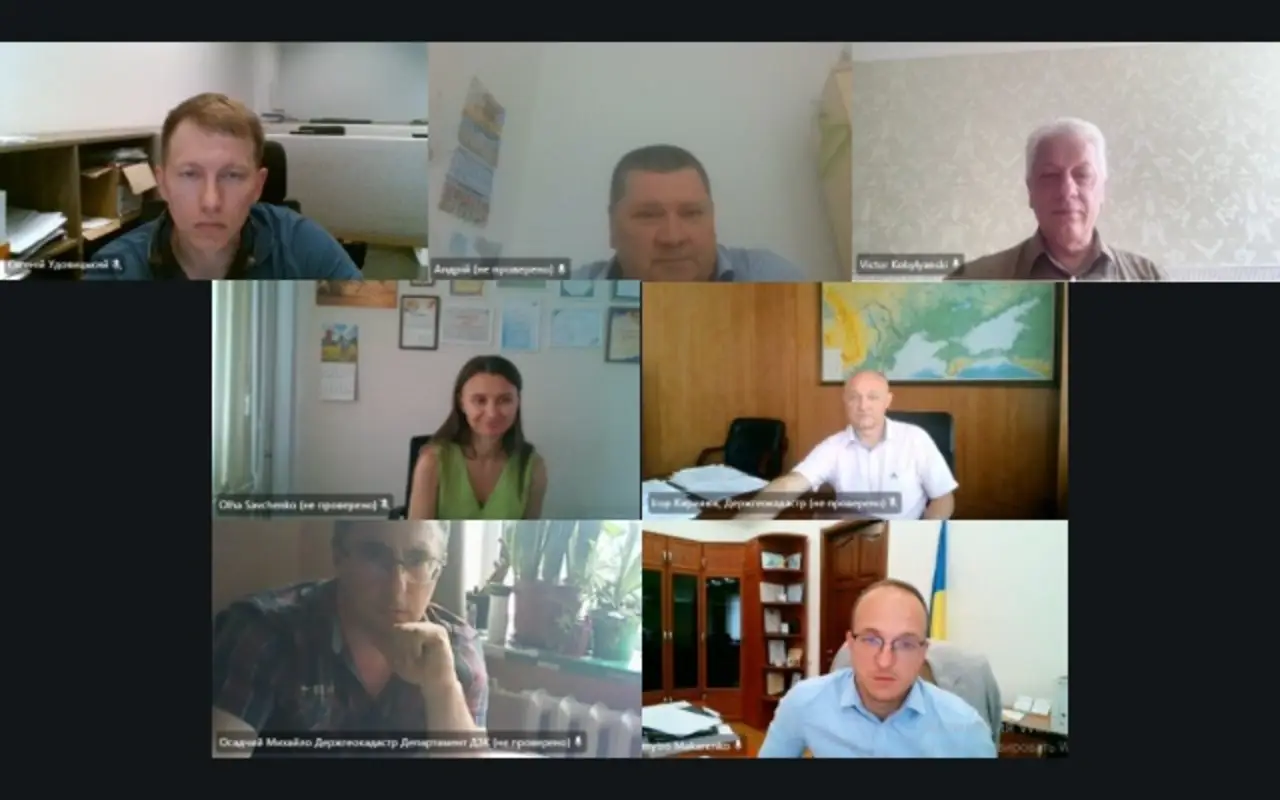
Appeals by NGOs and advocates' access to the SLC were discussed with the State Geocadastre
Advocates’ access to data from the State Land Cadastre remains limited: there is no separate access, and a court order is required to obtain coordinates. At the same time, the functionality for generating extracts from the State Land Cadastre as of a specific date still needs further refinement. The State Geocadastre is working on this.
Publications

Vasyl Kolishnyi, «Law and Business» Supporting mental health should become part of the professional culture of the Bar, - H. Udovenko

Volodymyr Matsko Extradition during wartime: when the risks outweigh the request

Volodymyr Matsko Extradition as a systemic form of rights violations

Victoria Yakusha, Law and Business The anti-corruption vertical cannot «take care» of the Bar as an institution, - acting head of the HQDCB

Censor.net Protecting advocates – protecting justice: addressing concerns about the new law

Ihor Kolesnykov A BRIEF SUMMARY REGARDING THE APPLICATION OF THE ORDER ON EXTENDED CONFISCATION IN LATVIA REGARDING FINANCIAL ASSETS OF…

Valentyn Gvozdiy WORKING IN A WAR ZONE

Lydia Izovitova Formula of perfection