


BCU has changed the formula for raising professional standards in the first year of an advocate's practice
According to the basic rule, every advocate, in fulfilling their duty to improve their professional level, must accumulate 15 credit hours per year. For those who have just received their certificate and taken the oath, a «softer» procedure has been established.
The relevant changes have been made to paragraph 17 of the Procedure for improving the professional level of advocates in Ukraine, approved by Decision No. 63 of the BCU on July 3, 2021. The meeting of the Bar Council of Ukraine will be held on December 12-13 in the village of Plavya, Lviv region.
We remind you that, according to the Procedure, all advocates are required to improve their professional level by 15 credit (academic) hours per year, of which the advocate must receive at least 2 credit hours per year for training in the Rules of professional conduct.
For advocates who have just received their certificate and taken the oath, a proportional approach has been established: during the first calendar year, they must accumulate 2 hours of ethics training and one hour for each month from the date of receiving the certificate until the end of the year. An exception has also been established: if the certificate was obtained in December, the requirement to improve professional skills does not apply in the current year.
Thus, the annual norm in the first year of practice is now not fixed. It is determined in proportion to the number of months of active practice in the reporting year, plus 2 mandatory hours of ethics training.
For example, if an advocate received a certificate on August 10, the formula is applied as follows:
Months of work this year: August, September, October, November, December - 5 months.
Therefore: 5 credit hours + 2 hours of PAE = 7 hours for the first year of practice.
If an advocate received a certificate in December, in this case, the fulfillment of the annual norm begins from the next calendar year on a general basis.
«This addition has a purely pragmatic purpose - to introduce a flexible and fair mechanism for advocates who are just starting their professional activity, - commented the Vice President of the UNBA, BCU Valentin Gvozdiy, on the changes. - The first year after receiving a certificate is a period of adaptation: an advocate enters into practice, establishes professional processes, and forms a work schedule».
According to him, a proportional approach allows for the actual time spent on activities in a calendar year to be taken into account. «But at the same time, we are preserving an important component — mandatory hours of ethics training. This is a fundamental part of the profession, and it must be learned from the very beginning», - added V. Gvozdiy.
Popular news

Legislation
The Verkhovna Rada is preparing a bill to implement the Convention on the Protection of the Professions of Lawyer
Members of Parliament plan to introduce a bill in the near future to implement the main provisions of the Council of Europe Convention on the Protection of the Professions of Lawyer. This parliamentary initiative may also prompt the government to expedite the preparation of the ratification package.
Legislation
The path to ratification of the Convention must not end in yet another delay — L. Izovitova
Ukraine’s preparations for the ratification of the Council of Europe Convention on the Protection of the Professions of Lawyer have already passed key stages. Now, government institutions must submit the matter to the Verkhovna Rada for consideration. In doing so, Ukraine may complete the ratification process faster than EU member states.
Guarantees of the practice of law
Ukraine could be the first to implement a European mechanism for the protection of advocates. What’s holding it back?
Ukraine has a chance to be the first country to ratify the Council of Europe Convention on the Protection of the Professions of Lawyer. Political support for this exists, but the government’s legislative package has not yet been submitted to parliament. Meanwhile, the number of violations of advocates’ rights is on the rise.

Educational events
How can an advocate verify that work has been completed if the client refuses to sign the report?
When billing by the hour, the primary document for determining the fee may be a detailed report on the time spent by the advocate and the work performed. To prevent the client from withholding payment, the contract should specify in advance the procedure for submitting and approving such a report.
Self-government
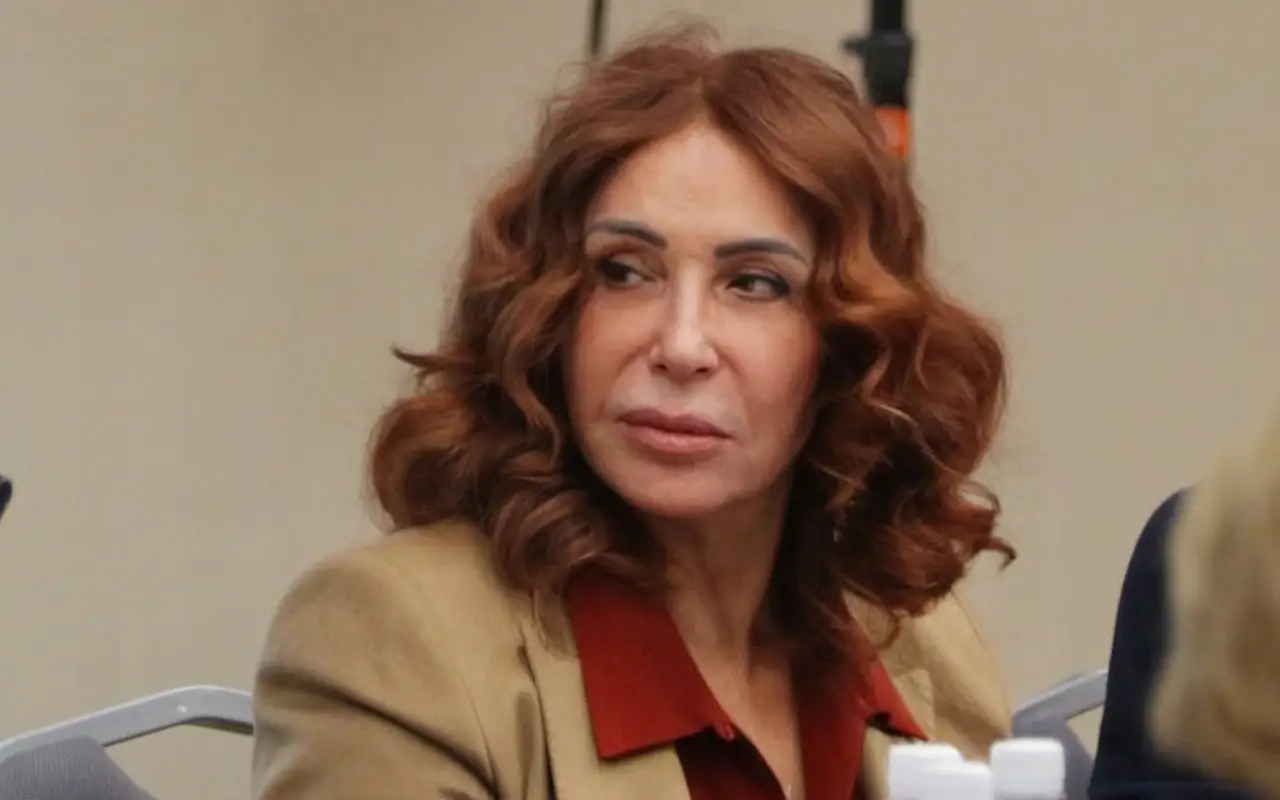
The BCU took note of the public appeal from the HCJ
The Bar Council of Ukraine has determined that, given the current security situation, it is objectively impossible to hold, in accordance with the procedure established by the Law «On the advocacy and the practice of law», meetings of advocates, regional conferences of advocates and the Congress of Ukrainian Advocates, including for the purpose of electing two members of the High Council of Justice under the quota allocated to the Congress of Ukrainian Advocates.
War
The BCU has launched a digital project «Wall of Remembrance and Honor»
The Bar Council of Ukraine has adopted a resolution to launch the digital project «Wall of Remembrance and Honor». To this end, the UNBA is beginning to collect information on advocates and paralegals who lost their lives as a result of the Russian Federation’s armed aggression against Ukraine.
Legal defence of military personnel
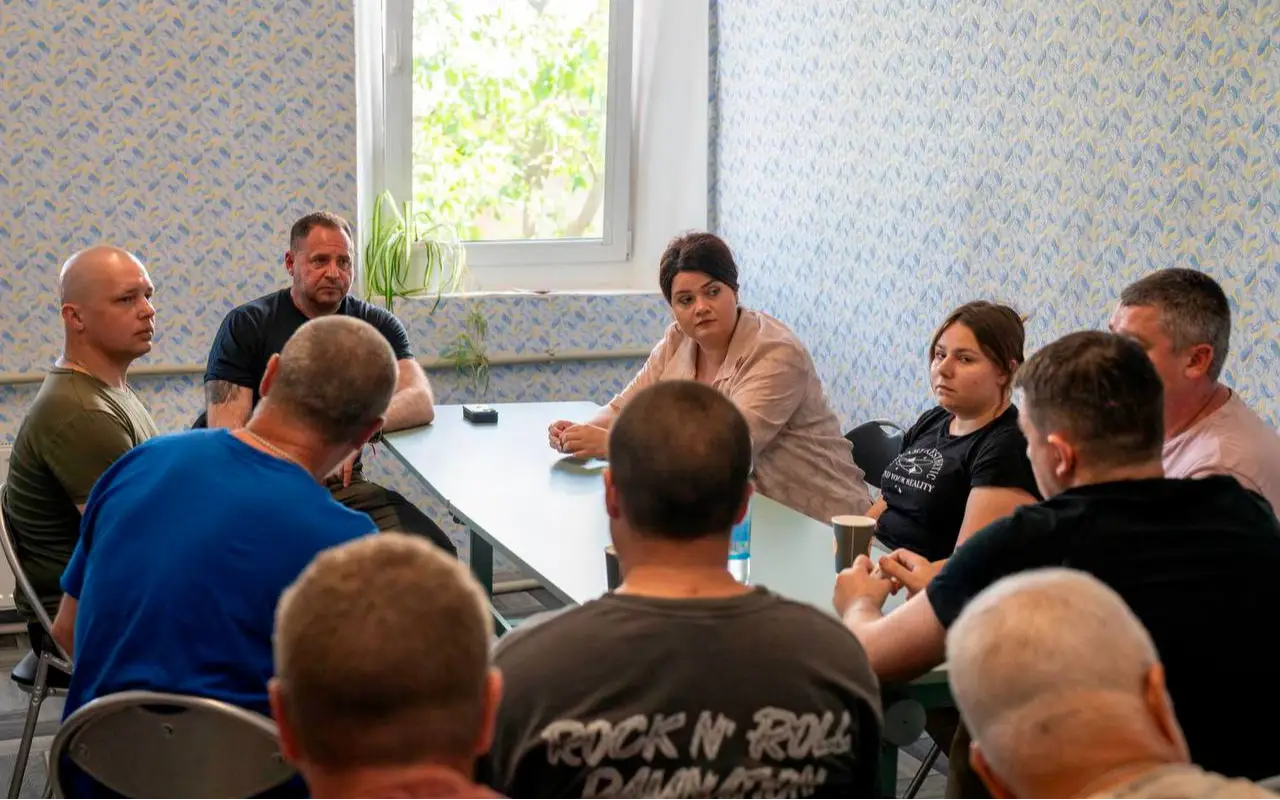
«Advocate+» has expanded its operations to 18 military units
The «Advocate+» project of the Ukrainian National Bar Association, which assigns advocates to military units, has expanded its operations to 18 units. Specialists have already been assigned to the new participants and are set to begin consultations next week.
Edition
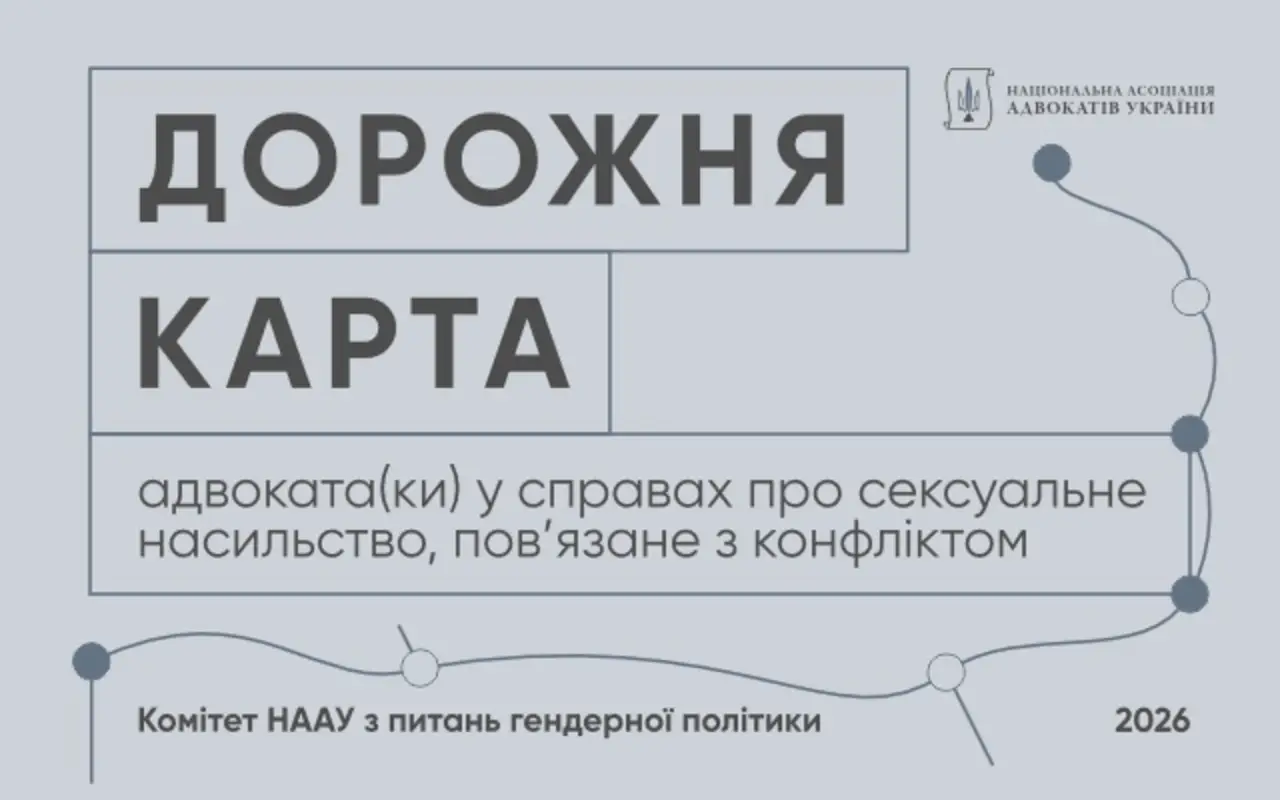
A roadmap for the CRSV cases has been prepared for the advocates
The UNBA Committee on gender policy has prepared a Roadmap for cases of Conflict-Related Sexual Violence.
Publications

Vasyl Kolishnyi, «Law and Business» Supporting mental health should become part of the professional culture of the Bar, - H. Udovenko

Volodymyr Matsko Extradition during wartime: when the risks outweigh the request

Volodymyr Matsko Extradition as a systemic form of rights violations

Victoria Yakusha, Law and Business The anti-corruption vertical cannot «take care» of the Bar as an institution, - acting head of the HQDCB

Censor.net Protecting advocates – protecting justice: addressing concerns about the new law

Ihor Kolesnykov A BRIEF SUMMARY REGARDING THE APPLICATION OF THE ORDER ON EXTENDED CONFISCATION IN LATVIA REGARDING FINANCIAL ASSETS OF…

Valentyn Gvozdiy WORKING IN A WAR ZONE

Lydia Izovitova Formula of perfection