


The risks of engaging a defense attorney for a specific procedural action were examined by the UNBA
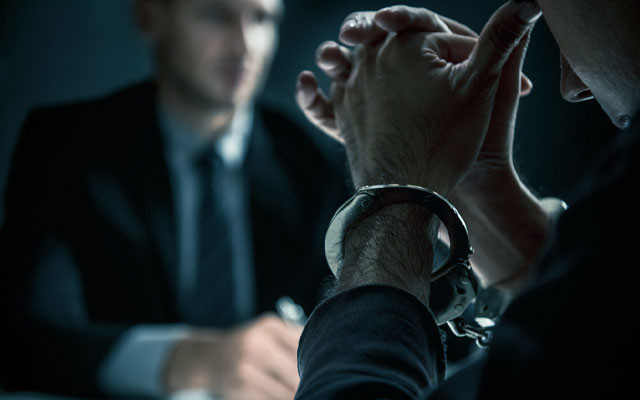
The mechanism for involving a defense attorney in certain procedural actions has become a tool for abuse by unscrupulous investigators, prosecutors, and judges, violating the right to defense and equality of the parties in criminal proceedings.
These conclusions were reached by the UNBA Committee on Free Legal Aid, which monitored problems with the application of Part 1 of Article 53 of the Criminal Procedure Code during 2025.
It should be noted that, according to this provision, an investigator, prosecutor, investigating judge, or court may involve a defense attorney to conduct a separate procedural action only in urgent cases when there is a need to conduct an urgent procedural action with the participation of a defense attorney, and the defense attorney who was notified in advance cannot arrive to participate in the procedural action or ensure the participation of another defense attorney, or if the suspect or accused has expressed a desire but has not yet had time to engage a defense attorney, or the arrival of the chosen defense attorney is impossible.
The law, which allows an advocate to be involved in urgent actions, does not define what actions can be considered urgent. The law also does not address the question of whether the validity of the reasons for the defense counsel's failure to appear affects the application of this procedural mechanism. The lawmakers probably hoped that investigators, prosecutors, and judges would carefully define these concepts, taking into account the interests of both parties and the general interests of justice. However, in reality, this rule has opened up wide opportunities for abuse without any control or way to stop it.
The courts, knowing that the decision to involve a defense attorney is mandatory, use their powers too broadly. Among other things, the practice of appointing a defense attorney to consider the issue of extending the term of detention has become commonplace. It is in this area that a whole arsenal of abuses has been developed:
- the court sets the time for considering the motion without consulting the defense attorney under the contract;
- the court schedules a hearing solely for the consideration of such a motion;
- the court does not comply with the deadlines for proper notification of the defense attorney;
- the court schedules the hearing at a time convenient for it, even though the motion could be considered at another time, with the participation of the defense attorney under contract, etc.
Complaints from advocates that courts are trying to remove «inconvenient» defense advocates in this way are not uncommon. There are also cases where the investigator tries to involve an advocate in reviewing the materials of the criminal proceedings upon their completion or where the court involves an advocate to participate in court debates.
Defense advocates suffer the most from such manipulations: both those who provide defense services under contract and those who are involved by FLA centers.
This issue was discussed at the last meeting of the Bar Council of Ukraine, where it was noted that the Constitution provides for the right of every person to freely choose an advocate. Defense in criminal proceedings is a complex, multi-level, coordinated system of actions, in which each element requires attention and full commitment. Such a strategy and tactics are implemented by the person subject to criminal liability, together with their advocate.
The defense attorney, by agreement, must fundamentally defend their rights and the rights of their client, file a motion to postpone the court hearing, indicating valid reasons for their absence, since both the CPC and the practice of the European Court of Human Rights are on their side.
However, this is hindered by the institution of appointing an advocate for a specific procedural action, when the court replaces the advocate under the contract with an advocate from the FLA for a specific procedural action. There are frequent cases of complaints being filed with the Qualification and Disciplinary Bar Commission, as the client does not want such an advocate to participate. Instead, the court expects maximum cooperation from them in resolving the issues for which they were engaged.
Having examined the above, the BCU concluded that the root of the problem lies in the legislation, which creates a tool for ensuring the interests of the prosecution and the court by disregarding the interests of the defense, at the expense of appointed advocates.
The BCU also considers the court's interference in the effectiveness of the defense to be unacceptable and emphasizes that if an advocate has a well-founded belief that the realization of the client's rights is paramount, he has the right to take the necessary measures (to recuse himself, not to participate in the court hearing if there are defense lawyers present under contract, etc.). The actions of an advocate cannot be regarded as a violation of the rules or interpreted as disrespect for the court, nor can they serve as grounds for bringing an advocate to disciplinary responsibility.
As a solution, the BCU is initiating an amendment to Part 1 of Article 53 of the CPC with a provision stating that «an urgent procedural action is a procedural action that must be performed within a period not exceeding 72 hours. The involvement of an advocate is limited to this period».
The full text of Decision No. 135 of 12 December 2025 «On the problems of appointing an advocate to participate in a specific procedural action» can be viewed at this link.
Popular news

Legislation
The Verkhovna Rada is preparing a bill to implement the Convention on the Protection of the Professions of Lawyer
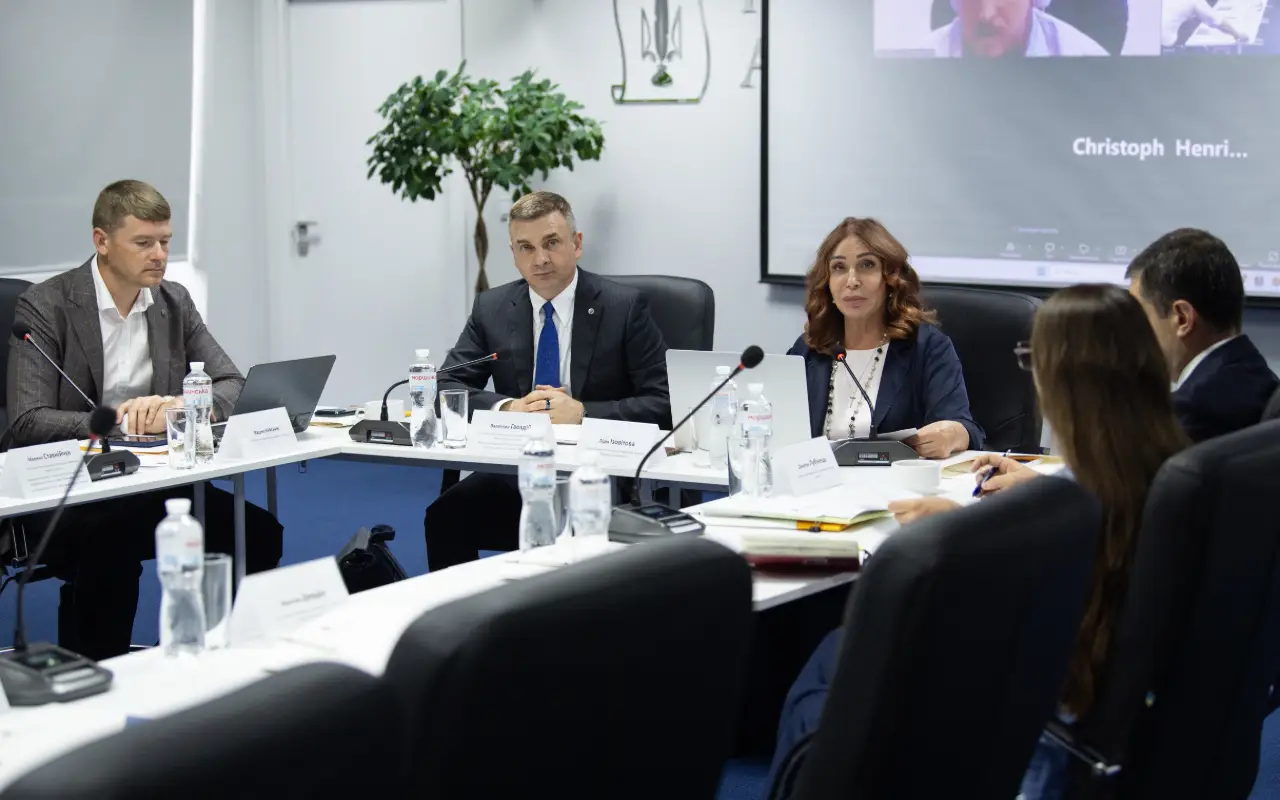
Members of Parliament plan to introduce a bill in the near future to implement the main provisions of the Council of Europe Convention on the Protection of the Professions of Lawyer. This parliamentary initiative may also prompt the government to expedite the preparation of the ratification package.
Legislation
The path to ratification of the Convention must not end in yet another delay — L. Izovitova
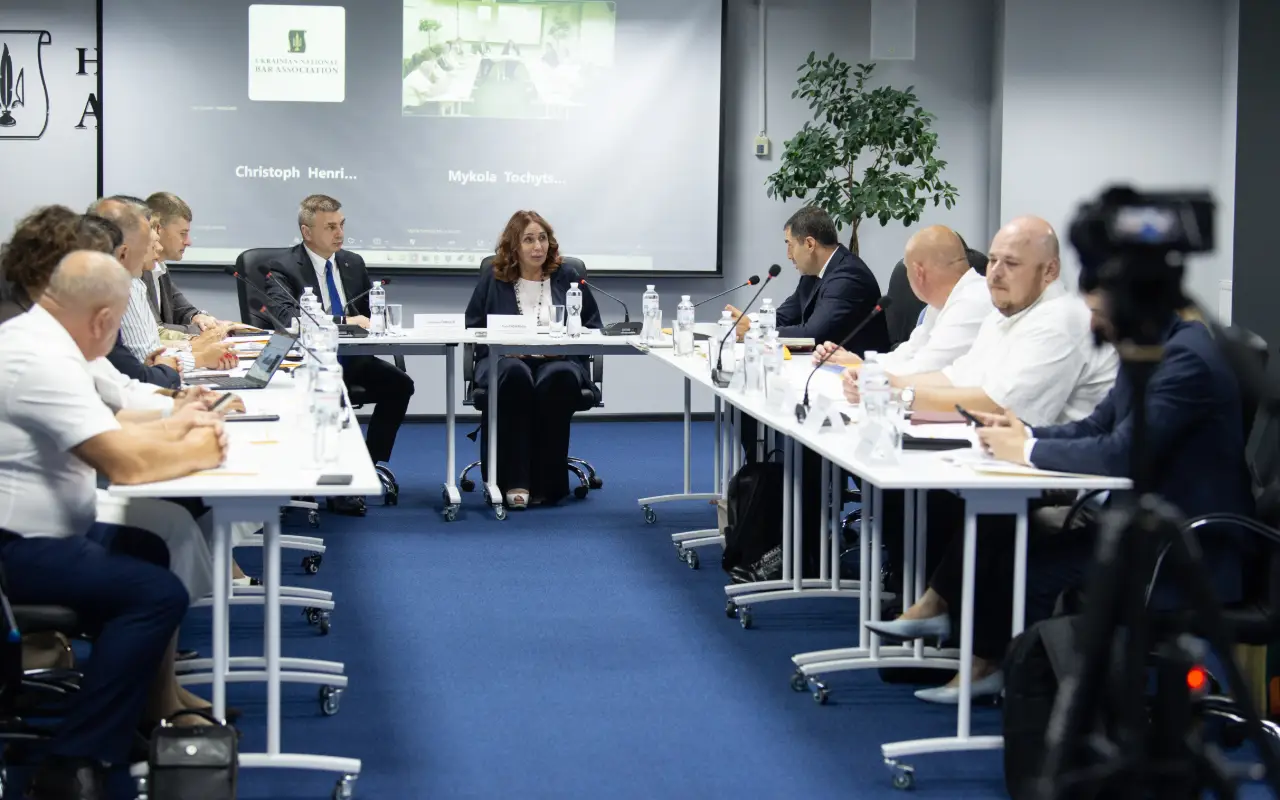
Ukraine’s preparations for the ratification of the Council of Europe Convention on the Protection of the Professions of Lawyer have already passed key stages. Now, government institutions must submit the matter to the Verkhovna Rada for consideration. In doing so, Ukraine may complete the ratification process faster than EU member states.
Guarantees of the practice of law
Ukraine could be the first to implement a European mechanism for the protection of advocates. What’s holding it back?
Ukraine has a chance to be the first country to ratify the Council of Europe Convention on the Protection of the Professions of Lawyer. Political support for this exists, but the government’s legislative package has not yet been submitted to parliament. Meanwhile, the number of violations of advocates’ rights is on the rise.

Educational events
How can an advocate verify that work has been completed if the client refuses to sign the report?
When billing by the hour, the primary document for determining the fee may be a detailed report on the time spent by the advocate and the work performed. To prevent the client from withholding payment, the contract should specify in advance the procedure for submitting and approving such a report.
Self-government
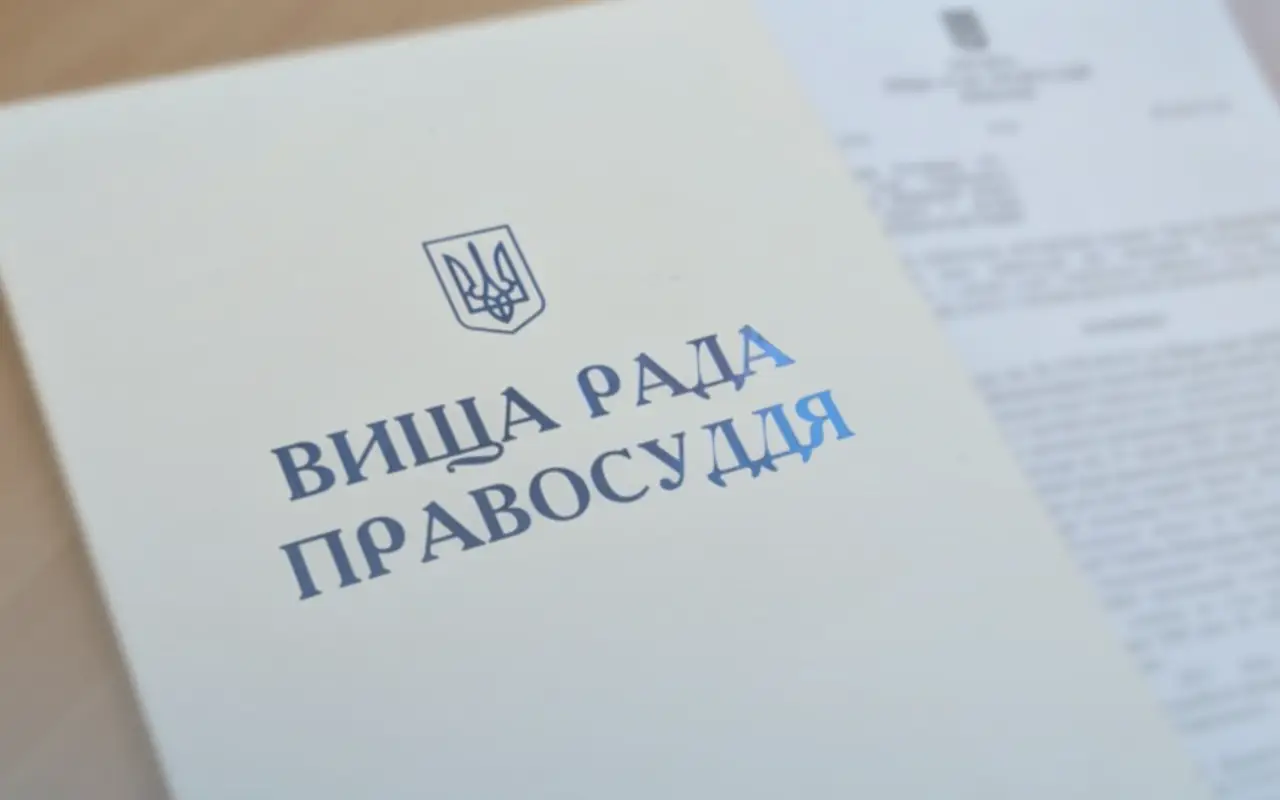
The BCU took note of the public appeal from the HCJ
The Bar Council of Ukraine has determined that, given the current security situation, it is objectively impossible to hold, in accordance with the procedure established by the Law «On the advocacy and the practice of law», meetings of advocates, regional conferences of advocates and the Congress of Ukrainian Advocates, including for the purpose of electing two members of the High Council of Justice under the quota allocated to the Congress of Ukrainian Advocates.
War
The BCU has launched a digital project «Wall of Remembrance and Honor»
The Bar Council of Ukraine has adopted a resolution to launch the digital project «Wall of Remembrance and Honor». To this end, the UNBA is beginning to collect information on advocates and paralegals who lost their lives as a result of the Russian Federation’s armed aggression against Ukraine.
Legal defence of military personnel
«Advocate+» has expanded its operations to 18 military units
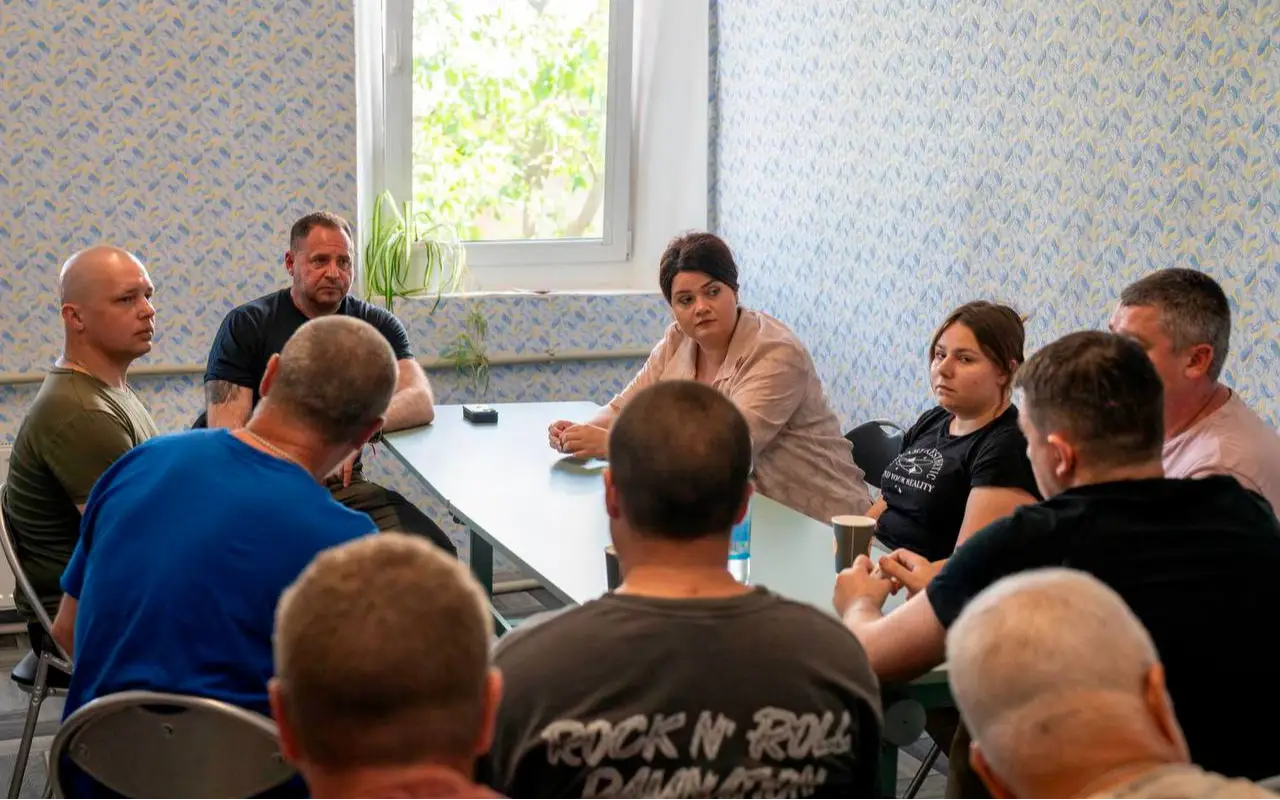
The «Advocate+» project of the Ukrainian National Bar Association, which assigns advocates to military units, has expanded its operations to 18 units. Specialists have already been assigned to the new participants and are set to begin consultations next week.
Edition
A roadmap for the CRSV cases has been prepared for the advocates
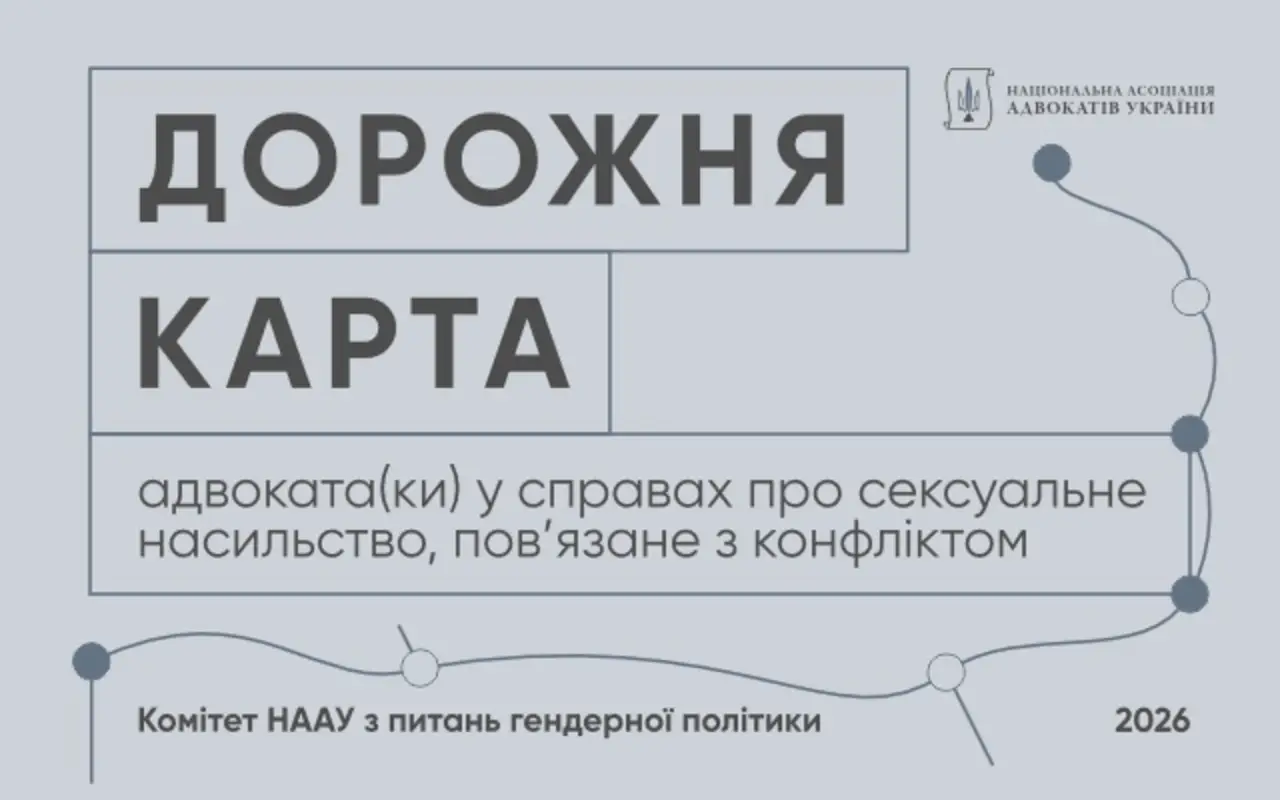
The UNBA Committee on gender policy has prepared a Roadmap for cases of Conflict-Related Sexual Violence.
Publications

Vasyl Kolishnyi, «Law and Business» Supporting mental health should become part of the professional culture of the Bar, - H. Udovenko

Volodymyr Matsko Extradition during wartime: when the risks outweigh the request

Volodymyr Matsko Extradition as a systemic form of rights violations

Victoria Yakusha, Law and Business The anti-corruption vertical cannot «take care» of the Bar as an institution, - acting head of the HQDCB

Censor.net Protecting advocates – protecting justice: addressing concerns about the new law

Ihor Kolesnykov A BRIEF SUMMARY REGARDING THE APPLICATION OF THE ORDER ON EXTENDED CONFISCATION IN LATVIA REGARDING FINANCIAL ASSETS OF…

Valentyn Gvozdiy WORKING IN A WAR ZONE

Lydia Izovitova Formula of perfection