


Researchers from the USA explain how shadow reports became a grant service

Shadow reporting often becomes a tool for the grant economy and competition for influence on policy. Such «expertise» replaces impartial analysis with the delegitimization of bar self-government, masks conflicts of interest, and is used as a channel for external pressure on the institution.
This is discussed in Section 5 of the research report «The Ukrainian National Bar Association in the context of the rule of law and European integration», which was presented on February 5 at the European Parliament. The report was prepared on the initiative and coordination of the American Armada Network in cooperation with Ukrainian and international stakeholders. The authors combined legal analysis with empirical data and an assessment of risks to institutional stability.
It should be noted that several civil society organizations, with the support of the EU Project «Pravo-Justice», prepare shadow reports each year for the section «Justice and fundamental rights» of the European Commission's Report on Ukraine. The documents contain assessments and conclusions, including those concerning the activities of the bar association and the directions of its reform.
The authors of the research report question the objectivity of these organizations' approach to preparing conclusions, which are broadcast in the media space through affiliated or loyal platforms. There, the conclusions take the form of «public resonance» and media materials are used as additional «independent confirmation» in communications with donors and in political discussions.
«An analysis of shadow reporting in the field of legal reform in Ukraine shows that some of these products serve not so much as an independent assessment of the state of reform implementation, but rather as a tool for competing for influence over policy formation and control over the reform agenda, - the document says. - In such cases, the determining factor is not the completeness of the evidence base or the systematic comparison with current EU standards, but the ability of individual networks of civil society organizations to institutionalize their own interests in the format of ‘expert’ conclusions and promote them as the only legitimate position of civil society».
It is noted that a key feature of this problem is the transformation of shadow reporting into an element of the grant economy, where «analytics» functions primarily as a service product to support the continuity of project funding, rather than as the result of neutral research.
As a result, reform is replaced by management engineering focused on a predetermined outcome: instead of improving institutional procedures, it is proposed to dismantle the existing institution and replace it with a structure that serves the interests of the authors of the recommendations.
«In the field of independent legal professions, the consequences of this approach are particularly sensitive, as they directly affect the guarantees of the right to defense, the preservation of attorney-client privilege, and the institutional capacity of the justice system as a whole, - the research report notes. - The problem is not criticism of advocacy or self-governing institutions, but the transformation of shadow reports from an instrument of accountability into a technology for delegitimizing and redesigning institutions. When reforms are replaced by institutional dismantling and expertise by advocacy, shadow reports cease to be a supporting source for the European Union and become a systemic risk factor for the rule of law».
The full research report «The Ukrainian National Bar Association in the context of the rule of law and European integration» can be viewed at this link.
Popular news

Guarantees of the practice of law
Ombudsman calls for a firm response to violence against advocates
Every instance of obstruction of an advocate’s lawful activities, use of physical force, delaying an investigation, or concealment of evidence must be subject to a proper legal assessment. The state is obligated to ensure that the right to a defense is a genuine guarantee.
Greetings
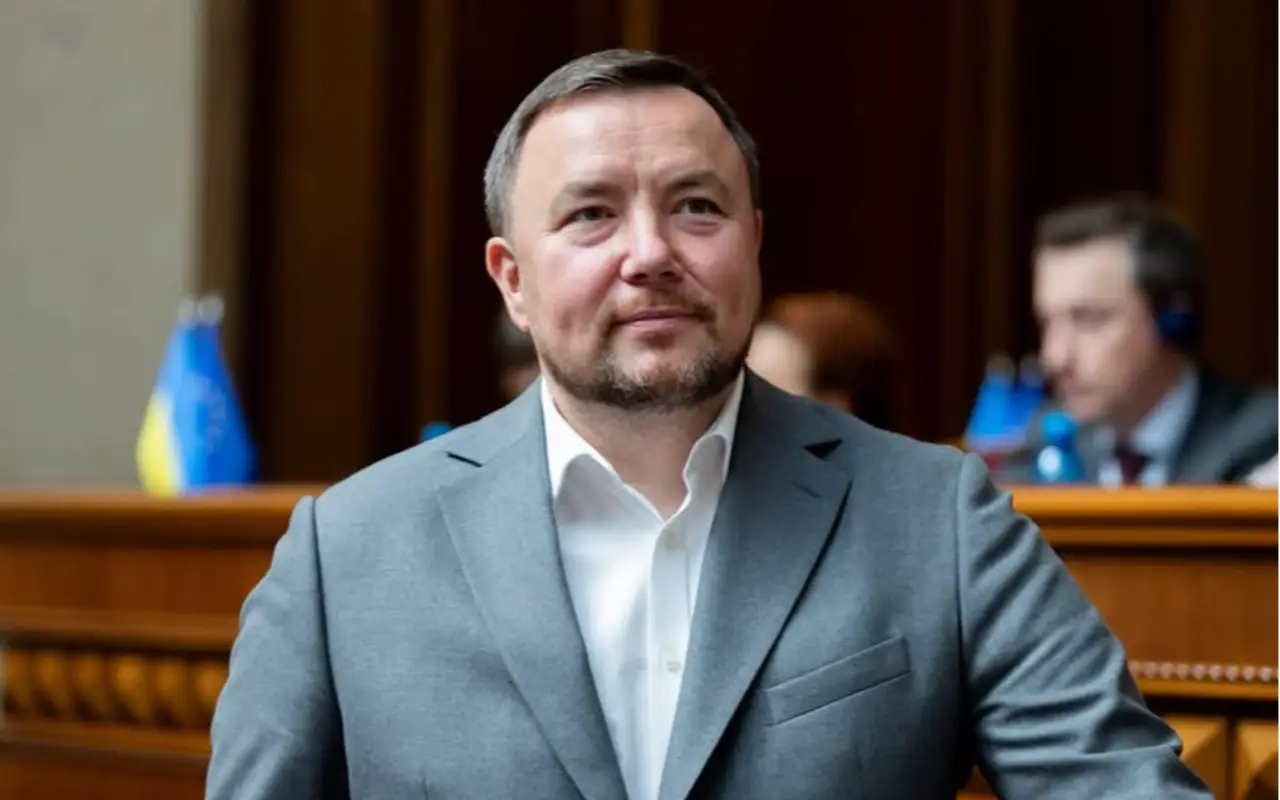
The UNBA congratulates Denis Maslov on his appointment as Minister of Justice
Denis Maslov’s many years of experience as a advocate, his work as a judge and his tenure as chairman of the Verkhovna Rada of Ukraine’s Committee on legal policy have given him a deep understanding of how the legal system functions and the challenges it faces.
Legislation
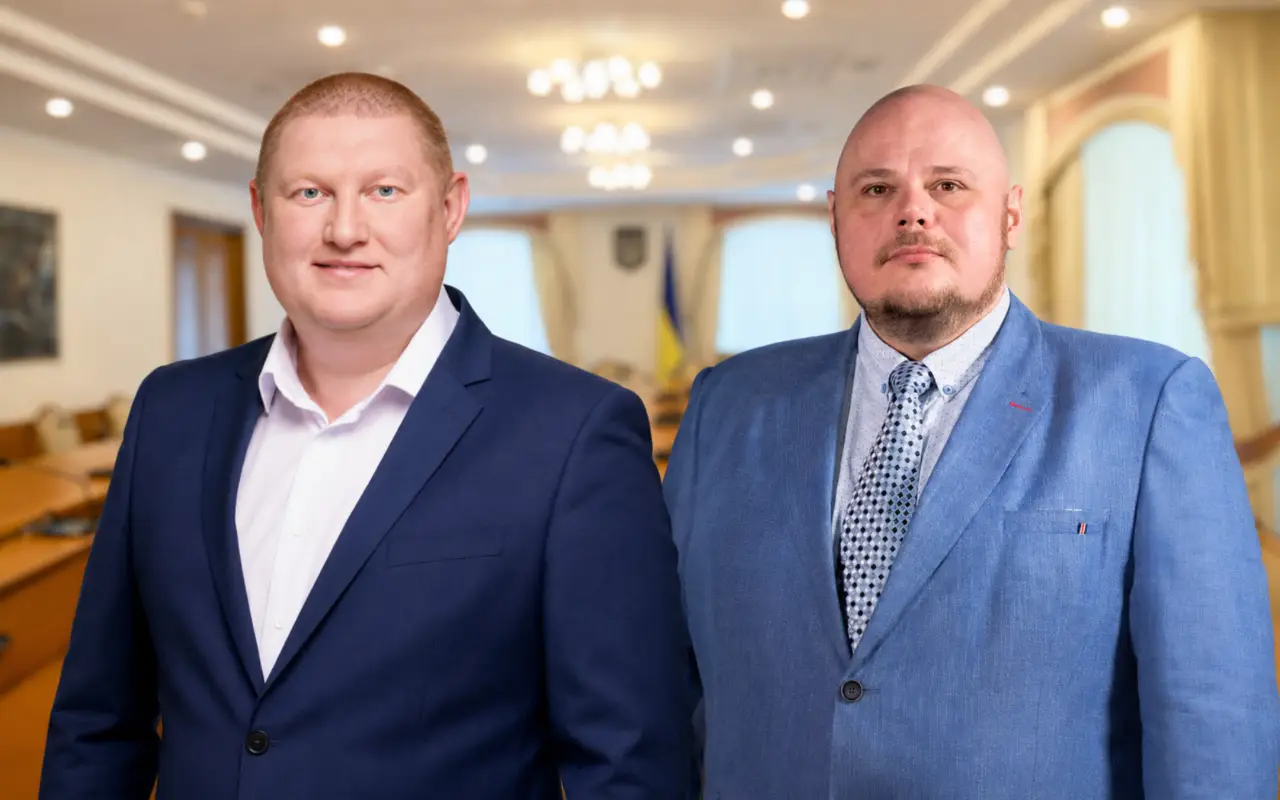
The Verkhovna Rada explained why the section on advocacy should be removed from the anti-corruption strategy
The section on advocacy and legal aid in the draft anti-corruption strategy for 2026–2030 goes beyond the scope of anti-corruption policy and is inconsistent with the constitutional guarantees of the independence of the legal profession.
Guarantees of the practice of law
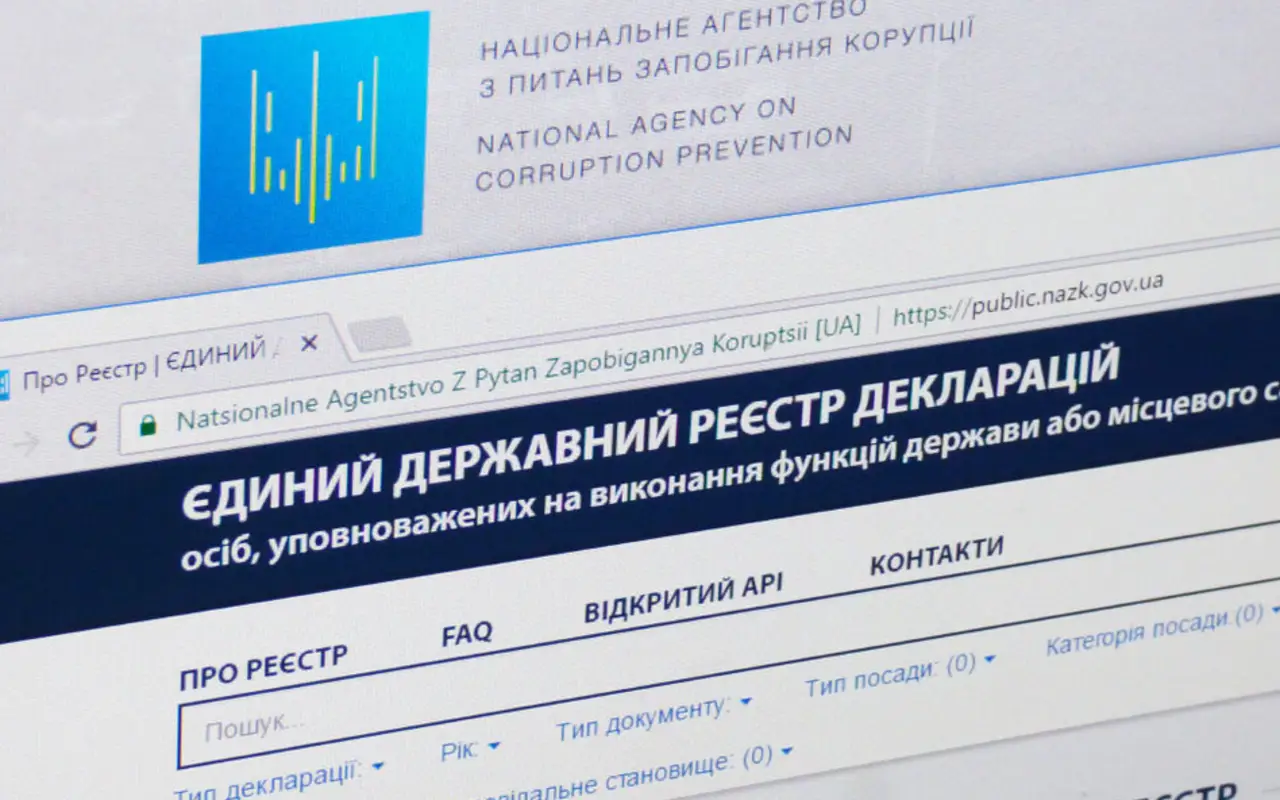
The NACP’s clarification regarding the declaration of membership in the UNBA should be clarified – BCU
An advocate’s membership in the UNBA is an element of professional status arising by virtue of law, rather than a voluntary private membership in an association. Therefore, failure to disclose it in a declaration should not automatically lead to the conclusion of unethical conduct or the concealment of a private interest.

Discussion
The history of Ukrainian constitutionalism was discussed during a lecture
To mark Ukraine’s Constitution Day, the Center for research on the legal profession and law of the UNBA in collaboration with the «Bykivnia Graves» National Historical and Memorial Reserve organized an online lecture on the history of the Ukrainian constitutional process.
Legislation
The UNBA is counting on the swift ratification of the Convention on the Protection of the Professions of Lawyer
The ratification of the Council of Europe Convention on the Protection of the Professions of Lawyer must be accompanied by targeted amendments to legislation to strengthen safeguards for advocates, but should not be used as a pretext for dismantling the self-governing model of advocacy.
Interaction
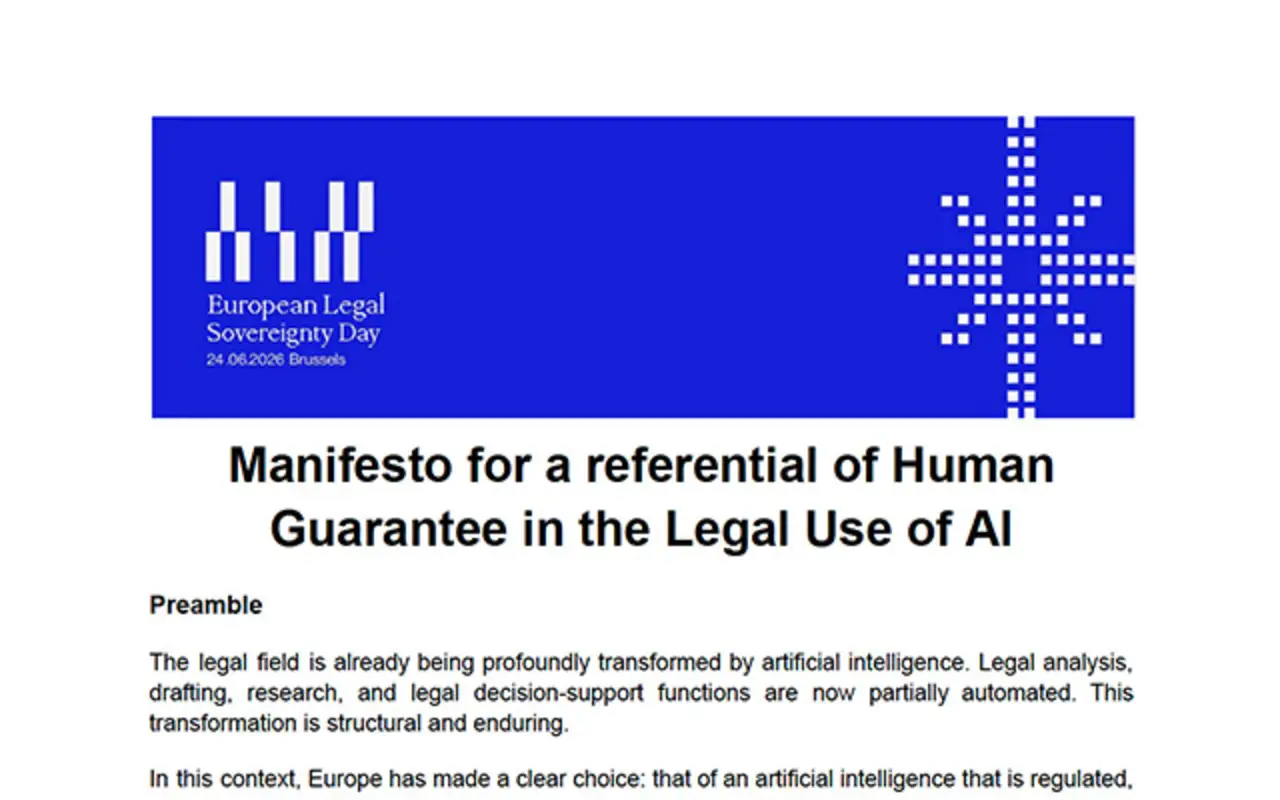
A manifesto on AI in law was presented in Europe. The UNBA has joined the initiative
On June 24, as part of European Legal Sovereignty Day, which took place in Brussels, the Manifesto for a Referential of Human Guarantee in the Legal Use of AI was presented.

Court practice
Martial law has changed administrative disputes – findings from IUS PUBLICUM 2026
During martial law, the focus of administrative proceedings shifted: in addition to tax disputes, cases involving access to public information, personal data protection, and challenges to regulatory acts, the docket now includes mobilization issues, challenges to decisions by the TCC and the Special Purpose Commission, disputes regarding deferrals, military service, sanctions, and new administrative restrictions.
Publications

Volodymyr Matsko Extradition during wartime: when the risks outweigh the request

Volodymyr Matsko Extradition as a systemic form of rights violations

Victoria Yakusha, Law and Business The anti-corruption vertical cannot «take care» of the Bar as an institution, - acting head of the HQDCB

Censor.net Protecting advocates – protecting justice: addressing concerns about the new law

Ihor Kolesnykov A BRIEF SUMMARY REGARDING THE APPLICATION OF THE ORDER ON EXTENDED CONFISCATION IN LATVIA REGARDING FINANCIAL ASSETS OF…

Valentyn Gvozdiy WORKING IN A WAR ZONE

Lydia Izovitova Formula of perfection

Sergiy Vylkov Our judicial system is so built that courts do not trust advocates