


Criticism of a judge as a disciplinary risk for an advocate
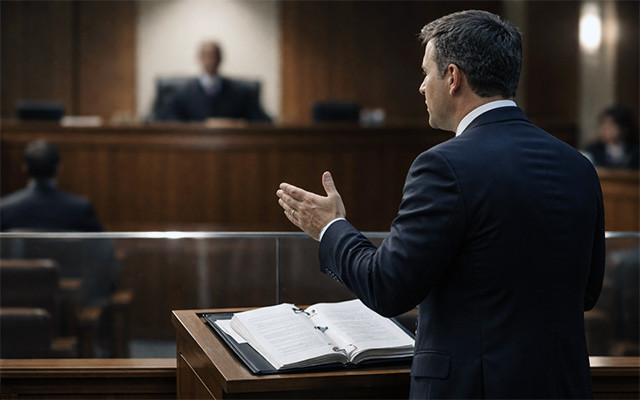
Where is the line between a tough procedural stance and behavior that undermines the authority of justice? In Florida (USA), disciplinary offenses included statements by an advocate about the judge's bias, disregard for the content of the ruling, and contradictory motions.
Advocate Noam J. Cohen represented the interests of a creditor in the Florida 10th Judicial Circuit Court in a case involving the collection of funds from a debtor. The latter filed an objection with the court against the seizure of his bank account. However, the advocate also initiated the seizure of wages.
During the hearing, the defendant, who represented himself, was unfamiliar with the legal procedure and did not understand what circumstances he needed to prove. When the advocate began asking questions, he quickly became irritated with the answers and insisted that the debtor was lying, referring to their previous conversation. However, Judge Mary Green noted that the plaintiff's representative had not provided adequate evidence to support his claims and ruled in favor of the debtor. The advocate then accused the judge of bias during the hearing, which was being recorded. The judge adjourned the hearing and referred the advocate's conduct to the professional ethics body on the same day.
The next day, the judge issued a ruling exempting not only the funds in the bank account but also the debtor's salary from enforcement, mistakenly stating that this decision had been agreed upon by the parties during the hearing.
N. Cohen requested a review of this decision and filed a motion to recuse the judge, in which, in addition to bias, he also accused the judge of ignorance of legal standards and case law. After that, M. Green recused herself.
The advocate then filed a motion with the new judge, Ann Gibson, to make a final decision on the garnishment of the debtor's wages, which directly contradicted the previous ruling (which was later classified as a separate violation).
The Florida Bar's Grievance Committee found grounds for disciplinary action against the advocate. The advocate violated the Florida Rules of Professional Conduct, specifically Rule 4-1.3 (Integrity), Rule 4-8.2 (a) (Undermining the Qualifications and Integrity of Judges or Other Officials) and Rule 4-8.4(d) (A lawyer shall not engage in conduct in connection with the practice of law that prejudices the administration of justice).
N. Cohen chose the agreed procedure for concluding the disciplinary case. He admitted that he had not read the ruling in full, had not noticed the erroneous paragraph about the parties' agreement, had not brought it to the court's attention, and had not initiated its correction.
Other circumstances were taken into account during the proceedings. The advocate's positive reputation in his religious community was considered a mitigating factor. Aggravating circumstances included the fact that during the proceedings, the advocate did not acknowledge the wrongfulness of his conduct, but instead insisted on the judge's bias and her incorrect application of the law. The court separately emphasized the vulnerability of the person who acted without an advocate and actually became the injured party in the situation, as well as the fact that the advocate had 25 years of experience and considerable expertise in this category of cases, and therefore realized that he could achieve his client's goals by ethical means without resorting to pressure. The judge also described his style of work as harsh and aggressive towards debtors and expressed concern that such behavior discourages people from participating in court hearings.
The advocate's admission of guilt provided grounds for a pre-agreed penalty of a 90-day suspension of his right to practice law, which was approved by the Florida Supreme Court. The agreed decision also provided for N. Cohen to voluntarily pay the costs associated with the disciplinary proceedings, which amounted to $1,250. The advocate began serving his penalty on January 22, 2026.
Interestingly, in the civil case, Judge Gibson ultimately ruled that Cohen's client could indeed garnish the debtor's wages, but this had no effect on the disciplinary penalty, according to the official website of the HQDCB.
Popular news
Interaction
The UNBA is developing a concept for a Center for expert research
The Ukrainian National Bar Association has begun work on a concept for a Center for expert research, which is intended to provide advocates and their clients with access to specialized knowledge and the ability to have expert opinions professionally reviewed.
Guarantees of the practice of law
Ombudsman calls for a firm response to violence against advocates
Every instance of obstruction of an advocate’s lawful activities, use of physical force, delaying an investigation, or concealment of evidence must be subject to a proper legal assessment. The state is obligated to ensure that the right to a defense is a genuine guarantee.

Greetings
The UNBA congratulates Denis Maslov on his appointment as Minister of Justice
Denis Maslov’s many years of experience as a advocate, his work as a judge and his tenure as chairman of the Verkhovna Rada of Ukraine’s Committee on legal policy have given him a deep understanding of how the legal system functions and the challenges it faces.

Legislation
The Verkhovna Rada explained why the section on advocacy should be removed from the anti-corruption strategy
The section on advocacy and legal aid in the draft anti-corruption strategy for 2026–2030 goes beyond the scope of anti-corruption policy and is inconsistent with the constitutional guarantees of the independence of the legal profession.
Announcements
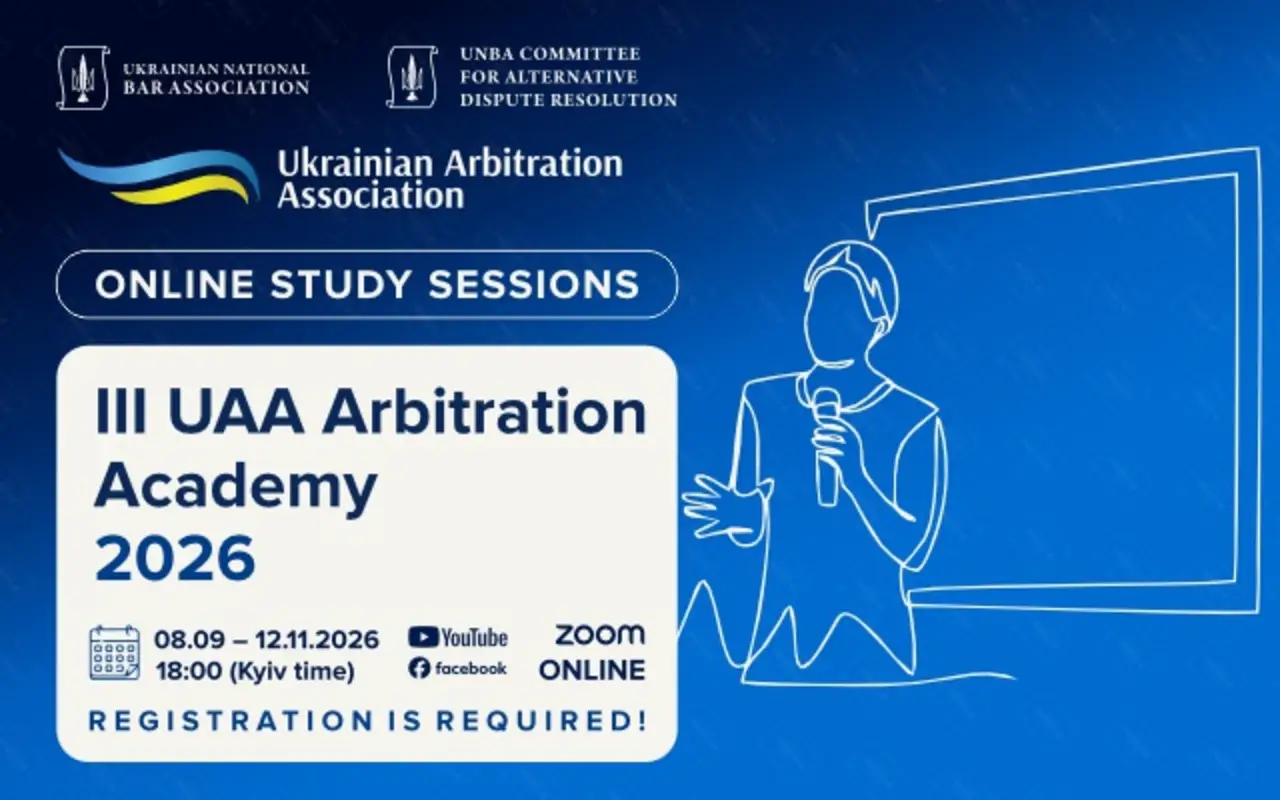
Advocates are invited to the III UAA Arbitration Academy 2026
The UNBA, at the initiative of the Committee on alternative dispute resolution, invites advocates, lawyers, students, judges, government officials and anyone interested in international arbitration to participate in the III UAA Arbitration Academy 2026.

Educational events
How can an advocate recharge if fatigue persists after the weekend?
Fatigue resulting from prolonged stress does not always go away after sleep, a weekend, or a vacation. In situations of chronic stress, it is important for advocates not only to «take a break» but also to understand exactly which resource has been depleted and what type of rest is needed.
Discussion
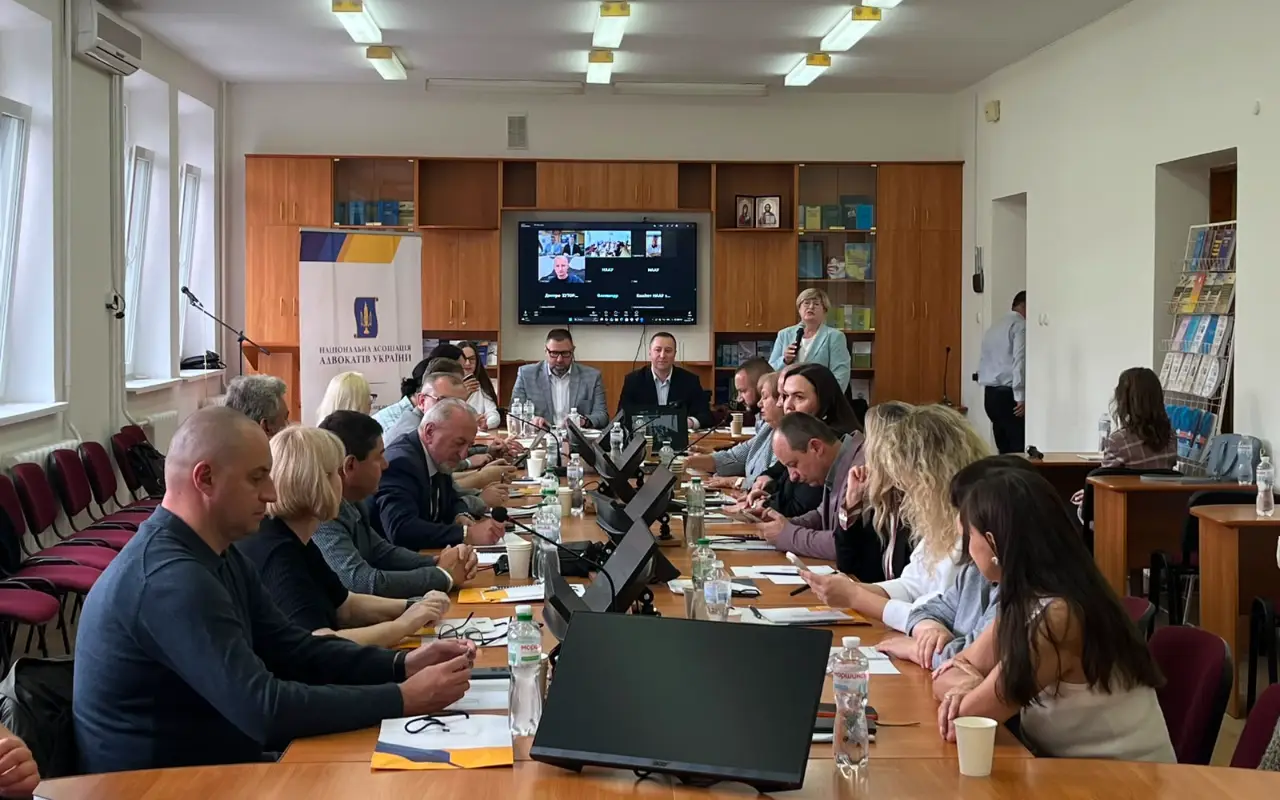
Complaints, time limits and prosecutorial powers: what gaps in the CPC do advocates see?
During the pretrial investigation stage, the effectiveness of the defense depends to a large extent on the proper implementation of procedural safeguards: the timely consideration of complaints, the advocate’s access to information regarding the progress of the proceedings and so on.
Guarantees of the practice of law
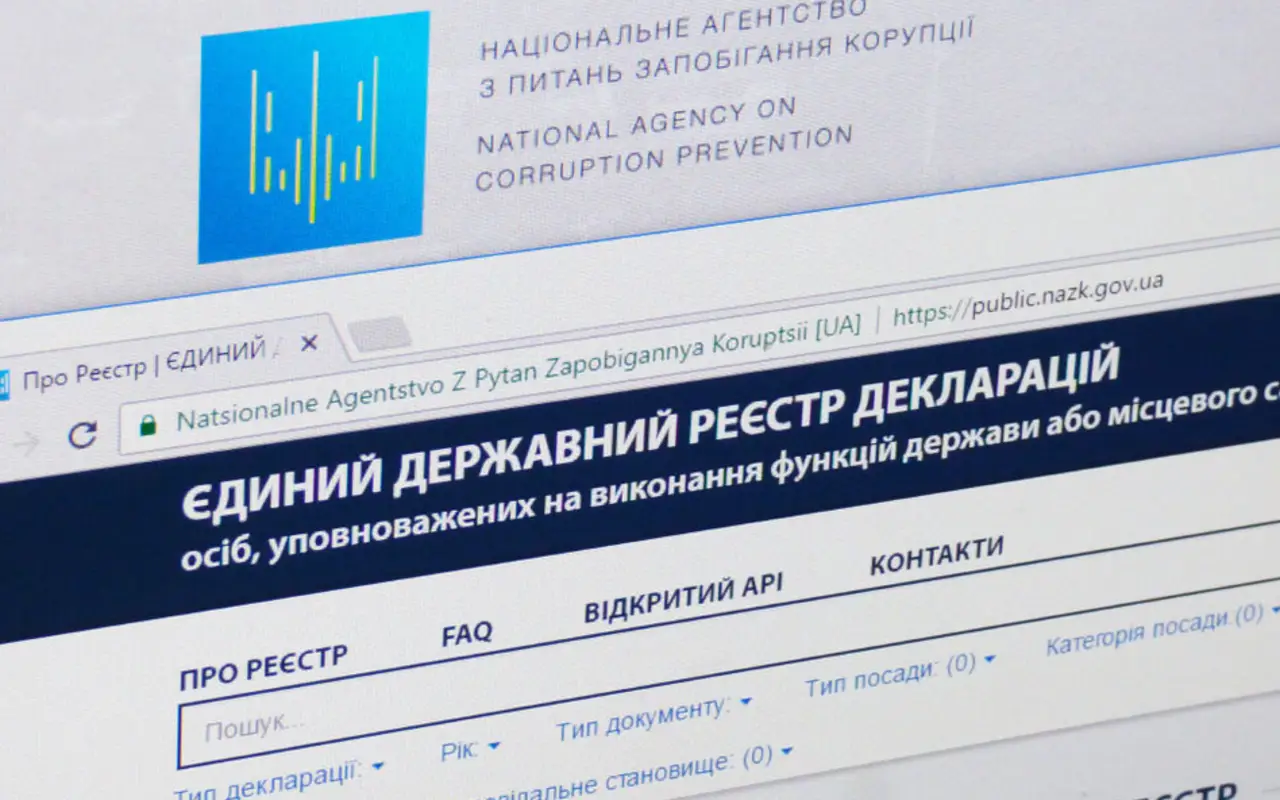
The NACP’s clarification regarding the declaration of membership in the UNBA should be clarified – BCU
An advocate’s membership in the UNBA is an element of professional status arising by virtue of law, rather than a voluntary private membership in an association. Therefore, failure to disclose it in a declaration should not automatically lead to the conclusion of unethical conduct or the concealment of a private interest.
Publications

Volodymyr Matsko Extradition during wartime: when the risks outweigh the request

Volodymyr Matsko Extradition as a systemic form of rights violations

Victoria Yakusha, Law and Business The anti-corruption vertical cannot «take care» of the Bar as an institution, - acting head of the HQDCB

Censor.net Protecting advocates – protecting justice: addressing concerns about the new law

Ihor Kolesnykov A BRIEF SUMMARY REGARDING THE APPLICATION OF THE ORDER ON EXTENDED CONFISCATION IN LATVIA REGARDING FINANCIAL ASSETS OF…

Valentyn Gvozdiy WORKING IN A WAR ZONE

Lydia Izovitova Formula of perfection

Sergiy Vylkov Our judicial system is so built that courts do not trust advocates