


The UNBA has established a Committee on the protection of victims of armed aggression against Ukraine: five areas of work have been identified
The Ukrainian National Bar Association has established a Committee on the protection of victims of armed aggression against Ukraine, compensation mechanisms and European integration legal support for recovery.
The creation of the Committee was initiated by Andriy Yermak. His professional experience combines legal practice, management experience in the private sector and work in government agencies, including participation in the formation of public policy. Advocate Zhanna Hrusko became the deputy chairman of the Committee.
The Committee will work in five areas.
1. Rule-making. Specifically, participation in improving legislation to protect Ukrainian citizens who have suffered from Russia's aggression against Ukraine, in particular, military personnel. The Committee's task is to participate in the preparation of draft regulatory acts and the formation of conceptual approaches and policies.
2. Protection of the rights of persons affected by armed aggression against Ukraine. The Committee's task is to develop practical algorithms for recording the damage caused and preparing evidence, recommendations on applying for compensation within the framework of national and international compensation mechanisms, and the development of legal instruments to protect such persons. Particular attention will be paid to the development of standards for legal assistance to military personnel and veterans, their family members, families of those killed, persons missing in action, internally displaced persons, and other citizens who have suffered damage as a result of armed aggression.
3. International law. The Committee's tasks are to cooperate with international professional organizations and expert networks on issues related to protecting the rights of persons affected by armed aggression, developing compensation mechanisms, and providing legal support for recovery.
4. Practical and methodological support for the protection of the rights of victims of armed aggression. The Committee will develop recommendations, model procedural documents, and algorithms of action for advocates in cases concerning compensation for damage, the application of national and international compensation mechanisms, and will also contribute to improving the professional training of advocates in these categories of cases.
5. Monitoring and positioning. The Committee will continuously monitor legislative initiatives in the field of victim protection and state recovery, participate in the preparation of UNBA expert opinions on draft laws under consideration by parliament, and form a well-founded professional position of advocacy on relevant decisions.
The Committee is being created to ensure the systematic participation of the advocacy community in shaping legal decisions in the field of protecting victims of armed aggression, developing compensation mechanisms and regulatory support for Ukraine's recovery, as well as to strengthen the professional capacity of the advocacy community to protect the rights and legitimate interests of such persons during the war and post-war period.
Popular news
Guarantees of the practice of law
Ombudsman calls for a firm response to violence against advocates
Every instance of obstruction of an advocate’s lawful activities, use of physical force, delaying an investigation, or concealment of evidence must be subject to a proper legal assessment. The state is obligated to ensure that the right to a defense is a genuine guarantee.
Greetings
The UNBA congratulates Denis Maslov on his appointment as Minister of Justice
Denis Maslov’s many years of experience as a advocate, his work as a judge and his tenure as chairman of the Verkhovna Rada of Ukraine’s Committee on legal policy have given him a deep understanding of how the legal system functions and the challenges it faces.
Legislation
The Verkhovna Rada explained why the section on advocacy should be removed from the anti-corruption strategy
The section on advocacy and legal aid in the draft anti-corruption strategy for 2026–2030 goes beyond the scope of anti-corruption policy and is inconsistent with the constitutional guarantees of the independence of the legal profession.
Discussion
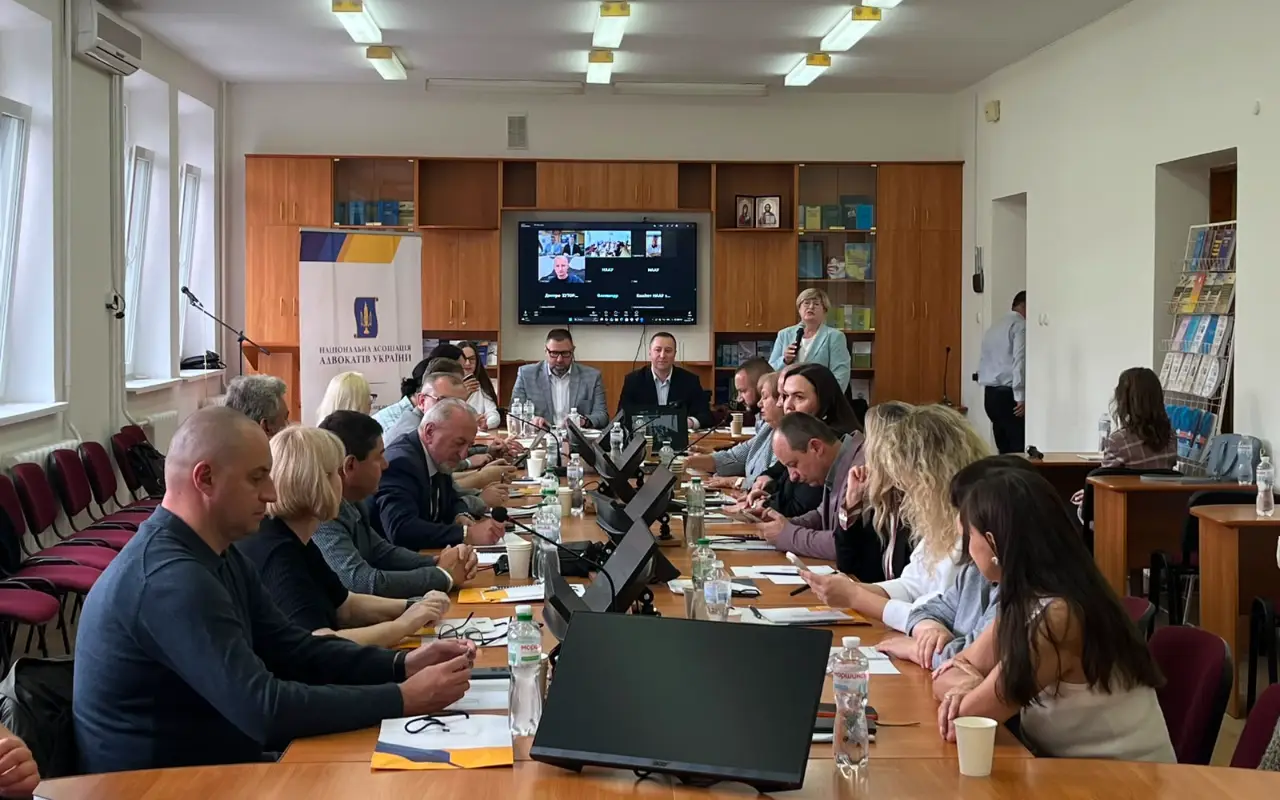
Complaints, time limits and prosecutorial powers: what gaps in the CPC do advocates see?
During the pretrial investigation stage, the effectiveness of the defense depends to a large extent on the proper implementation of procedural safeguards: the timely consideration of complaints, the advocate’s access to information regarding the progress of the proceedings and so on.
Guarantees of the practice of law
The NACP’s clarification regarding the declaration of membership in the UNBA should be clarified – BCU
An advocate’s membership in the UNBA is an element of professional status arising by virtue of law, rather than a voluntary private membership in an association. Therefore, failure to disclose it in a declaration should not automatically lead to the conclusion of unethical conduct or the concealment of a private interest.
Discussion
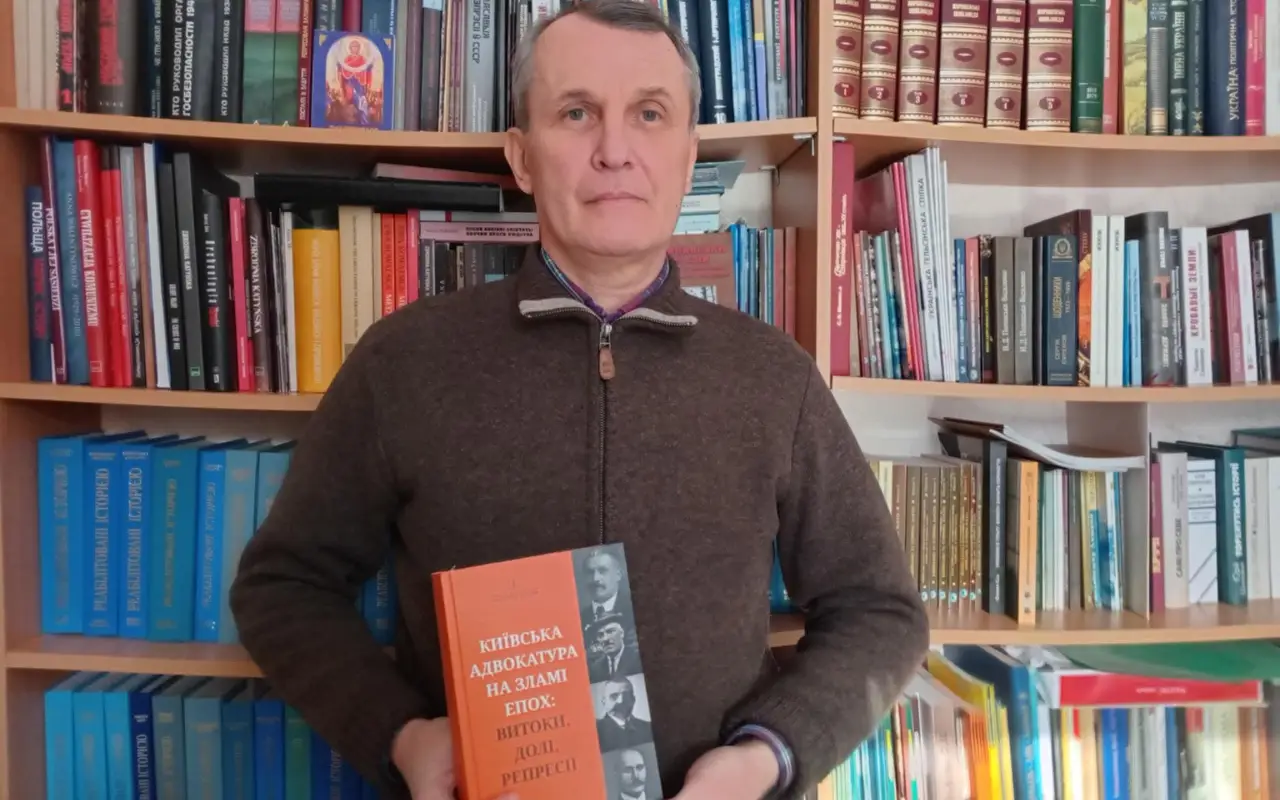
The history of Ukrainian constitutionalism was discussed during a lecture
To mark Ukraine’s Constitution Day, the Center for research on the legal profession and law of the UNBA in collaboration with the «Bykivnia Graves» National Historical and Memorial Reserve organized an online lecture on the history of the Ukrainian constitutional process.
Legislation
The UNBA is counting on the swift ratification of the Convention on the Protection of the Professions of Lawyer
The ratification of the Council of Europe Convention on the Protection of the Professions of Lawyer must be accompanied by targeted amendments to legislation to strengthen safeguards for advocates, but should not be used as a pretext for dismantling the self-governing model of advocacy.

Legal defence of military personnel
Advocates are expanding their legal support for the military and affected businesses
Legal assistance for military personnel should begin with simple and quick consultations, but it should not end there. Typical requests from brigades are compiled into summaries, digital services and proposals to government agencies.
Publications

Volodymyr Matsko Extradition during wartime: when the risks outweigh the request

Volodymyr Matsko Extradition as a systemic form of rights violations

Victoria Yakusha, Law and Business The anti-corruption vertical cannot «take care» of the Bar as an institution, - acting head of the HQDCB

Censor.net Protecting advocates – protecting justice: addressing concerns about the new law

Ihor Kolesnykov A BRIEF SUMMARY REGARDING THE APPLICATION OF THE ORDER ON EXTENDED CONFISCATION IN LATVIA REGARDING FINANCIAL ASSETS OF…

Valentyn Gvozdiy WORKING IN A WAR ZONE

Lydia Izovitova Formula of perfection

Sergiy Vylkov Our judicial system is so built that courts do not trust advocates