Future teachers and tourism professionals were told about forensic examination
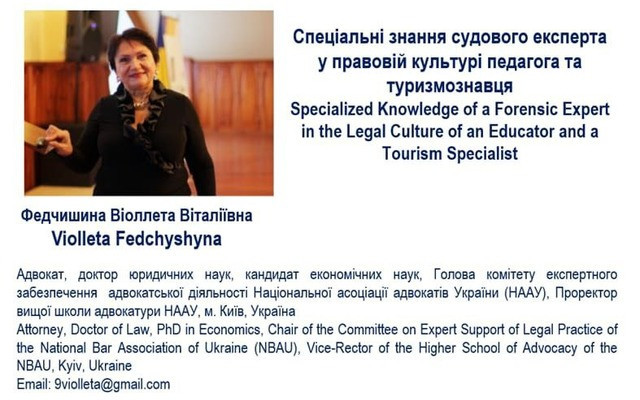
A scientific and practical conference on «Special knowledge of a forensic expert in the legal culture of a teacher and tourism specialist» was held at the Khmelnytskyi Academy of Humanities and Pedagogy.
Teachers and students of the university took part in the event.
The keynote speech was delivered by the vice-rector of the Higher School of Advocacy, chairman of the UNBA Committee on expert support for advocacy, doctor of law Violleta Fedchyshina.
She explained that the educational sphere is associated with responsibility for children, safety, disciplinary incidents, bullying, bodily harm, and sometimes even criminal proceedings. In the tourism sector, there are accidents, insurance disputes, conflicts over the quality of services, transport incidents, questions about the authenticity of documents, and disputes over damage to health or property. In such cases, teachers, school administrators, or tour operators must understand that certain circumstances are determined by the conclusions of psychologists, doctors, handwriting experts, and technical experts.
V. Fedchyshina reminded that the questions posed to the expert are resolved by him with the help of special knowledge in a specific field, and understanding this process helps the teacher or tourism specialist to act in a more balanced and reasoned manner.
Conference participants discussed the scientific basis of the research process and cause-and-effect relationships, the understanding of which requires special knowledge. The speaker emphasized that awareness of the professional competencies of various types of forensic expertise reduces emotionality and increases constructiveness when solving problematic situations at work. Particular attention was paid to the formation of a high level of responsibility for the reasonableness of defending one's position and fairness in evaluating evidence.
The discussion of career guidance opportunities for students of pedagogy and tourism was also interesting. The participants considered the prospects of using special knowledge in the field of forensic expertise as one of the possible directions for the professional development of future specialists.
Popular news
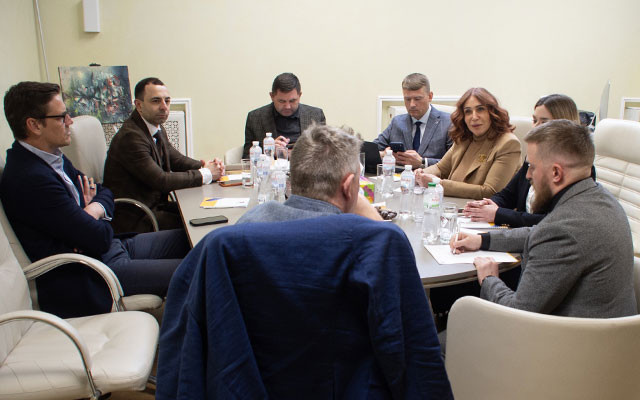
Legal defence of military personnel
The model for legal assistance to veterans was discussed at the UNBA
A working meeting was held at the Ukrainian National Bar Association, during which representatives of the advocacy profession, the Ministry of Veterans Affairs of Ukraine and a foreign expert discussed approaches to providing legal aid to veterans, the role of the advocacy profession in this system, and the experience of other countries.
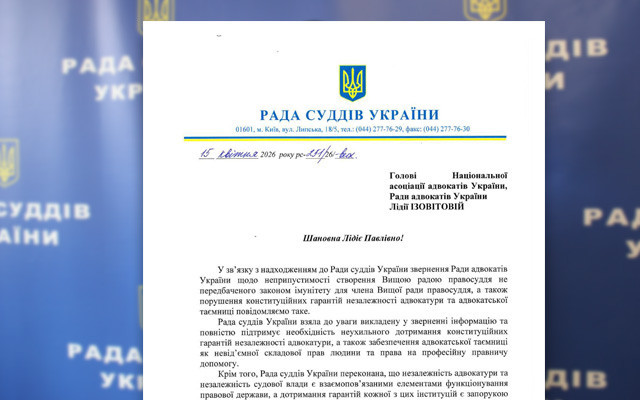
Guarantees of the practice of law
The CJU has endorsed guarantees of the legal profession’s independence and has proposed a meeting with the BCU
The Council of Judges of Ukraine has responded to a letter from the Bar Council of Ukraine regarding the inadmissibility of the High Council of Justice granting immunity to a member of the High Council of Justice — a privilege not provided for by law — as well as regarding violations of constitutional guarantees of the independence of the legal profession and attorney-client privilege.

Interaction
The UNBA and the Ministry of Veterans are expanding their cooperation
War veterans, their family members, as well as the family members of fallen Defenders of Ukraine are to receive improved access to professional legal assistance and additional opportunities for independent legal protection.

Legislation
Advocates have warned that the draft Labor Code would curtail workers' protections
Certain provisions of the draft Labor Code of Ukraine regarding collective labor disputes undermine labor protections and do not comply with constitutional and international standards.
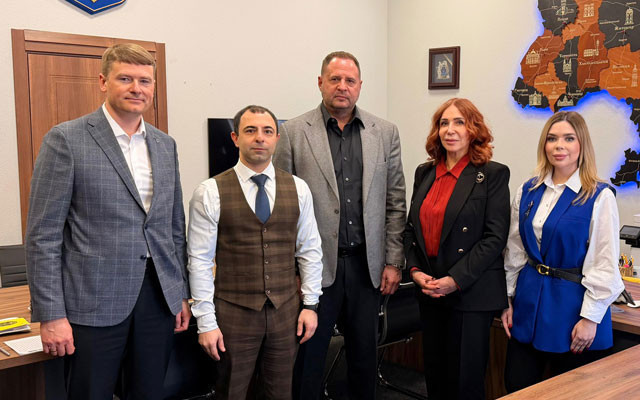
Legal defence of military personnel
Representatives from the Ministry of Veterans Affairs and the UNBA discussed veterans' access to justice
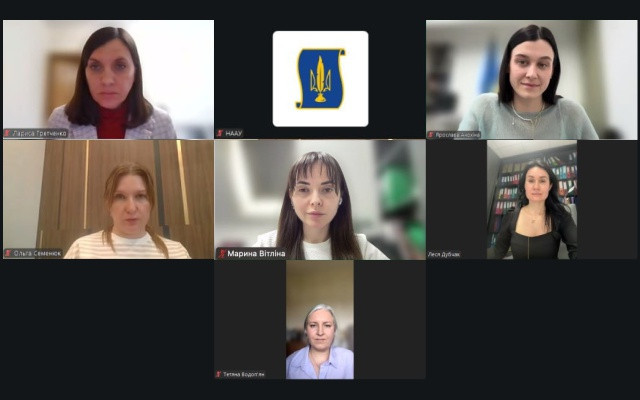
On April 3, a working meeting was held at the Ministry of Veterans Affairs of Ukraine with representatives of the Ukrainian National Bar Association, dedicated to improving the effectiveness of legal protection for war veterans and their families.
Educational events
The right of minors to marry: how judicial oversight works
The issue of granting minors the right to marry lies at the intersection of family law, child protection, and judicial discretion. The UNBA Committee on family law dedicated a webinar held on March 30 to this very topic.
Interaction
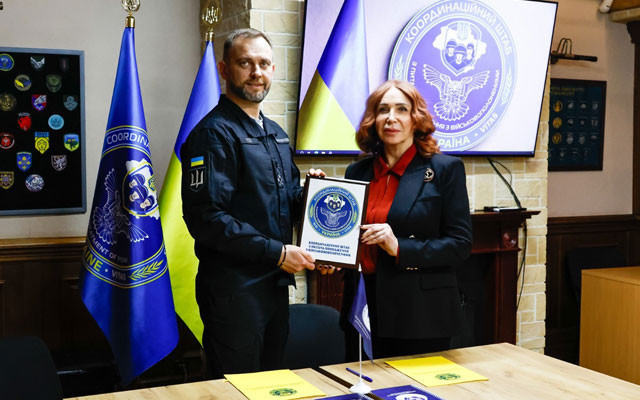
The UNBA and the Coordination headquarters have agreed to cooperate in assisting those released from captivity
Servicemen released from captivity, family members of prisoners of war, civilians deprived of their personal liberty as a result of armed aggression, as well as persons missing in connection with the war, will gain additional opportunities to access legal assistance and protect their rights.
Self-government
BCU: The HCJ’s decisions undermine the constitutional guarantees of the independence of the advocacy profession
The Bar Council of Ukraine has concluded that, in its recent decisions, the High Council of Justice has, without legal grounds, called into question the right of bar self-governing bodies to protect the guarantees of legal practice and has, in effect, attempted to grant one of its members — who retains the status of an advocate — special immunity from the Rules of professional conduct and disciplinary responsibility.
Publications

Volodymyr Matsko Extradition during wartime: when the risks outweigh the request

Volodymyr Matsko Extradition as a systemic form of rights violations

Victoria Yakusha, Law and Business The anti-corruption vertical cannot «take care» of the Bar as an institution, - acting head of the HQDCB

Censor.net Protecting advocates – protecting justice: addressing concerns about the new law

Ihor Kolesnykov A BRIEF SUMMARY REGARDING THE APPLICATION OF THE ORDER ON EXTENDED CONFISCATION IN LATVIA REGARDING FINANCIAL ASSETS OF…

Valentyn Gvozdiy WORKING IN A WAR ZONE

Lydia Izovitova Formula of perfection

Sergiy Vylkov Our judicial system is so built that courts do not trust advocates