


Where does legal information end and legal assistance begin?

Law firms find themselves in a dilemma: they want to make the most of artificial intelligence, but at the same time, more and more people are entrusting their legal matters to large language models. And this, as experts point out, entails countless risks.
This issue, in the context of unprofessional legal advice, is explored in the latest industry review, «Innovations and trends in the legal sector», published by the Aranzadi LA LEY Foundation, one of the key players in the Spanish market for legal information products and legaltech. To gauge the scale, suffice it to say that the phrase «artificial intelligence» appears 125 times across the document’s 170 pages.
The institutional advocacy group is sounding the alarm over the growing number of legal advisors and individuals providing consulting services without proper education or membership in a professional organization, reports the newspaper El País. And «the emergence of artificial intelligence and generative self-learning systems has caused a significant disruption in the field of legal consulting», acknowledges Eugenio Ribón, Dean of the Madrid Bar Association (Ilustre Colegio de la Abogacía de Madrid, ICAM).
In response to this issue, ICAM submitted a proposal to parliament to impose legal restrictions on chatbots. Specifically, the idea is to amend Article 403 of the Criminal Code to establish criminal liability for providing legal consultation systems for commercial purposes without direct and effective professional supervision.
The review provides assessments of various aspects of AI use by advocates. Experts agree that caution is warranted, as most such assistants generate responses based on data from the Internet. Ensuring that this data is up-to-date, valid, and accurate is extremely difficult. One AI system may excel at generating text but be limited when it comes to ensuring legal accuracy; another may be excellent at classifying documents but unable to interpret nuances.
It is noted that large international law firms can no longer limit themselves to traditional consulting — they must design, develop, and utilize legal technologies. Technology will no longer be merely a supporting tool or communication channel; it will revolutionize legal relationships themselves, and thus — business.
However, large language models offer a level of reliability that is, at best, questionable. A solution could be training the machine on proprietary sources and documents in a secure environment. After all, the quality of AI’s responses depends on its information sources. If they are reliable, well-structured, and updated in line with changes in legislation, the model will provide safer and more accurate analytical conclusions.
Popular news

Support
Protecting the legal profession, cybersecurity and support for advocates: common themes for the IBA and the UNBA
On September 18, a working meeting was held at the office of the Ukrainian National Bar Association with Executive Director of the International Bar Association (IBA) Mark Ellis. The parties discussed the Ukrainian advocacy profession’s participation in European legal processes, the protection of the UNBA’s digital infrastructure, psychological support for advocates and future areas of cooperation.
War
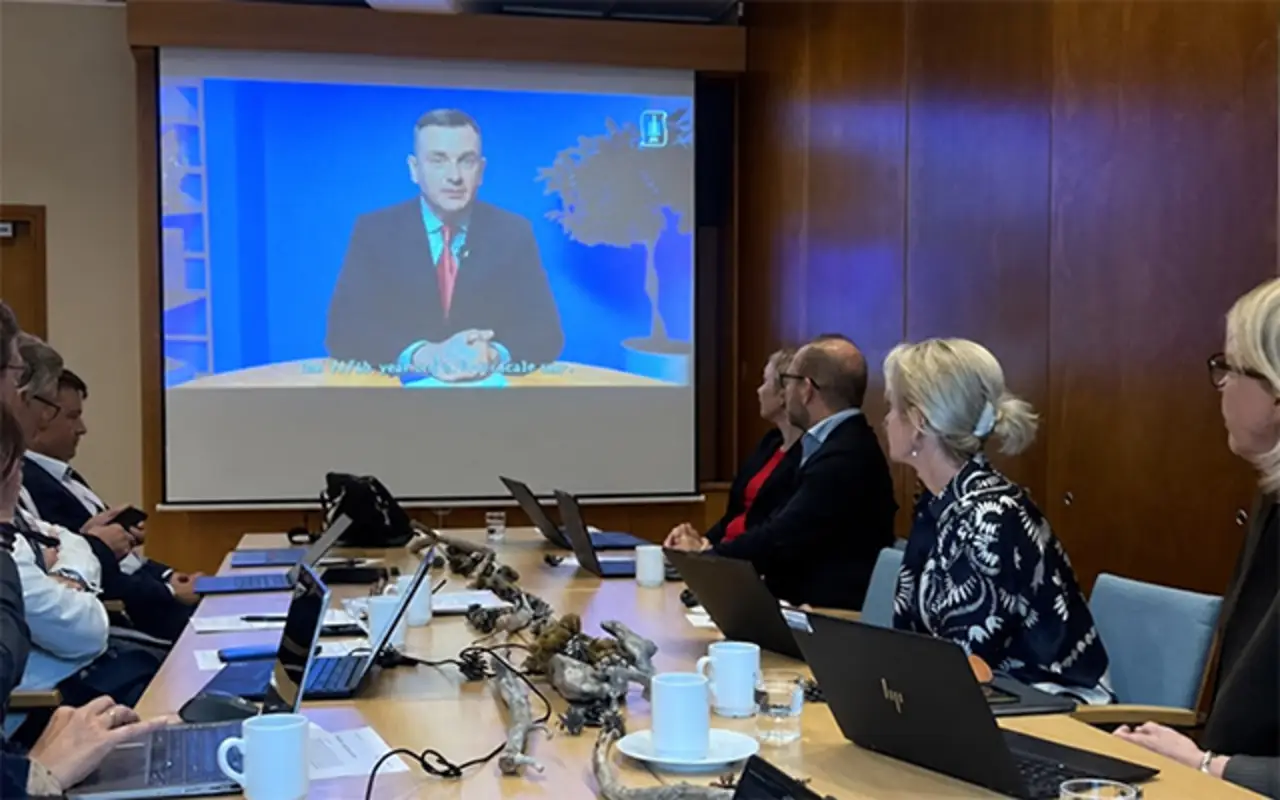
Are Europe's advocacy associations prepared for a potential war? V. Gvozdiy shared lessons from the Ukrainian experience
The continuity of the bar’s self-governance, the protection of professional registries and archives, as well as equal guarantees of employment for advocates, judges, and prosecutors must be enshrined in advance in legislation in the event of war or another emergency.

Educational events
How DISC helps manage «tigers», «monkeys», «elephants» and «turtles»
The same instruction from a manager may motivate one employee to take action, while leaving another without the necessary guidance. People perceive work tasks differently: for some, a deadline and the expected outcome are enough, while others need explanations, time or a detailed plan.

Legislation
The Verkhovna Rada is preparing a bill to implement the Convention on the Protection of the Professions of Lawyer
Members of Parliament plan to introduce a bill in the near future to implement the main provisions of the Council of Europe Convention on the Protection of the Professions of Lawyer. This parliamentary initiative may also prompt the government to expedite the preparation of the ratification package.
Educational events
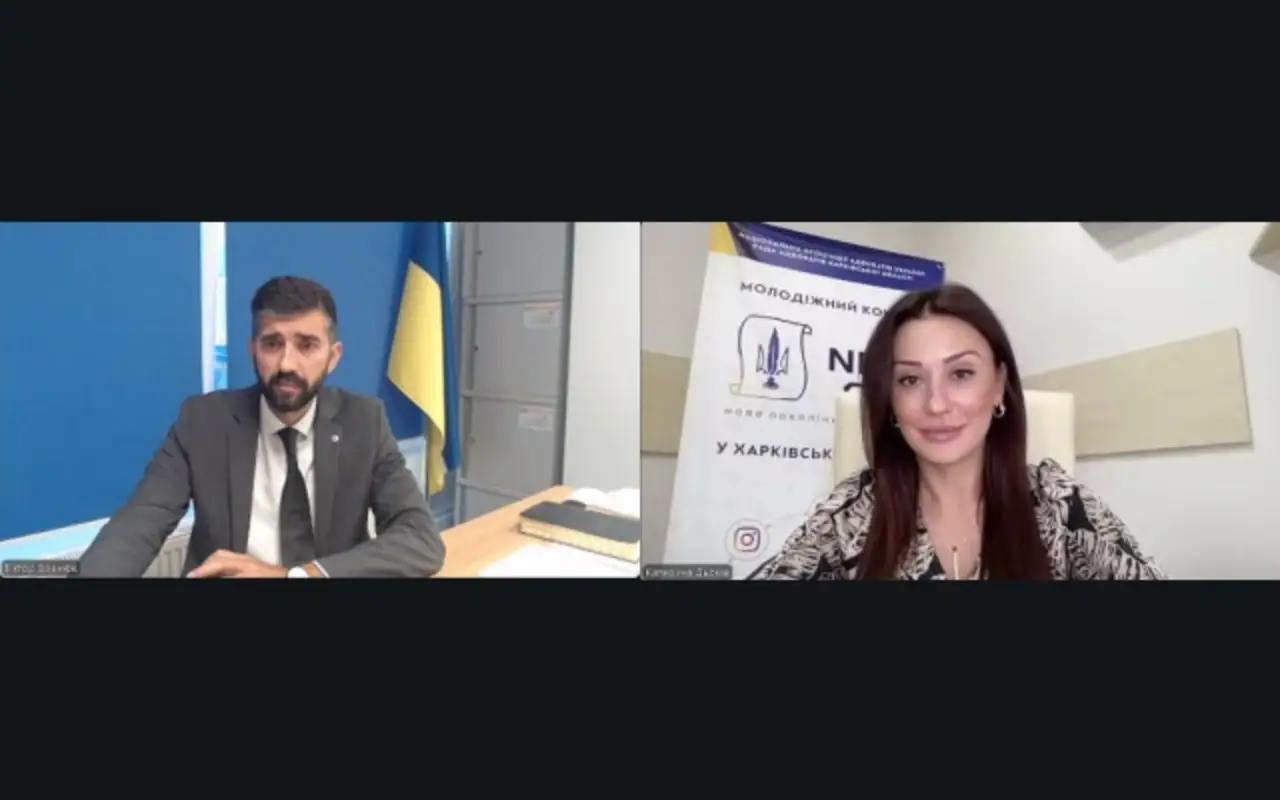
What an advocate should consider when a fee dispute escalates into a complaint to the QDBC
If an advocate files a lawsuit seeking to recover fees from a client, the client may in turn file a complaint with the High Qualification and Disciplinary Commission of the Bar in an effort to compel the advocate to withdraw the lawsuit. How do the advocacy’s disciplinary bodies handle such cases?

Edition
Veteran-advocates returning to the practice of law: the UNBA has prepared recommendations
Military service is incompatible with the practice of law; therefore, an advocate suspends their practice for the duration of their service. However, upon returning, they must reinstate their right to practice law, refresh their knowledge and reestablish their organizational and digital processes.

Educational events
Energy, focus and priorities: how an advocate should plan their day
A rigid workday schedule becomes irrelevant when your routine depends on air raid alerts and disrupted sleep caused by nighttime explosions. Under such conditions, advocates should assess the resources they can actually manage.
Discussion
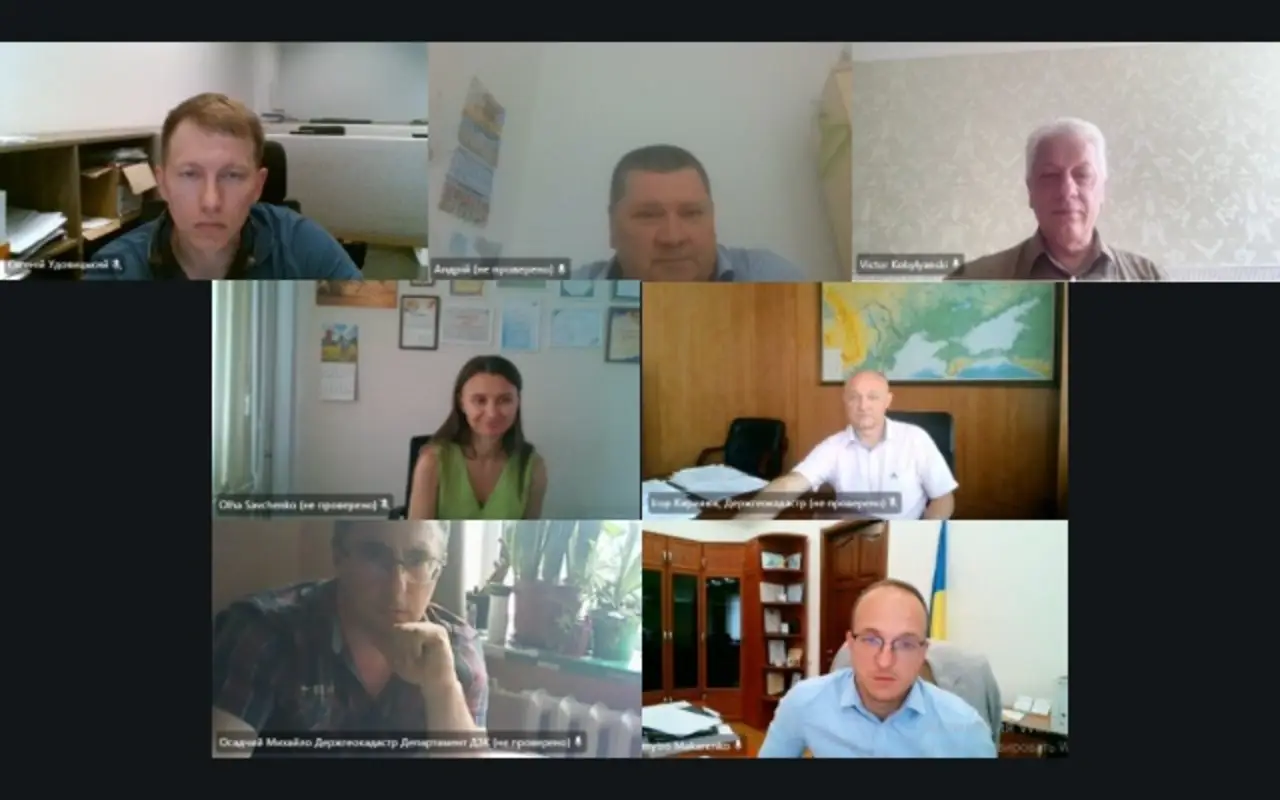
Appeals by NGOs and advocates' access to the SLC were discussed with the State Geocadastre
Advocates’ access to data from the State Land Cadastre remains limited: there is no separate access, and a court order is required to obtain coordinates. At the same time, the functionality for generating extracts from the State Land Cadastre as of a specific date still needs further refinement. The State Geocadastre is working on this.
Publications

Vasyl Kolishnyi, «Law and Business» Supporting mental health should become part of the professional culture of the Bar, - H. Udovenko

Volodymyr Matsko Extradition during wartime: when the risks outweigh the request

Volodymyr Matsko Extradition as a systemic form of rights violations

Victoria Yakusha, Law and Business The anti-corruption vertical cannot «take care» of the Bar as an institution, - acting head of the HQDCB

Censor.net Protecting advocates – protecting justice: addressing concerns about the new law

Ihor Kolesnykov A BRIEF SUMMARY REGARDING THE APPLICATION OF THE ORDER ON EXTENDED CONFISCATION IN LATVIA REGARDING FINANCIAL ASSETS OF…

Valentyn Gvozdiy WORKING IN A WAR ZONE

Lydia Izovitova Formula of perfection