


Temporary protection and employment in the Czech Republic: an advocate explains the conditions
Obtaining temporary protection in the Czech Republic not only grants Ukrainians the right to legal residence but also provides access to a range of social and labor protections. However, in practice, it is important to understand the existing rules.
The practical conditions for obtaining temporary protection, the specifics of its implementation in the Czech Republic, as well as the related social and labor rights of Ukrainian citizens were outlined by the UNBA representative in the country Olena Maksymenko during the webinar «Legalization of Ukrainians’ stay in the Czech Republic (temporary protection).”
Webinar participants were explained how the institution of temporary protection, as provided for by EU Council Directive 2001/55/EC of July 20, 2001, is applied in the Czech Republic. Special attention was paid to Czech regulations based on Act No. 65/2022 Sb. «On certain measures in connection with the armed conflict on the territory of Ukraine caused by the invasion of the armed forces of the Russian Federation».
During the event, the speaker reviewed the current conditions for obtaining temporary protection. In particular, she discussed the requirement to have a valid document for traveling abroad that certifies the identity of a Ukrainian citizen, as well as to confirm the fact of residence in Ukraine as of February 24, 2022. In this context, attention was drawn to the possibility of obtaining the relevant certificate through the Service department of the State Border Guard Service of Ukraine.
A separate section was devoted to the issue of housing. Attendees were informed that, in general, individuals applying for temporary protection must resolve housing issues on their own. However, there is an exception to this rule: in the regional center of Ostrava, one can submit a request and receive temporary free housing.
Participants were also informed about general opportunities for Ukrainians regarding access to the labor market and employment under the types of employment contracts provided for by Czech law.
Thus, the main employment contract (Hlavní pracovní poměr, HPP) is the standard option, which provides for full-time employment and the employer’s payment of mandatory health and social insurance contributions on behalf of the employee. When concluding the contract, the parties determine the type of work, the place of performance, the start date, the presence of a probationary period, the possibility of business trips, vacation, and the amount of remuneration.
Contract for the Performance of Work (Dohoda o provedení práce, DPP) — a contract for the performance of work that limits working hours to 300 hours per year for an employee with a single employer. It must be concluded in writing, specifying the duration of the work and a wage not lower than the statutory minimum.
The Agreement on Work Activity (Dohoda o pracovní činnosti, DPČ) provides for a maximum workload of no more than 20 hours per week. When concluding the agreement in writing, the parties specify the type of work, the term of the agreement, and remuneration not less than the minimum wage.
Separately, during the webinar, participants were reminded of the guarantees against discrimination, as well as the rights of Ukrainian citizens to access the health insurance system and educational institutions in the Czech Republic.
«Holding such webinars is of practical importance, as Ukrainians abroad often need not general information, but clear legal explanations regarding specific life situations, - commented O. Maksymenko on the webinar’s outcomes. - In the case of the Czech Republic, this primarily concerns the conditions for obtaining temporary protection, the rights associated with it, and employment opportunities. The aim of the event was to systematize these issues and provide participants with a clear understanding of the current rules and mechanisms for their implementation».
Popular news
Support
Protecting the legal profession, cybersecurity and support for advocates: common themes for the IBA and the UNBA
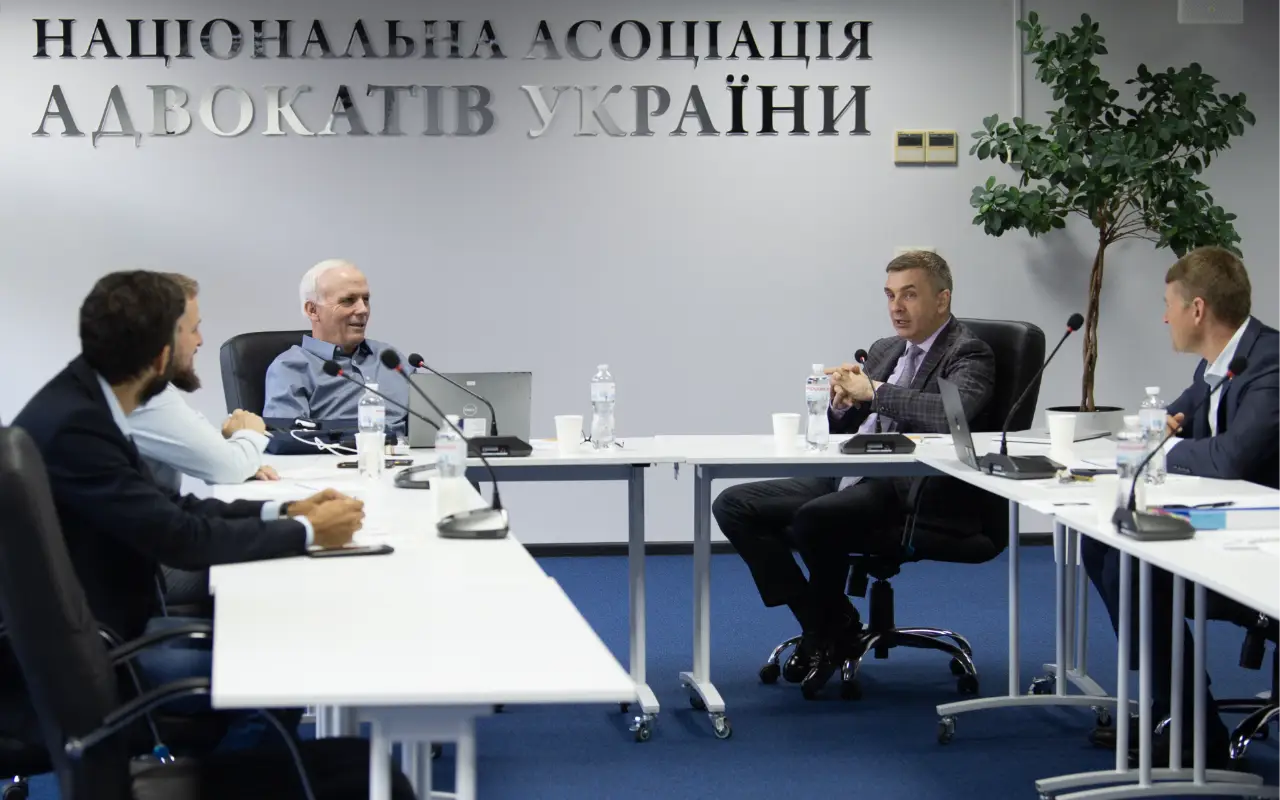
On September 18, a working meeting was held at the office of the Ukrainian National Bar Association with Executive Director of the International Bar Association (IBA) Mark Ellis. The parties discussed the Ukrainian advocacy profession’s participation in European legal processes, the protection of the UNBA’s digital infrastructure, psychological support for advocates and future areas of cooperation.
War
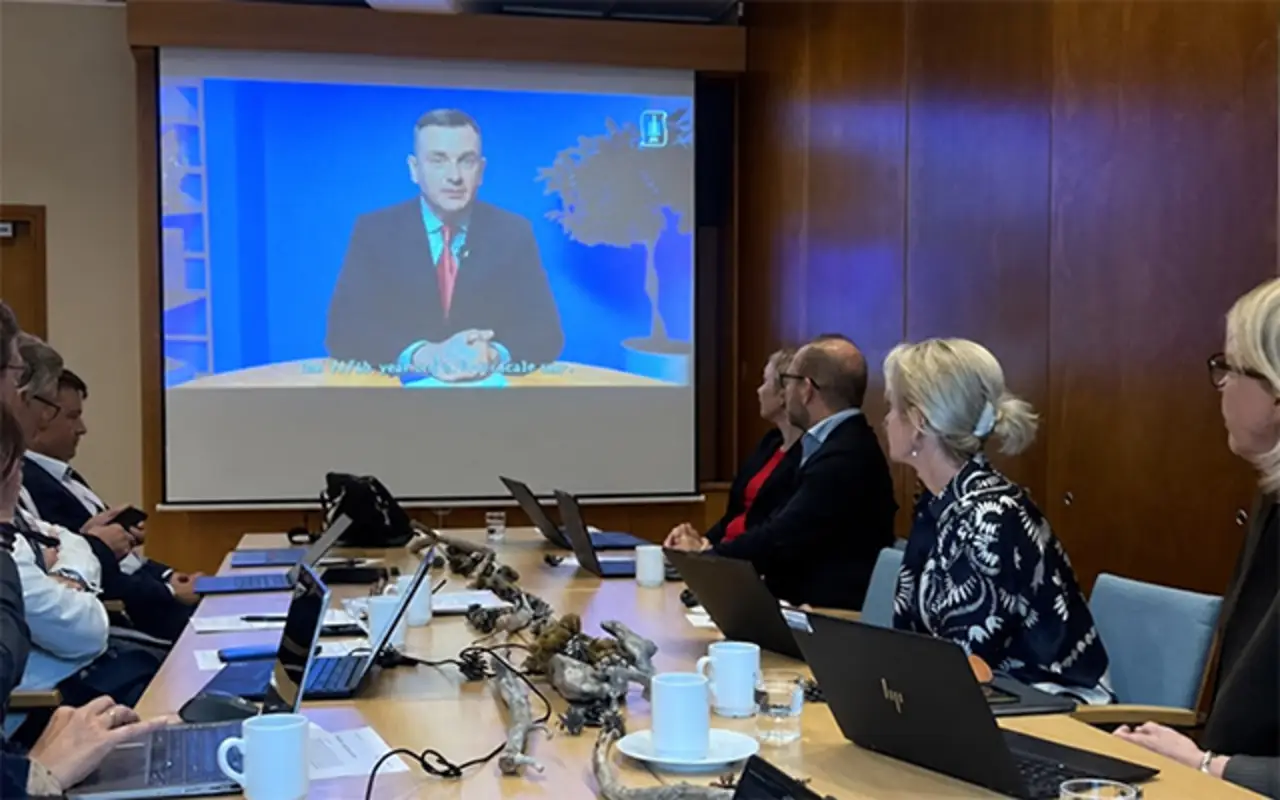
Are Europe's advocacy associations prepared for a potential war? V. Gvozdiy shared lessons from the Ukrainian experience
The continuity of the bar’s self-governance, the protection of professional registries and archives, as well as equal guarantees of employment for advocates, judges, and prosecutors must be enshrined in advance in legislation in the event of war or another emergency.

Educational events
How DISC helps manage «tigers», «monkeys», «elephants» and «turtles»
The same instruction from a manager may motivate one employee to take action, while leaving another without the necessary guidance. People perceive work tasks differently: for some, a deadline and the expected outcome are enough, while others need explanations, time or a detailed plan.

Legislation
The Verkhovna Rada is preparing a bill to implement the Convention on the Protection of the Professions of Lawyer
Members of Parliament plan to introduce a bill in the near future to implement the main provisions of the Council of Europe Convention on the Protection of the Professions of Lawyer. This parliamentary initiative may also prompt the government to expedite the preparation of the ratification package.
Educational events
What an advocate should consider when a fee dispute escalates into a complaint to the QDBC
If an advocate files a lawsuit seeking to recover fees from a client, the client may in turn file a complaint with the High Qualification and Disciplinary Commission of the Bar in an effort to compel the advocate to withdraw the lawsuit. How do the advocacy’s disciplinary bodies handle such cases?
Edition
Veteran-advocates returning to the practice of law: the UNBA has prepared recommendations
Military service is incompatible with the practice of law; therefore, an advocate suspends their practice for the duration of their service. However, upon returning, they must reinstate their right to practice law, refresh their knowledge and reestablish their organizational and digital processes.
Educational events
Energy, focus and priorities: how an advocate should plan their day
A rigid workday schedule becomes irrelevant when your routine depends on air raid alerts and disrupted sleep caused by nighttime explosions. Under such conditions, advocates should assess the resources they can actually manage.
Discussion
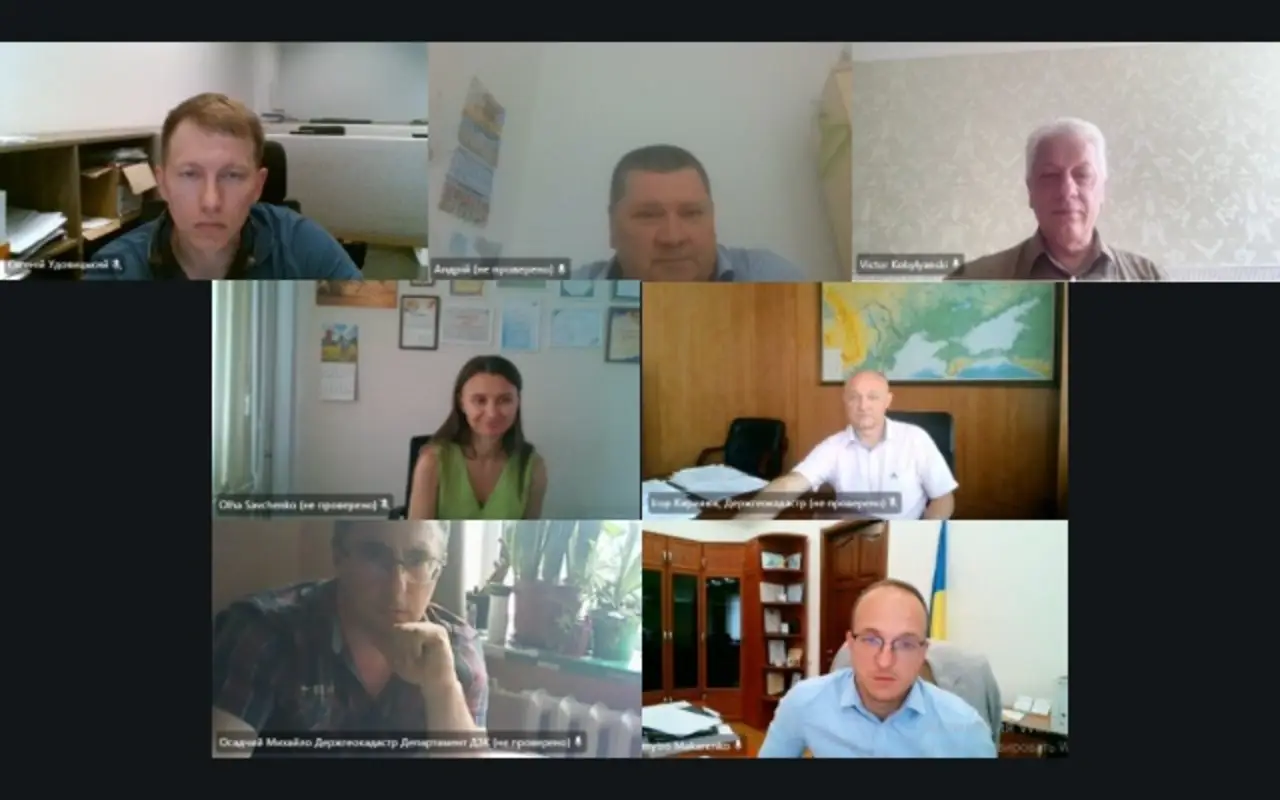
Appeals by NGOs and advocates' access to the SLC were discussed with the State Geocadastre
Advocates’ access to data from the State Land Cadastre remains limited: there is no separate access, and a court order is required to obtain coordinates. At the same time, the functionality for generating extracts from the State Land Cadastre as of a specific date still needs further refinement. The State Geocadastre is working on this.
Publications

Vasyl Kolishnyi, «Law and Business» Supporting mental health should become part of the professional culture of the Bar, - H. Udovenko

Volodymyr Matsko Extradition during wartime: when the risks outweigh the request

Volodymyr Matsko Extradition as a systemic form of rights violations

Victoria Yakusha, Law and Business The anti-corruption vertical cannot «take care» of the Bar as an institution, - acting head of the HQDCB

Censor.net Protecting advocates – protecting justice: addressing concerns about the new law

Ihor Kolesnykov A BRIEF SUMMARY REGARDING THE APPLICATION OF THE ORDER ON EXTENDED CONFISCATION IN LATVIA REGARDING FINANCIAL ASSETS OF…

Valentyn Gvozdiy WORKING IN A WAR ZONE

Lydia Izovitova Formula of perfection