






Ukrainian judges and advocates completed a professional internship in Scotland


In March, a week-long institutional study visit took place in Scotland as part of the Institutional Study Visit program, involving 10 Ukrainian advocates and 30 judges. The program was designed to familiarize participants with the Scottish judicial system, professional standards, and the practices of the courts and the legal community.
One of the organizers of this program was Oleksandr Chernykh, the representative of the Ukrainian National Bar Association in Scotland.
Ukrainian advocates visited the Inverness Sheriff Court, the Glasgow Sheriff Court and the High Court of Justiciary. During the meetings, they familiarized themselves with the specifics of the judicial system, procedural approaches, and the practices of Scottish courts.
«The Scottish legal system, which organically combines the Romano-Germanic tradition and the common law system, is considered one of the most authoritative in the world. Therefore, such programs create a platform for exchanging practical experience, introducing the world’s best standards in Ukraine, strengthening professional ties, and forming a shared vision for the development of legal systems in the democratic world», - noted O. Chernykh.
The delegation also met with Principal Sheriff Aisha Anwar. At the High Court of Justice, the participants also met with Lord Malholland, former Solicitor General of Scotland and currently a judge of the Supreme Court. During these meetings, standards of evidence, witness examination, and prosecution for war crimes were discussed. As an example of effective international cooperation (evidence-gathering mechanisms and collaboration), participants examined the circumstances surrounding the investigation of one of the largest terrorist acts in Europe — the 1988 terrorist bombing of a Boeing 747 over Lockerbie, which killed 270 people.
One of the program’s central academic events was an international roundtable at the University of Glasgow’s School of Law, dedicated to the role of courts and lawyers in times of war. Participants in the discussion, which was co-organized by the Ukrainian National Bar Association, included Dr. Henry Lovatt, who leads the research program «International justice under pressure», Professor Claire McDiarmid, chairman of the School of Law; Professor Akbar Rasulov, an expert in international law; and Imon Keen, a senior lecturer in evidence and criminal procedure. The discussion was moderated by Dr. Larisa Zhdanina, a lecturer at the University of Glasgow and a Ukrainian advocate. The discussion covered the challenges of administering justice in wartime, the functioning of judicial institutions in crisis situations, issues of evidence, and international legal responsibility. In his remarks, O. Chernykh also highlighted the significance of the Convention on the Protection of the Advocate's Profession, which Ukraine signed on March 9 of this year.
The Faculty of Advocates noted that the visit served as a platform for discussing shared professional challenges, standards of the legal profession, and the role of advocates and judges in modern legal systems. For the Ukrainian participants, it was also an opportunity to gain firsthand insight into the workings of Scottish justice institutions and to continue professional dialogue with their British colleagues.
The concluding public event was a reception at the Supreme Courts of Scotland building, organized by the Faculty of Advocates of Scotland. Participants were welcomed by Tony Lenihan, Vice-Dean of the Faculty of Advocates of Scotland, and Andriy Madzianovsky, Consul of Ukraine in Edinburgh. The delegation also visited the Advocates’ Library.
Popular news
Legal defence of military personnel
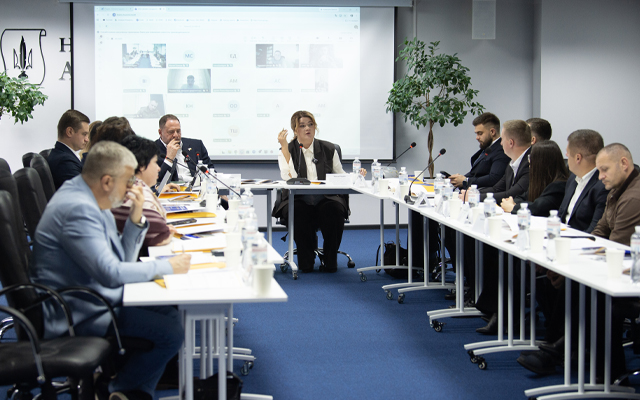
Guarantees in the event of detention and procedures for military personnel: recommendations from the UNBA Committee
Most often, military personnel turn to advocates regarding frozen bank accounts and delays in discharge. Step-by-step procedures have been prepared for such situations. A guide on one-time financial assistance has been provided for the families of those killed in action. And the new regulations governing the stay of mobilized individuals at TCCs require changes regarding guarantees of communication with an advocate.
Guarantees of the practice of law
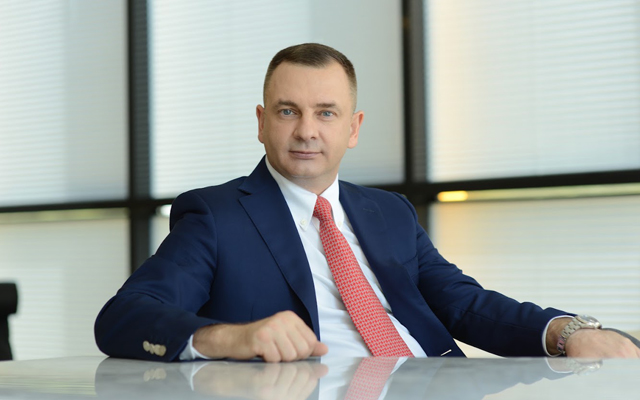
Ratification first, reform second: Valentin Gvozdiy on the Council of Europe Convention
Albania and Bosnia and Herzegovina have ratified the Council of Europe Convention on the Protection of the Professions of Lawyer. Eight ratifications are required for it to enter into force, so Ukraine may still be among the states that will activate the mechanism for monitoring guarantees for the legal profession.
Rule of Law Roadmap
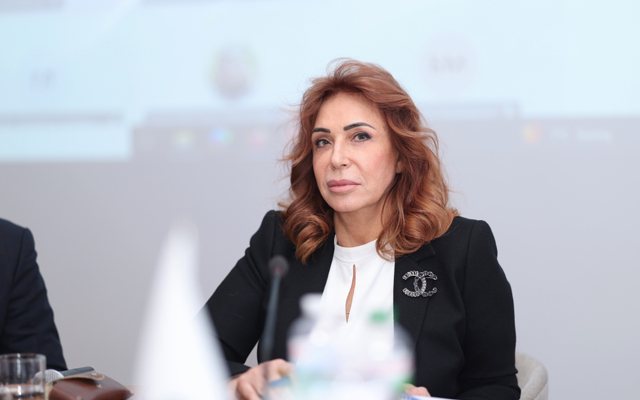
Lidiya Izovitova: reform of the advocacy profession should make the profession stronger and individuals better protected
The Ukrainian advocacy community is finalizing work on a new version of the relevant law. The roadmap on the rule of law has set the fourth quarter of 2026 as the deadline for achieving results in this area. The draft is intended to ensure safeguards for the practice of law through mechanisms of accountability for violations.
Abroad
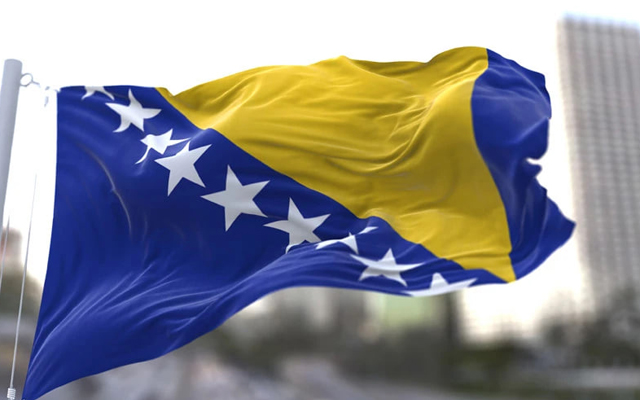
The first country to ratify the Convention on the Protection of the Professions of Lawyer
Bosnia and Herzegovina became the first country to ratify the Council of Europe Convention on the Protection of the Professions of Lawyer (CETS No. 226). The country signed the Convention on March 17, 2026, so it took just over seven months to ratify it.
Discussion
Civil security and guidelines for investors: representatives of the UNBA attend a forum in Prague
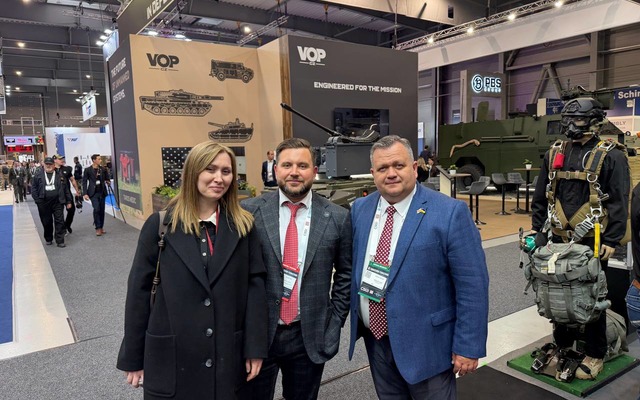
How to establish a business in Ukraine, protect investments, and comply with regulatory requirements — these were the issues that foreign companies in the security sector discussed with representatives of the UNBA during an international forum in Prague.
Legislation
An emergency search without a warrant? What changes are advocates proposing to the CPC
The Verkhovna Rada is preparing a consolidated draft of amendments to the Criminal Procedure Code regarding searches in urgent cases without a prior ruling by an investigating judge. The UNBA insists that judicial oversight following such a search must be effective, and that homeowners must be full participants in the procedure.
Discussion
Seizure does not mean return: how to get an exchange to return stolen crypto assets
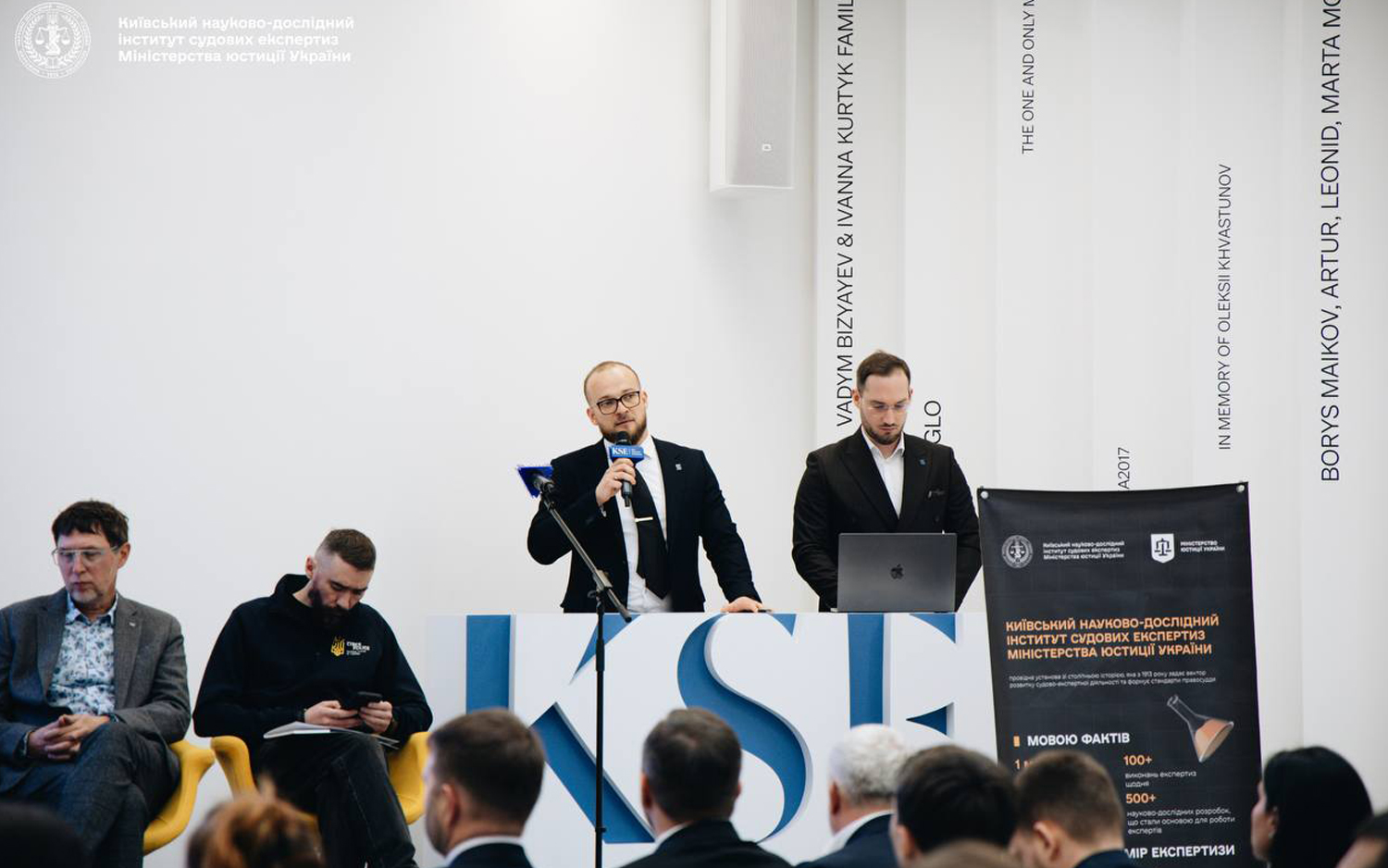
In cases involving cryptocurrency theft, the assets move faster than the criminal proceedings, so it is best to first freeze and seize them, and only then identify the perpetrator. However, even a seizure will not recover the funds unless the court order specifies exactly what the exchange or issuer must do.
Support
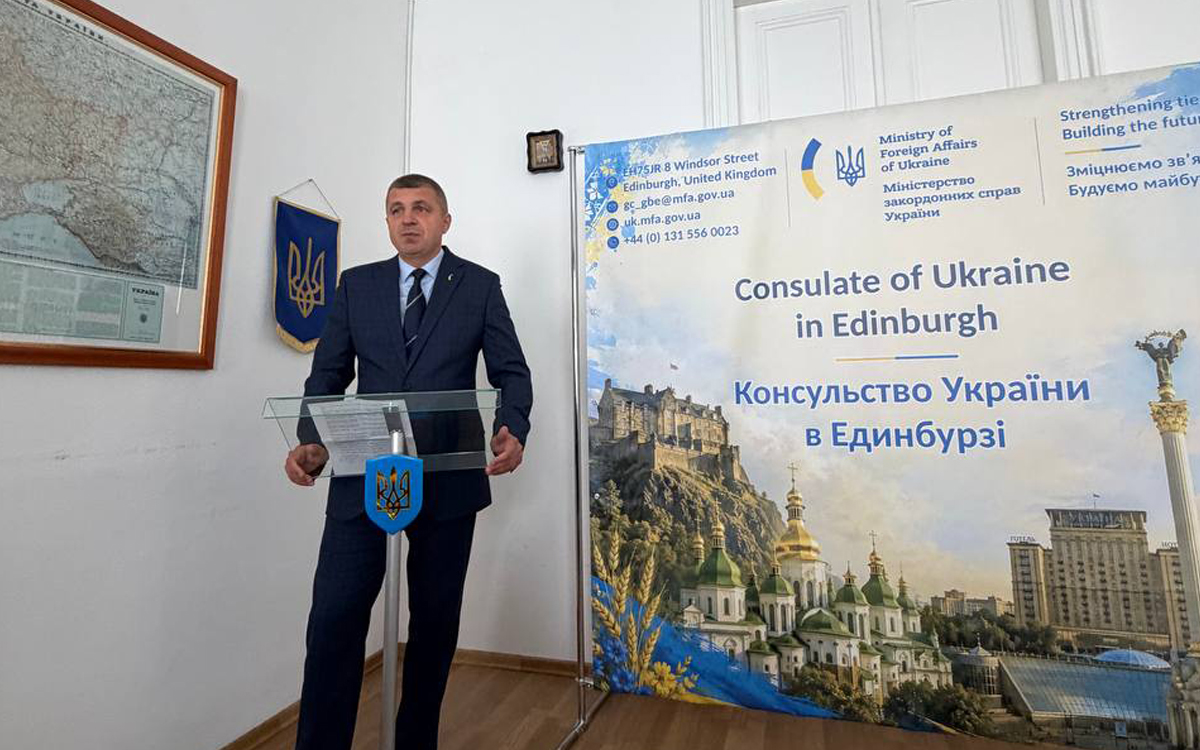
In Edinburgh expressed gratitude to those who are helping Ukrainian advocates and citizens
Since the start of the full-scale invasion, Scottish legal institutions and the Ukrainian community, with the participation of the UNBA, have been helping Ukrainian advocates obtain their qualifications and Ukrainians receive legal assistance. The parties are now planning joint professional and educational events.
Publications

Vasyl Kolishnyi, «Law and Business» Supporting mental health should become part of the professional culture of the Bar, - H. Udovenko

Volodymyr Matsko Extradition during wartime: when the risks outweigh the request

Volodymyr Matsko Extradition as a systemic form of rights violations

Victoria Yakusha, Law and Business The anti-corruption vertical cannot «take care» of the Bar as an institution, - acting head of the HQDCB

Censor.net Protecting advocates – protecting justice: addressing concerns about the new law

Ihor Kolesnykov A BRIEF SUMMARY REGARDING THE APPLICATION OF THE ORDER ON EXTENDED CONFISCATION IN LATVIA REGARDING FINANCIAL ASSETS OF…

Valentyn Gvozdiy WORKING IN A WAR ZONE

Lydia Izovitova Formula of perfection

