The UNBA supported the revision of the procedure for issuing summonses under the CPC

The Ukrainian National Bar Association has endorsed Draft Law No. 15095 of March 20, 2026, «On amendments to the Code of Criminal Procedure regarding the improvement of procedures for summoning individuals and serving procedural documents in criminal proceedings».
The draft was reviewed by the UNBA at the request of the Verkhovna Rada Committee on law enforcement.
Advocates believe that the proposed changes are aimed at eliminating outdated procedures and should improve the process of notifying individuals in cases where personal service of a summons or procedural documents is objectively impossible.
Current criminal procedural legislation requires, in certain cases, that summonses be published in mass media with nationwide circulation. It is proposed to abandon this model, based on the fact that print media no longer ensure the actual and effective delivery of information to the individual, and the procedure itself is increasingly becoming a mere formality, resulting only in additional costs for the judicial system.
Therefore, the draft proposes amendments to Articles 135, 297-5, and 323 of the Code of Criminal Procedure.
Specifically, this involves eliminating the requirement for mandatory publication of summonses and information regarding procedural documents in national media and establishing the obligation to publish them on the official websites of the Office of the Prosecutor General and the courts in a format that allows users to search for information by the individual’s last name, criminal case number, and court case number.
The authors of the legislative initiative emphasize that this issue is particularly relevant in proceedings involving individuals who have left or are located in temporarily occupied territory or on the territory of the aggressor state, as well as within the scope of special pre-trial investigations and special judicial proceedings. In such cases, a properly organized publication on official resources with the ability to quickly search and verify data — both for the individuals themselves and for their defense counsel — is more functional.
With this in mind, the UNBA supported Bill No. 15095 and considers it worthy of adoption in the first reading.
Popular news
Legal defence of military personnel
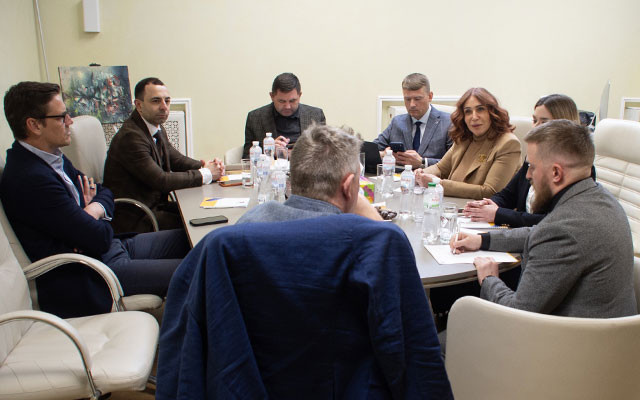
The model for legal assistance to veterans was discussed at the UNBA
A working meeting was held at the Ukrainian National Bar Association, during which representatives of the advocacy profession, the Ministry of Veterans Affairs of Ukraine and a foreign expert discussed approaches to providing legal aid to veterans, the role of the advocacy profession in this system, and the experience of other countries.
Guarantees of the practice of law
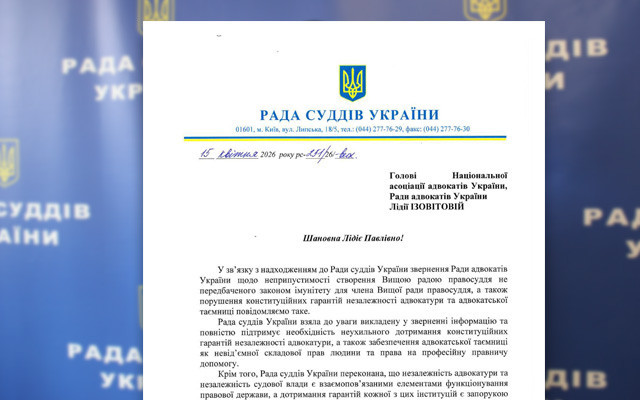
The CJU has endorsed guarantees of the legal profession’s independence and has proposed a meeting with the BCU
The Council of Judges of Ukraine has responded to a letter from the Bar Council of Ukraine regarding the inadmissibility of the High Council of Justice granting immunity to a member of the High Council of Justice — a privilege not provided for by law — as well as regarding violations of constitutional guarantees of the independence of the legal profession and attorney-client privilege.

Interaction
The UNBA and the Ministry of Veterans are expanding their cooperation
War veterans, their family members, as well as the family members of fallen Defenders of Ukraine are to receive improved access to professional legal assistance and additional opportunities for independent legal protection.

Legislation
Advocates have warned that the draft Labor Code would curtail workers' protections
Certain provisions of the draft Labor Code of Ukraine regarding collective labor disputes undermine labor protections and do not comply with constitutional and international standards.
Legal defence of military personnel
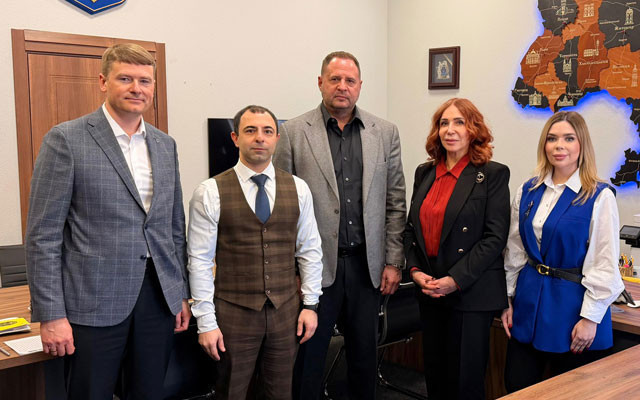
Representatives from the Ministry of Veterans Affairs and the UNBA discussed veterans' access to justice
On April 3, a working meeting was held at the Ministry of Veterans Affairs of Ukraine with representatives of the Ukrainian National Bar Association, dedicated to improving the effectiveness of legal protection for war veterans and their families.
Educational events
The right of minors to marry: how judicial oversight works
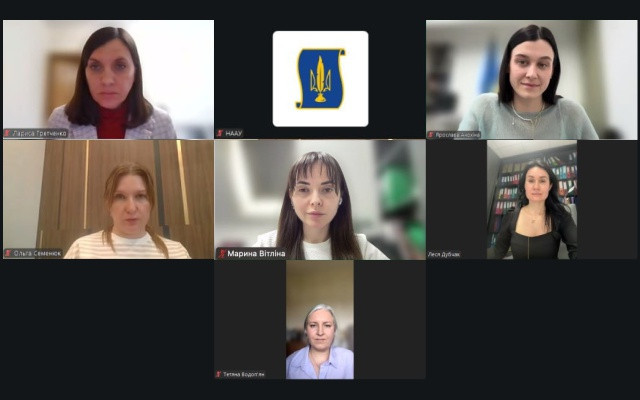
The issue of granting minors the right to marry lies at the intersection of family law, child protection, and judicial discretion. The UNBA Committee on family law dedicated a webinar held on March 30 to this very topic.
Interaction
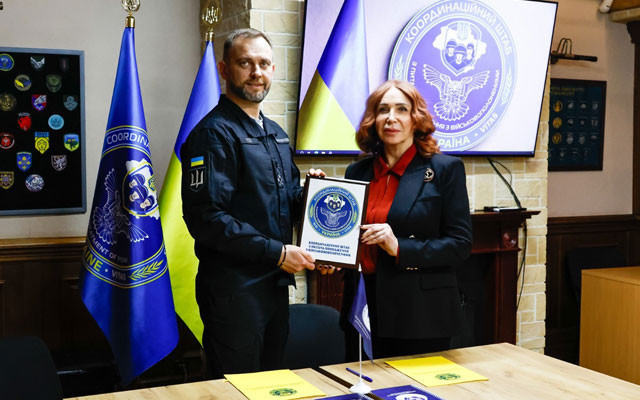
The UNBA and the Coordination headquarters have agreed to cooperate in assisting those released from captivity
Servicemen released from captivity, family members of prisoners of war, civilians deprived of their personal liberty as a result of armed aggression, as well as persons missing in connection with the war, will gain additional opportunities to access legal assistance and protect their rights.
Self-government
BCU: The HCJ’s decisions undermine the constitutional guarantees of the independence of the advocacy profession
The Bar Council of Ukraine has concluded that, in its recent decisions, the High Council of Justice has, without legal grounds, called into question the right of bar self-governing bodies to protect the guarantees of legal practice and has, in effect, attempted to grant one of its members — who retains the status of an advocate — special immunity from the Rules of professional conduct and disciplinary responsibility.
Publications

Volodymyr Matsko Extradition during wartime: when the risks outweigh the request

Volodymyr Matsko Extradition as a systemic form of rights violations

Victoria Yakusha, Law and Business The anti-corruption vertical cannot «take care» of the Bar as an institution, - acting head of the HQDCB

Censor.net Protecting advocates – protecting justice: addressing concerns about the new law

Ihor Kolesnykov A BRIEF SUMMARY REGARDING THE APPLICATION OF THE ORDER ON EXTENDED CONFISCATION IN LATVIA REGARDING FINANCIAL ASSETS OF…

Valentyn Gvozdiy WORKING IN A WAR ZONE

Lydia Izovitova Formula of perfection

Sergiy Vylkov Our judicial system is so built that courts do not trust advocates