

The UNBA is developing a model for reforming the legal profession
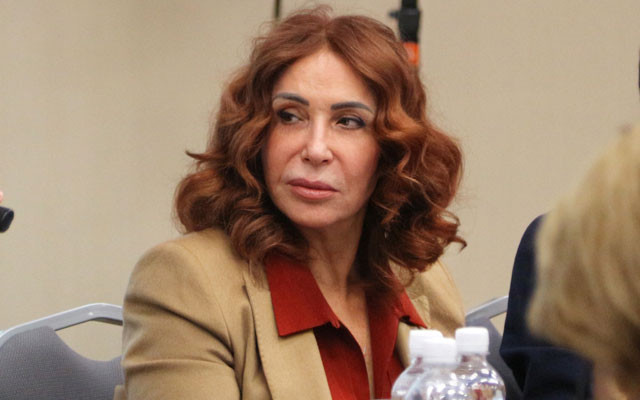
The reform of the advocacy profession is part of the negotiation process regarding Ukraine’s accession to the European Union, and the Rule of Law Roadmap explicitly identifies the Ukrainian National Bar Association as one of the key stakeholders in the process.
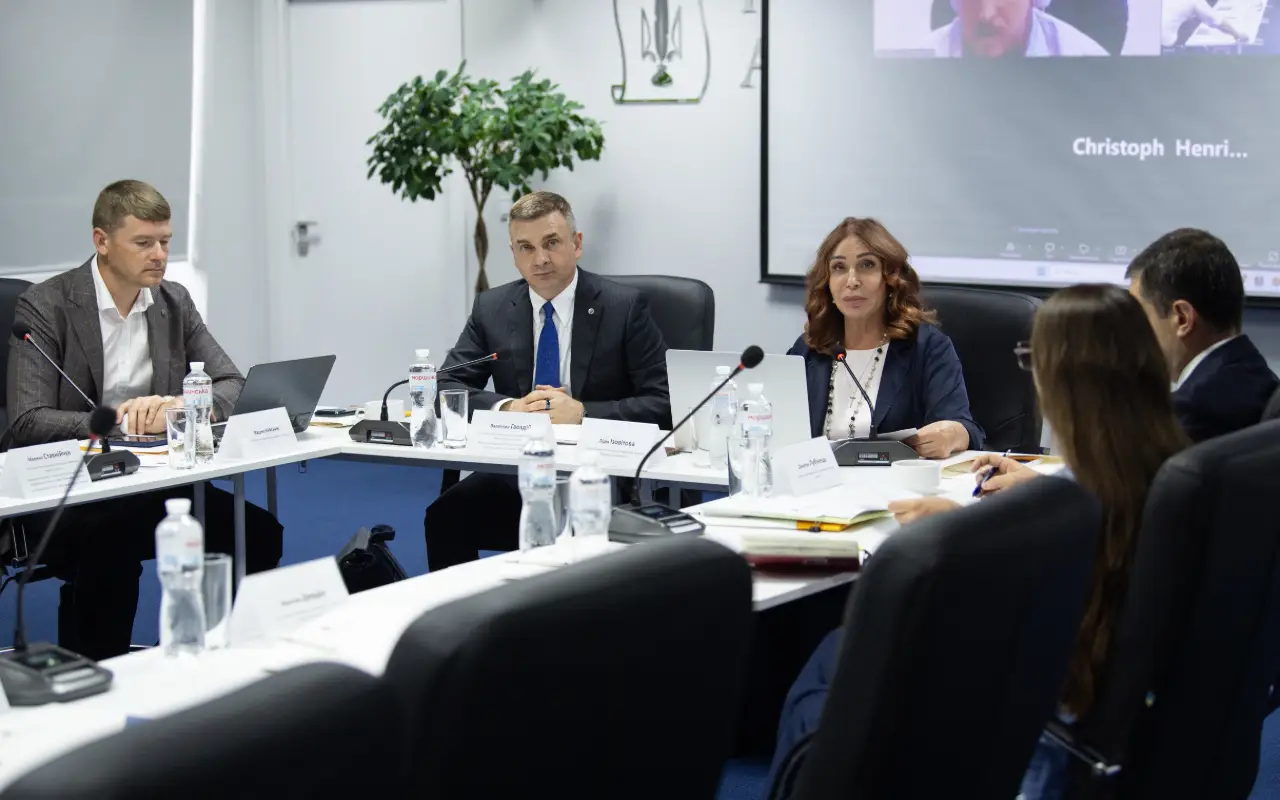
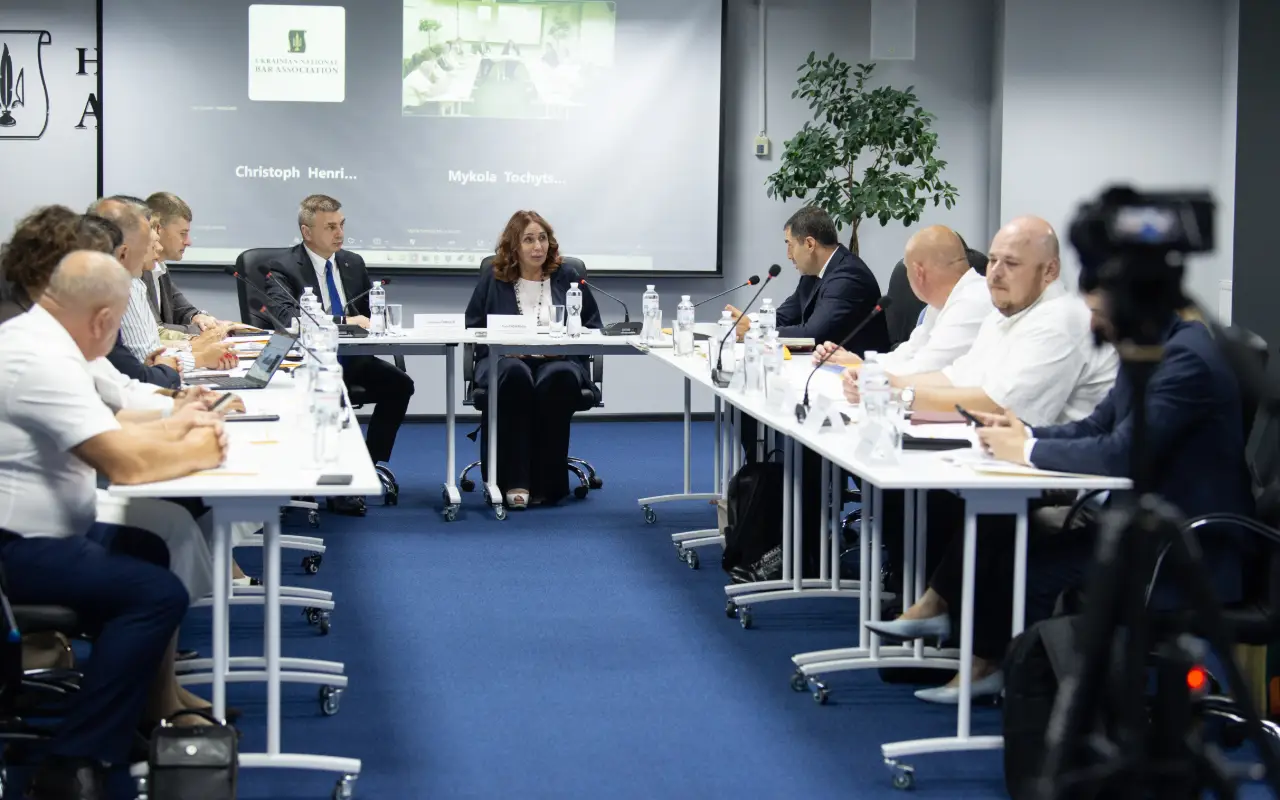
This was emphasized on May 1 by Lidiya Izovitova, President of the UNBA, BCU, during a meeting of the Bar Council of Ukraine, as she reported on the work of the UNBA’s working group on reforming bar legislation in accordance with the Roadmap.
She noted that on March 9, Ukraine signed the Council of Europe Convention for the Protection of the Profession of Lawyer, which provides for timely and effective consultation with professional associations regarding changes in legislation, procedural, and administrative rules that directly affect the professional activities of advocates and the regulation of the profession.
In accordance with the Roadmap, the BCU approved an implementation program across nine areas, and the first meeting of the working group took place on January 2. L. Izovitova explained that the work is being conducted according to a four-tier model: plenary sessions, a coordinating bureau, eight thematic subgroups, and an international advisory group tasked with providing expert input on the developed solutions.
Among the areas already addressed, the President of the UNBA, BCU cited access to the profession. Specifically, this involves a separate stage of digital professional testing, a single national testing center under the UNBA, an electronic candidate’s account, mandatory video and audio recording, as well as a legislative catalog of grounds for appeal.
In the area of continuing professional development, the working group is developing a legal framework to enshrine the relevant obligation in law, the institutional status of the Higher School of Advocacy, and the delegation of specific regulatory authority to the Bar Council of Ukraine.
Separately, the President of the UNBA, BCU focused on disciplinary procedures. According to her, the working group is developing a system for forming disciplinary bodies proportional to the number of advocates in the region. It is also proposed to stipulate that decisions of the disciplinary chambers of the Qualification and Disciplinary Bar Commission take effect after the expiration of a 30-day period for appeal to the Higher Qualification and Disciplinary Bar Commission and in the event of an appeal, after the HQDBC renders its decision. Current regulations create a situation where an advocate is effectively subject to a disciplinary decision even before its legality has been reviewed.
Regarding bar self-governing bodies, the working group’s approach is to first define the functions of each body and then establish the structural framework. It also involves the functional separation of representative, qualification-disciplinary, and audit bodies, as well as the introduction of the institution of regular and alternate members of elected bodies to ensure the continuity of their work, particularly in wartime.
Among other areas, she mentioned the annual publication of financial reports, the protection of the URAU, and liability for its unauthorized use.
In conclusion, the president of the UNBA, BCU noted that the bar association is working on a systemic solution rather than isolated proposals. The fundamental positions in this regard remain the preservation of the profession’s independence, no compromises regarding the institutional status of the bar, and the prevention of external integrity checks and state oversight of self-governance.
Popular news

Legislation
The Verkhovna Rada is preparing a bill to implement the Convention on the Protection of the Professions of Lawyer
Members of Parliament plan to introduce a bill in the near future to implement the main provisions of the Council of Europe Convention on the Protection of the Professions of Lawyer. This parliamentary initiative may also prompt the government to expedite the preparation of the ratification package.
Legislation
The path to ratification of the Convention must not end in yet another delay — L. Izovitova
Ukraine’s preparations for the ratification of the Council of Europe Convention on the Protection of the Professions of Lawyer have already passed key stages. Now, government institutions must submit the matter to the Verkhovna Rada for consideration. In doing so, Ukraine may complete the ratification process faster than EU member states.
Guarantees of the practice of law
Ukraine could be the first to implement a European mechanism for the protection of advocates. What’s holding it back?
Ukraine has a chance to be the first country to ratify the Council of Europe Convention on the Protection of the Professions of Lawyer. Political support for this exists, but the government’s legislative package has not yet been submitted to parliament. Meanwhile, the number of violations of advocates’ rights is on the rise.
Educational events
How can an advocate verify that work has been completed if the client refuses to sign the report?
When billing by the hour, the primary document for determining the fee may be a detailed report on the time spent by the advocate and the work performed. To prevent the client from withholding payment, the contract should specify in advance the procedure for submitting and approving such a report.
Self-government
The BCU took note of the public appeal from the HCJ
The Bar Council of Ukraine has determined that, given the current security situation, it is objectively impossible to hold, in accordance with the procedure established by the Law «On the advocacy and the practice of law», meetings of advocates, regional conferences of advocates and the Congress of Ukrainian Advocates, including for the purpose of electing two members of the High Council of Justice under the quota allocated to the Congress of Ukrainian Advocates.
War
The BCU has launched a digital project «Wall of Remembrance and Honor»
The Bar Council of Ukraine has adopted a resolution to launch the digital project «Wall of Remembrance and Honor». To this end, the UNBA is beginning to collect information on advocates and paralegals who lost their lives as a result of the Russian Federation’s armed aggression against Ukraine.
Legal defence of military personnel
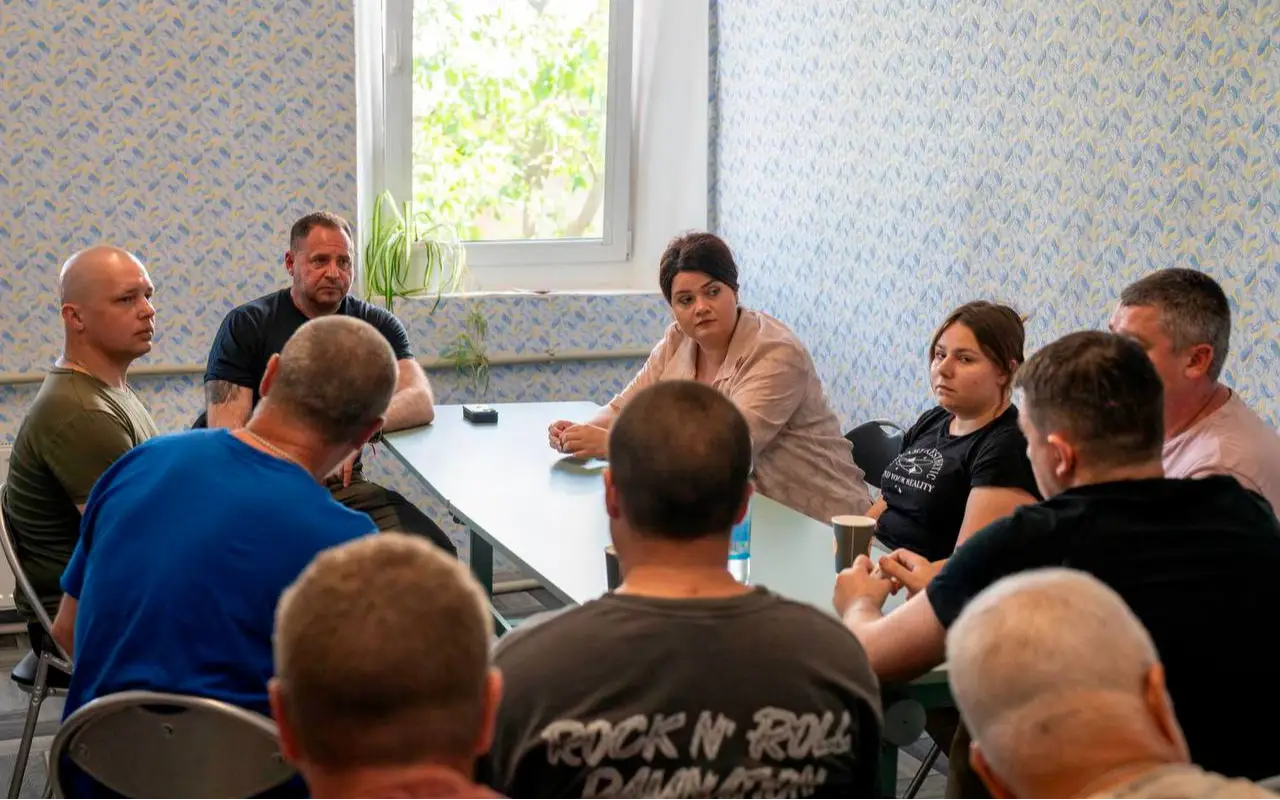
«Advocate+» has expanded its operations to 18 military units
The «Advocate+» project of the Ukrainian National Bar Association, which assigns advocates to military units, has expanded its operations to 18 units. Specialists have already been assigned to the new participants and are set to begin consultations next week.
Edition
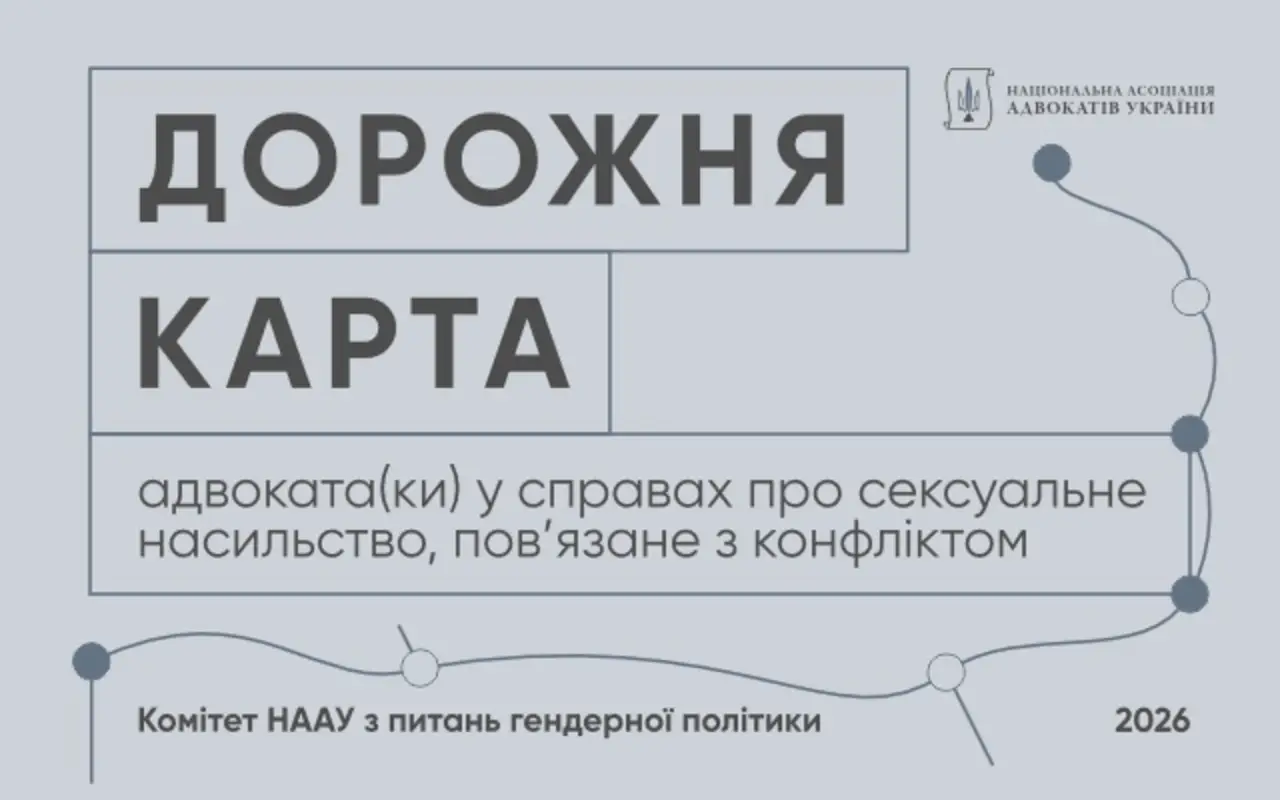
A roadmap for the CRSV cases has been prepared for the advocates
The UNBA Committee on gender policy has prepared a Roadmap for cases of Conflict-Related Sexual Violence.
Publications

Vasyl Kolishnyi, «Law and Business» Supporting mental health should become part of the professional culture of advocacy, - H. Udovenko

Volodymyr Matsko Extradition during wartime: when the risks outweigh the request

Volodymyr Matsko Extradition as a systemic form of rights violations

Victoria Yakusha, Law and Business The anti-corruption vertical cannot «take care» of the Bar as an institution, - acting head of the HQDCB

Censor.net Protecting advocates – protecting justice: addressing concerns about the new law

Ihor Kolesnykov A BRIEF SUMMARY REGARDING THE APPLICATION OF THE ORDER ON EXTENDED CONFISCATION IN LATVIA REGARDING FINANCIAL ASSETS OF…

Valentyn Gvozdiy WORKING IN A WAR ZONE

Lydia Izovitova Formula of perfection