






The Verkhovna Rada discussed the next steps for ratifying the Convention on the Protection of the Professions of Lawyer
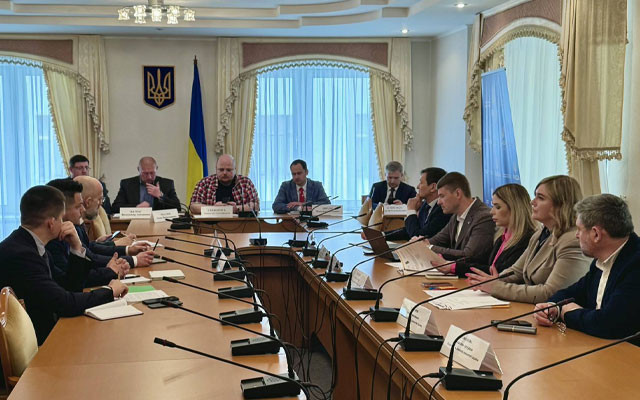


The Verkhovna Rada Committee on legal policy held a working meeting to prepare for the ratification of the Convention for the Protection of the Profession of Lawyer. The meeting was attended by members of parliament, representatives of the Office of the President, the Ministry of Justice, the Ministry of Foreign Affairs and the Ukrainian National Bar Association.
The meeting took place on May 13 — exactly one year after the international treaty was opened for signature in Luxembourg. As a reminder, Ukraine signed the document on March 9 of this year and became the 28th signatory state to the Convention.
Opening the meeting, the chairman of the Subcommittee on the organization and activities of the advocacy Volodymyr Vatras noted that the signing of the Convention was the result of joint efforts by the Ministry of Foreign Affairs, the Ministry of Justice, members of the Verkhovna Rada Committee on legal policy and the UNBA, whose representative (Vice President Valentyn Gvozdiy) was directly involved in drafting the Convention.
According to the MP, the next task is to launch the ratification process and determine the sequence of further actions. V. Vatras noted that delaying ratification could affect Ukraine’s ability to participate in the formation of the Expert Group on the Protection of the advocate profession — a body that, in accordance with the Convention, will monitor compliance with its provisions.
Vice President of the UNBA, BCU Oleksiy Kukhar provided an update on the current status of ratification processes in Europe. He reported that, according to the Council of Bars and Law Societies of Europe, 29 states have signed the Convention, but none of the signatory states has yet submitted a bill for its ratification to their respective parliaments. The representative of the Bar Association explained that this is due to standard procedural deadlines for preparation, and for EU member states — also to the need for the EU Council to adopt a decision on signing and approving the Convention on behalf of the Union. Separately, the representative of the UNBA noted that the Convention will enter into force three months after the deposit of eight instruments of ratification, at least six of which must be from Council of Europe member states. Therefore, it is premature to predict a specific date for its entry into force.
Chairman of the Subcommittee on political reform and constitutional law Maksym Dyrdin emphasized that Ukraine must move toward ratifying the Convention as early as 2026. He also expressed the view that ratification should not be linked to the broader work on the draft law on advocacy, since, in his opinion, these are two distinct areas: the Convention is primarily aimed at protecting the profession of advocate.
Director of the Directorate for legal policy at the Office of the President Viktor Dubovyk noted that steps by the Ministry of Foreign Affairs and the Ministry of Justice are required for the further ratification process. He announced the Office of the President’s readiness to participate in further work on the issue.
Deputy Minister of Justice Lyudmyla Kravchenko reported that a working group has been established within the Ministry of Justice and that the Ministry is ready to work on the provisions that require implementation into Ukrainian law. She also noted that, under national law, the Convention must be submitted for ratification simultaneously with the implementing law.
State Secretary of the Ministry of Foreign Affairs Oleksandr Karasevych reported that after the Convention was signed, the Ministry prepared an official translation and forwarded it to the Ministry of Justice for further work. According to him, the Ministry of Foreign Affairs is ready to join the next stage, when a package of documents for ratification is prepared.
During the discussion, the issue of translating the key term «lawyer», as used in the Convention, was also raised. The meeting participants agreed that in the Ukrainian legal context, the term refers specifically to an «advocate» (advokat), rather than the broader concepts of «lawyer» or «legal professional». At the same time, the issue of extending the Convention’s guarantees to individuals representing Ukraine, its citizens, or other persons in international courts and other international institutions was discussed separately.
The Head of the UNBA Secretariat Vadym Krasnyk noted that the advocacy association has already submitted its proposals for legislative amendments and that advocates are interested in further working on them within a separate expedited process. He also pointed out that the processes of ratification and the entry into force of implementing regulations could be coordinated before the drafts are submitted to parliament.
During the meeting, members of parliament emphasized the need to act promptly. In particular, Mykola Stefanchuk noted that there are only a limited number of plenary sessions remaining until the end of the year, so participants in the process need to determine an effective strategy for preparing the ratification and implementation packages as quickly as possible. He also proposed using the possibility of a parliamentary legislative initiative to expedite the process if necessary.
Following the discussion, participants agreed to resume work in early June. The tentative date for the next meeting is June 9. By that time, the Ministry of Justice is to submit its proposals regarding possible amendments to the legislation.
Popular news

Legislation
Proceedings against military personnel following AWOL require clear deadlines — UNBA
A soldier’s return to duty after AWOL does not necessarily mean the end of criminal proceedings. To ensure that the case does not remain at the pretrial investigation stage, a clear procedure for the investigator and prosecutor is required.

Legislation
The UNBA warned of the risk of customs barriers for Ukrainian paper and furniture
Ukraine’s anti-deforestation rules are intended to preserve export access to the EU market. However, without paper and furniture on the list of goods, without effective sanctions, and with enforcement beginning only in 2030, these rules could hinder that goal.
Guarantees of the practice of law
Guarantees for advocacy without protective measures: proposed changes to the codes
The current law sets forth the rights and guarantees of the legal profession, but lacks the tools to protect them. The future law on advocacy is intended to fill this gap through amendments to criminal, administrative and procedural legislation.
Legislation
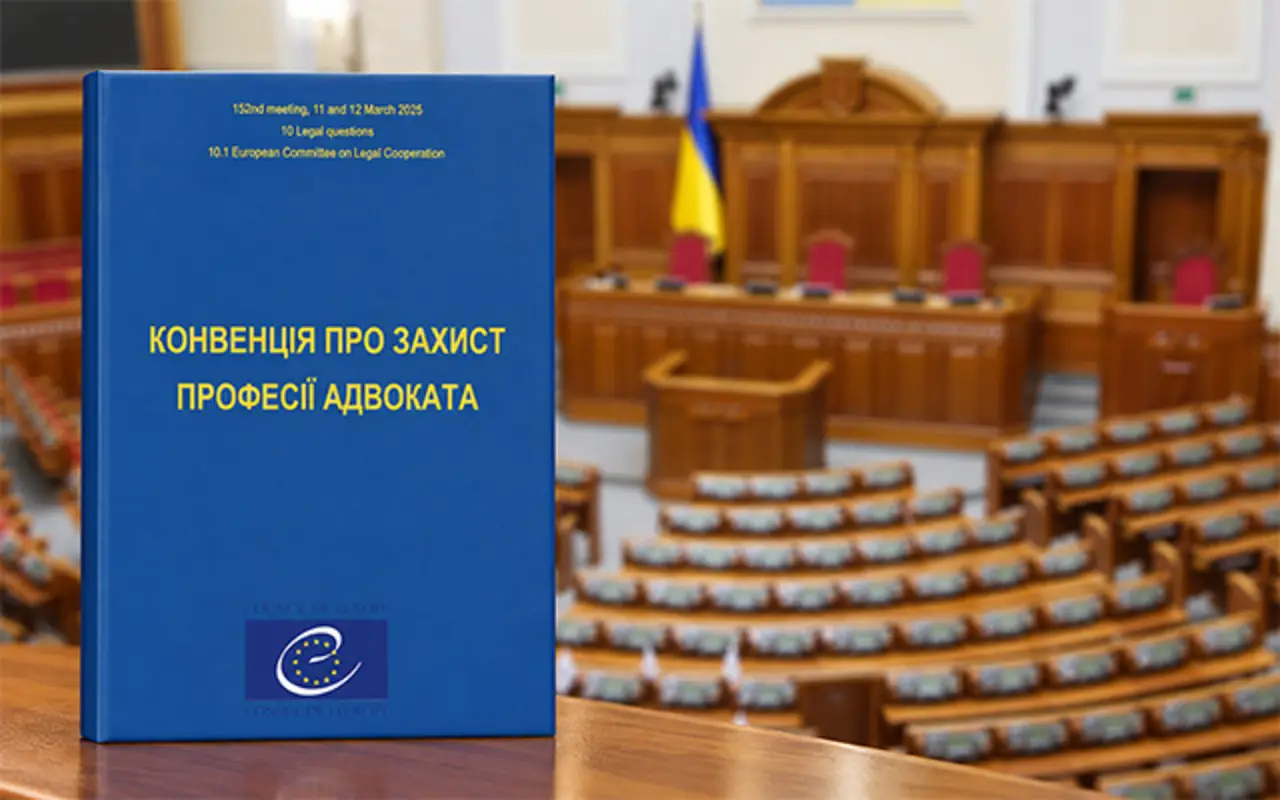
A bill implementing the Convention on the Protection of the Professions of Lawyer has been introduced
The constitutional guarantees of legal aid, defense, and the independence of advocacy cannot be realized without protecting advocates from unwarranted interference in their professional activities, including searches, the seizure of professional materials and the use of criminal procedural mechanisms to exert pressure.
Discussion
War-related business losses: from documenting damage to seeking sources of compensation
How can businesses document war-related losses without losing evidence during the recovery process? What does an insurance policy actually cover, and where can assets be found for recovery? These are the questions facing businesses for which a court ruling does not yet mean actual compensation.
Abroad
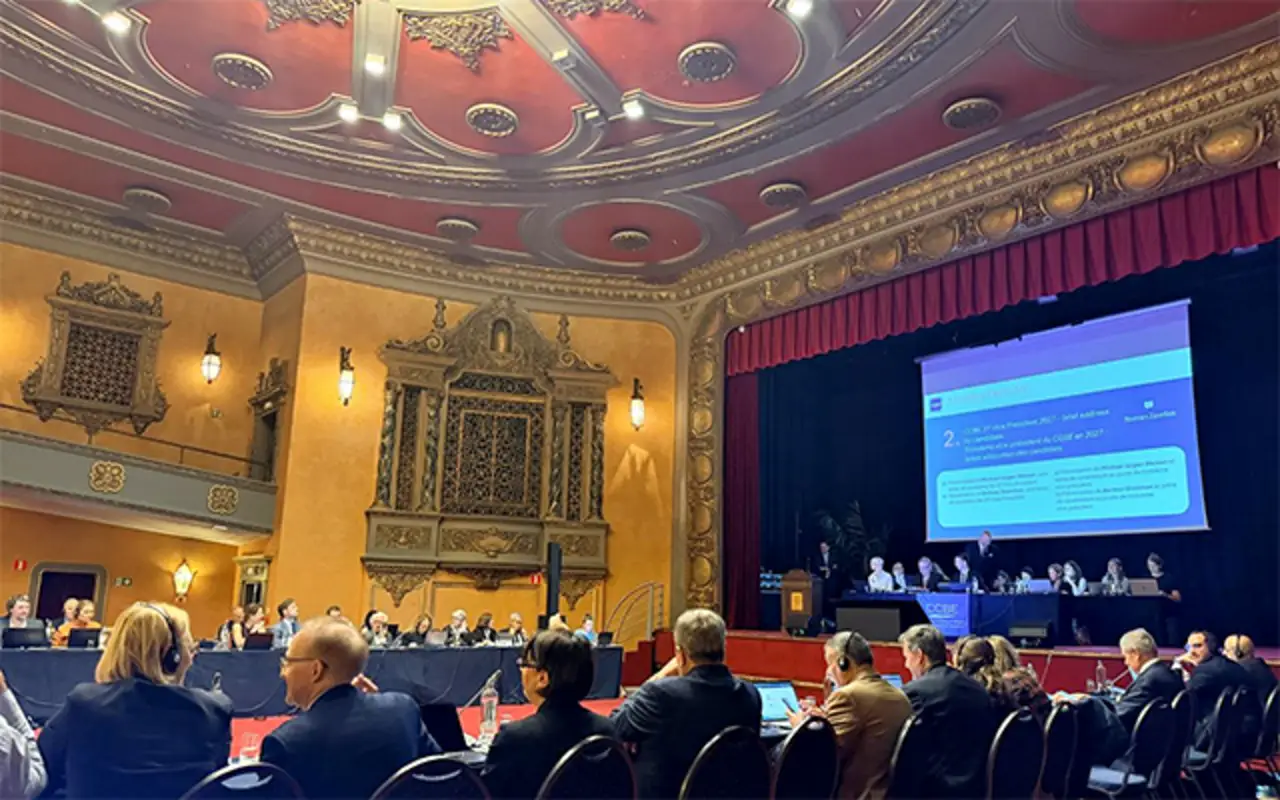
The CCBE is discussing European justice and issues related to the protection of advocates
Today, October 2, a meeting of the Standing Committee of the Council of Bars and Law Societies of Europe (CCBE) is taking place in Brussels. On the agenda are the protection of the advocate profession, the rule of law, attorney-client privilege, and changes in the European justice system.
Rule of Law Roadmap
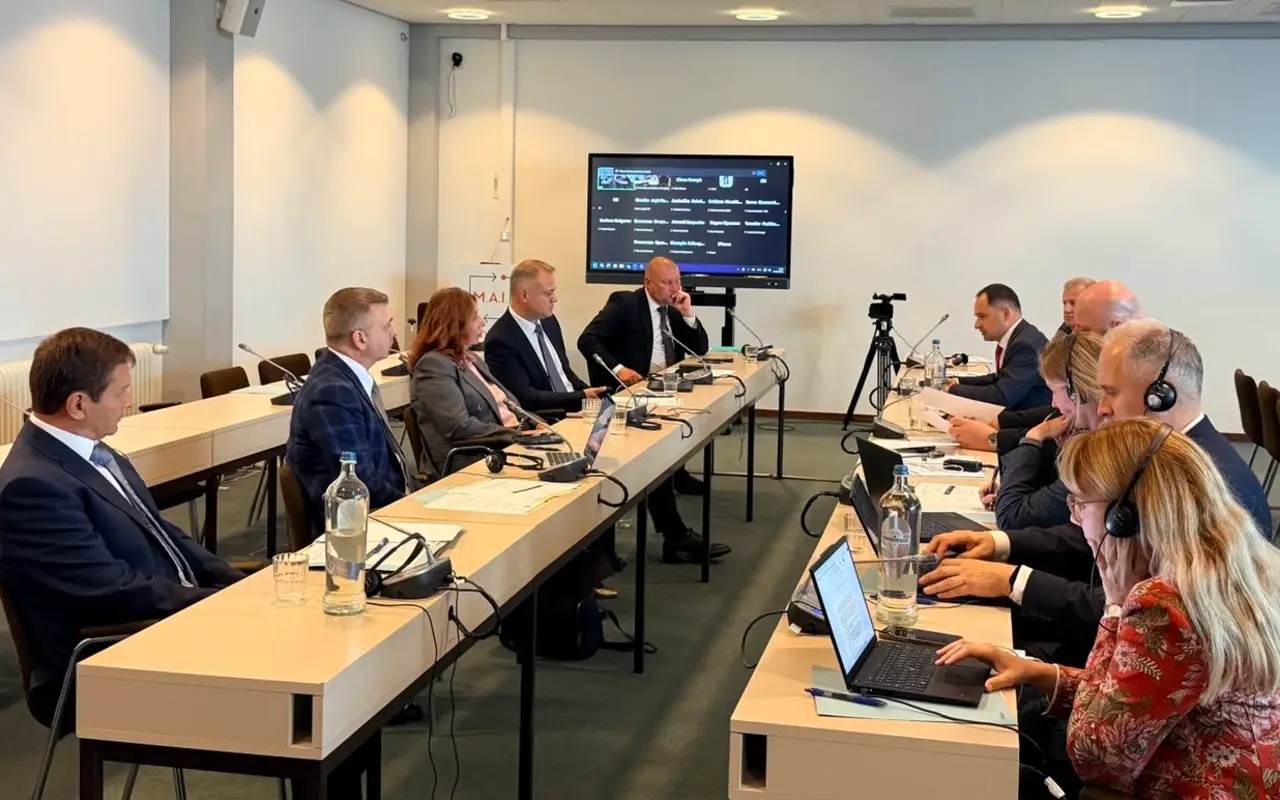
The UNBA presented the key provisions of the future law on advocacy in Brussels
The Ukrainian National Bar Association presented its proposals for the upcoming law on advocacy, aligned with the Rule of Law Roadmap. The presentation covered topics such as access to the profession, self-governance, disciplinary procedures, professional development and guarantees for the practice of advocacy.

Discussion
First the return of assets, then subsidiary liability — an opinion
In bankruptcy cases, the legal entity’s ability to preserve and restore the financial foundation of its operations requires legal protection. In this regard, the right to solvency in which the legal entity is the aggrieved party should be an independent object of legal protection.
Publications

Vasyl Kolishnyi, «Law and Business» Supporting mental health should become part of the professional culture of the Bar, - H. Udovenko

Volodymyr Matsko Extradition during wartime: when the risks outweigh the request

Volodymyr Matsko Extradition as a systemic form of rights violations

Victoria Yakusha, Law and Business The anti-corruption vertical cannot «take care» of the Bar as an institution, - acting head of the HQDCB

Censor.net Protecting advocates – protecting justice: addressing concerns about the new law

Ihor Kolesnykov A BRIEF SUMMARY REGARDING THE APPLICATION OF THE ORDER ON EXTENDED CONFISCATION IN LATVIA REGARDING FINANCIAL ASSETS OF…

Valentyn Gvozdiy WORKING IN A WAR ZONE

Lydia Izovitova Formula of perfection

