


UNBA Committees: how the expert system of advocacy self-governance works
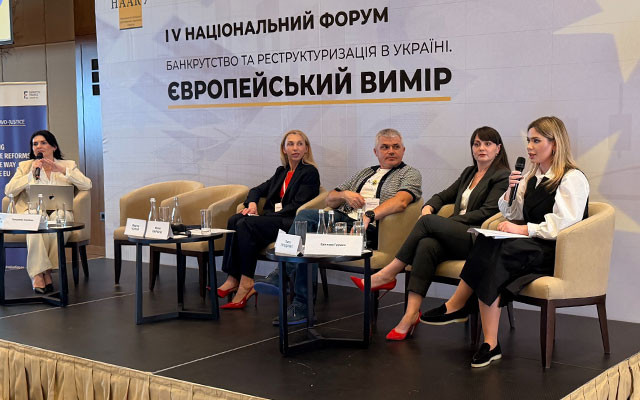
On May 22, the 4th National Forum of the National Association of Arbitration Administrators of Ukraine, titled «Bankruptcy and restructuring in Ukraine: the European dimension», was held in Kyiv. One of the topics discussed during the session on professional development and institutional capacity was the experience of the Ukrainian National Bar Association in establishing a system of specialized Committees.
It was presented by the coordinator of the UNBA Committees Svitlana Hrusko.
She reported that today the UNBA unites over 70,000 advocates. Over 14 years of development, the association has formed an extensive system of Committees. As of 2026, 58 Committees are active within the UNBA, comprising 869 specialists.
Although the law does not require the creation of Committees, the coordinator noted that the association’s practice has demonstrated their necessity. Bar self-governing bodies make strategic decisions, but expert input is required to prepare them.
«Advocacy is divided into dozens of narrow specializations. A criminal defense advocate and an international arbitration advocate are, in fact, representatives of different worlds. No bar association is capable of covering the entire spectrum of this expertise on its own, - she noted. - That is why the Committees have become the bridge that allows us to engage the best narrow-profile specialists in the development of the profession».
The association’s committees are divided into two groups. Institutional committees ensure the fulfillment of the association’s statutory tasks, particularly in the areas of the rule of law, the protection of advocates’ rights, international relations, and the youth movement. Sectoral committees work in specific areas of law, including criminal, civil, tax, and IT law.
During the presentation, statistics on the activities of the UNBA Committees for 2025 were provided. In particular, the Committees prepared 115 expert opinions on draft laws. Examples of their work included advocacy support for the law prohibiting the identification of an advocate with a client, participation in the recodification of the Civil Code, and work on a draft law regarding security guarantees for business entities.
Separately, S. Hrusko focused on the protection of professional rights. Last year, the relevant Committee reviewed 97 complaints regarding rights violations. The association also ensured the participation of its representatives in 104 investigative proceedings involving advocates.
Throughout the year, the Committees organized 108 specialized events, including roundtables, webinars, and workshops. In addition, they prepared 457 analytical publications, including digests, methodological recommendations, and commentaries on judicial practice.
As part of its international activities, the UNBA maintains communication with foreign and international institutions through the work of 38 foreign representatives. Among the institutions mentioned in the speech were the Bar Council of England and Wales, as well as relevant bodies of the Council of Europe.
S. Hrusko also spoke about how the Committees are organized. According to her, it is impossible to coordinate the activities of such a large number of Committees and experts alone, so the coordinator works through a team of assistants. Each assistant oversees a separate group of Committees and maintains constant communication with them. The Committees operate under internal regulations. At the same time, according to the speaker, a balance is maintained between the freedom to initiate the selection of topics and oversight regarding the presentation of the association’s official position to the outside world.
Work on Committees is carried out on a volunteer basis. Among the motivations for participation, S. Hrusko cited professional reputation, expert networking, the opportunity to influence the formation of legislation, and a sense of involvement in a common cause during wartime.
Addressing representatives of the NAAAU who plan to develop their own Committee system, S. Hrusko advised against starting with a large number of structures. «It took us over twelve years to reach 58 Committees. Don’t start with a large number. Create 3–5 strong Committees focused on your most pressing needs and let them build their credibility. And most importantly — start not with the structure, but with the people. Find those who are truly passionate about the idea, and build the system around them. Everything else will fall into place», - the coordinator concluded.
Popular news
Guarantees of the practice of law
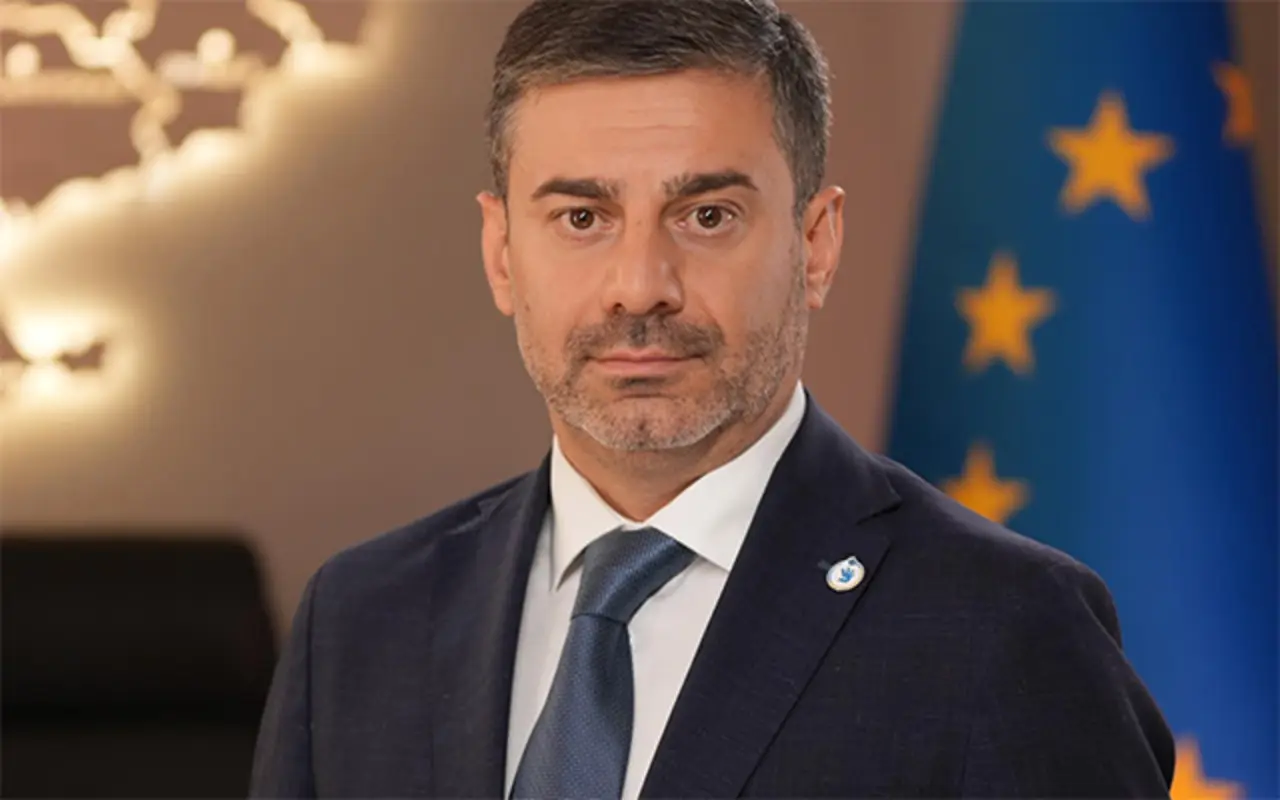
Ombudsman calls for a firm response to violence against advocates
Every instance of obstruction of an advocate’s lawful activities, use of physical force, delaying an investigation, or concealment of evidence must be subject to a proper legal assessment. The state is obligated to ensure that the right to a defense is a genuine guarantee.
Greetings
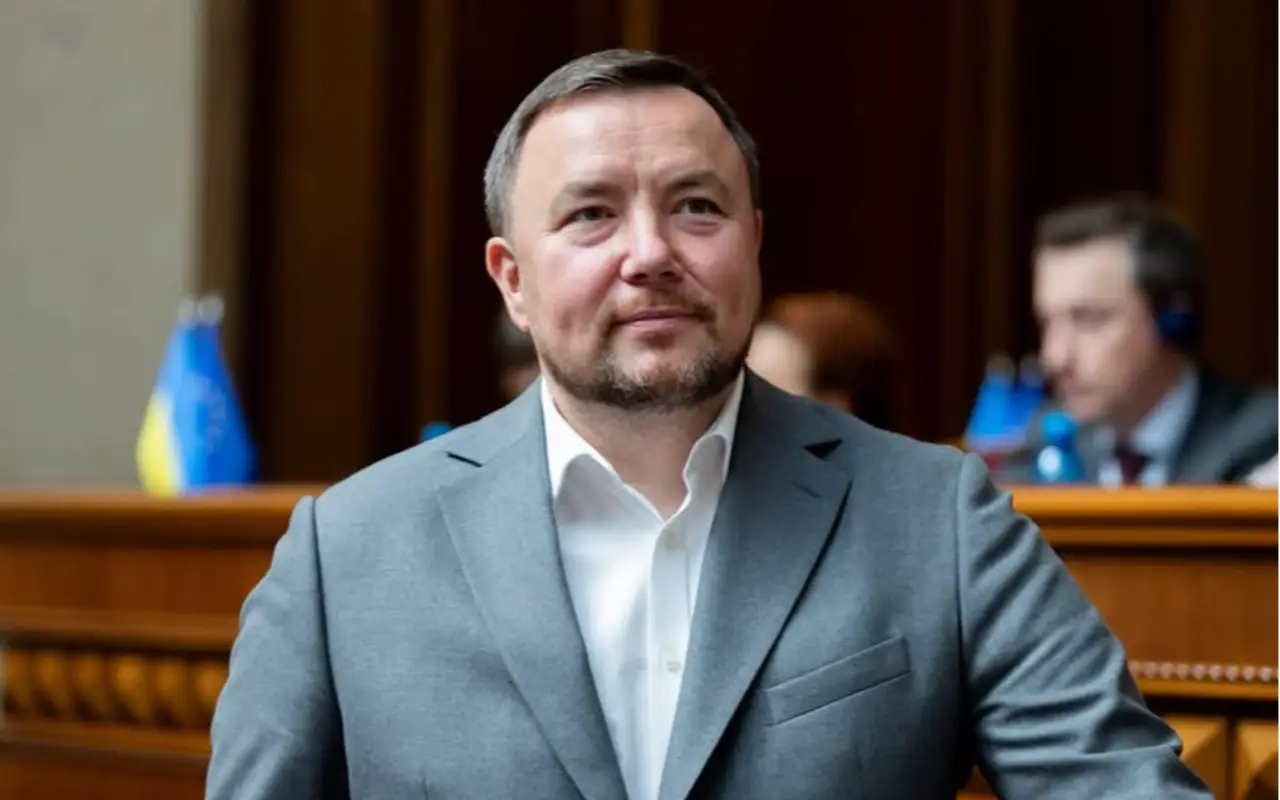
The UNBA congratulates Denis Maslov on his appointment as Minister of Justice
Denis Maslov’s many years of experience as a advocate, his work as a judge and his tenure as chairman of the Verkhovna Rada of Ukraine’s Committee on legal policy have given him a deep understanding of how the legal system functions and the challenges it faces.
Legislation
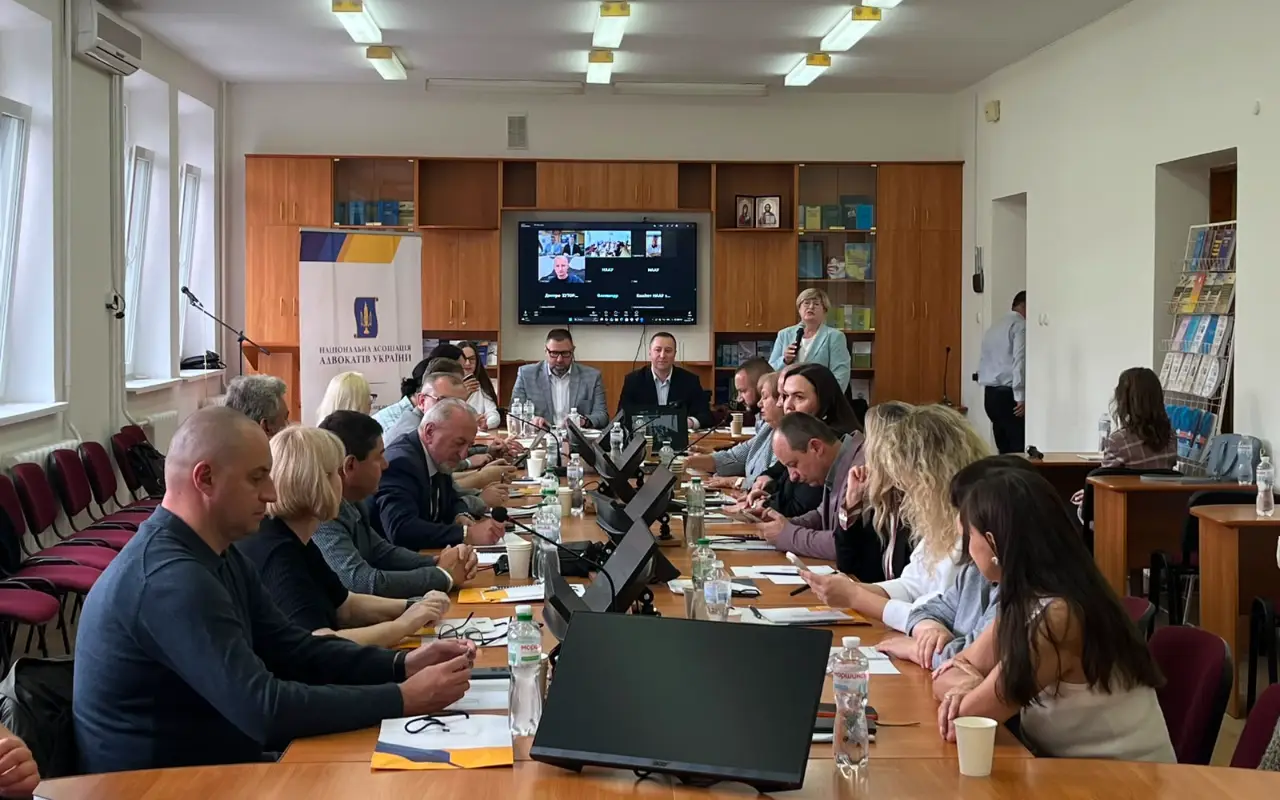
The Verkhovna Rada explained why the section on advocacy should be removed from the anti-corruption strategy
The section on advocacy and legal aid in the draft anti-corruption strategy for 2026–2030 goes beyond the scope of anti-corruption policy and is inconsistent with the constitutional guarantees of the independence of the legal profession.
Discussion
Complaints, time limits and prosecutorial powers: what gaps in the CPC do advocates see?
During the pretrial investigation stage, the effectiveness of the defense depends to a large extent on the proper implementation of procedural safeguards: the timely consideration of complaints, the advocate’s access to information regarding the progress of the proceedings and so on.
Guarantees of the practice of law
The NACP’s clarification regarding the declaration of membership in the UNBA should be clarified – BCU
An advocate’s membership in the UNBA is an element of professional status arising by virtue of law, rather than a voluntary private membership in an association. Therefore, failure to disclose it in a declaration should not automatically lead to the conclusion of unethical conduct or the concealment of a private interest.
Discussion
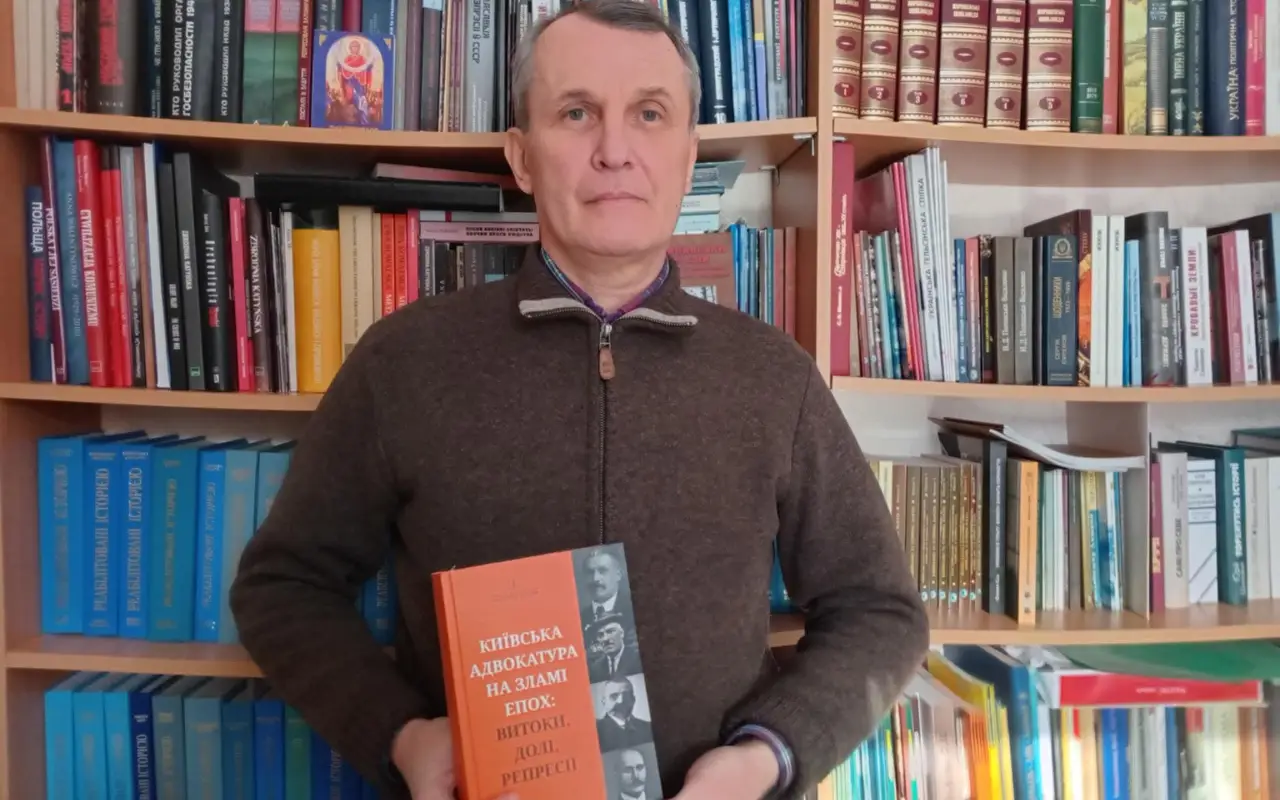
The history of Ukrainian constitutionalism was discussed during a lecture
To mark Ukraine’s Constitution Day, the Center for research on the legal profession and law of the UNBA in collaboration with the «Bykivnia Graves» National Historical and Memorial Reserve organized an online lecture on the history of the Ukrainian constitutional process.
Legislation
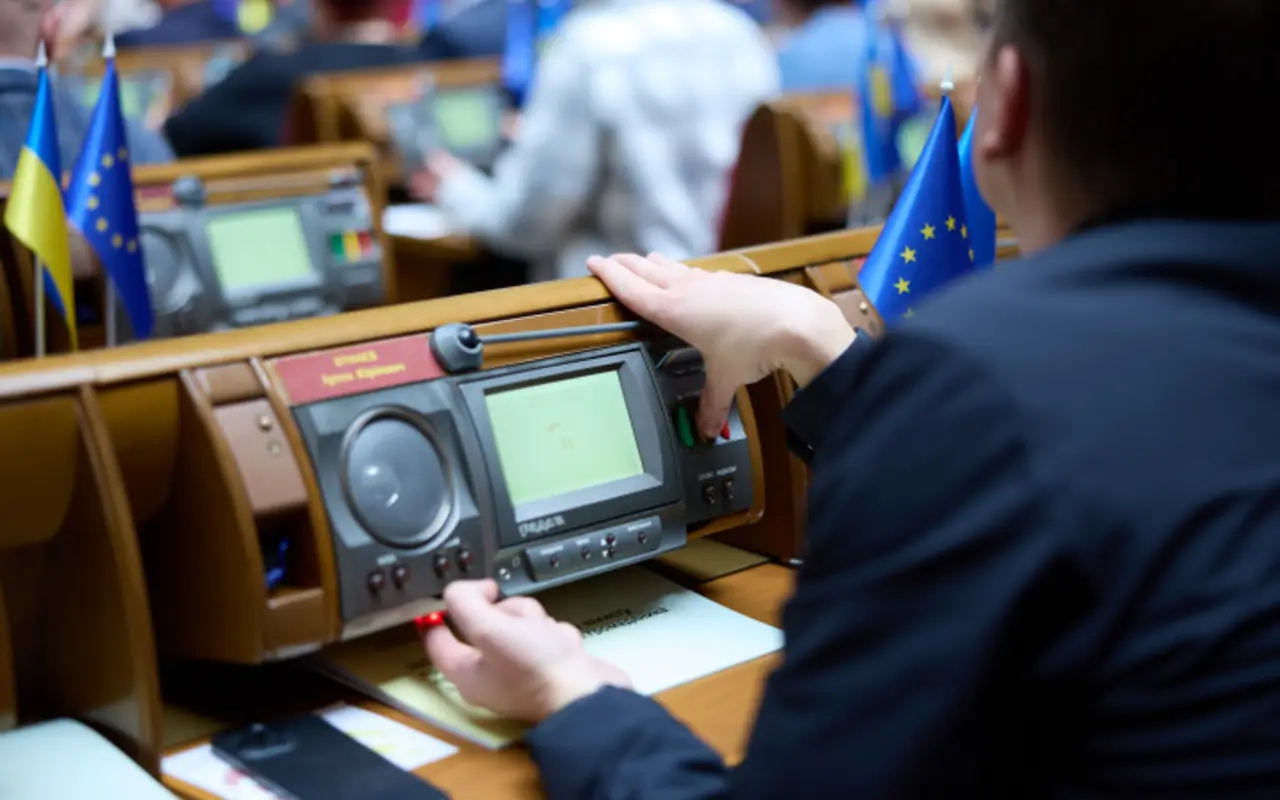
The UNBA is counting on the swift ratification of the Convention on the Protection of the Professions of Lawyer
The ratification of the Council of Europe Convention on the Protection of the Professions of Lawyer must be accompanied by targeted amendments to legislation to strengthen safeguards for advocates, but should not be used as a pretext for dismantling the self-governing model of advocacy.

Legal defence of military personnel
Advocates are expanding their legal support for the military and affected businesses
Legal assistance for military personnel should begin with simple and quick consultations, but it should not end there. Typical requests from brigades are compiled into summaries, digital services and proposals to government agencies.
Publications

Volodymyr Matsko Extradition during wartime: when the risks outweigh the request

Volodymyr Matsko Extradition as a systemic form of rights violations

Victoria Yakusha, Law and Business The anti-corruption vertical cannot «take care» of the Bar as an institution, - acting head of the HQDCB

Censor.net Protecting advocates – protecting justice: addressing concerns about the new law

Ihor Kolesnykov A BRIEF SUMMARY REGARDING THE APPLICATION OF THE ORDER ON EXTENDED CONFISCATION IN LATVIA REGARDING FINANCIAL ASSETS OF…

Valentyn Gvozdiy WORKING IN A WAR ZONE

Lydia Izovitova Formula of perfection

Sergiy Vylkov Our judicial system is so built that courts do not trust advocates