


The UNBA is developing a concept for a Center for expert research
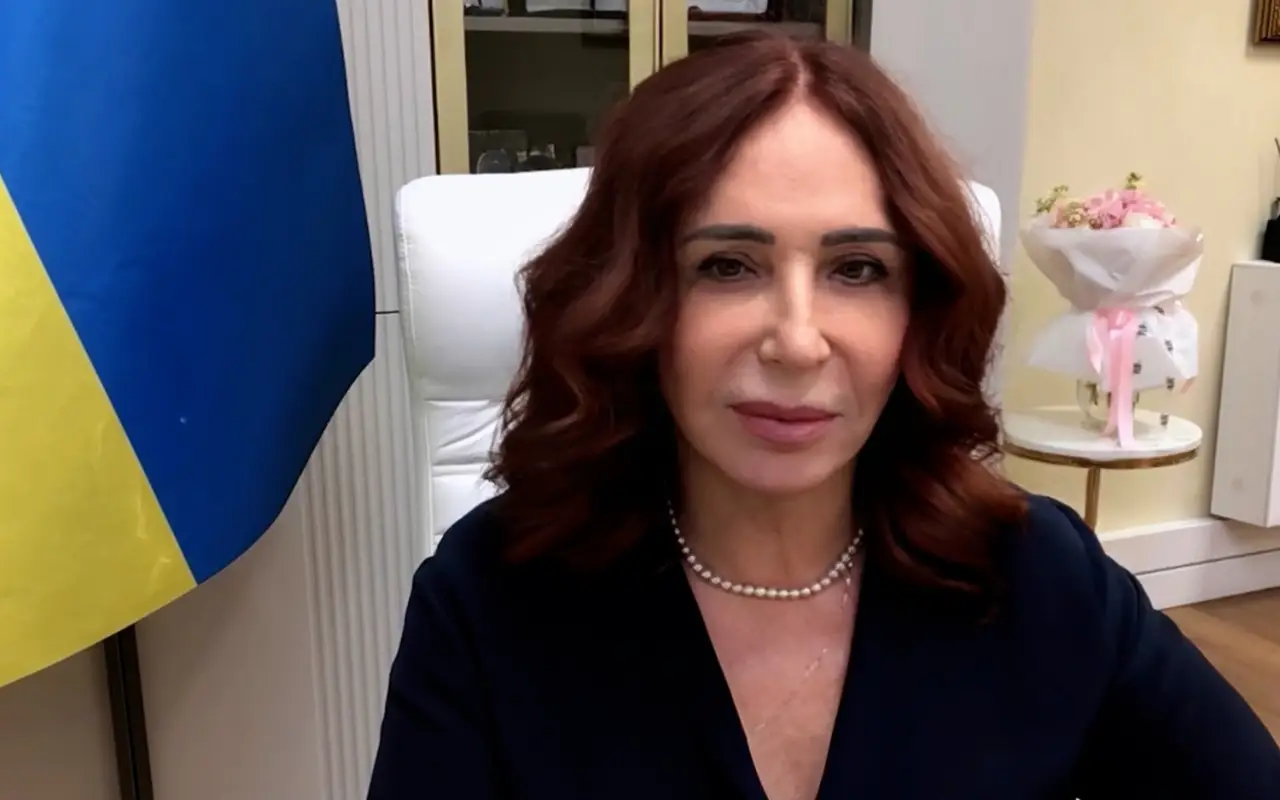
The Ukrainian National Bar Association has begun work on a concept for a Center for expert research, which is intended to provide advocates and their clients with access to specialized knowledge and the ability to have expert opinions professionally reviewed.
This was announced by the President of the UNBA, BCU Lidiya Izovitova during the All-Ukrainian Congress of Forensic Experts EXPERT’2026, which is taking place today, July 24, in Kyiv.
She explained that the UNBA has established a working group for this purpose. However, the goal of the initiative is not to create «expert opinions for advocates» or to obtain predetermined conclusions that are convenient for the defense. According to her, advocates need professional, scientifically sound, and independent results that will stand up to scrutiny in court.
According to the advocates, the Center can conduct independent research, engage specialists, perform professional peer reviews of expert opinions, provide advice on the capabilities and limitations of expert methodologies, assist in the proper formulation of questions, and work with digital evidence and the assessment of war-related damages.
This is not about competing conclusions based on the principle of «whose expert is more convincing», but rather about realizing a party’s right to verify evidence, identify methodological errors, and present an alternative, scientifically sound perspective to the court.
L. Izovitova linked the need for such institutional capabilities, in particular, to the unequal access of parties to criminal proceedings to expert examinations. Expert examinations conducted by state-run specialized institutions at the request of an investigator, inquiry officer, or prosecutor are funded from the state budget. In contrast, an expert examination commissioned by a suspect, defendant or defense attorney is paid for by the party requesting it.
She also drew attention to the departmental subordination of some state expert institutions. Current legislation classifies the expert services of the Ministry of Internal Affairs, the Ministry of Defense, the SSU, and the State Border Guard Service as state specialized institutions. The respective authorities also monitor compliance with the law by institutions under their jurisdiction.
Under this model, the expert institution operates within the same agency that houses pre-trial investigation bodies, operational units, or other structures interested in gathering evidence and substantiating a particular version of events.
In effect, a single departmental system can formulate the prosecution’s version of events, gather evidence, determine the scope of the investigation, pose questions to the expert and then use the expert opinion as evidence to support its own procedural position, - noted the President of the UNBA, BCU. Even if the expert personally possesses integrity, such a structure creates an objective risk of bias or, at the very least, reasonable doubt regarding full institutional neutrality.
Therefore, the independence of an expert institution should be determined not by its designation as «independent», but by the procedures governing its establishment, the appointment of its leadership, its funding, the selection of experts, and the application of disciplinary procedures. Also important are the absence of organizational ties to the prosecution, equal access for the parties to the institution’s resources, transparency of methodologies, and the expert’s right to disagree with the expectations of the authority that submitted the materials without risk to their own career.
L. Izovitova advocated for modern legislative regulation of the profession of forensic expert itself. Such regulation should define the expert’s status, rights, obligations, and guarantees of independence; ensure fair disciplinary procedures, equal access for the parties to expert studies, uniform professional and methodological standards, transparency of methodologies, as well as professional representation and self-governance of the expert community.
The UNBA is ready to share its experience in establishing professional self-governance, protecting professional rights, developing ethical standards, providing continuing education, and establishing independent disciplinary procedures. However, it is not proposed to mechanically apply the model of bar self-governance to forensic experts — the system must take into account the nature and specific needs of this profession.
Popular news
Greetings
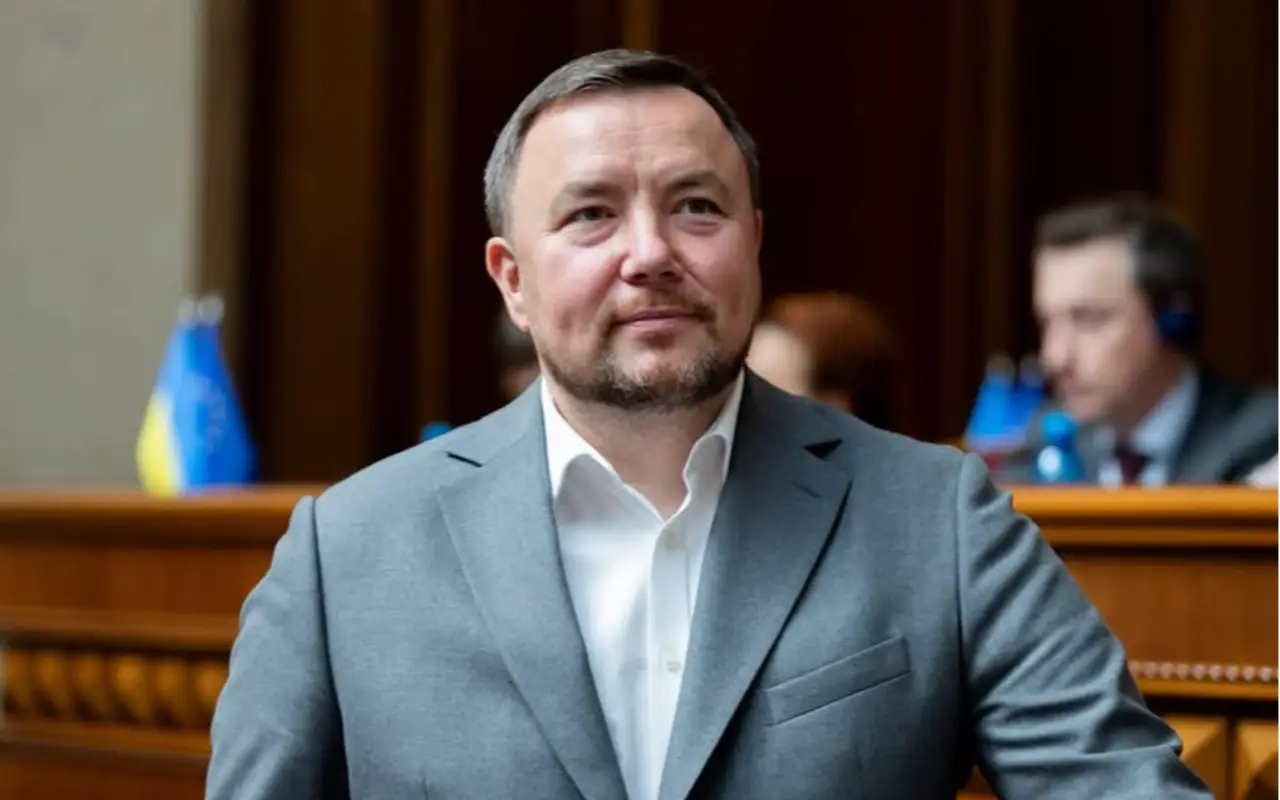
The UNBA congratulates Denis Maslov on his appointment as Minister of Justice
Denis Maslov’s many years of experience as a advocate, his work as a judge and his tenure as chairman of the Verkhovna Rada of Ukraine’s Committee on legal policy have given him a deep understanding of how the legal system functions and the challenges it faces.
Legislation
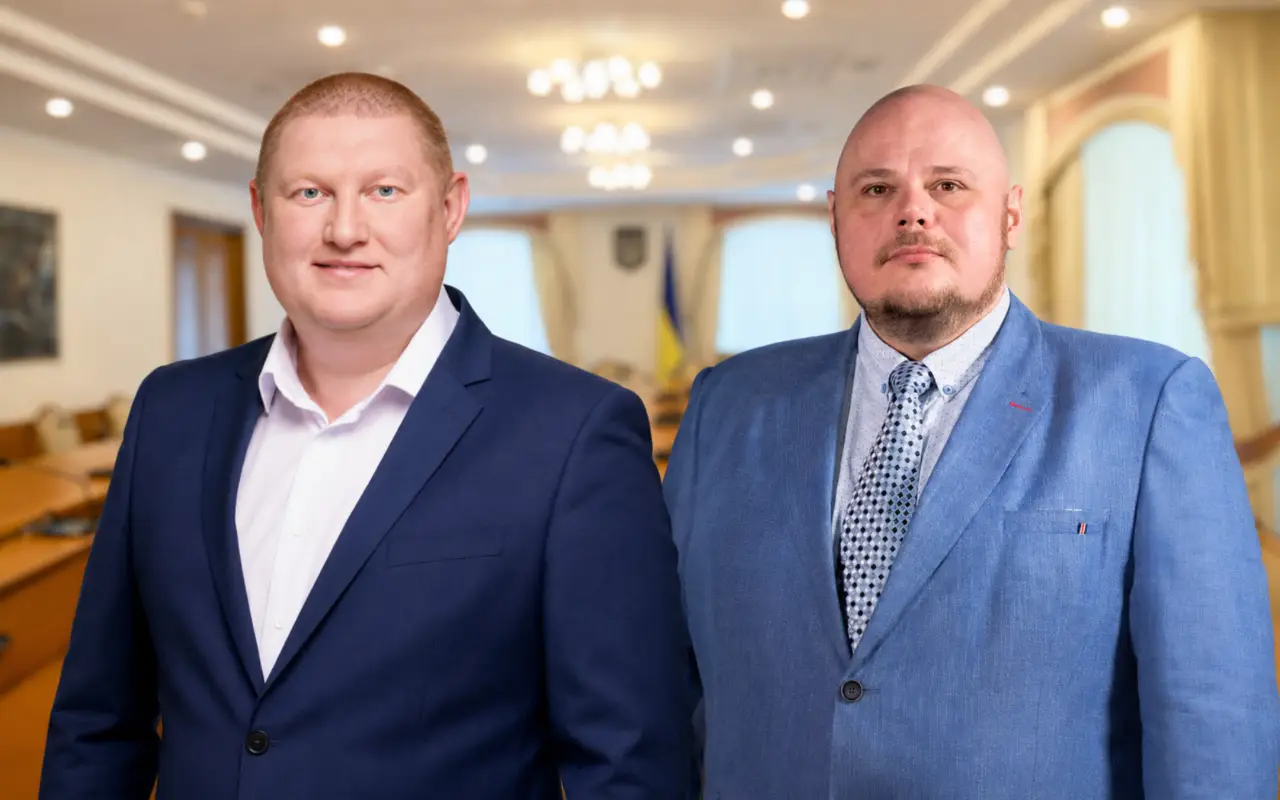
The Verkhovna Rada explained why the section on advocacy should be removed from the anti-corruption strategy
The section on advocacy and legal aid in the draft anti-corruption strategy for 2026–2030 goes beyond the scope of anti-corruption policy and is inconsistent with the constitutional guarantees of the independence of the legal profession.
Guarantees of the practice of law
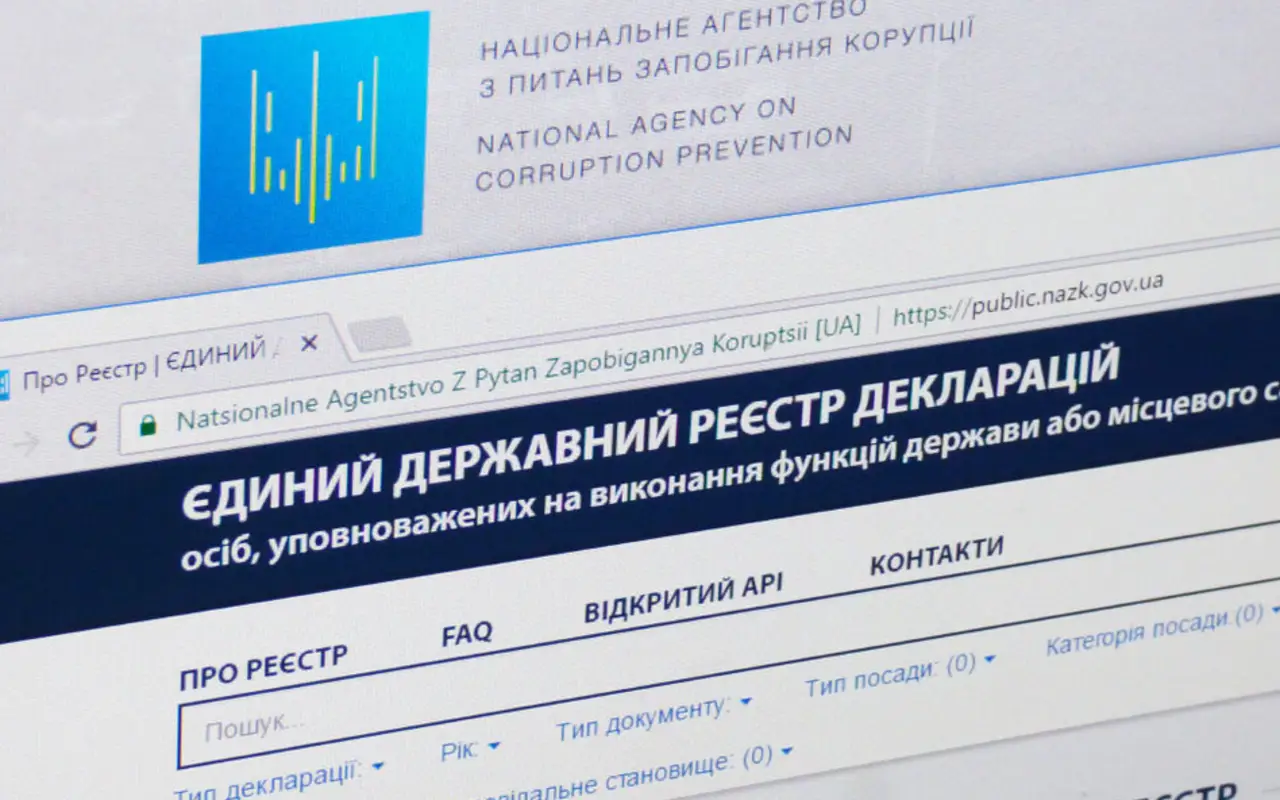
The NACP’s clarification regarding the declaration of membership in the UNBA should be clarified – BCU
An advocate’s membership in the UNBA is an element of professional status arising by virtue of law, rather than a voluntary private membership in an association. Therefore, failure to disclose it in a declaration should not automatically lead to the conclusion of unethical conduct or the concealment of a private interest.
Discussion
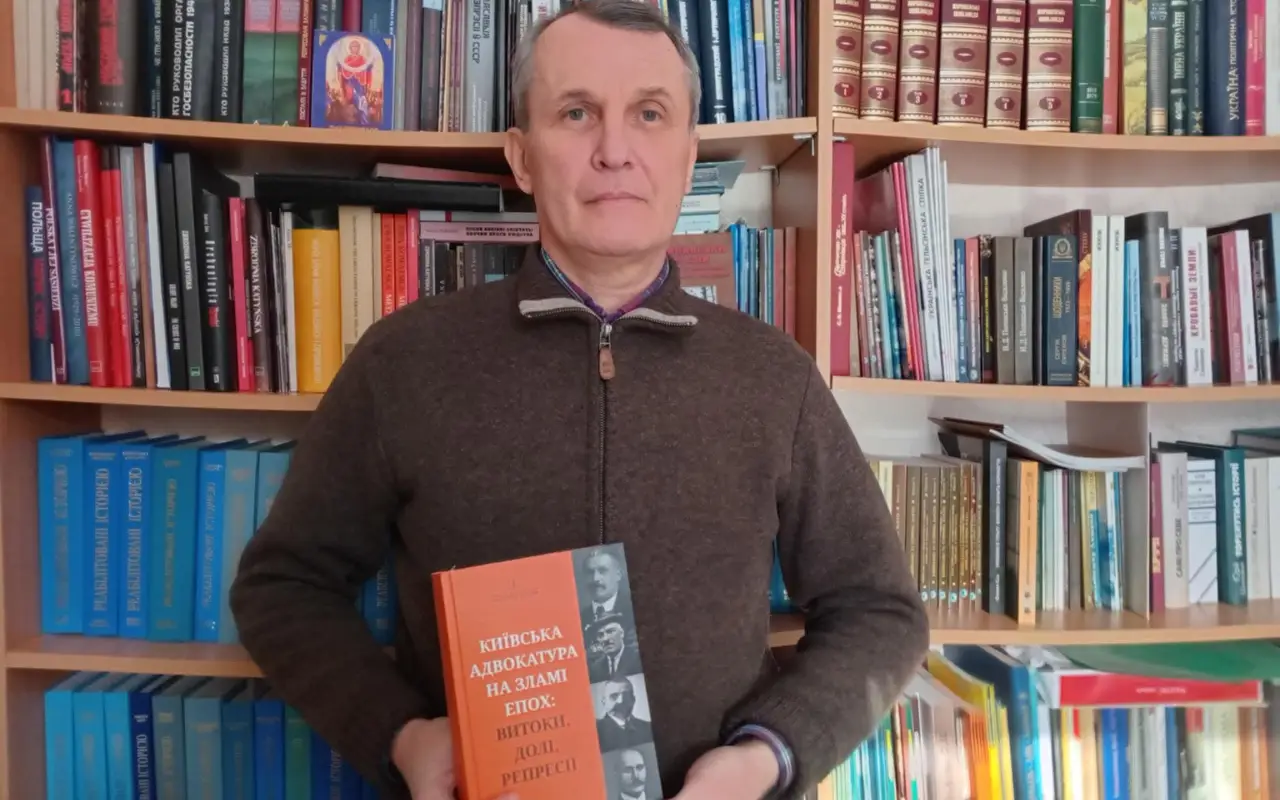
The history of Ukrainian constitutionalism was discussed during a lecture
To mark Ukraine’s Constitution Day, the Center for research on the legal profession and law of the UNBA in collaboration with the «Bykivnia Graves» National Historical and Memorial Reserve organized an online lecture on the history of the Ukrainian constitutional process.
Legislation
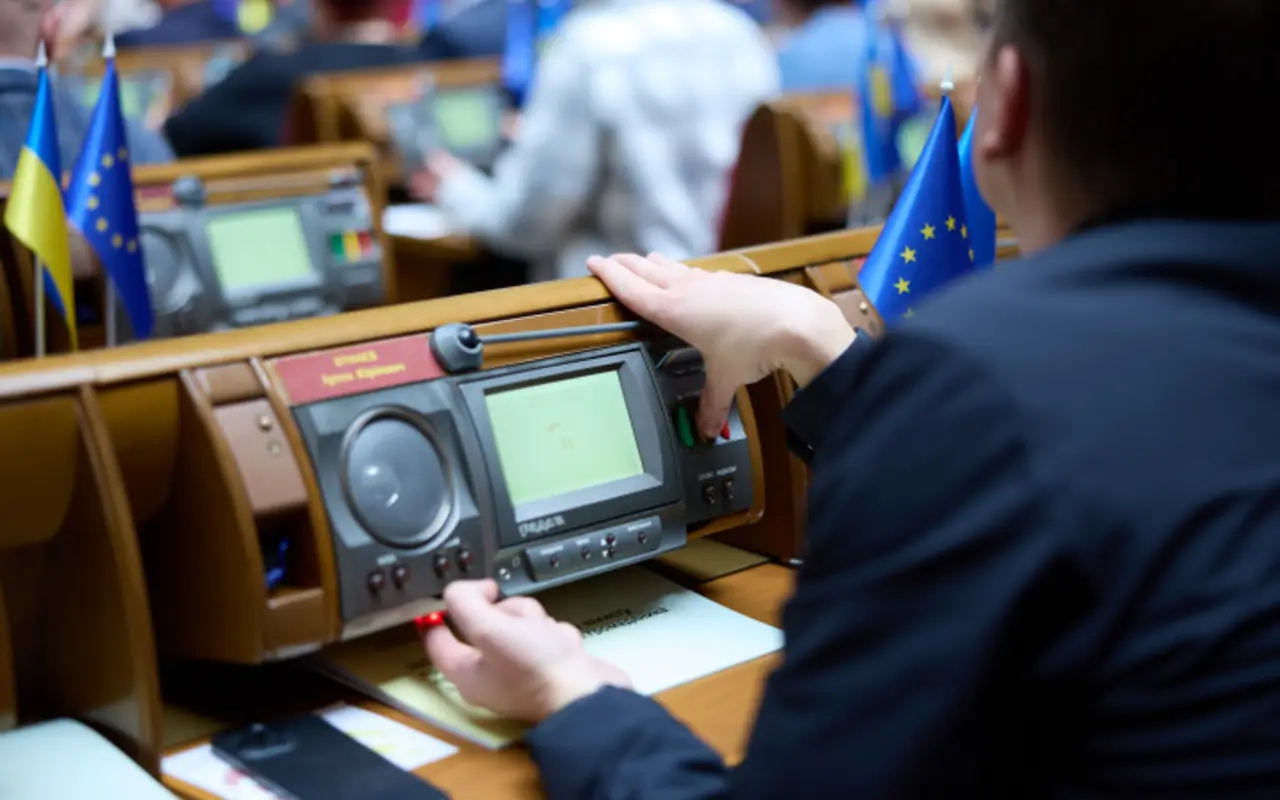
The UNBA is counting on the swift ratification of the Convention on the Protection of the Professions of Lawyer
The ratification of the Council of Europe Convention on the Protection of the Professions of Lawyer must be accompanied by targeted amendments to legislation to strengthen safeguards for advocates, but should not be used as a pretext for dismantling the self-governing model of advocacy.
Interaction
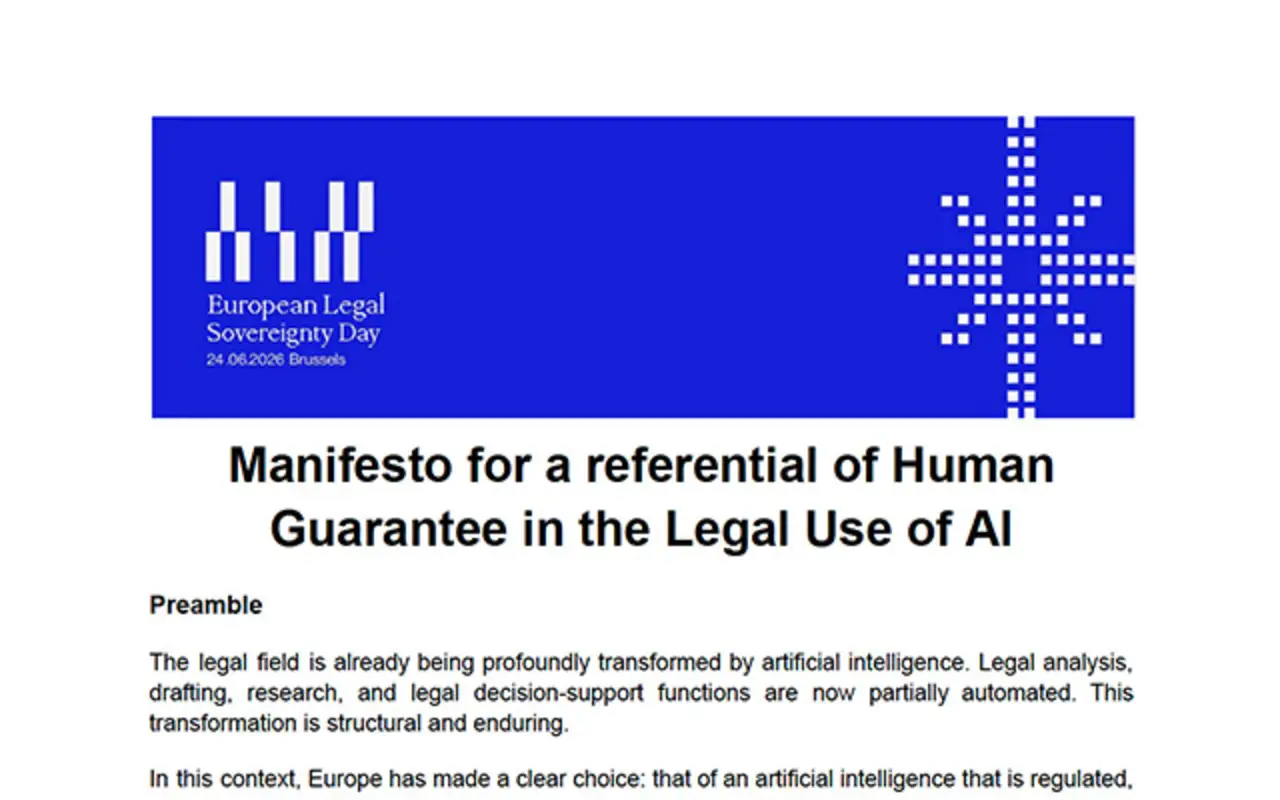
A manifesto on AI in law was presented in Europe. The UNBA has joined the initiative
On June 24, as part of European Legal Sovereignty Day, which took place in Brussels, the Manifesto for a Referential of Human Guarantee in the Legal Use of AI was presented.

Court practice
Martial law has changed administrative disputes – findings from IUS PUBLICUM 2026
During martial law, the focus of administrative proceedings shifted: in addition to tax disputes, cases involving access to public information, personal data protection, and challenges to regulatory acts, the docket now includes mobilization issues, challenges to decisions by the TCC and the Special Purpose Commission, disputes regarding deferrals, military service, sanctions, and new administrative restrictions.

Court practice
Lidiya Izovitova identified 7 challenges in administrative proceedings for advocates
The predictability of judicial practice, jurisdictional disputes, cassation filters, enforcement of judgments against the state, the burden of proof, written proceedings, and guarantees for the practice of law remain key issues in administrative justice for advocates.
Publications

Volodymyr Matsko Extradition during wartime: when the risks outweigh the request

Volodymyr Matsko Extradition as a systemic form of rights violations

Victoria Yakusha, Law and Business The anti-corruption vertical cannot «take care» of the Bar as an institution, - acting head of the HQDCB

Censor.net Protecting advocates – protecting justice: addressing concerns about the new law

Ihor Kolesnykov A BRIEF SUMMARY REGARDING THE APPLICATION OF THE ORDER ON EXTENDED CONFISCATION IN LATVIA REGARDING FINANCIAL ASSETS OF…

Valentyn Gvozdiy WORKING IN A WAR ZONE

Lydia Izovitova Formula of perfection

Sergiy Vylkov Our judicial system is so built that courts do not trust advocates