


Orders, reports and evidence: what mistakes could hinder a soldier’s defense
Waiting for a response to a report, missing the one-month deadline, incorrectly identifying the defendant, and the lack of evidence that a complaint was filed can complicate an appeal against the actions or inaction of the command. At the same time, filing a lawsuit does not exempt a service member from complying with an order until the court resolves the dispute.
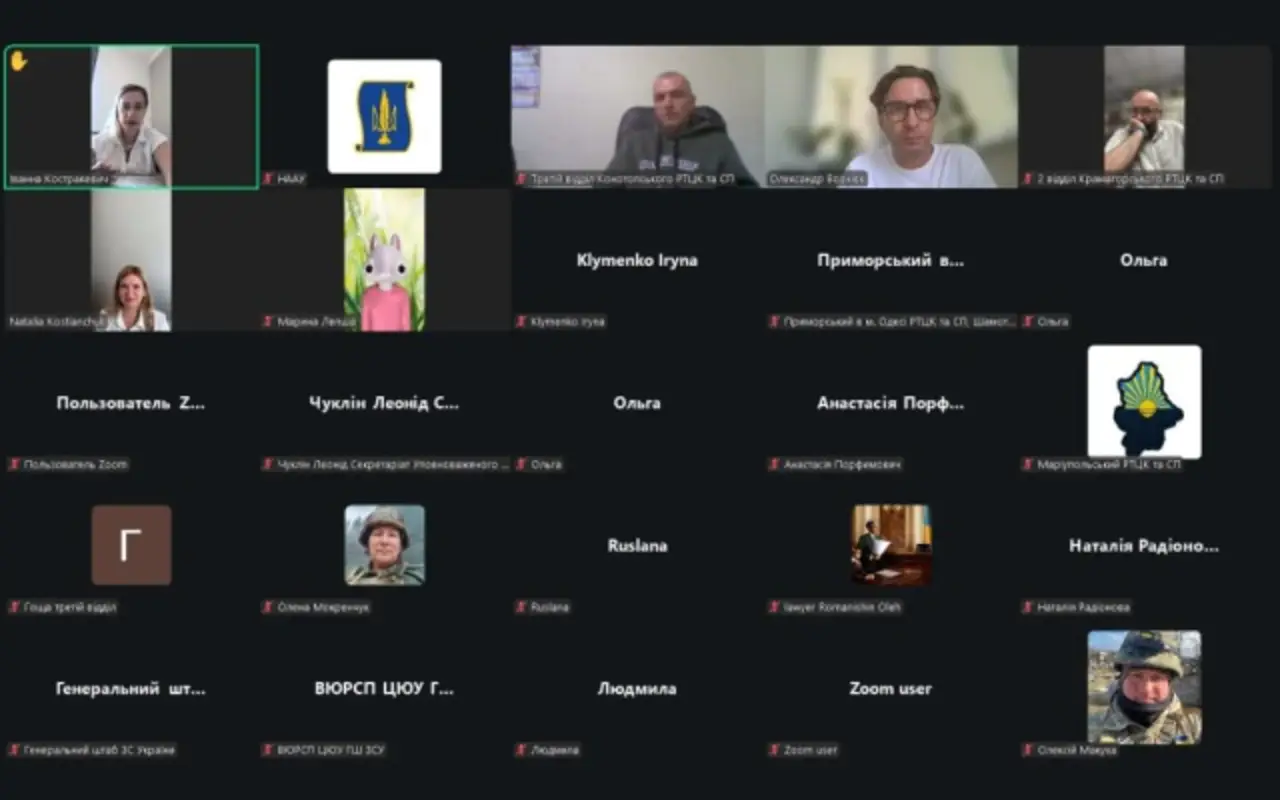
These issues were discussed during the roundtable discussion titled «Procedure for challenging the actions and inaction of a military unit commander: judicial practice». The event was organized by the UNBA Committee on the protection of the rights of persons with disabilities, with support from the human rights union of persons with disabilities and the NGO «DOBROBAT».
Among the common reasons for complaints filed by military personnel, Committee chairman Oleksandr Voznyuk cited the failure to review reports, delays in referrals for medical treatment or repeat medical examinations, denial of leave, and disputes regarding transfers, financial support and the processing of documents related to injuries or illnesses.
Union representative Natalia Kostyanchuk reminded attendees that a prior submission of a report or complaint to a superior commander is not a mandatory prerequisite for a judicial appeal. A service member may appeal directly to the district administrative court within one month from the date on which they became aware or should have become aware of the violation of their rights.
Waiting for the results of the report’s review does not suspend the running of this deadline. At the same time, a pre-trial appeal may be taken into account by the court when deciding on a motion to restore a missed deadline.
If the deadline has been missed, a motion to restore it must be attached to the complaint, and valid reasons must be provided. The absence of such a motion or a finding that the cited reasons are not valid may result in the claim being dismissed without consideration even after proceedings have been initiated. At the same time, the mere imposition of martial law—without an explanation of how it prevented a specific plaintiff from timely filing a lawsuit—is not an automatic ground for restoring the deadline.
N. Kostyanchuk also noted that in such disputes, it is not permissible to secure a claim by suspending a commander’s order or directive, especially under martial law or in a combat situation. Therefore, challenging an order to return to a military unit does not suspend the servicemember’s obligation to return and resume the performance of duties.
The remedy depends on the nature of the violation. An individual order may be challenged to be declared unlawful and revoked; in the event that a report is not considered, the inaction may be declared unlawful and the commander may be ordered to review the request; in cases of procedural violations during an official investigation, the court reviews the legality of the command’s actions. When the resolution of the issue falls within the commander’s discretionary authority, the court may order the commander to resolve the issue raised by the plaintiff, taking into account the legal assessment set forth in the decision.
The speaker also cautioned against incorrectly identifying the defendant. When a dispute concerns an individual order, a refusal, or the failure to consider a report, claims are filed against the commander as an official. In disputes regarding pay, benefits, compensation, the accounting of social guarantees, and personnel matters, the defendant is the military unit as a legal entity under public law.
According to Supreme Court case law cited during the event, violations of the procedure for transferring documents and information between military units cannot be attributed to a service member. In a case regarding additional compensation, the court held that internal document flow and personnel management fall under the responsibility of the military unit; therefore, the failure to transfer documents in a timely manner should not have deprived the plaintiff of the payment.
To prove inaction, it is important to document reports, correspondence, and other communications in advance and, if necessary, rely on witness testimony. Evidence should be gathered before filing a lawsuit, as procedural deadlines leave the service member and their advocate limited time to prepare the case.
O. Voznyuk explained that information regarding a report submitted via “Army+” can be used as electronic evidence in a legal dispute. Given instances where the status of a request in the app remains unchanged for a long time and the service member is unsure whether the document has been reviewed, he recommended simultaneously submitting the report in written form.
Committee Council member Ivanna Kostrakevych cited a case in which, following the results of an internal investigation, a service member was held accountable and ordered to pay approximately one million hryvnias for the cost of military property. The military unit failed to provide the attorney with the internal investigation report within the one-month deadline despite her request. The court reinstated the appeal deadline, since without access to the report, the party could not determine the substance of the claims; it subsequently overturned the order to conduct the internal investigation and hold the service member accountable. While the court proceedings were ongoing, funds were withheld from the service member’s pay. The court granted the motion for preliminary relief and prohibited further deductions until the case was resolved on its merits. After the dispute was resolved, the military unit refunded the amount that had already been withheld.
According to the attorney, the deadline for appealing commanders’ orders must be extended to at least three months. She explained this by noting that a service member may be stationed in a combat zone, whereas obtaining documents from the military unit and preparing the evidence base can take up a significant portion of the one-month deadline. According to her, courts do not always recognize the lack of access to documents or a prior complaint as sufficient grounds for extending the deadline.
N. Kostyanchuk proposed that the advocacy community and military leadership jointly address the issue of communication between service members and the command, specifically by developing appropriate guidelines. She noted that service members must be able to obtain the necessary evidence, as the lack of documents and supporting evidence can hinder appeals against violations.
Popular news
Legislation
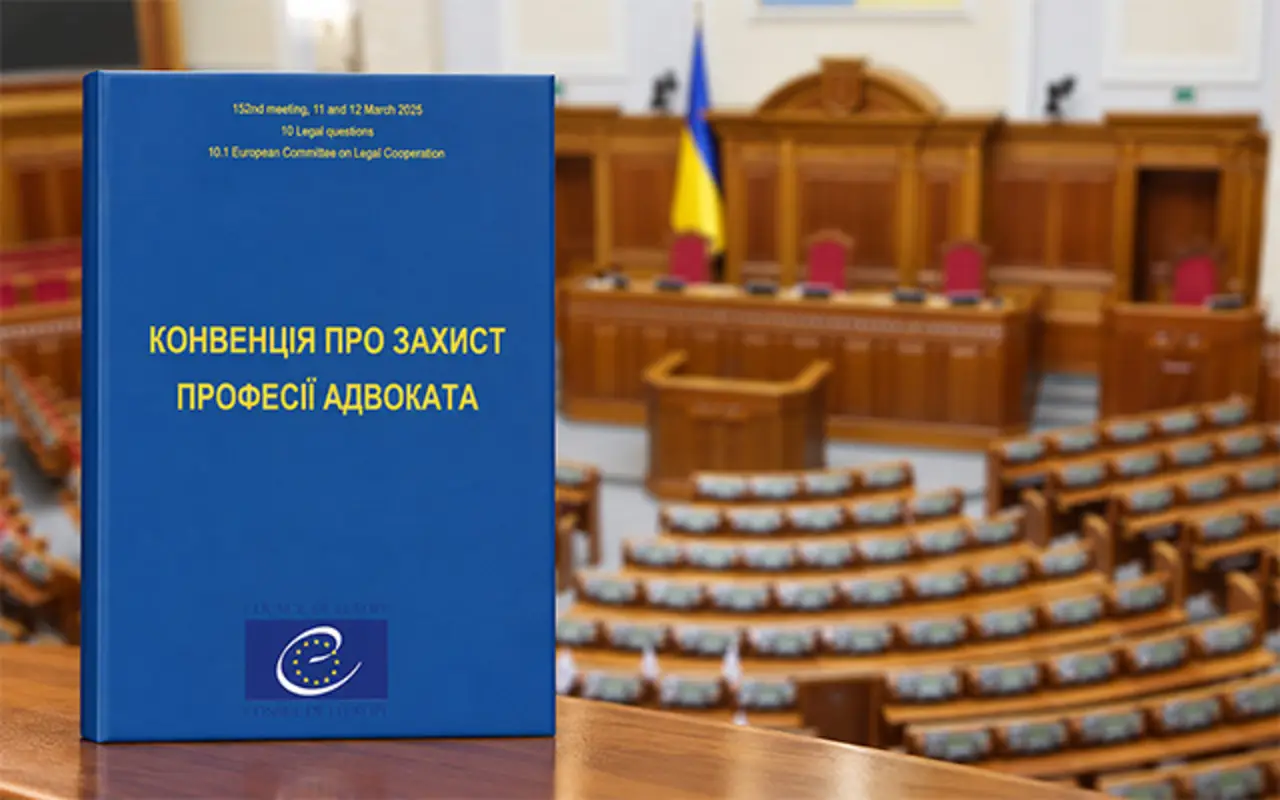
A bill implementing the Convention on the Protection of the Professions of Lawyer has been introduced
The constitutional guarantees of legal aid, defense, and the independence of advocacy cannot be realized without protecting advocates from unwarranted interference in their professional activities, including searches, the seizure of professional materials and the use of criminal procedural mechanisms to exert pressure.
Abroad
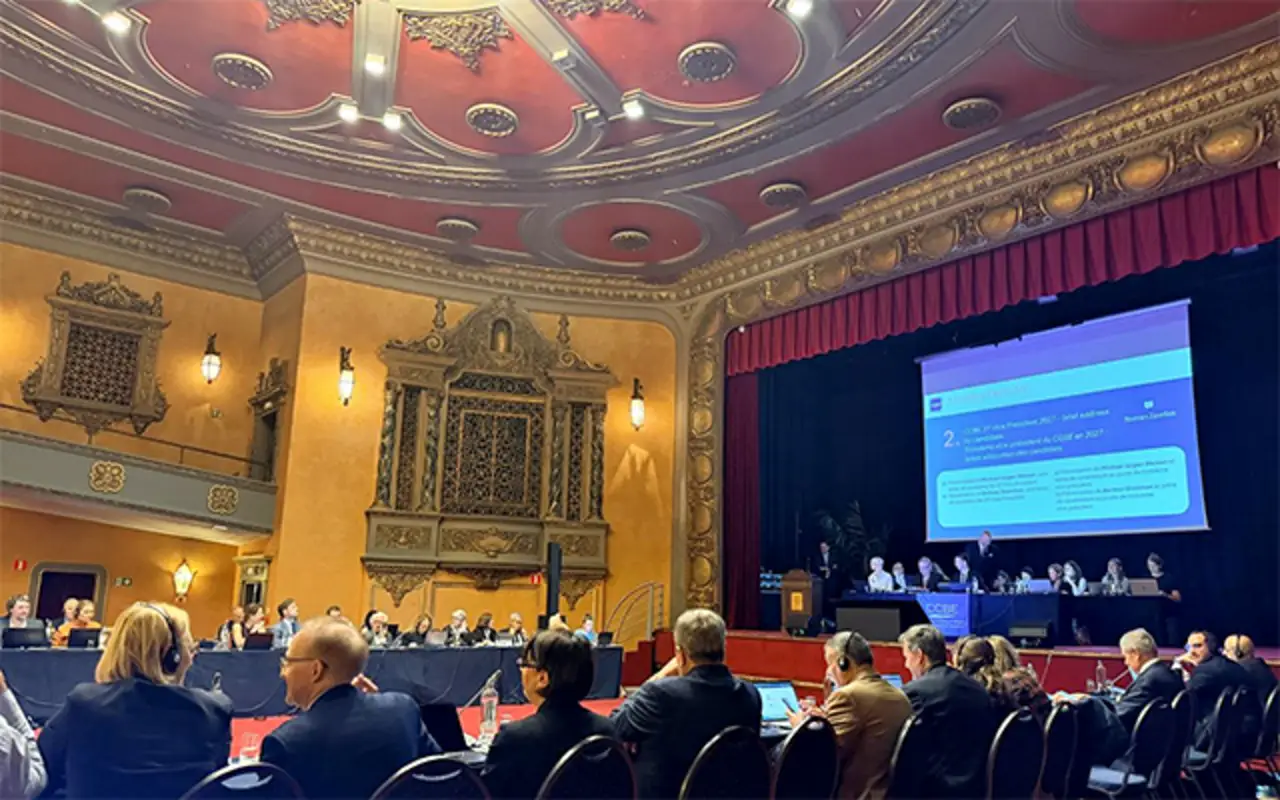
The CCBE is discussing European justice and issues related to the protection of advocates
Today, October 2, a meeting of the Standing Committee of the Council of Bars and Law Societies of Europe (CCBE) is taking place in Brussels. On the agenda are the protection of the advocate profession, the rule of law, attorney-client privilege, and changes in the European justice system.
Rule of Law Roadmap
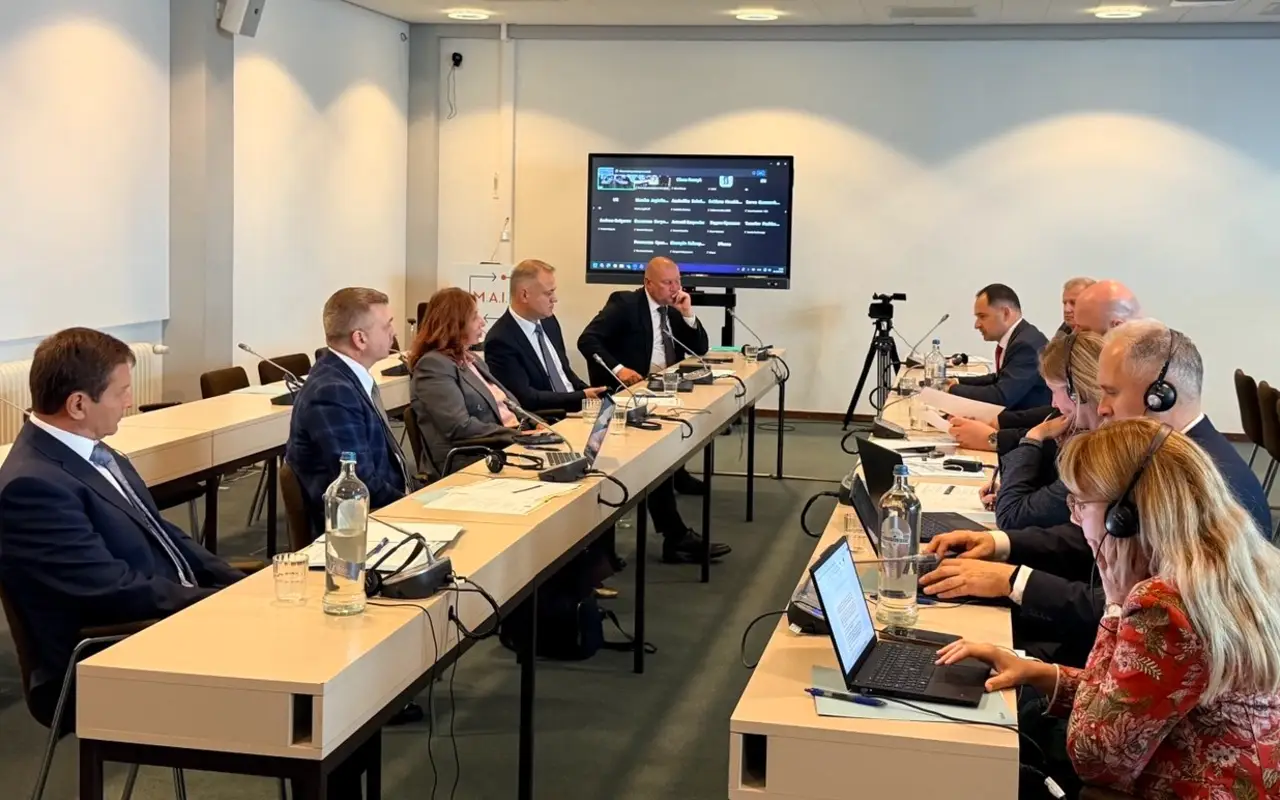
The UNBA presented the key provisions of the future law on advocacy in Brussels
The Ukrainian National Bar Association presented its proposals for the upcoming law on advocacy, aligned with the Rule of Law Roadmap. The presentation covered topics such as access to the profession, self-governance, disciplinary procedures, professional development and guarantees for the practice of advocacy.

Educational events
Advocates were taught to voice their complaints without making accusations
In a difficult conversation, it’s easy to confuse facts with opinions, feelings with accusations, and requests with demands. How can you express dissatisfaction, explain your own needs, and propose a specific solution while still allowing your conversation partner the opportunity to refuse or suggest an alternative?
Guarantees of the practice of law
Search of an advocate's office after client's acquittal: criminal complaint filed
In Kyiv, law enforcement officers conducted a search of the home of an advocate who had defended a client acquitted by the court and seized materials from the advocate’s case file. The proceedings were initiated shortly after the acquittal, even though the document they were searching for was already included in the court case file.
Guarantees of the practice of law
The paradoxes of urgency: is it possible to investigate a crime before it is committed?
On September 24 in Kyiv, National Police officers detained an advocate during an emergency search, having caught him in the act of committing a crime. At the time, the pretrial investigation in this case had already been ongoing for more than four months.
Guarantees of the practice of law
A side effect of the video conference: the judge mistook the sound of a chair for the advocate's response
Technology also has its downsides. The High Council of Justice acquitted a judge who failed to hear the advocates during court proceedings in a civil case. One of the arguments presented to the disciplinary body was poor connectivity, the risks of which are borne by the participants.

Guarantees of the practice of law
Unrestricted access to advocates' accounts poses a risk of client data disclosure — BCU
Information regarding transactions in the bank accounts of an advocate, a law firm, or a bar association from which clients can be identified, as well as the fact and subject matter of a request for legal assistance, the purpose of payments, and the amount of the fee constitutes attorney-client privilege. This rule applies regardless of whether the information also constitutes banking information and is in the possession of a bank.
Publications

Vasyl Kolishnyi, «Law and Business» Supporting mental health should become part of the professional culture of the Bar, - H. Udovenko

Volodymyr Matsko Extradition during wartime: when the risks outweigh the request

Volodymyr Matsko Extradition as a systemic form of rights violations

Victoria Yakusha, Law and Business The anti-corruption vertical cannot «take care» of the Bar as an institution, - acting head of the HQDCB

Censor.net Protecting advocates – protecting justice: addressing concerns about the new law

Ihor Kolesnykov A BRIEF SUMMARY REGARDING THE APPLICATION OF THE ORDER ON EXTENDED CONFISCATION IN LATVIA REGARDING FINANCIAL ASSETS OF…

Valentyn Gvozdiy WORKING IN A WAR ZONE

Lydia Izovitova Formula of perfection